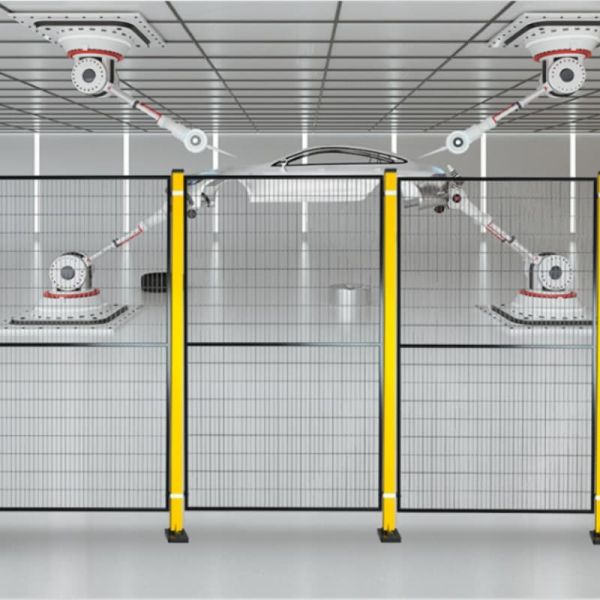
Bending Yellow Robot Fencing For Manufacturing Facilities is a robust and highly visible safety solution designed to protect both personnel and automated systems within manufacturing environments. It is a modular, flexible fencing system specifically created for areas where industrial robots or automated machinery operate, ensuring safe operation while maintaining high productivity and workflow efficiency.

Bending Yellow Robot Fencing For Manufacturing Facilities advantages
High Visibility for Safety
Yellow robot fencing is highly visible, making it easier for workers to spot and avoid entering potentially dangerous robot zones, enhancing overall safety in the facility.
Clear Perimeter Demarcation
It clearly defines robot work areas, reducing confusion and preventing accidental interactions between workers and robots by marking boundaries effectively.
Enhanced Worker Protection
The fencing acts as a physical barrier, preventing workers from accidentally entering hazardous areas where robots operate, ensuring a safer environment.
Durability and Strength
Made from durable materials, yellow robot fencing can withstand the tough conditions of a manufacturing environment, ensuring long-term protection and minimal maintenance.
Improved Workflow and Efficiency
By clearly marking robot zones, it helps maintain an organized workspace, minimizing disruptions and allowing smoother, more efficient operations.
Branding and Standardization
The consistent use of yellow fencing helps standardize safety features across different facilities, and its color can also align with company branding for a cohesive visual identity.
Cost-Effective Solution
Yellow fencing is an affordable, low-maintenance option that offers long-term durability, providing a cost-effective safety solution for manufacturers.
Ease of Modification and Expansion
Its simple design allows for easy adjustments and expansions as the facility grows or changes, making it adaptable to evolving operational needs.
Psychological Aspect
The color yellow promotes alertness and caution, helping to remind workers to stay vigilant around robots, which contributes to a safer work environment.
Typical Projects of Yellow Robot Fencing For Manufacturing Facilities
Automotive Assembly Lines
Yellow fencing separates workers from robots performing tasks like welding and assembly, ensuring safety in high-precision environments.
Material Handling and Packaging
Used to create safe zones around robots that sort, package, and transport materials, preventing accidental worker-machine interactions.
Electronics Manufacturing
Fencing defines safe areas around robots handling assembly tasks in electronics production, maintaining worker safety and operational efficiency.
Food and Beverage Processing
Yellow fencing keeps workers away from robots used for sorting, packaging, and palletizing, ensuring hygiene and safety in food production.
Warehousing and Distribution Centers
Robots in warehouses for sorting and transporting goods are fenced off to prevent workers from entering unsafe zones.
Pharmaceutical Manufacturing
In pharmaceutical plants, yellow fencing separates robotic equipment from workers to prevent contamination and ensure safety.
3D Printing and Additive Manufacturing
Fencing protects workers from robots handling 3D printing and post-processing tasks, ensuring a safe work environment.
Metalworking and CNC Machine Operations
Used around CNC machines and robots for cutting, milling, and welding, yellow fencing prevents worker exposure to high-risk machinery.
Robotic Inspection and Quality Control
Fencing around robotic inspection systems prevents interference while ensuring safe and precise quality control.
Custom Automated Systems Integration
For custom robotic setups, yellow fencing secures the area to protect workers and ensure safe integration into the facility.
Common specifications, standards, and parameters of Bending yellow robot fencing for manufacturing facilities
| Specification/Standard | Description | Example/Parameter |
| Color | Standard color for safety and visibility. | RAL 1023 (Traffic Yellow) |
| Material | Common materials used for durability and strength. | Steel, Aluminum, Reinforced Plastic (Polycarbonate or PVC) |
| Height | The height of the fencing, typically depends on robot size and operational zone. | 1.2m to 2.5m (approx.) |
| Mesh Size | Size of the mesh openings to ensure worker safety and prevent accidental access to robots. | 50mm x 50mm, 75mm x 75mm, or 100mm x 100mm |
| Strength/Load Capacity | The strength of the fencing to withstand impact and pressure, particularly in high-traffic areas. | 400-600 kg per square meter |
| Safety Standards | Regulatory compliance to meet safety requirements. | ISO 10218 (Robots for industrial environments), ISO 13857 (Safety distances) |
| Resistance | Resistance to environmental factors, such as chemicals, temperature, and UV exposure. | Chemical resistance, UV resistance, and weatherproof coating |
| Gate Design | Specifications for gates within the fencing for access to robot areas. | Lockable, swing or sliding gates with safety sensors |
| Structural Frame | Material and specifications for the frame that holds the fencing mesh. | Powder-coated steel or stainless steel frame for corrosion resistance |
| Weight | The overall weight of the fencing, which impacts ease of installation and durability. | 15-50 kg per panel (depending on material and size) |
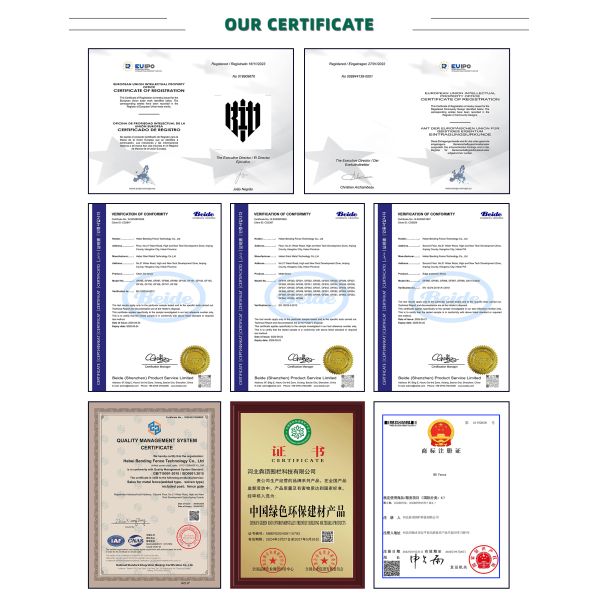
| Compliance Certifications | Compliance with industry regulations and standards for safety and operational use. | CE Marking (European Union), ANSI, OSHA, UL 508A |
| Mounting Options | Types of mounting available to secure the fencing in place. | Wall-mounted, free-standing, or bolted to floor/ground |
| Door and Access Control | Features of doors and access points to control worker entry. | Manual or automatic doors with safety interlocks or sensors |
| Barrier Thickness | Thickness of the mesh or barriers to resist impacts from moving robots. | 2mm to 5mm thickness for heavy-duty models |