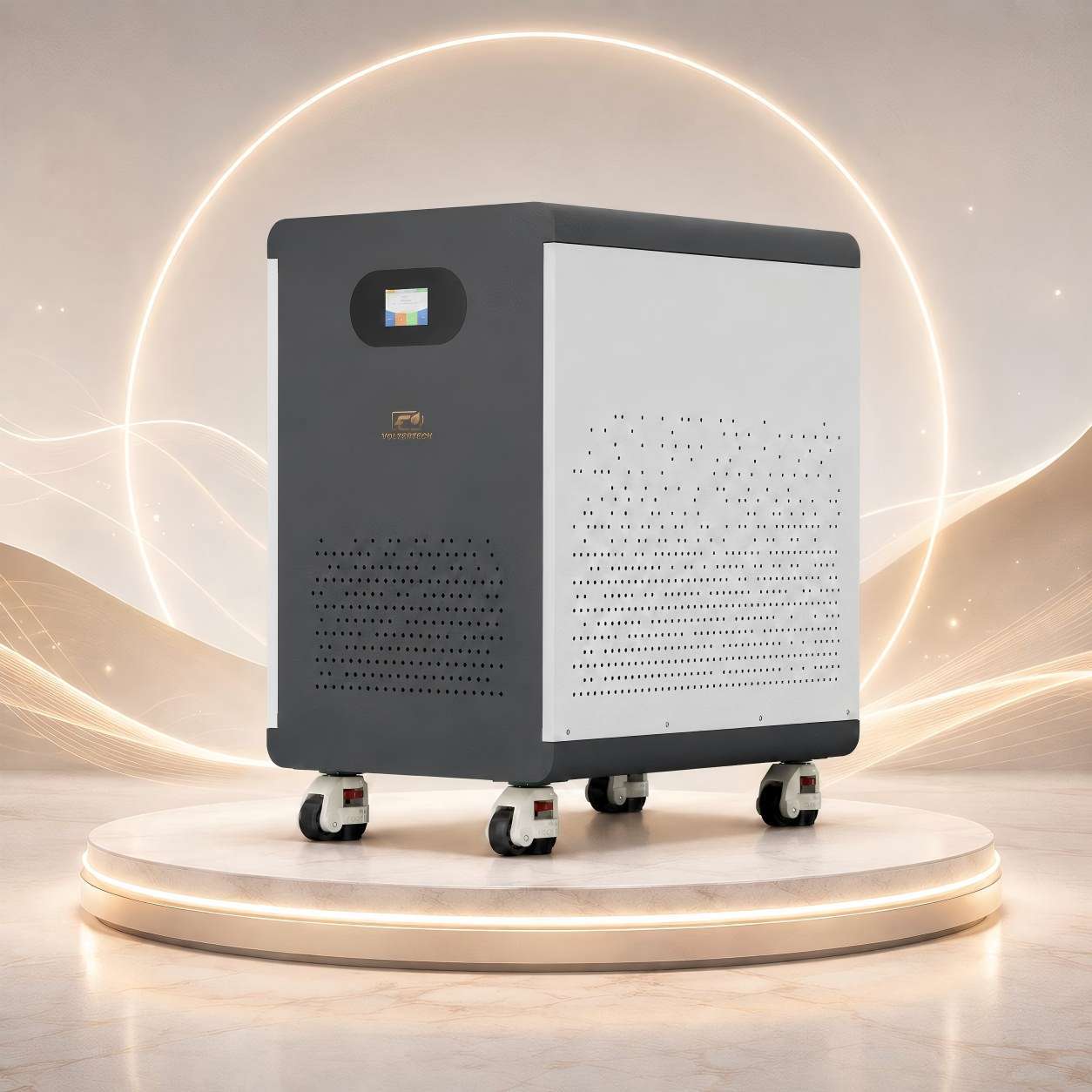
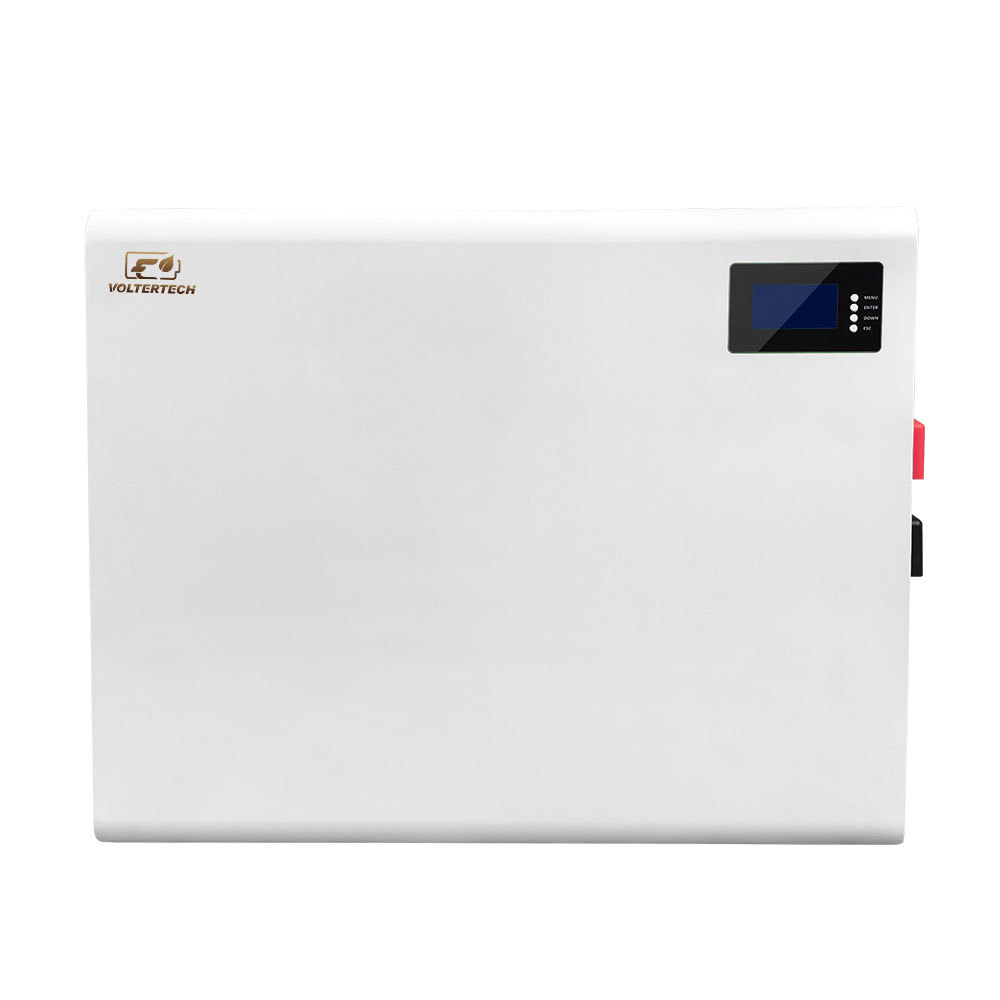
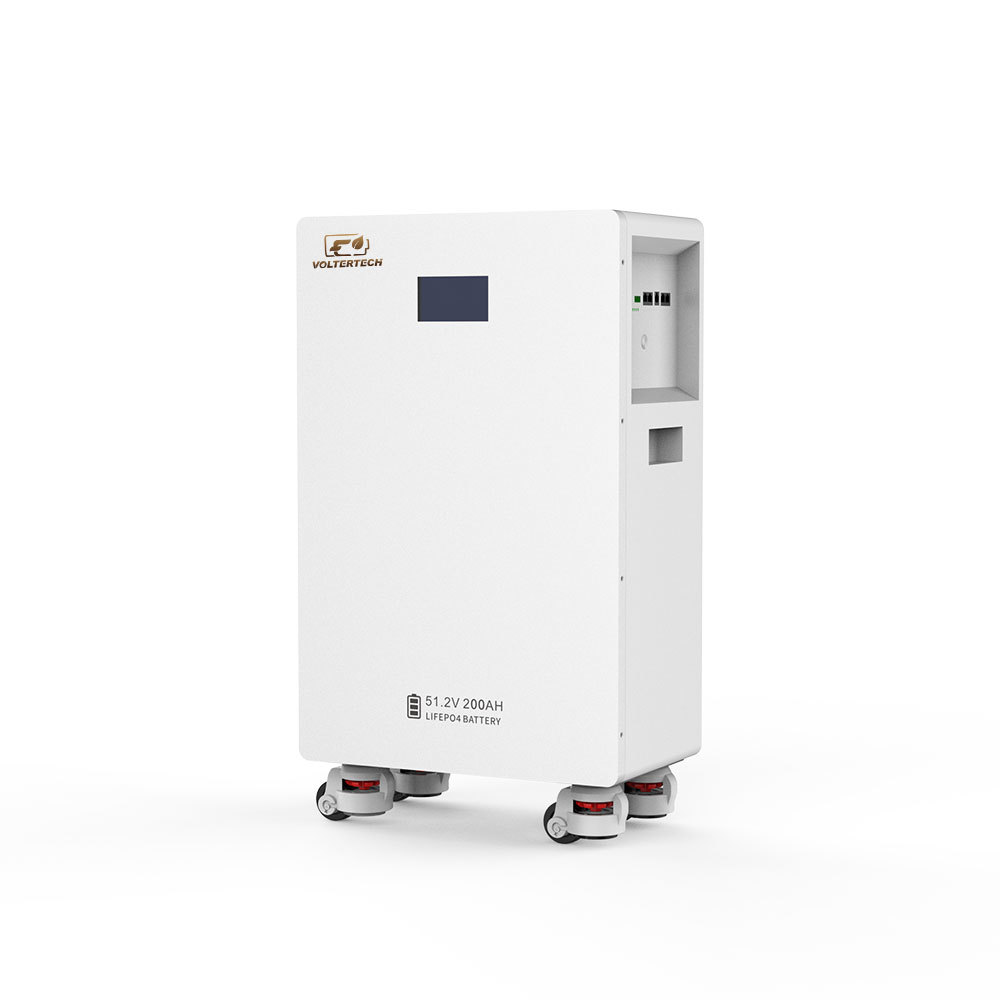
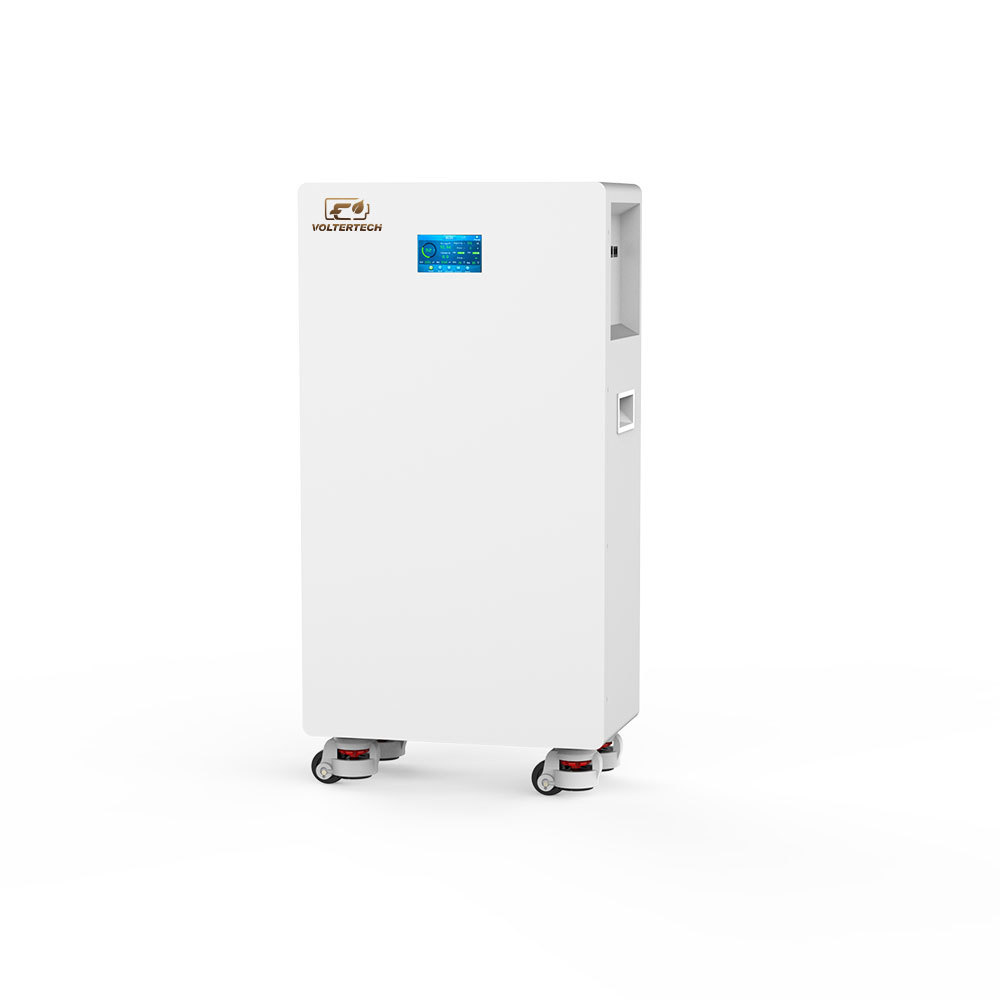
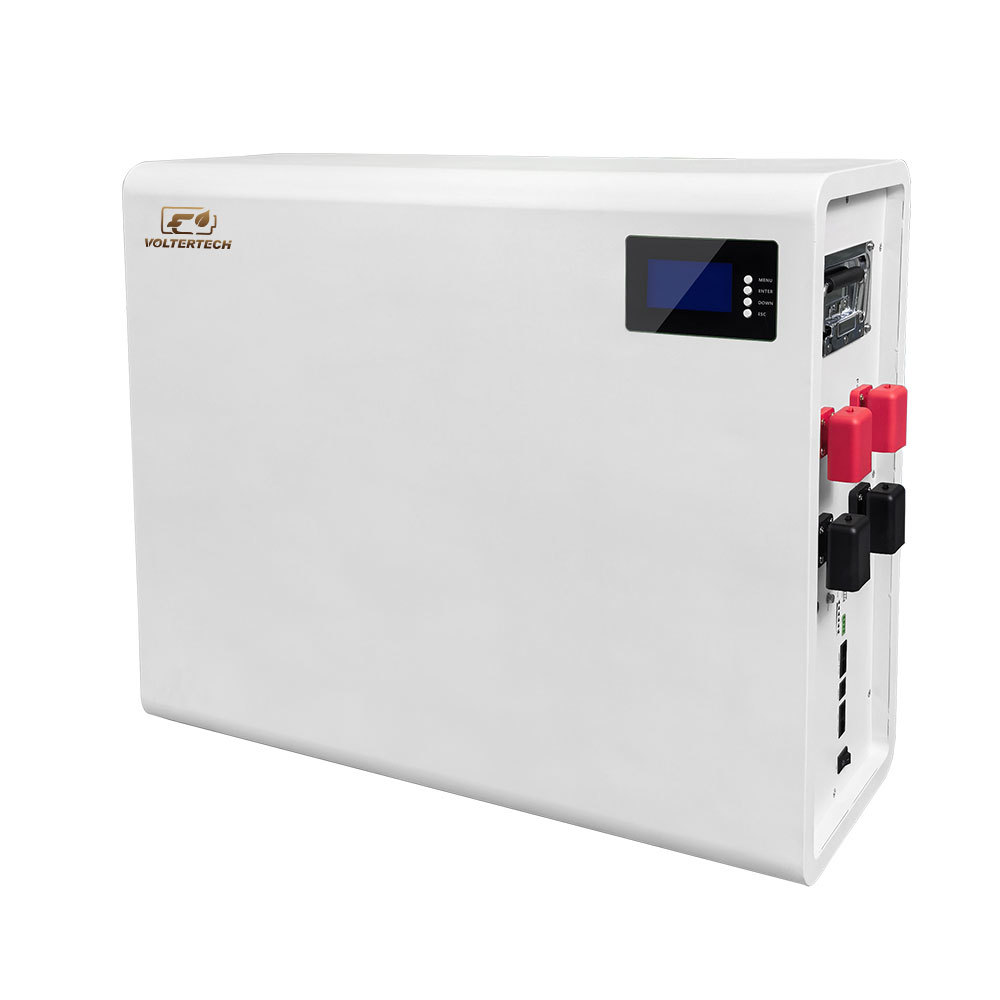
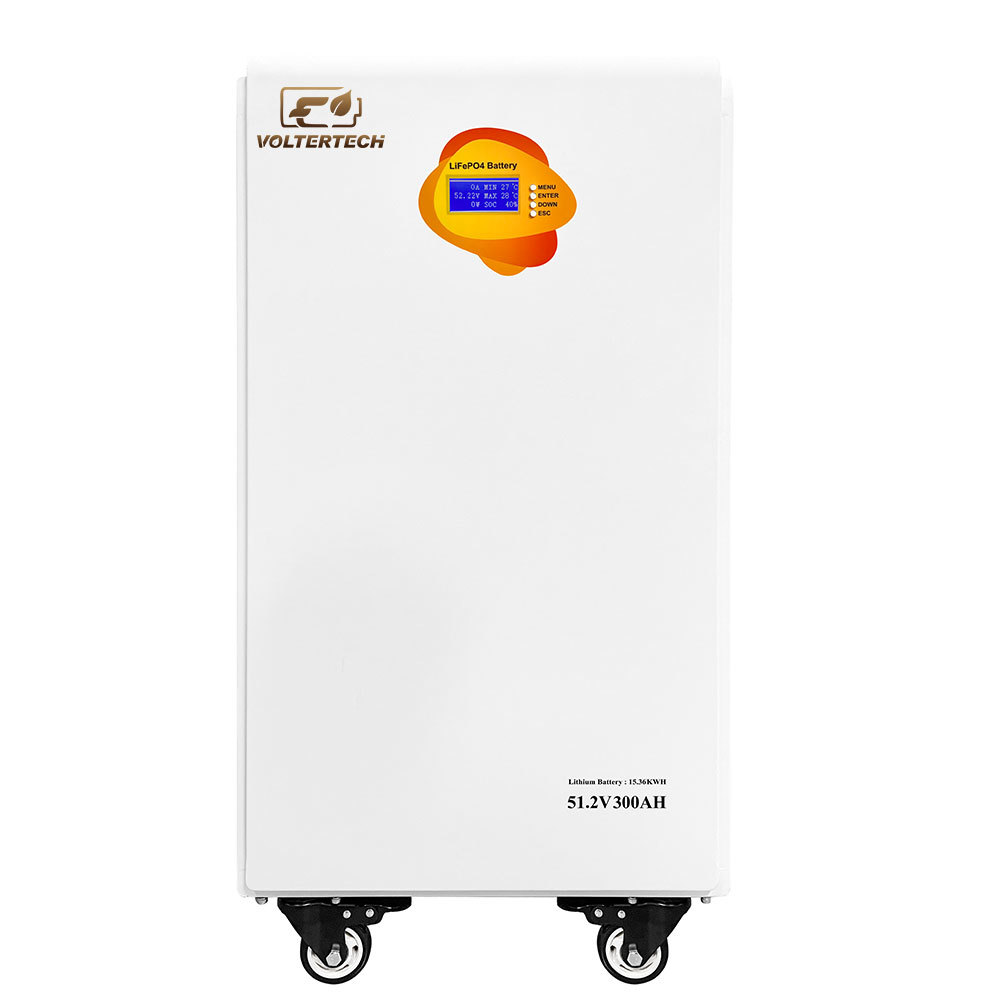
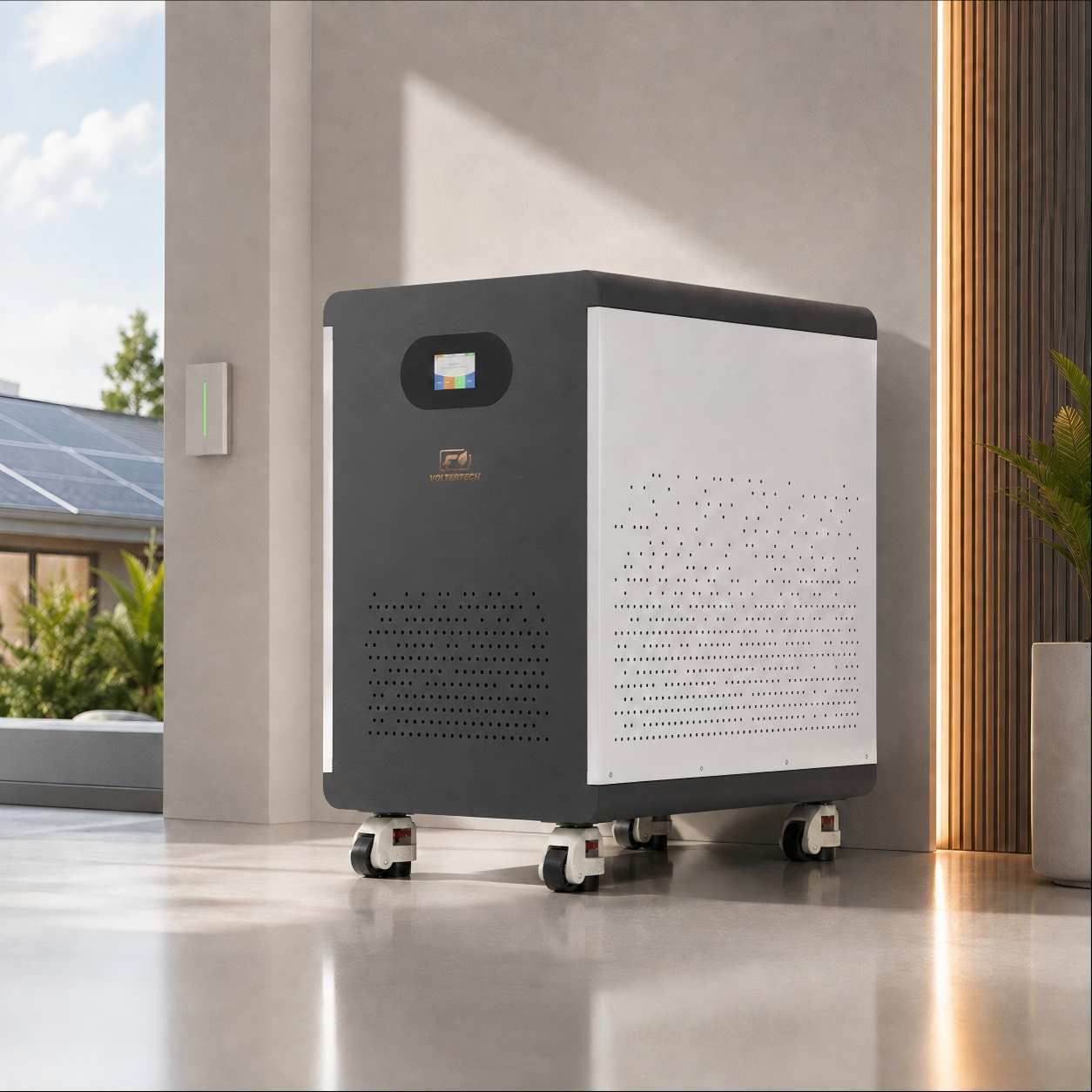
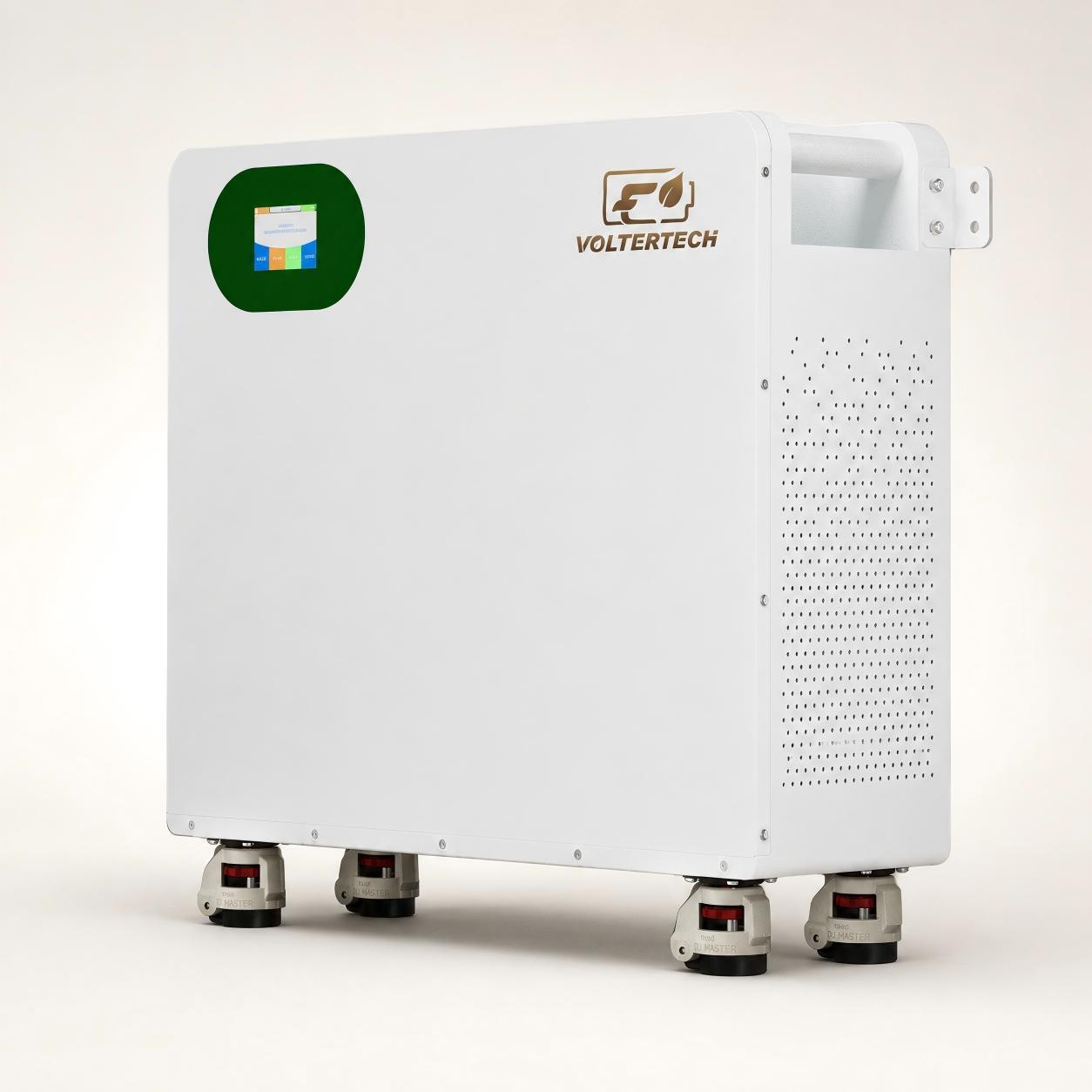
32kWh 51.2V 628Ah High Capacity LiFePO4 Energy Storage Battery.
Designed for projects that require more energy storage from each low-voltage battery unit, this LiFePO4 battery combines 32kWh nominal energy with a 51.2V 628Ah platform. The modular system supports CAN and RS485 communication and can be expanded with up to 15 battery units in parallel.
A higher-capacity battery can reduce the number of individual modules required to reach a target storage capacity. Each battery provides 32kWh of nominal energy, allowing larger storage configurations to be built from fewer battery units compared with smaller-capacity modules.
The appropriate number of batteries should still be determined from the required energy capacity, backup duration, inverter configuration and electrical load.
The product specification supports up to 15 battery units in parallel. This provides a wide nominal capacity range for projects that may need more storage than a single 32kWh battery.
The battery uses LiFePO4 chemistry with a nominal voltage of 51.2V and nominal capacity of 628Ah. CAN and RS485 communication interfaces are provided for connection with compatible inverter systems.
The supplied product information also lists remote update and monitoring functions as part of the system design.
Swipe left or right to view the complete specification table.
| Parameter | Specification |
|---|---|
| Battery Chemistry | LiFePO4 |
| Nominal Energy | 32kWh |
| Nominal Voltage | 51.2V |
| Nominal Capacity | 628Ah |
| Communication | CAN / RS485 |
| Parallel Expansion | Up to 15 Units |
| Recommended Charge Voltage | 57.6V |
| Cycle Life | 8,000 Cycles (25°C, 100% DOD) |
| Specified Service Life | 15 Years |
| Enclosure Protection | IP54 |
| Dimensions | 720 × 811 × 489mm |
| Approx. Weight | 247kg |
| Discharge Temperature | -20°C to +55°C |
| Charge Temperature | 0°C to +45°C |
| Storage Temperature | -5°C to +35°C |
The technical parameter sheet specifies 8,000 cycles at 25°C and 100% depth of discharge, together with a specified service life of 15 years.
Thermostatic control is also listed among the product characteristics. Actual battery service life will depend on operating temperature, charging and discharging conditions, system settings and application.
The battery measures 720 × 811 × 489mm and has an approximate weight of 247kg. The enclosure protection rating is IP54.
CAN and RS485 are provided for inverter communication. Because communication protocols may differ between inverter models, the exact inverter brand and model should be confirmed before ordering.
A single battery provides 32kWh of nominal energy. Whether this is enough depends on daily electricity consumption, the loads that need backup and the required operating time. System sizing should therefore be based on actual energy use rather than battery capacity alone.
Backup duration depends mainly on the connected load. As a simple nominal comparison, battery energy in kWh can be divided by the average load in kW to estimate an approximate duration. Actual runtime will be lower or different because of system losses, battery operating limits and changing loads.
Yes. The product specification supports up to 15 battery units in parallel, allowing the nominal system capacity to be increased when additional energy storage is required.
Fifteen 32kWh batteries provide 480kWh of nominal battery capacity. Final usable energy and system configuration depend on the complete battery, inverter and operating design.
The battery provides CAN and RS485 communication for inverter integration. Compatibility depends on the exact inverter model and communication protocol, so the inverter brand and model should be checked before ordering.
Yes. Solar storage is specifically listed among the application scenarios in the supplied product information. The complete system configuration should be matched to the solar installation and required storage capacity.
The enclosure protection rating is IP54. The final installation environment should be selected according to this protection rating, the specified operating temperatures and the requirements of the complete energy storage system.
The appropriate battery capacity depends on the required total energy storage, available installation space, backup duration and system design. A 32kWh battery provides more nominal energy per unit, so fewer battery modules may be required to reach a larger storage target.
Provide the inverter brand and model, required storage capacity, typical load, expected backup duration and planned battery quantity. These details help determine the battery configuration and check communication compatibility.
Send us your inverter model, typical load, required backup time and target storage capacity. We can check whether one 32kWh battery or a multi-battery configuration is more suitable for your system.
Plan Your 32kWh Battery System