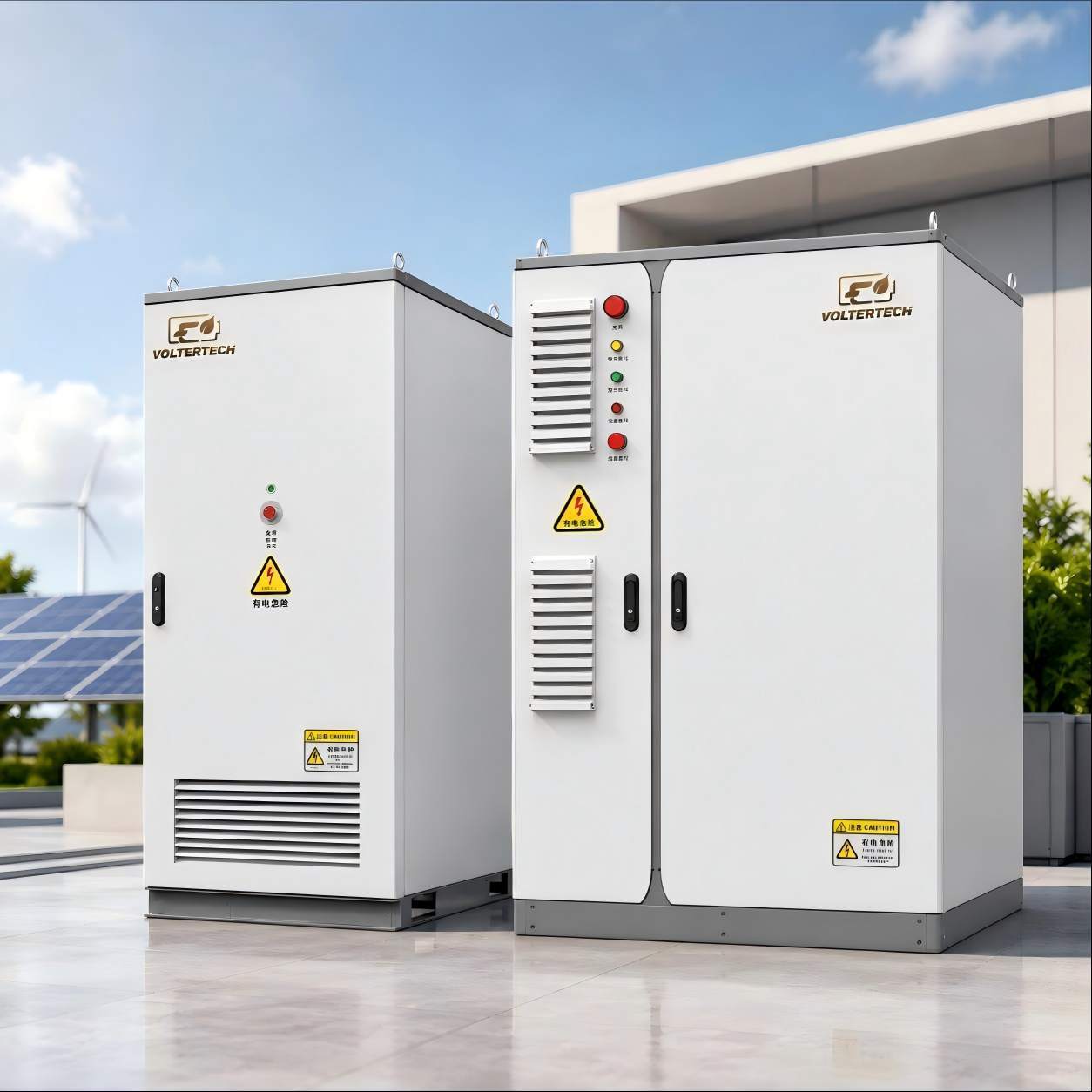
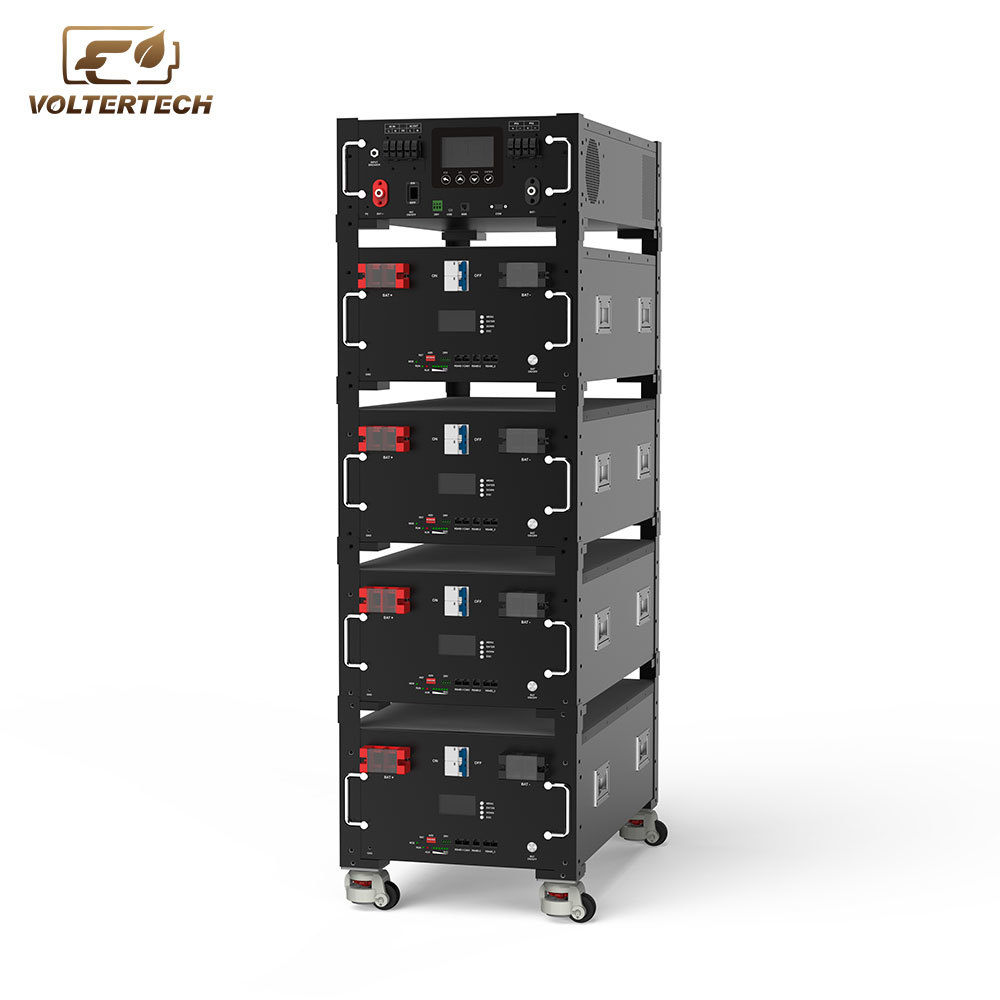
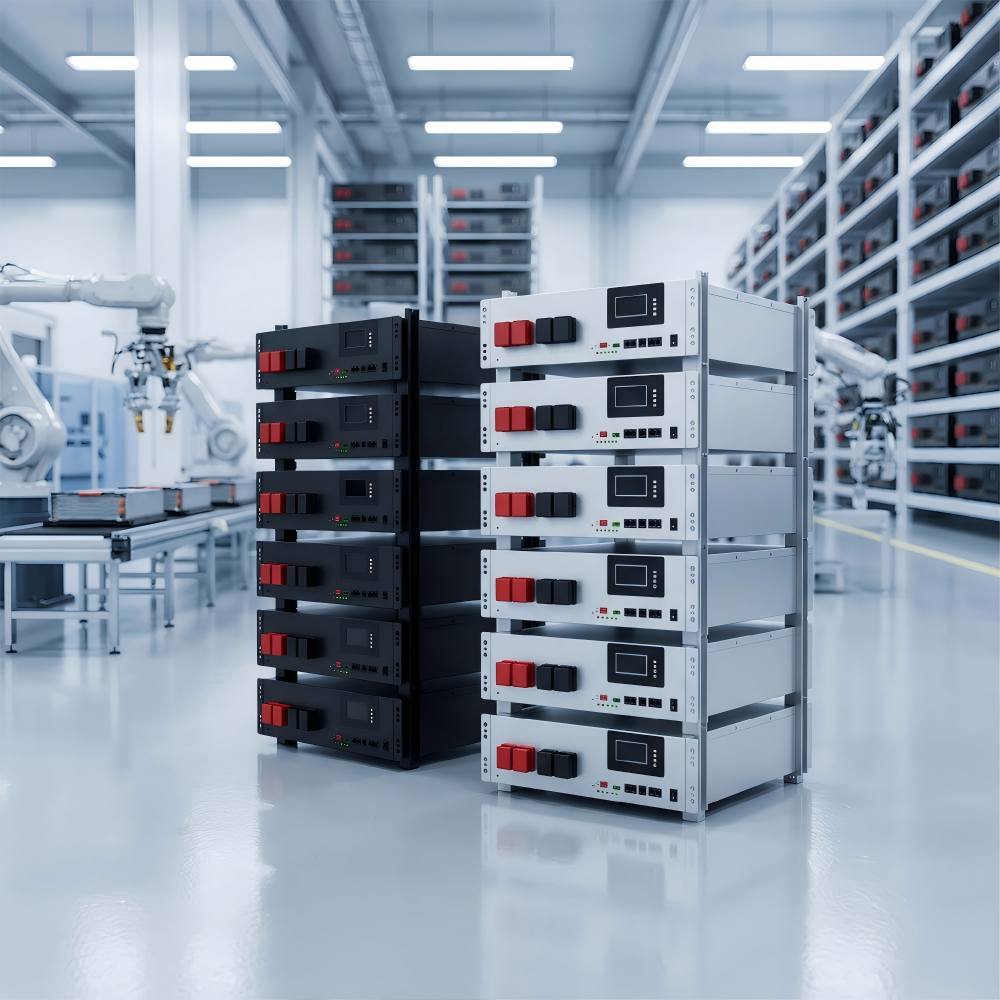
100kW 233kWh Liquid Cooled C&I Battery Energy Storage System.
Built around a 100kW power conversion platform and 233kWh LiFePO4 battery capacity, this system combines liquid cooled battery storage with photovoltaic input, grid-connected and off-grid operation, and diesel generator linkage. The configuration provides a higher energy capacity while maintaining a 100kW rated output platform.
Power and energy capacity describe two different parts of an energy storage system. The 100kW rating determines the rated output power, while the 233kWh battery capacity determines how much nominal energy is available in the battery system.
Based on the nameplate values, 233kWh divided by 100kW gives an energy-to-power ratio of approximately 2.33 hours. This provides a useful reference when comparing different C&I storage configurations with the same power rating but different battery capacities.
The specification includes photovoltaic input together with battery storage and diesel generator linkage. This allows the system to form part of a hybrid commercial or industrial power architecture where more than one energy source is available.
| Battery Chemistry | LiFePO4 |
| Battery Capacity | 233kWh |
| Nominal Voltage | 832V |
| Battery Voltage Range | 702V – 936V |
| Charge / Discharge Current | 140A / 140A |
| Cooling Method | Liquid Cooling |
| Cycle Life | 8,000 Cycles |
| Rated PCS Output | 100kW |
| Grid AC Voltage | 380 / 400V, 50 / 60Hz |
| Maximum PV Power | 156kW (2 Channels) |
| STS Handover Time | 20ms |
| Protection Level | IP54 |
| Dimensions | 1385 × 910 × 2203mm |
| Net Weight | Approx. 2.3T |
The PCS is listed as an optional configuration. For grid-connected operation, the specification provides 100kW rated output at AC 380/400V and 50/60Hz.
For off-grid operation, the PCS is also rated at 100kW, with listed output voltage options of 220V, 230V, 380V and 400V. The specification additionally supports up to three units operating in grid-connected or off-grid parallel configurations.
The battery system uses 280Ah LiFePO4 cells with a nominal voltage of 832V and an operating voltage range of 702V to 936V. Nominal charging and discharging current are both rated at 140A.
Liquid cooling is specified for battery thermal management. The battery data lists 8,000 cycles and a calendar life of 15 years.
Suitability depends on the site's peak load, daily electricity consumption and required discharge duration. The system provides 100kW rated PCS output and 233kWh nominal battery capacity, so actual project sizing should be based on the facility's load profile.
The battery system can charge and discharge according to the project operating strategy. Whether it is suitable for a specific peak shaving application depends on the site's peak demand, duration of the peak period and required power output.
Yes. The technical specification includes photovoltaic input and lists a maximum PV power of 156kW across two channels.
Yes. The optional PCS specification includes off-grid operation with 100kW rated output and output voltage options of 220V, 230V, 380V and 400V.
Yes. Diesel generator linkage is included in the technical specification, allowing the system to be considered for hybrid power configurations involving PV, battery storage, grid power and diesel generation.
Based on nominal values, 233kWh divided by 100kW gives approximately 2.33 hours. Actual discharge duration depends on usable battery capacity, system losses, operating limits and the real load profile.
The technical specification supports up to three units in grid-connected or off-grid parallel operation.
Useful project information includes peak load in kW, daily electricity consumption in kWh, grid voltage and frequency, solar PV capacity, required operating mode and whether diesel generator linkage is required.
Provide your required operating mode, load power, grid voltage, solar PV capacity and whether diesel generator linkage is required. The battery and optional PCS configuration can then be matched to the project requirements.
Discuss Your C&I Energy Storage Project