Specifications
PV Use Case :
Solar Self-Consumption Improvement
Place of Origin :
China
Model Number :
BESS-233KWH-105KW-W
Deployment Approach :
Single or Multi-Cabinet Projects
MOQ :
1 Unit
Delivery Time :
10-15 Days for Samples; 30-40 Days for Bulk Production
Project Buyers :
EPC / ESCO / Energy Contractors
Payment Terms :
L/C,T/T,Western Union
Energy Strategy :
Time-of-Use Cost Optimization
Suitable Sites :
Manufacturing / Logistics / Commercial Facilities
Price :
Negotiable
Load Management :
Peak Demand Reduction
Supply Ability :
5000 Units per Month
Product Positioning :
High-Capacity C&I Storage Cabinet
Certification :
IEC62477-1 , IEC61000-6/2/4 , UN3536
Brand Name :
Voltertech
Operational Goal :
Flexible Energy Dispatch & Demand Management
Packaging Details :
Heavy-Duty Wooden Case with Protective Foam
Description

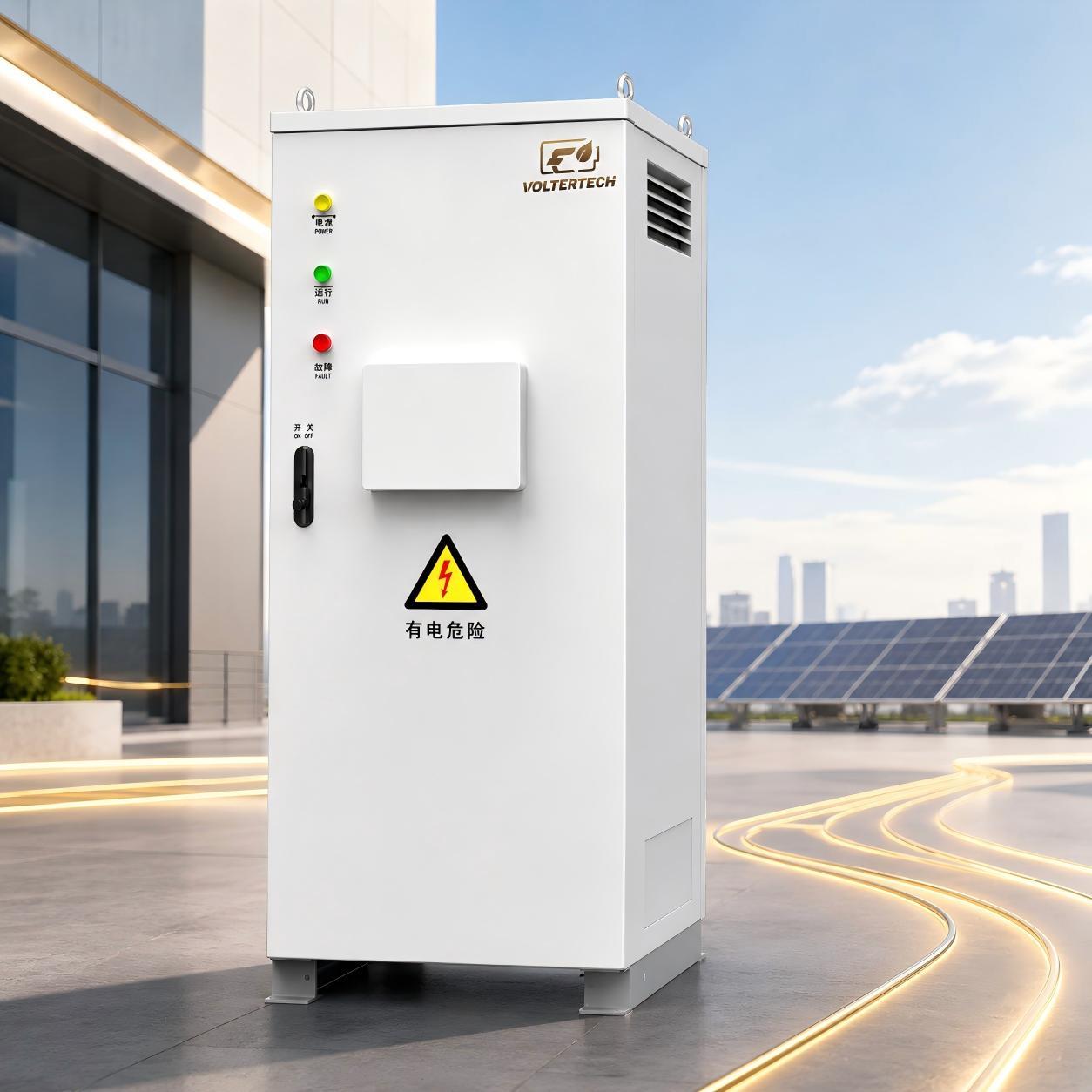
233kWh Liquid Cooled Commercial Battery Energy Storage Cabinet.

Designed for commercial and industrial sites with significant daily electricity demand, this liquid cooled battery storage cabinet provides a practical solution for peak demand management, load shifting and improved solar self-consumption. Its 233kWh storage capacity makes it suitable for businesses seeking more flexible control over when electricity is stored and used.

Commercial Battery Storage for Energy Cost Management

Factories, warehouses and commercial facilities often experience significant changes in electricity demand throughout the day. A commercial battery storage system can charge during selected periods and discharge when site demand increases, helping businesses manage energy consumption more effectively.

When combined with an appropriate energy management strategy, the system can support peak shaving, time-of-use optimization and increased utilization of locally generated solar energy.

Peak Demand Management Use stored energy during high-load periods to support more flexible management of site electricity demand.
Time-of-Use Optimization Schedule charging and discharging according to local tariff periods and operating requirements.
Solar Self-Consumption Store available photovoltaic generation and use the energy later when on-site demand increases.

Liquid Cooling for Stable C&I Battery Operation

Effective thermal management is important for commercial battery storage systems that may charge and discharge frequently. Liquid cooling helps maintain a more controlled battery operating temperature and supports consistent thermal conditions across the energy storage cabinet.

This makes the system particularly suitable for C&I applications where regular cycling and long operating periods form part of the site's daily energy management strategy.

Built with LiFePO4 battery chemistry, the system is specified for up to 8,000 cycles and a calendar life of up to 15 years under appropriate operating and maintenance conditions.

Battery Specifications

Battery Chemistry LiFePO4
Total Capacity 233kWh
Nominal Capacity 280Ah
Nominal Voltage 832V
Operating Voltage Range 702V – 936V
Nominal Charging Current 140A
Nominal Discharging Current 140A
Cooling Mode Liquid Cooling
Cycle Life 8,000 Cycles
Calendar Life 15 Years

PCS and AC Specifications

Rated Output Power 100kW
Maximum AC Current 167A
Rated Operating Voltage AC 230 / 400V
Grid Frequency 50 / 60Hz
AC Harmonic Voltage <3%

General System Specifications

Operating Temperature -20°C to +60°C
Storage Temperature -30°C to +45°C
Operating Relative Humidity 5% – 95%
Working Altitude ≤2000m
Communication LAN / RS485 / CAN
Protection Level IP54
Dimensions 1400 × 1000 × 2399mm
Net Weight Approx. 2.3T

233kWh Battery Storage for Commercial Solar Projects

For commercial facilities with an existing or planned solar PV system, battery storage can capture available photovoltaic energy for later on-site use. This can help increase solar self-consumption and reduce reliance on grid electricity during selected operating periods.

The final system configuration should consider PV capacity, daytime and evening load demand, available grid connection capacity and the intended battery charging and discharging strategy.

Typical C&I Energy Storage Applications

The 233kWh storage capacity is suitable for a range of medium-scale commercial and industrial projects, including manufacturing facilities, logistics warehouses, commercial buildings, industrial sites and distributed solar-plus-storage projects.

System selection should always be based on the actual site load profile rather than battery capacity alone. Peak demand, daily electricity consumption, required discharge duration and local electricity tariffs should all be considered before determining the final energy storage configuration.

Frequently Asked Questions

Can a 233kWh battery storage system reduce peak electricity demand?

Yes. The system can discharge stored energy during selected high-load periods to support peak demand management. The required battery power and discharge duration should be determined from the site's actual load profile.

Is a 233kWh battery suitable for my factory or warehouse?

Suitability depends on your peak load, daily electricity consumption and required operating duration. Providing recent load data or electricity consumption information allows the required storage capacity and power to be evaluated more accurately.

Can this system be used with time-of-use electricity tariffs?

Yes. Battery charging and discharging can be scheduled around different electricity tariff periods when the local grid and project operating conditions allow it. The actual strategy should be based on local electricity pricing and site demand.

Can the battery cabinet work with a commercial solar PV system?

Yes. It can be incorporated into a properly designed solar-plus-storage project to store available PV generation for later use. PV capacity, site load and electrical architecture should be reviewed before final system configuration.

How long can a 233kWh battery supply my facility?

The operating duration depends on the electrical load. A facility using an average load of 50kW will have a very different discharge duration from a site operating near 100kW, so actual load data is required for accurate sizing.

What information should I provide for C&I energy storage sizing?

Useful information includes peak load in kW, daily electricity consumption in kWh, grid voltage and frequency, operating hours, existing or planned solar PV capacity and the main objective of the storage project.

Why use liquid cooling in a commercial energy storage cabinet?

Liquid cooling helps manage battery temperature during charging and discharging and provides more controlled thermal conditions for applications involving frequent operation or sustained daily cycling.

Can multiple battery cabinets be used for a larger project?

Yes. For projects requiring greater storage capacity, a multi-cabinet solution can be evaluated according to the required total capacity, power demand, site layout, electrical architecture and energy management strategy.

Evaluate Your Commercial Energy Storage Project

Provide your site peak load, daily electricity consumption, grid voltage, solar PV capacity and intended operating strategy. We can evaluate whether a 233kWh battery storage configuration is suitable for your commercial or industrial project.

Discuss Your Energy Storage Project
Send your message to this supplier
Send Now

233kWh Liquid Cooled Commercial Battery Energy Storage Cabinet with LiFePO4 Battery Chemistry for C&I Applications

Ask Latest Price
PV Use Case :
Solar Self-Consumption Improvement
Place of Origin :
China
Model Number :
BESS-233KWH-105KW-W
Deployment Approach :
Single or Multi-Cabinet Projects
MOQ :
1 Unit
Delivery Time :
10-15 Days for Samples; 30-40 Days for Bulk Production
Contact Supplier
233kWh Liquid Cooled Commercial Battery Energy Storage Cabinet with LiFePO4 Battery Chemistry for C&I Applications

Voltertech Co.,Limited

Verified Supplier
1 Years
guangdong, guangzhou
Business Type :
Manufacturer
Total Annual :
5000000-10000000
Employee Number :
50~100
Certification Level :
Verified Supplier
Contact Supplier
Submit Requirement