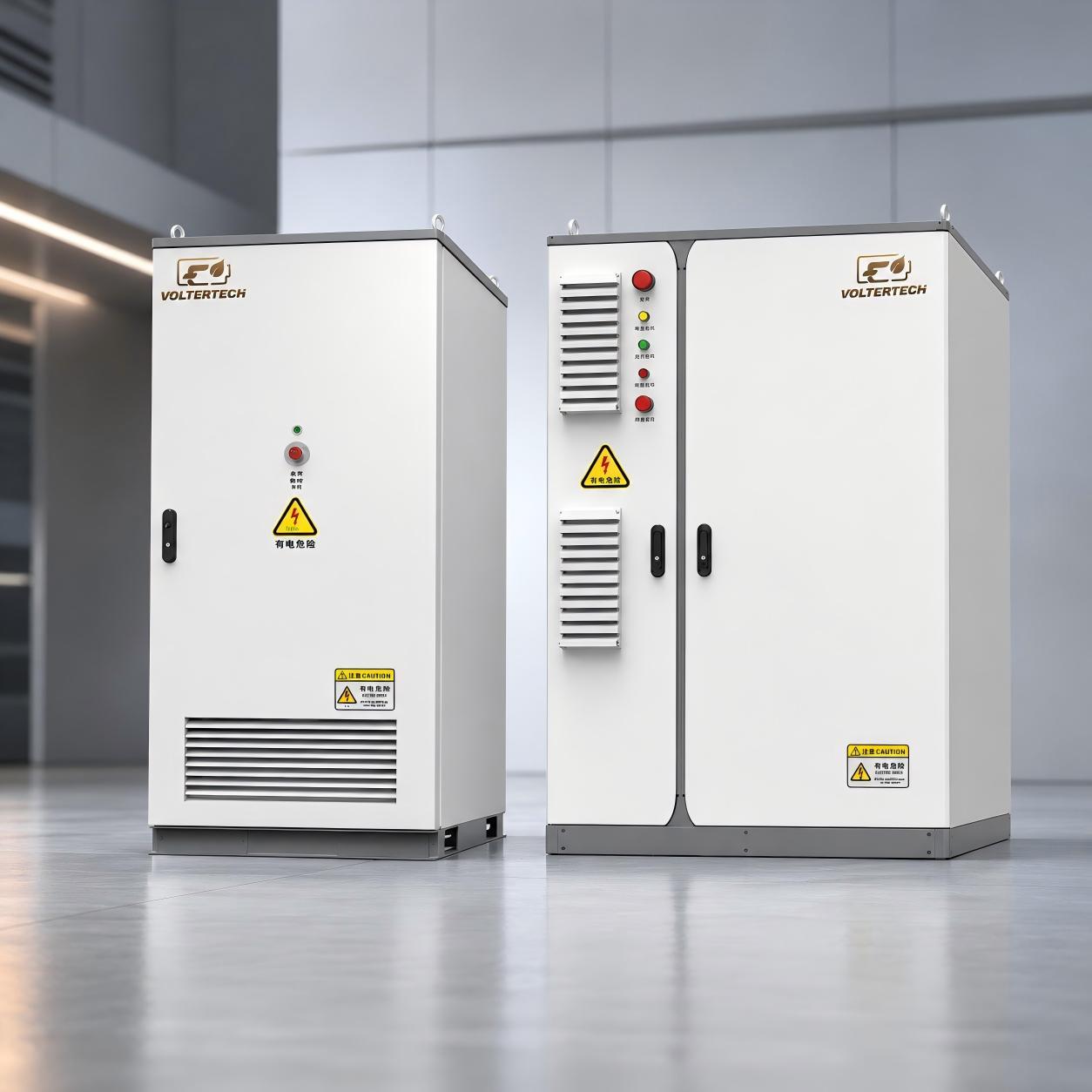
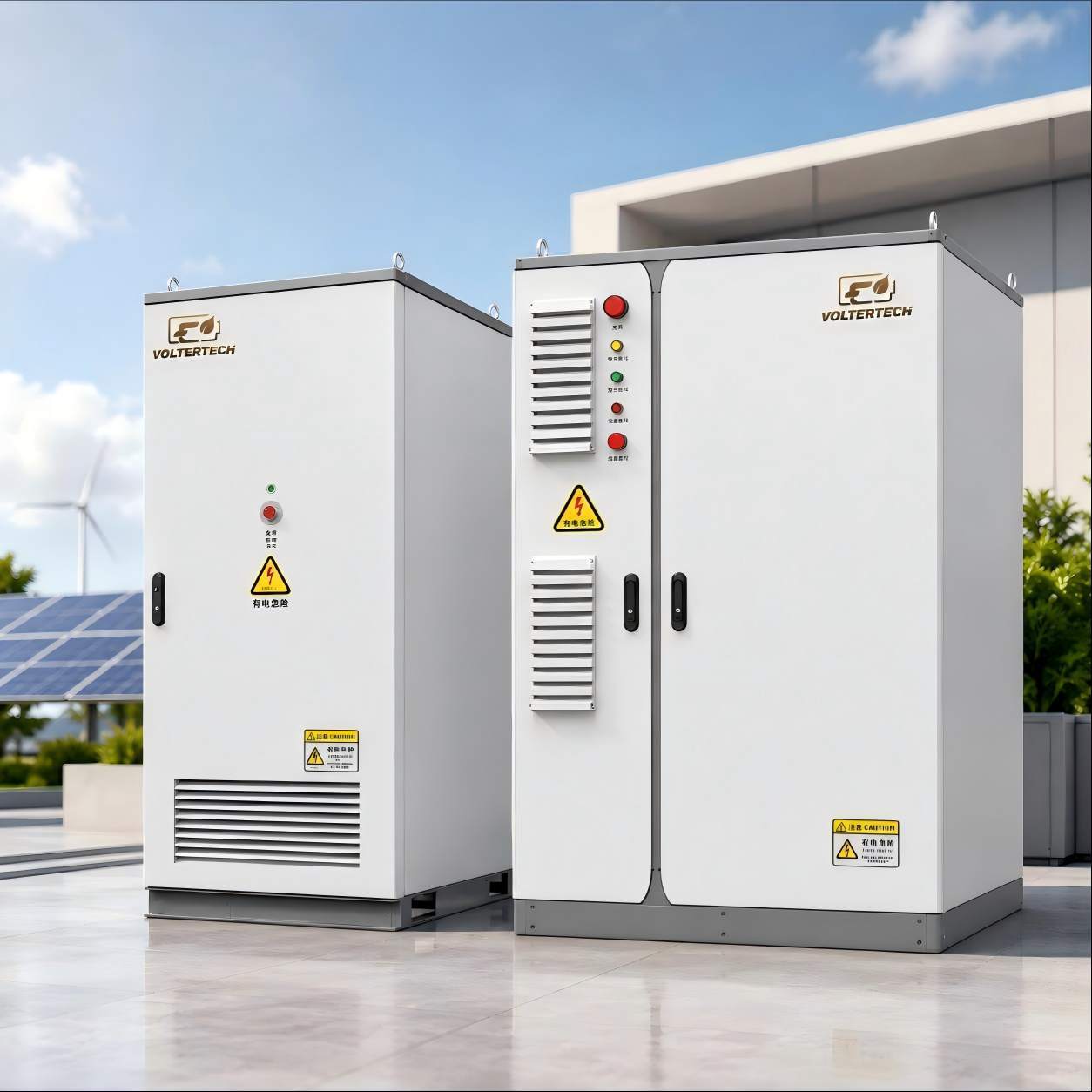
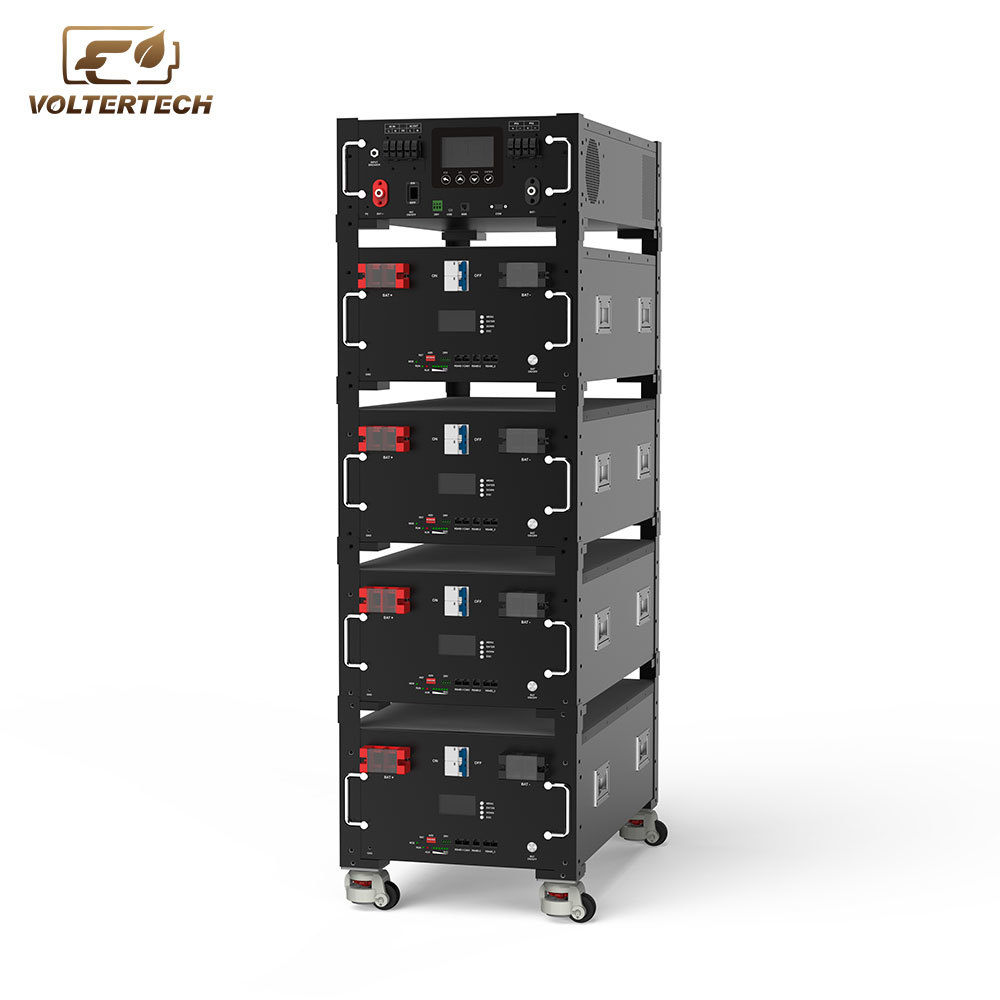
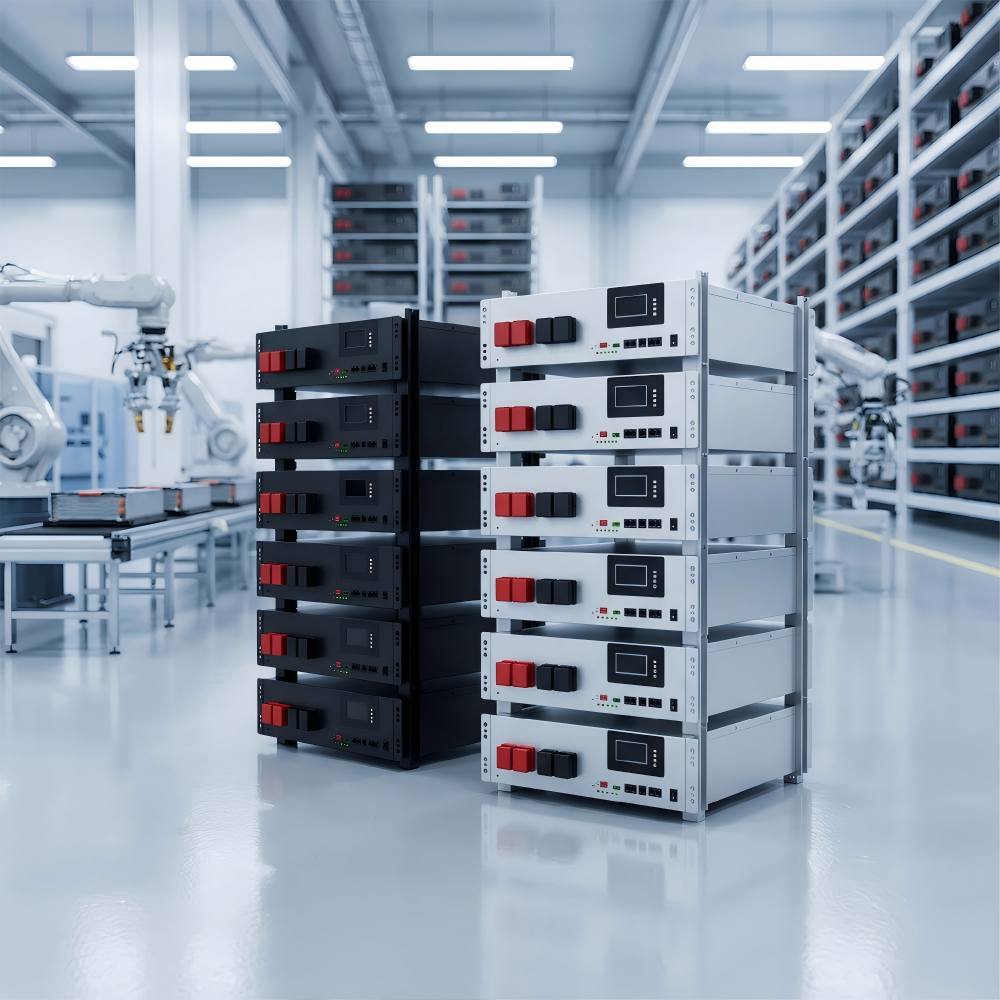
125kW 261kWh Liquid Cooled Industrial Battery Storage System.
Designed for commercial and industrial sites with higher power demand, this liquid cooled battery storage system combines 125kW rated output with 261kWh of energy capacity. It is suitable for industrial peak load management, solar energy shifting and applications where businesses need substantial power output over a practical daily storage period.
Commercial and industrial facilities can experience short periods of high electricity demand that have a significant impact on overall grid consumption and operating costs. With 125kW rated output, the system is positioned for applications requiring more power than smaller C&I storage cabinets.
Typical projects can include manufacturing facilities, commercial complexes, EV charging locations and other sites where energy storage is used to support high-load operating periods.
The combination of 261kWh energy capacity and 125kW rated output provides a nominal energy-to-power ratio of approximately 2.1 hours. This profile can be useful for commercial and industrial sites where peak demand or energy shifting requirements typically occur within a limited operating window.
Actual discharge duration depends on the site's load, battery operating limits, system efficiency, reserve settings and operating conditions. Project sizing should therefore be based on measured load data rather than nameplate capacity alone.
| Battery Chemistry | LiFePO4 |
| Total Capacity | 261kWh |
| Nominal Capacity | 314Ah |
| Nominal Voltage | 832V |
| Operating Voltage Range | 702V – 936V |
| Nominal Charging Current | 157A |
| Nominal Discharging Current | 157A |
| Cooling Mode | Liquid Cooling |
| Cycle Life | 8,000 Cycles |
| Calendar Life | 15 Years |
| Rated Output Power | 125kW |
| Maximum AC Current | 216A |
| Rated Operating Voltage | AC 230 / 400V |
| Grid Frequency | 50 / 60Hz |
| AC Harmonic Voltage | <3% |
| Operating Temperature | -20°C to +60°C |
| Storage Temperature | -30°C to +45°C |
| Operating Relative Humidity | 5% – 95% |
| Working Altitude | ≤2000m |
| Communication | LAN / RS485 / CAN |
| Protection Level | IP54 |
| Dimensions | 1400 × 1000 × 2399mm |
| Net Weight | Approx. 2.4T |
For factories and other high-consumption facilities with commercial solar PV, energy generated during periods of strong solar production can be stored and shifted to later operating periods. This helps businesses use more of their locally generated energy while adding flexibility to how power is supplied to the site.
The 125kW power rating also makes the system relevant for applications such as EV charging facilities and commercial sites where short-duration load peaks may exceed normal operating demand.
A 261kWh battery system should be considered when both the required energy capacity and instantaneous power demand match the project's operating profile. For industrial sites, the evaluation should include peak load, duration of peak demand, daily electricity consumption, solar PV production and the intended charging and discharging schedule.
For projects requiring greater energy capacity or power, multiple energy storage cabinets can be evaluated as part of a larger C&I storage solution.
The 125kW rating describes the system's rated power output, while 261kWh describes the nominal amount of energy stored. These two values should be evaluated together when determining whether the system matches a site's load and required discharge duration.
Dividing the nominal 261kWh capacity by 125kW gives approximately 2.1 hours. Actual operating time will be different because usable battery capacity, system losses, reserve settings, battery condition and changing load levels affect discharge duration.
It can be suitable for factories where the site's peak demand and required storage duration match the system's power and energy capacity. Load profile data should be reviewed before the final configuration is selected.
Battery storage can be used as part of an EV charging energy management solution to support periods of higher charging demand. The number and power rating of chargers, grid connection capacity and charging profile should be evaluated before system sizing.
Yes. It can be incorporated into a properly designed solar-plus-storage project to store available photovoltaic energy and shift it to later periods. PV capacity, load demand and system architecture should be evaluated together.
Yes. Stored energy can be discharged during selected peak-load periods to help manage grid demand. The effectiveness of the strategy depends on the facility's actual demand curve and required discharge duration.
Provide peak load in kW, daily electricity consumption in kWh, duration of major load peaks, grid voltage and frequency, operating hours, solar PV capacity and the main purpose of the storage project.
A multi-cabinet solution can be evaluated when greater capacity or power is required. The final configuration should consider site electrical architecture, total load demand, available installation space and energy management requirements.
The system has an IP54 protection rating. Final installation planning should also consider ambient temperature, humidity, foundation design, ventilation, electrical safety requirements and local installation standards.
Send us your peak load, daily electricity consumption, load profile, grid voltage, solar PV capacity and intended application. We can evaluate whether this power and storage configuration is suitable for your commercial or industrial site.
Request a C&I Storage Assessment