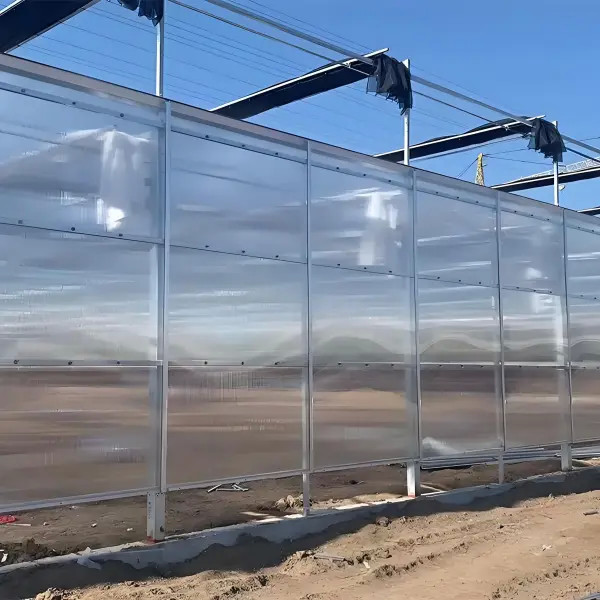
High-Tech Venlo Glass Greenhouse for Strawberry Hydroponics
| Attribute |
Value |
| Automation System |
Climate Control |
| Snow Load |
0.25KN/m2 |
| Shape |
Rectangular |
| Roof Height |
4 to 8 meter |
| Irrigation System |
Drip Irrigation |
| Ventilation |
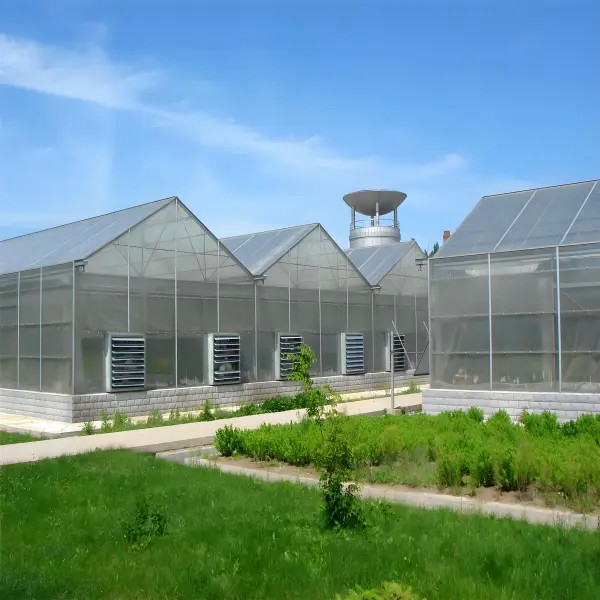
Roof Ventilation+side Ventilation |
| Type |
Glass Greenhouse |
| Top Height |
4.5m- 8m |
| Span |
6.0~12.0m(customization) |
| Produce Time |
Within 30days |
| Foundation |
Concrete/Steel |
| Cooling System |
Shade Nets |
| Crop Type |
Vegetables/Flowers |
| Ventilation System |
Side Vents |
| Roof Type |
Gable |
Introduction
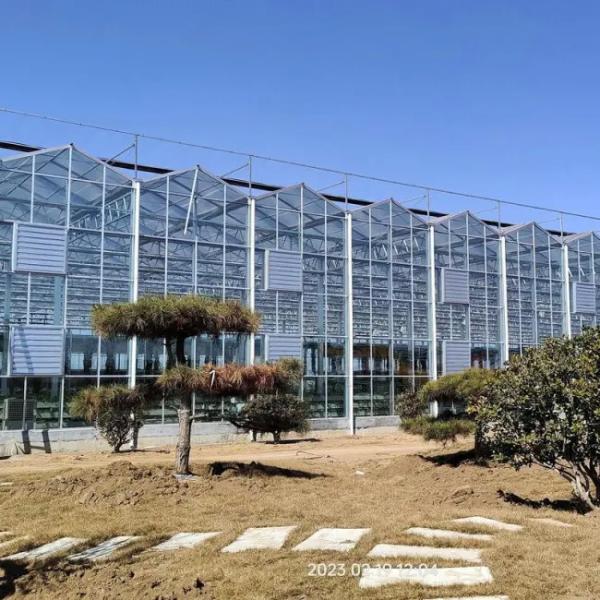
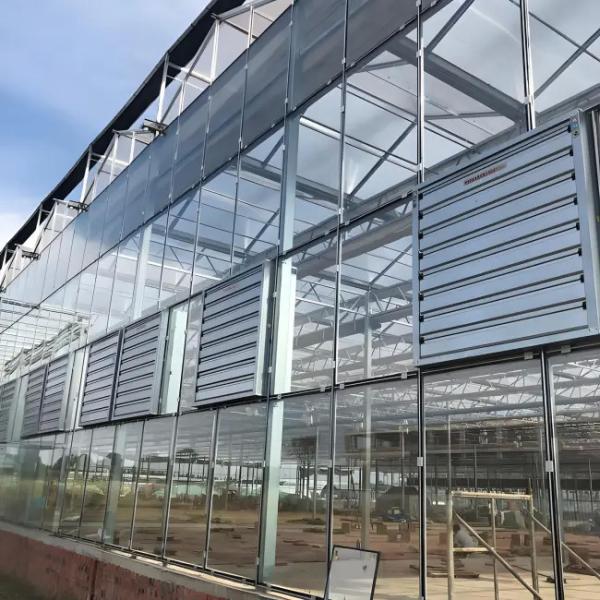
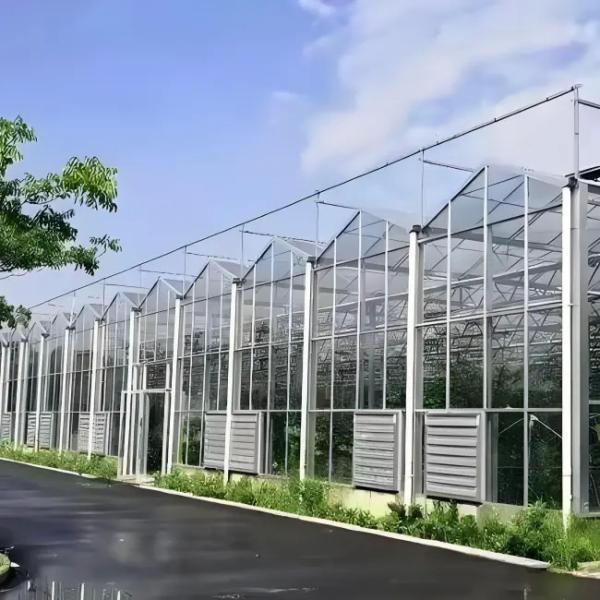
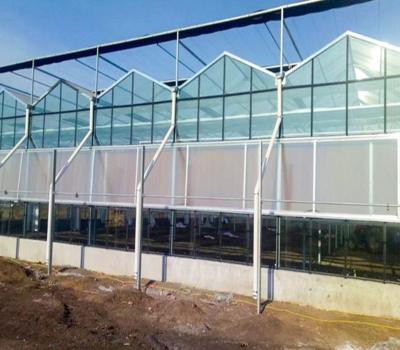
The Venlo-type glass greenhouse retains the same modular, gable-roofed Venlo design but uses high-quality glass (often tempered or float glass) as the covering. Its defining characteristics and advantages are:
- Optimal Light Transmittance: Glass provides exceptional clarity with light transmittance up to 95%, maximizing sunlight penetration--critical for high-light-demand crops like tomatoes, peppers, and roses, which thrive on intense, direct light.
- Long-Term Clarity & Maintenance: Glass has a smooth, non-porous surface that resists dirt, algae, and chemical buildup. This ensures consistent light transmission over time, requiring less frequent cleaning compared to PC boards.
- Structural Stability: Glass is rigid and robust, offering strong resistance to environmental stressors. It pairs well with large-scale Venlo designs, supporting extensive commercial operations where durability and longevity are priorities.
- Chemical Resistance: Glass is inert and unaffected by pesticides, fertilizers, or high humidity, making it ideal for environments with frequent chemical applications or high-moisture crops.
Support Systems
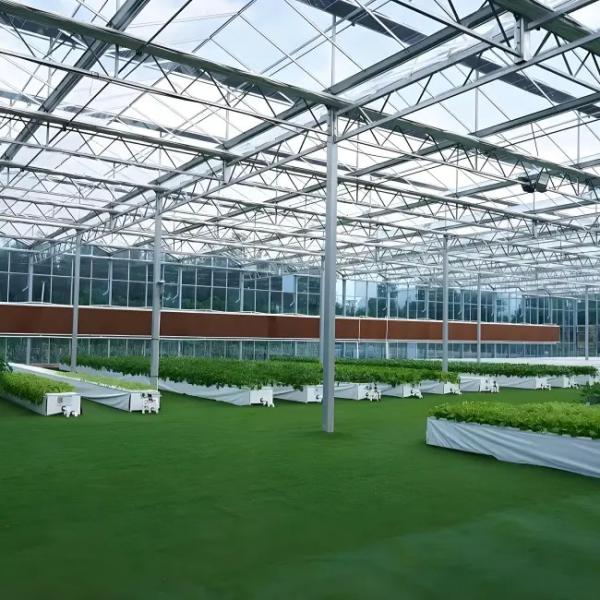
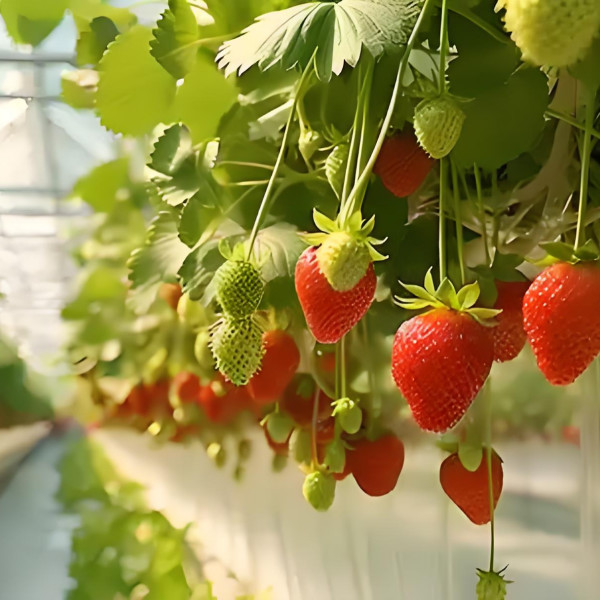
- Resource Efficiency: Significantly cuts water use (saves ~90% vs. soil-based) via nutrient-solution recycling. Allows vertical/stacked setups, boosting space efficiency (2-3x more plants per area).
- Growth & Management: Precise nutrient control speeds growth (shortens cycles by 10-15 days) and raises yields (30-50% higher). Separated from soil, it reduces soil-borne pests/diseases, slashing pesticide needs. Automated systems simplify environment (nutrients, temp, light) management.
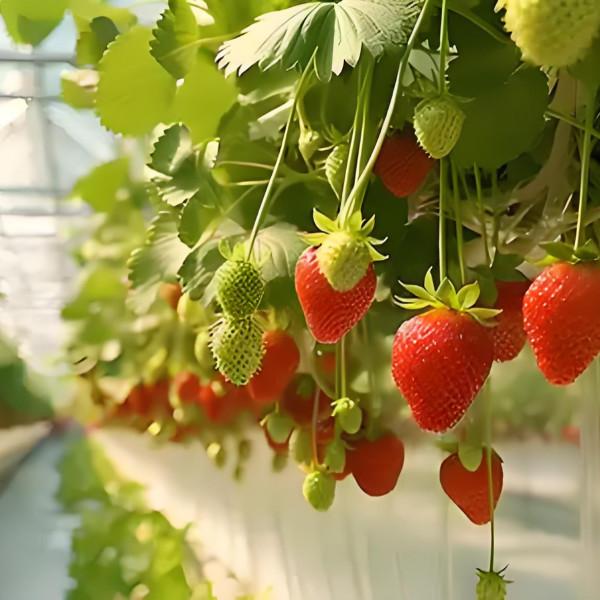
- Quality & Profit: Customized nutrients enhance flavor, color, and uniformity. Fewer inputs (pesticides, labor) plus premium pricing for high-quality produce boost profitability despite higher initial setup costs.