Polycarbonate Venlo Greenhouse for Flower With Shading Systems
Product Specifications
| Attribute |
Value |
| Structure |
Hot galvanized steel |
| Heating System |
Boiler or Geothermal |
| Foundation |
Concrete/Steel |
| Material |
Glass and Aluminum |
| Size |
Customizable |
| Lighting System |
LED or HPS |
| Frame |
Hot galvanized steel pipe |
| Produce Time |
Within 30days |
| Snow Load |
0.25KN/m2 |
| Shape |
Rectangular |
| Covering Material |
Single glass or hollow glass |
| Ventilation |
Automatic |
| Control System |
Computerized |
| Wall Type |
Double-layered |
| Roof Height |
4 to 8 meter |
Product Description
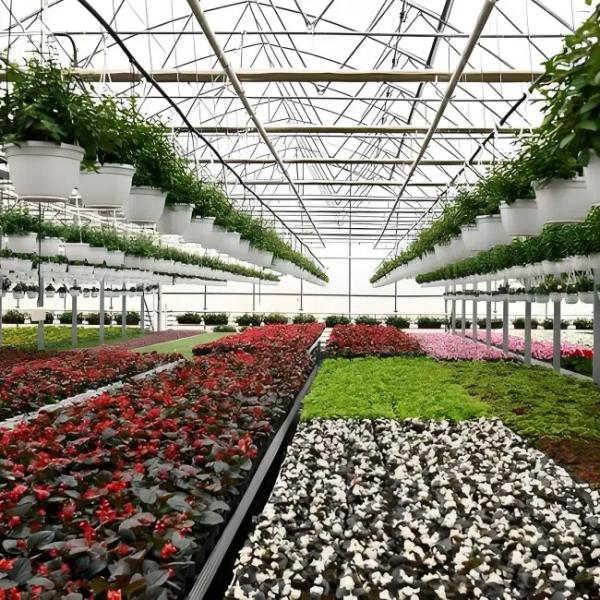
Polycarbonate Venlo Greenhouse for Flower Hydroponics Durable
Introduction
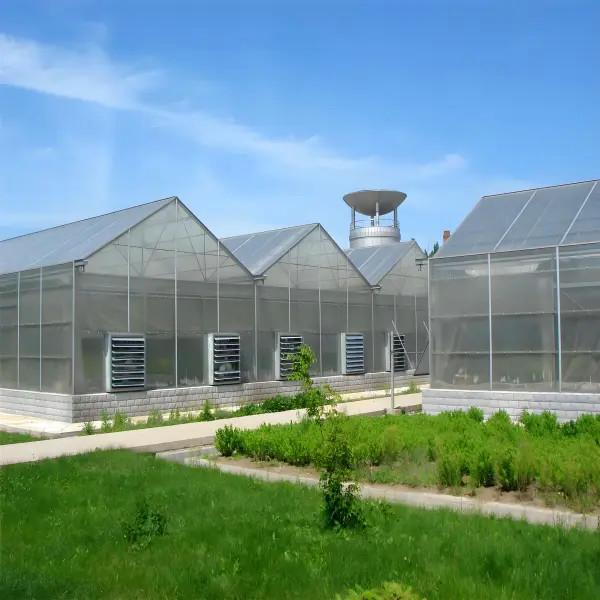
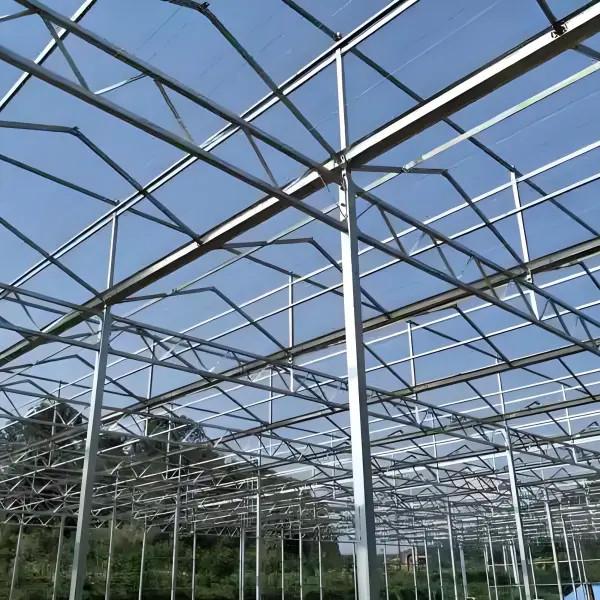
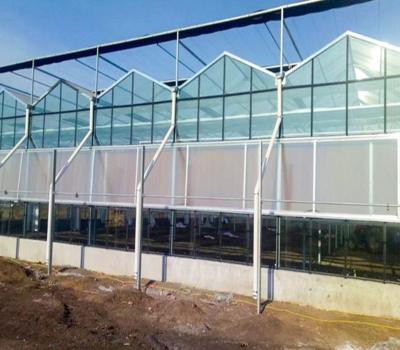
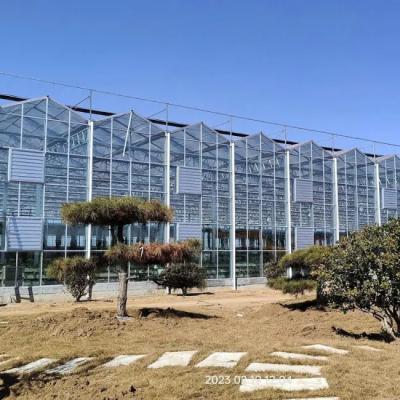
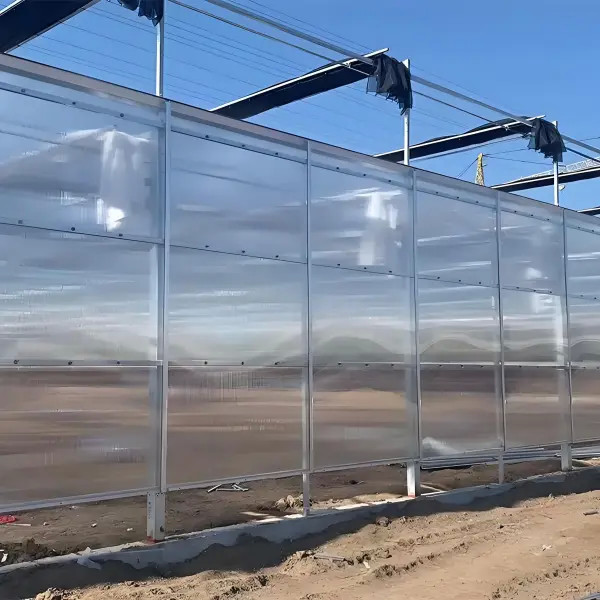
The Venlo-type PC board greenhouse is a modular, gable-roofed structure characterized by its use of polycarbonate (PC) panels as the primary covering material. Its key features and advantages include:
- Light Performance: PC boards offer excellent light transmittance (80-90%) while diffusing sunlight evenly. This diffused light reduces the risk of leaf scorching, ensuring uniform growth across all crops, which is particularly beneficial for seedlings and leafy greens.
- Insulation & Energy Efficiency: Multi-layer PC panels provide superior thermal insulation compared to glass, minimizing heat loss in cold weather and reducing the need for excessive heating. This lowers energy consumption and operational costs.
- Durability & Safety: PC boards are shatter-resistant, lightweight, and highly resistant to impacts (e.g., hail, wind) and UV radiation, extending the greenhouse's lifespan. Their lightweight nature also reduces structural stress, making the design easier to expand or modify.
- Cost-Effectiveness: Generally more affordable than glass in both material and installation costs, making it a practical choice for small to medium-scale operations or regions with harsh weather conditions.
Support Systems
- Temperature Regulation: They reduce excessive sunlight penetration, preventing overheating in hot weather, which protects plants from heat stress and maintains optimal growing temperatures.
- Light Control: Adjustable shading allows precise management of light intensity, shielding sensitive crops (e.g., leafy greens) from sunburn while ensuring adequate light for photosynthesis.
- Energy Efficiency: By lowering internal temperatures, they reduce the need for cooling systems (like fans or evaporative coolers), cutting energy costs.
- Crop Protection: Minimizes water loss from plants and substrates through reduced evaporation, conserving water and maintaining consistent moisture levels.
- Extended Growing Seasons: Enables cultivation in regions with intense sunlight or during peak summer months, supporting year-round production of heat-sensitive crops.