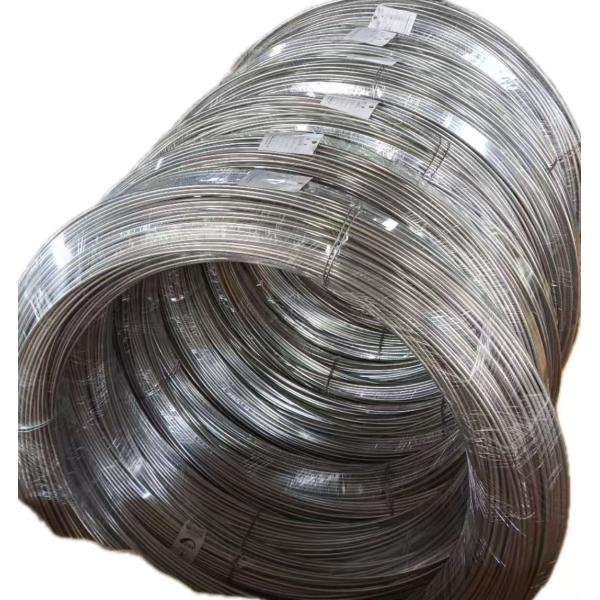
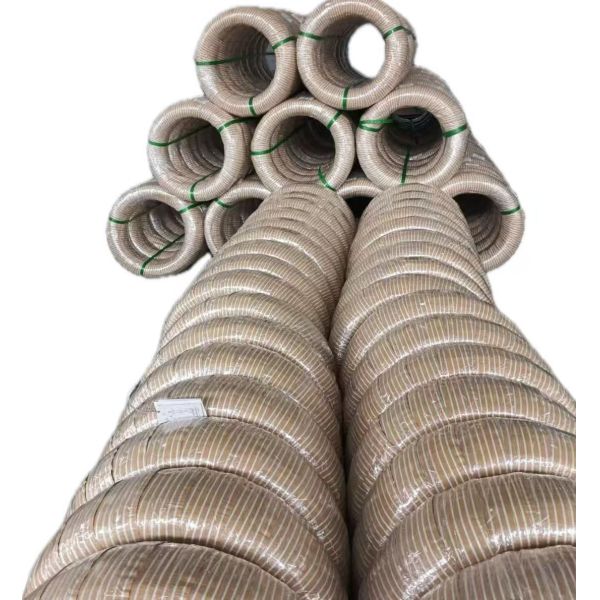
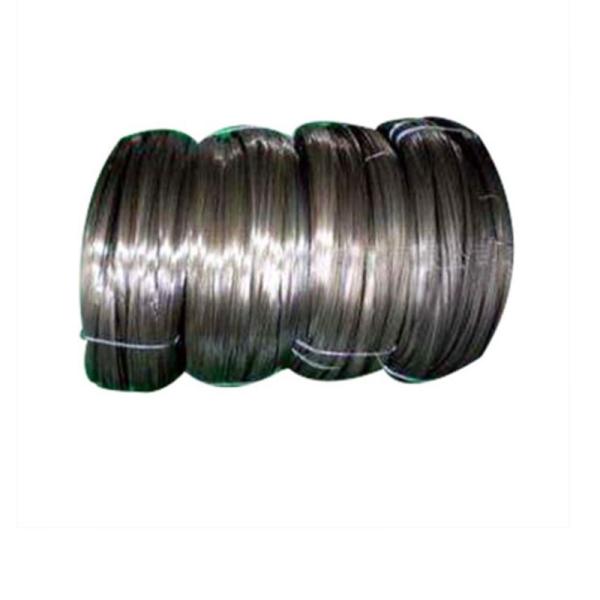
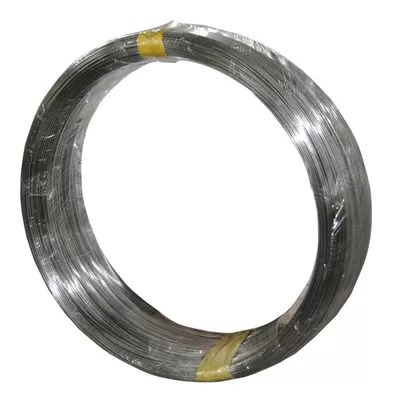
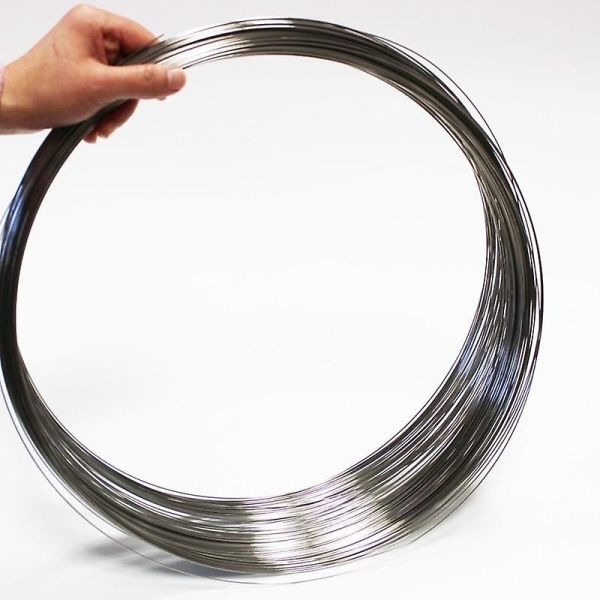
AISI 302 stainless steel spring wire is designed for manufacturers producing compression springs, extension springs, torsion springs and other wire-formed components.
As a commonly used austenitic stainless steel grade, AISI 302 is selected for spring applications where stainless steel material properties, forming requirements and corrosion resistance need to be considered together.
TOPONE supplies AISI 302 stainless steel spring wire in a 0.15–12 mm diameter range. The wire can be provided with different surface finishes, including bright and soap-coated surfaces, according to the customer's spring forming process and application requirements.
For spring manufacturing, selecting suitable wire requires consideration of material grade, wire diameter, mechanical condition, surface finish, forming method and working environment.
| Parameter | Specification |
|---|---|
| Product Name | AISI 302 Stainless Steel Spring Wire |
| Material Grade | AISI 302 / SUS302 |
| Diameter Range | 0.15–12 mm |
| Wire Type | Round Stainless Steel Wire |
| Surface Finish | Bright / Soap Coated |
| Condition | Spring Temper / Cold Worked |
| Processing | Wire Drawing + Cold Working |
| Standard | ASTM / AISI / DIN / EN / JIS / GB |
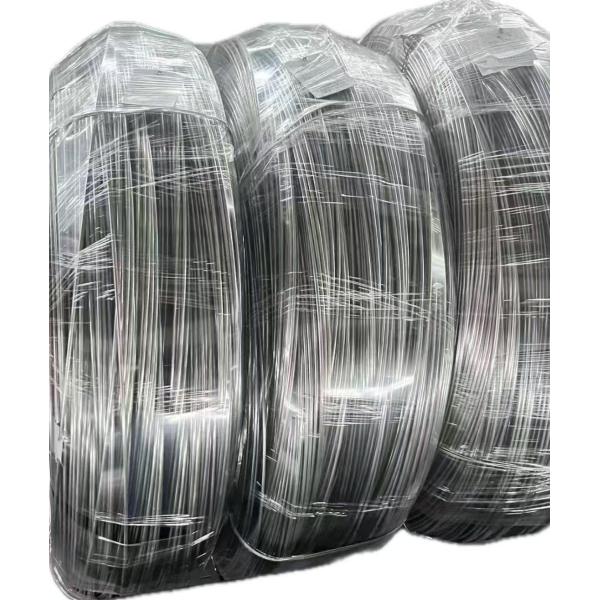
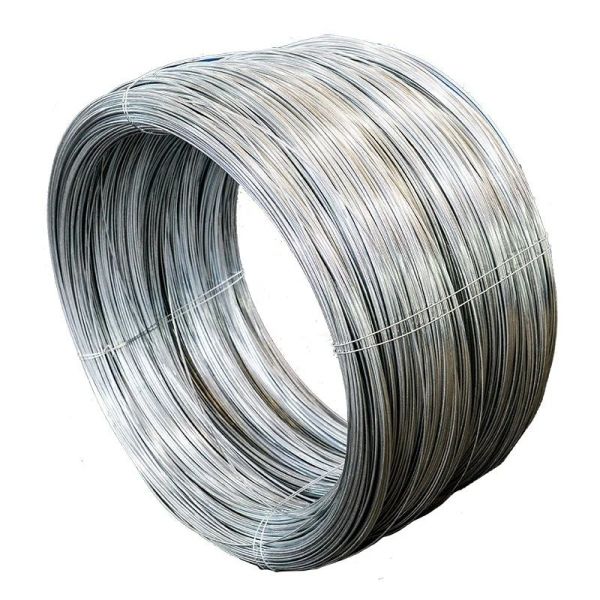
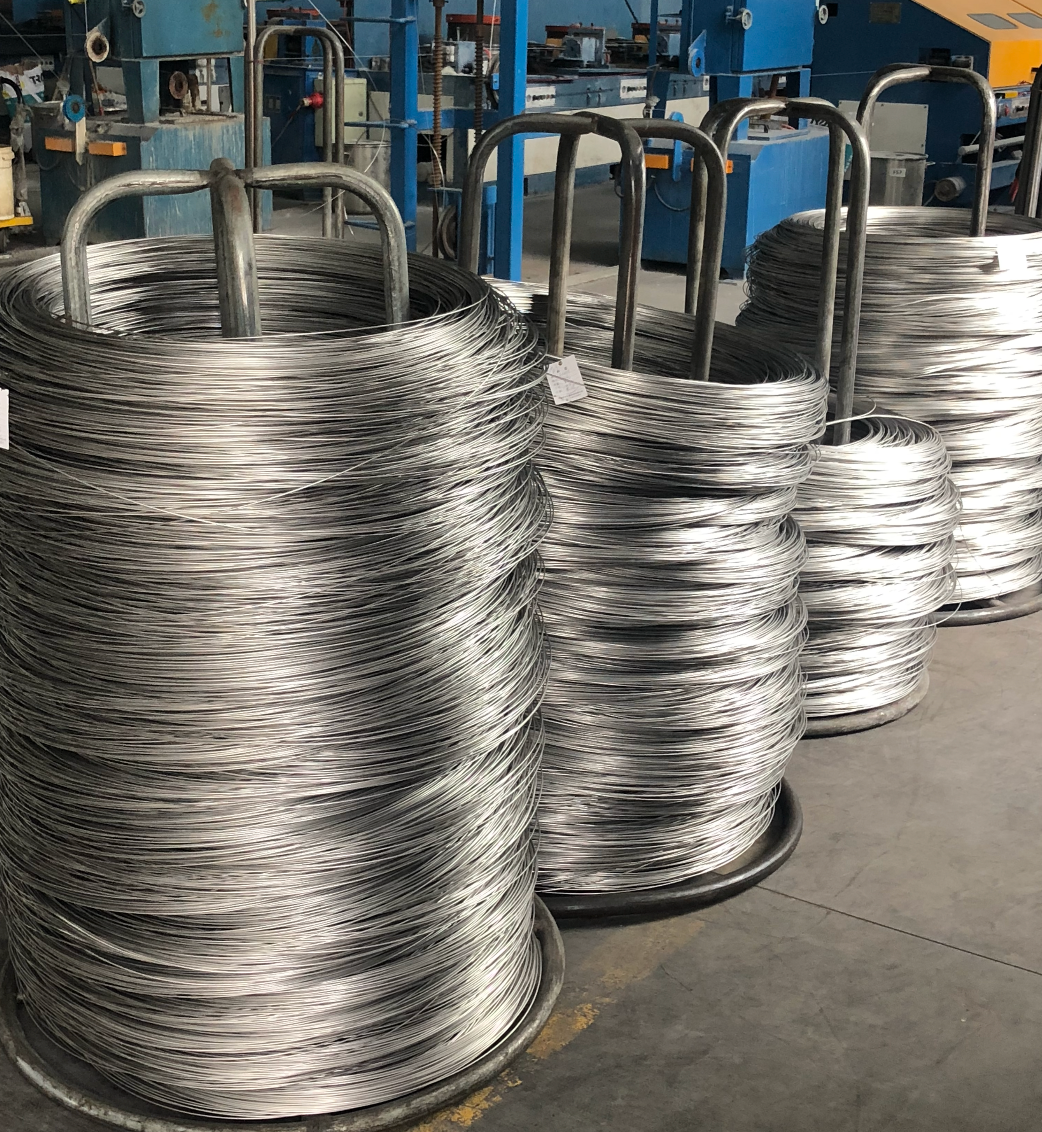
| Packing | Coil / Spool / Customized Packing |
| Certification | ISO 9001:2015 |
| Application | Springs / Wire Forming Components / Industrial Parts |
AISI 302 is commonly used in cold-worked wire and spring manufacturing applications.
The final spring performance depends on multiple factors, including wire diameter, mechanical condition, spring design, forming process and service environment.
For this reason, spring wire selection should be based on the complete application requirements rather than material grade alone.
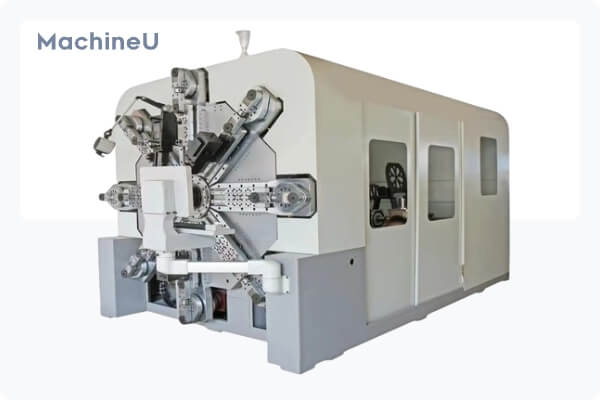
During spring manufacturing, stainless steel wire is processed through coiling, bending or other forming operations.
The wire specification should be matched with the forming equipment, tooling design and finished spring requirements to achieve the desired component dimensions.
Bright surface wire provides a clean metallic appearance and is suitable for applications where surface condition and appearance are important.
It can be selected for:
Precision springs
Visible wire components
Industrial formed parts
Soap-coated wire provides a lubricated surface condition that can be considered for spring coiling and forming processes where additional lubrication is required.
The suitable coating condition should be selected according to the forming equipment, tooling and production requirements.
AISI 302 stainless steel spring wire can be used for manufacturing compression springs designed for mechanical assemblies and industrial equipment.
The wire diameter, spring geometry and mechanical condition should be selected according to the required load and working conditions.
The wire can be formed into extension springs used in various mechanical applications.
The final specification depends on spring design, end configuration and operating requirements.
AISI 302 spring wire can also be used for torsion spring manufacturing where the wire is formed to provide rotational force.
The appropriate wire specification should match the required torque, spring dimensions and forming process.
The wire can also be processed into:
Clips
Hooks
Retaining parts
Industrial wire forms
Precision formed components
AISI 302 provides a defined stainless steel material option for spring manufacturing and cold-worked wire applications.
Material selection should be based on corrosion requirements, forming process, mechanical requirements and application conditions.
TOPONE supplies AISI 302 stainless steel spring wire from 0.15–12 mm, covering different requirements from fine springs to larger industrial wire-forming applications.
Different surface finishes are available according to spring coiling conditions, lubrication requirements and final application needs.
The wire can be specified for:
Compression springs
Extension springs
Torsion springs
Coil springs
Customized wire-formed components
Spring wire specifications can be defined according to:
Material grade
Wire diameter
Diameter tolerance
Surface condition
Mechanical requirements
Applicable standard
Application
This provides a clear technical basis for production and inspection.
Identify whether the component is a compression spring, extension spring, torsion spring or another formed wire component.
Wire diameter should match the spring design, forming equipment and required mechanical performance.
TOPONE provides AISI 302 spring wire in a 0.15–12 mm diameter range.
The spring condition should be selected according to the forming process, spring design and required performance.
Bright or soap-coated surfaces can be selected according to lubrication requirements, equipment conditions and finished product appearance.
For customized production, customers should provide:
Material grade
Diameter
Tolerance
Surface finish
Standard
Quantity
Spring application
Spring performance depends on the relationship between wire material, diameter, forming process and finished spring design.
A suitable stainless steel spring wire specification helps manufacturers match the wire characteristics with the required component geometry and production process.
Therefore, material grade, wire diameter, mechanical condition and surface condition should be evaluated together before production.
TOPONE supplies AISI 302 stainless steel spring wire for industrial spring manufacturing and wire forming applications.
Products can be supplied according to international standards including ASTM, AISI, DIN, EN, JIS and GB requirements.
For technical evaluation, customers can provide the required material grade, wire diameter, surface condition, quantity, standard and application requirements.
AISI 302 stainless steel spring wire is stainless steel wire used for spring manufacturing and cold-worked wire applications.
TOPONE supplies AISI 302 stainless steel spring wire in a 0.15–12 mm diameter range.
Bright and soap-coated surface options are available according to forming and application requirements.
It can be used for compression springs, extension springs, torsion springs, coil springs and other wire-formed components.
Customers should provide material grade, diameter, quantity, surface condition, standard, mechanical requirements and application information.