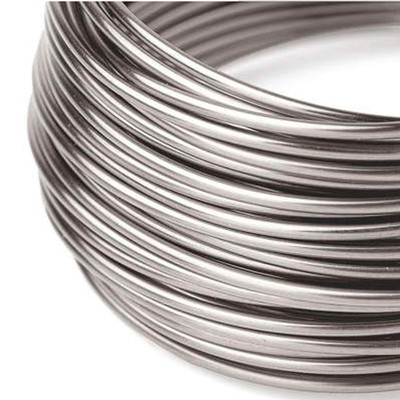
TOPONE Wire supplies cold drawn stainless steel spring wire in diameters from 0.15 to 12 mm, with bright and matte surface options and multiple stainless steel grades available according to application requirements.
Cold drawing is used to reduce the wire diameter and control the dimensional characteristics of stainless steel wire. The mechanical condition and tensile strength can be specified according to the selected grade, diameter, applicable standard, and spring manufacturing requirements.
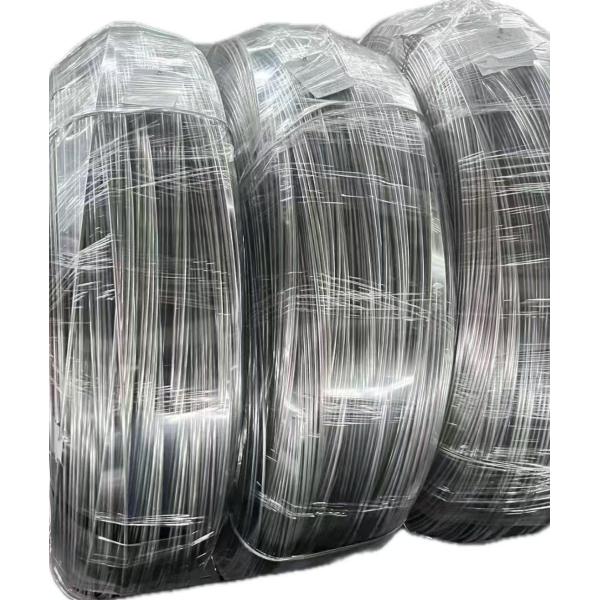
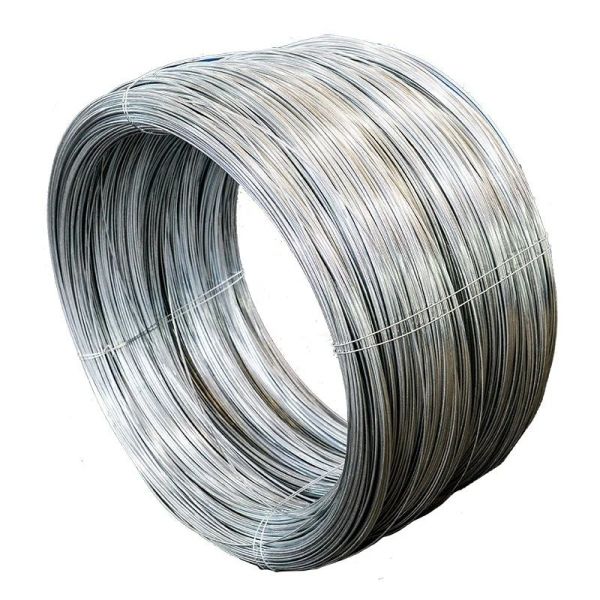
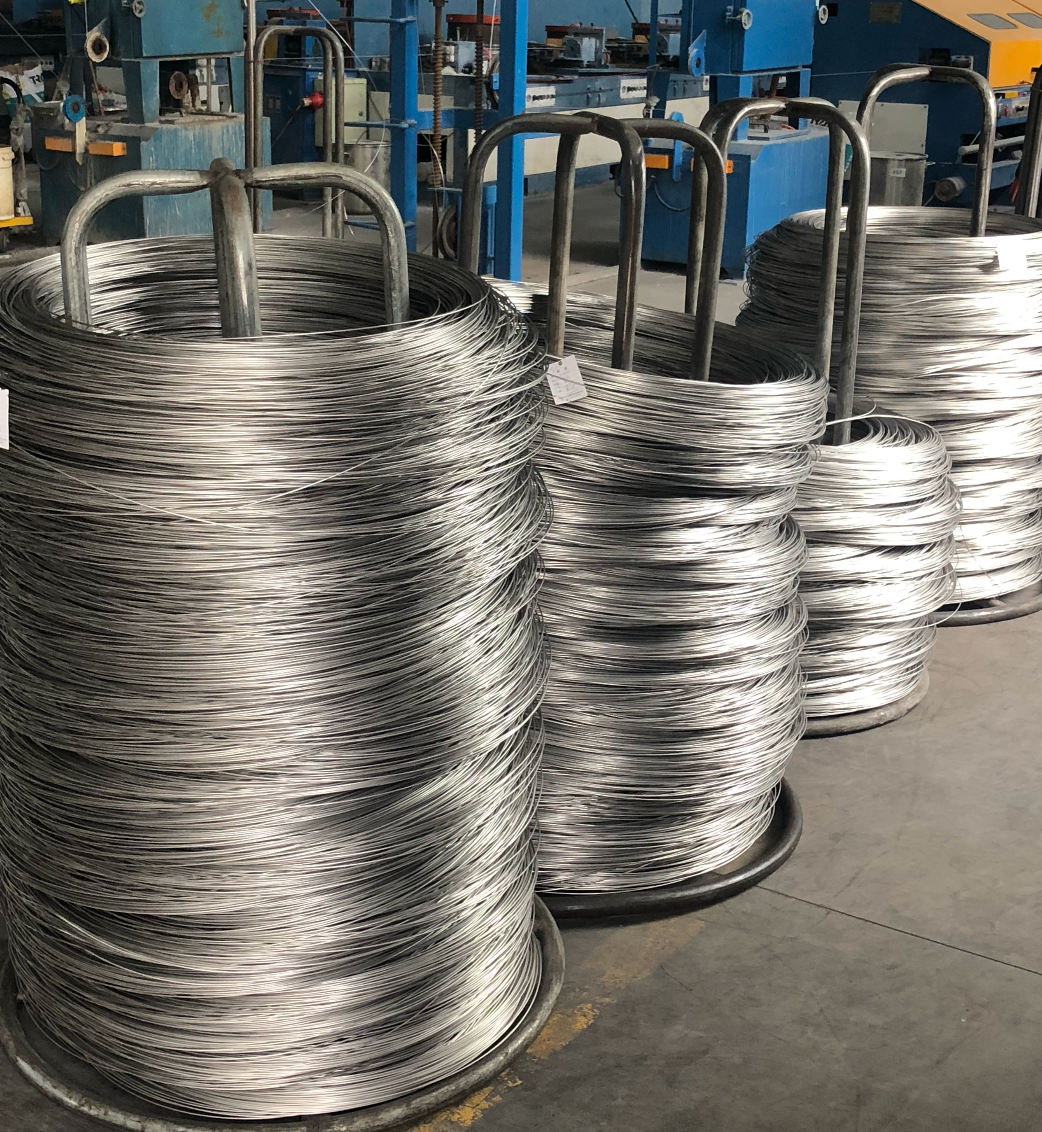
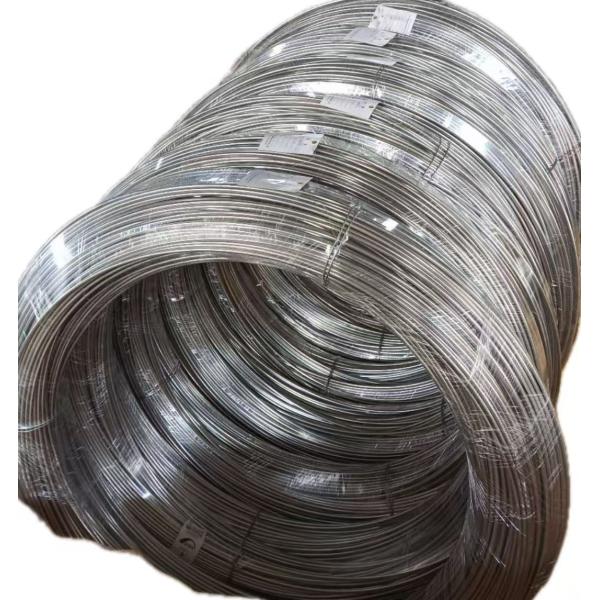
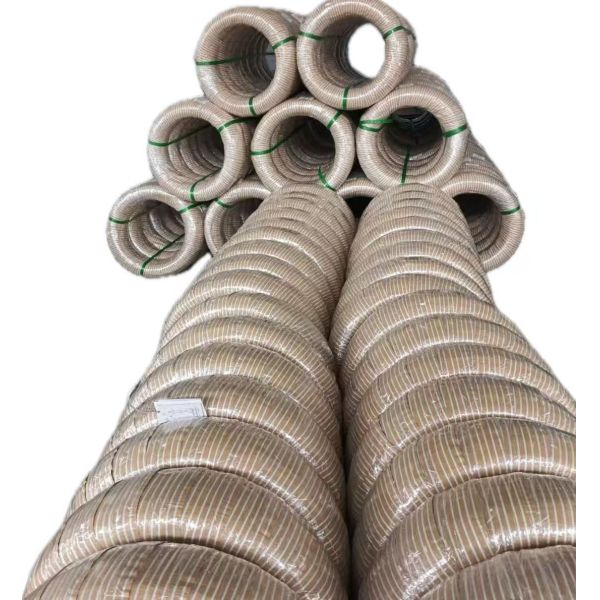
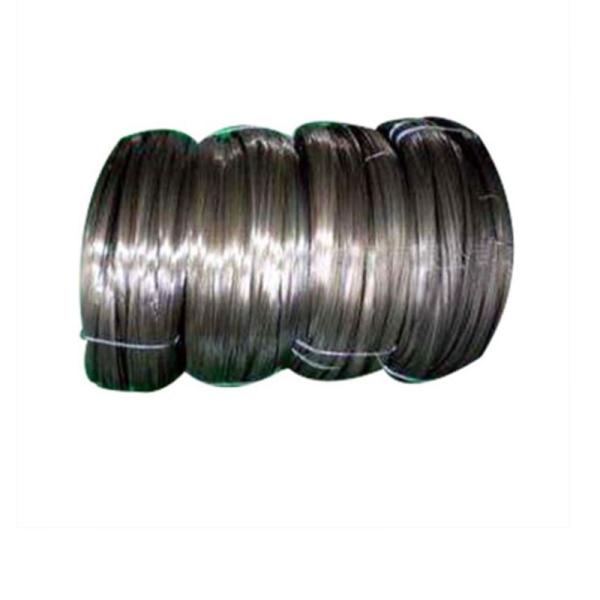
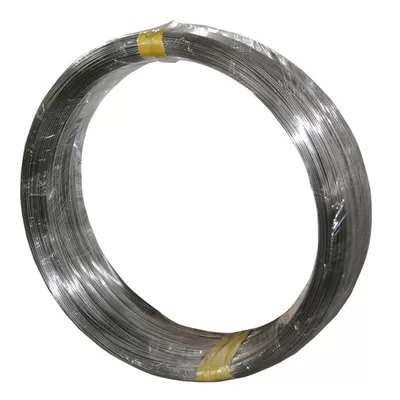
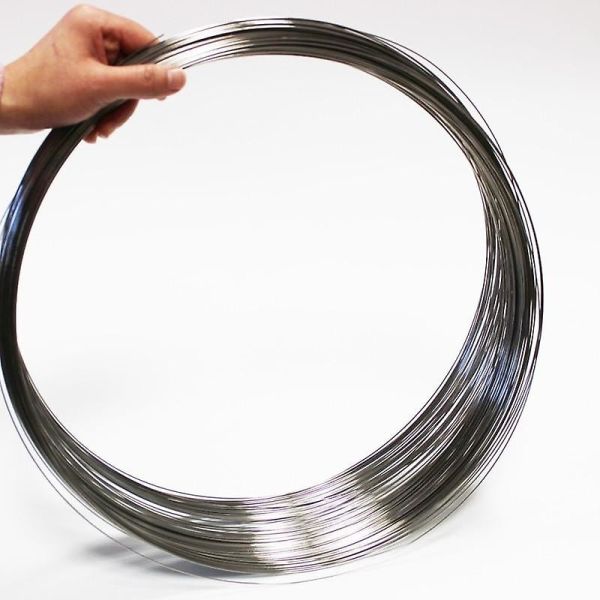
The wire can be supplied in coil or spool form for spring coiling, wire forming, and other secondary processing applications.
Available grades include selected stainless steel grades such as 201, 302, 304, 304H, and 316, subject to the required specification and production condition.
| Item | Specification |
|---|---|
| Product Name | Cold Drawn Stainless Steel Spring Wire |
| Material | Stainless Steel |
| Diameter | 0.15–12 mm |
| Featured Process | Cold Drawn |
| Surface | Bright / Matte / Soap Coated, according to requirement |
| Available Grades | 201, 302, 304, 304H, 316 and selected grades |
| Mechanical Condition | According to grade and application |
| Tensile Strength | Customized according to specification |
| Standards | ASTM, AISI, EN, DIN, JIS, GB/T |
| Supply Form | Coil / Spool |
| Packaging | Coil / Spool / Pallet |
| Applications | Springs, Wire Forms, Automotive Components, Industrial Components |
| Certification | ISO and inspection documents according to order requirements |
Cold drawing is a mechanical reduction process in which stainless steel wire is drawn through a die to obtain the required diameter and dimensional characteristics.
The drawing process can influence the mechanical condition of the wire because cold working changes the material's strength and work-hardening state.
For spring wire, the drawing schedule and final mechanical condition should therefore be considered together with:
Material grade
Starting wire size
Final diameter
Number of drawing passes
Heat-treatment requirements
Tensile strength
Surface condition
Dimensional tolerance
The exact processing route should be determined according to the selected stainless steel grade and required final specification.
Different grades can be selected according to mechanical requirements, corrosion environment, forming process, and application.
302 is commonly used for stainless steel spring wire and other formed components where cold-worked mechanical properties are required.
304 is a widely used austenitic stainless steel grade for spring and wire-forming applications. It is commonly considered when corrosion resistance and forming characteristics are required.
316 contains molybdenum and is commonly selected for applications where exposure to chloride-containing or more demanding environments needs to be considered.
201 can be considered for selected spring and wire-forming applications where its material characteristics and service environment are suitable.
The appropriate grade should be selected based on the actual working environment rather than material grade alone.
Bright stainless steel wire is suitable for applications where surface appearance and cleanliness are important.
The surface condition can also affect subsequent processing such as spring coiling, forming, cleaning, or assembly.
Soap-coated wire provides a lubricated surface condition for selected wire-forming and spring-coiling processes.
It can be considered when friction between the wire and forming equipment needs to be controlled during processing.
A matte surface can be supplied for applications where a bright appearance is not required or where a different surface condition is preferred for subsequent processing.
The required surface should be confirmed according to the customer's forming equipment and final application.
TOPONE supplies cold drawn stainless steel spring wire in diameters from 0.15 to 12 mm.
The diameter should be selected according to the spring design and manufacturing process.
For spring applications, important factors include:
Wire diameter
Mean coil diameter
Spring index
Working load
Deflection
Working stress
Required service cycles
Operating environment
A larger or smaller wire diameter does not automatically indicate better spring performance. The final diameter should be determined from the finished spring design and required mechanical properties.
Cold drawn stainless steel wire can be used for compression springs, extension springs, torsion springs, and other spring components.
The required grade, diameter, tensile strength, and surface condition should be selected according to the spring design.
The wire can be processed into clips, hooks, retainers, brackets, and other formed wire components.
Selected automotive springs, clips, retainers, and formed wire components can use stainless steel wire where the required mechanical and environmental properties are met.
Cold drawn stainless steel wire can be used as raw material for industrial springs and formed wire components requiring controlled diameter and specified mechanical properties.
Selected stainless steel wire grades and diameters can also be processed into mesh, racks, filtration components, and other wire products.
The available 0.15–12 mm range covers fine wire and larger industrial wire requirements.
The final diameter can be selected according to the spring design, forming process, and dimensional requirements.
Cold drawing provides a controlled process for reducing wire diameter and developing the required mechanical condition.
The final mechanical properties depend on the stainless steel grade, reduction, heat treatment, and agreed specification.
Different grades including 201, 302, 304, 304H, and 316 can be considered for different application requirements.
Grade selection should take into account mechanical properties, corrosion environment, forming method, and applicable standards.
Bright, matte, and soap-coated surface options can be specified according to the processing and final application requirements.
The wire can be supplied in coils or spools according to wire diameter, production equipment, transportation, and handling requirements.
Production requirements can be defined by:
Stainless steel grade
Diameter
Tensile strength
Mechanical condition
Surface condition
Applicable standard
Coil or spool weight
Packaging
This allows the wire specification to be matched to the customer's manufacturing process.
For cold drawn stainless steel wire, quality control should focus on measurable product characteristics.
Inspection can include:
Material grade verification
Chemical composition
Wire diameter
Dimensional tolerance
Tensile strength
Mechanical condition
Surface condition
Coil or spool weight
Packaging condition
Inspection documents can be supplied according to the agreed specification and applicable standard.
For production orders, the material grade, diameter, tolerance, tensile strength, surface condition, and packaging should be confirmed before manufacturing.
Choose the grade according to the working environment, forming process, and required mechanical properties.
Specify the required diameter within the 0.15–12 mm supply range.
For spring applications, diameter should be determined together with spring geometry and working load.
Specify the required tensile strength or mechanical condition rather than using only general terms such as "hard" or "soft."
Choose bright, matte, or soap-coated surface according to the spring-coiling process and subsequent processing requirements.
Specify the applicable ASTM, AISI, EN, DIN, JIS, GB/T, or equivalent standard before production.
Coil or spool packaging should be selected according to the wire diameter, production equipment, transportation, and handling requirements.
| Factor | 302 | 304 | 316 |
|---|---|---|---|
| Material Type | Austenitic stainless steel | Austenitic stainless steel | Austenitic stainless steel with Mo |
| Spring Applications | Common | Common | Selected applications |
| Cold Work Hardening | Important | Important | Important |
| Corrosion Environment | General stainless applications | Broader general applications | More demanding environments |
| Selection Focus | Spring properties and forming | Forming and corrosion environment | Corrosion environment and spring requirements |
This comparison is for general material selection. The final grade should be determined according to the applicable standard and actual operating conditions.
For a quotation, provide:
Stainless steel grade
Wire diameter
Surface condition
Mechanical condition
Tensile strength requirement
Applicable standard
Quantity
Coil or spool requirement
Coil weight
Final application
For spring applications, providing the spring type, working load, and basic operating conditions can help determine the appropriate wire specification.
TOPONE supplies cold drawn stainless steel spring wire in diameters from 0.15 to 12 mm, subject to grade, mechanical condition, surface, and production requirements.
Available grades include selected grades such as 201, 302, 304, 304H, and 316. Other grades can be reviewed according to the required specification.
Cold drawn stainless steel wire is produced by drawing wire through a die to reduce its diameter and control its dimensional and mechanical characteristics.
Yes. The required tensile strength can be specified according to the stainless steel grade, diameter, mechanical condition, applicable standard, and final application.
Bright, matte, and soap-coated surfaces can be supplied according to the required production and application conditions.
Yes. Coil and spool packaging are available. The packaging method can be selected according to wire diameter, coil weight, production equipment, and handling requirements.
Cold drawn stainless steel spring wire can be supplied in coils or spools.
Packaging specifications should be confirmed according to wire diameter, coil weight, transportation method, and customer handling requirements.