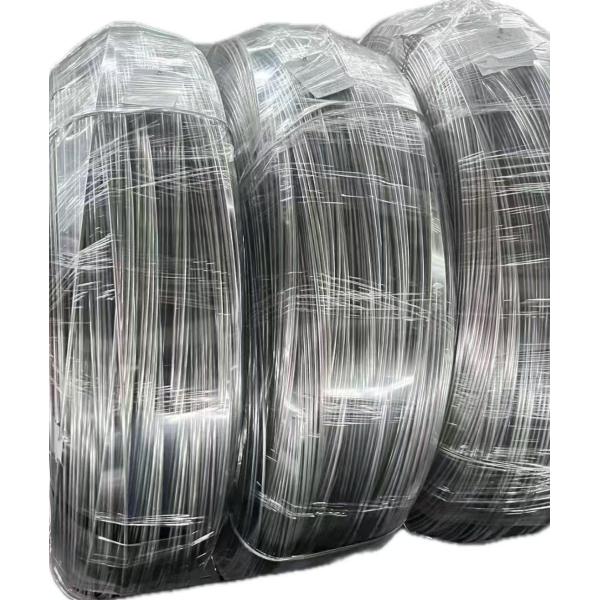
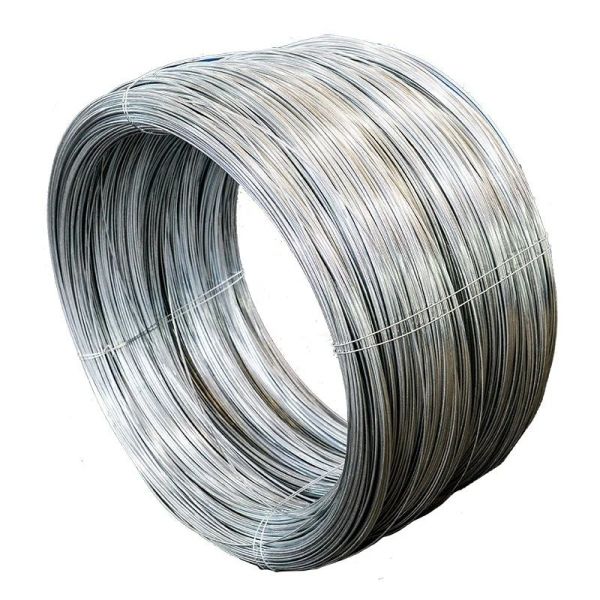
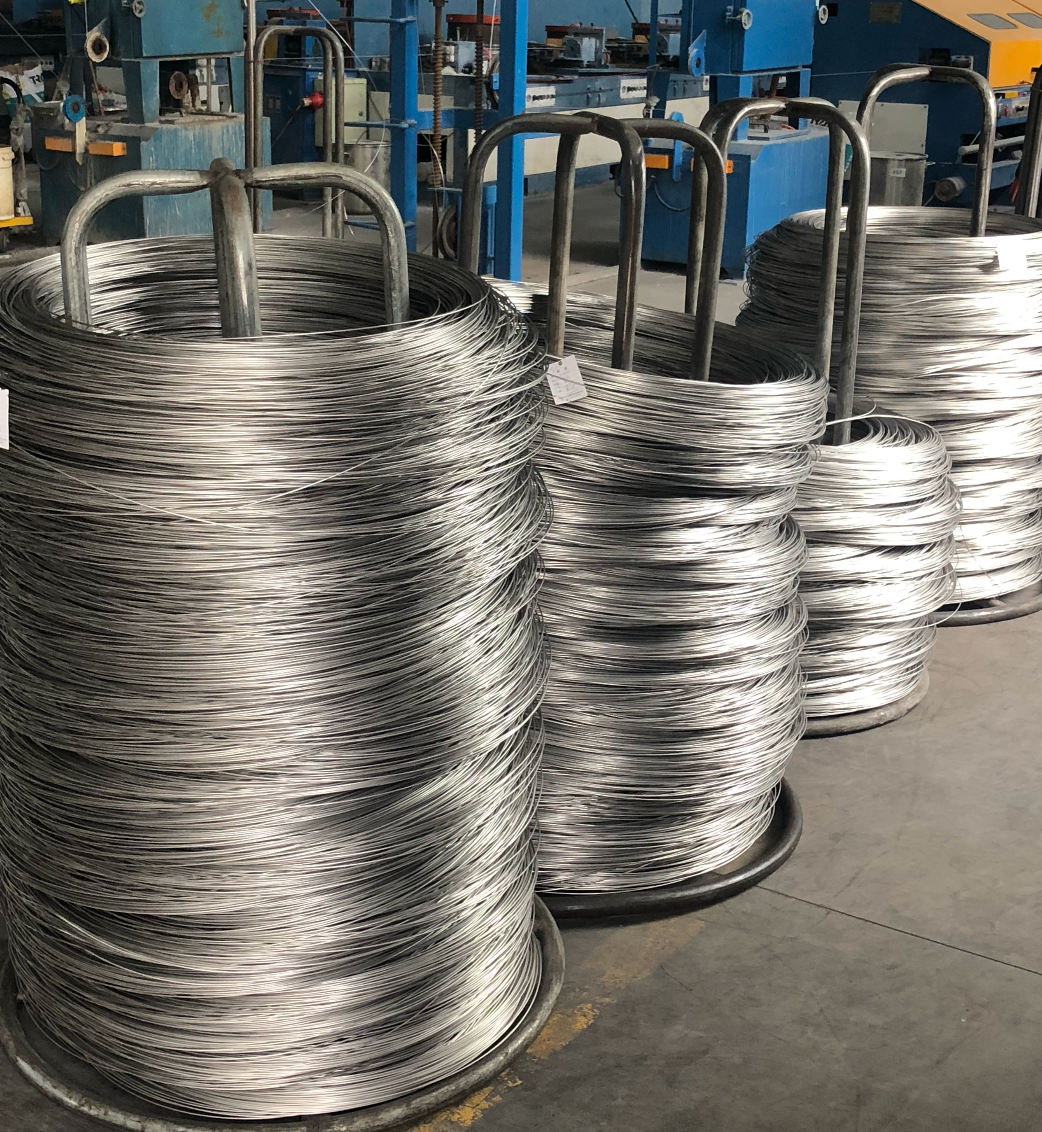
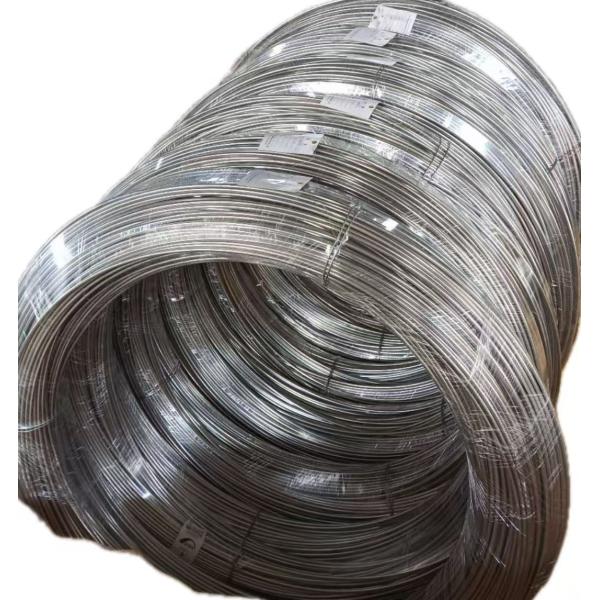
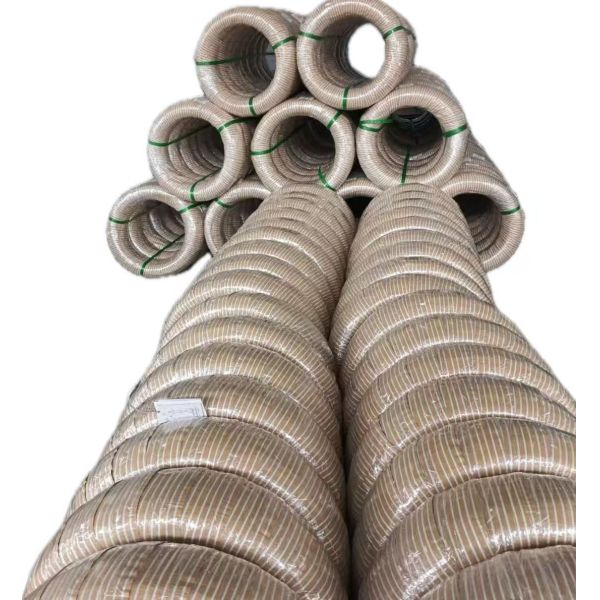
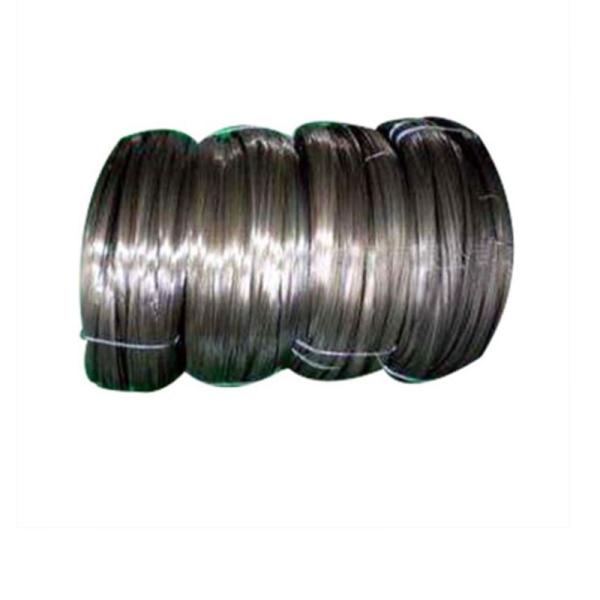
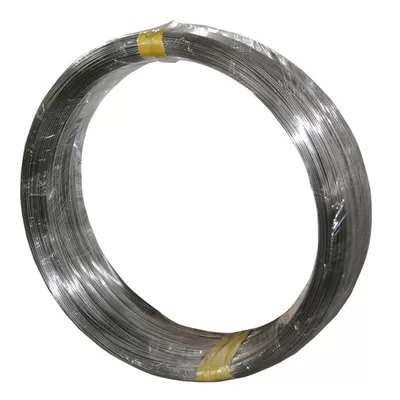
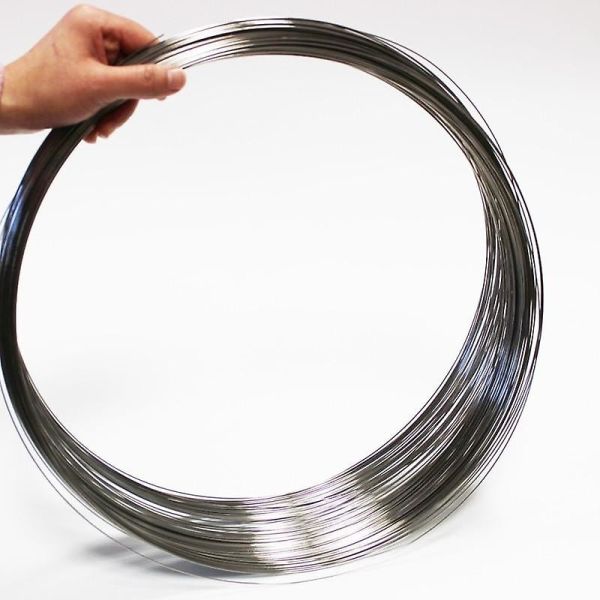
302 Stainless Steel Spring Wire is an austenitic stainless steel spring wire designed for industrial spring manufacturing and wire forming applications.
This spring wire is supplied in a hard condition for applications requiring the mechanical characteristics associated with cold-worked stainless steel spring wire. The material grade, wire diameter, mechanical condition and surface condition should be selected according to the requirements of the finished spring or formed wire component.
JIS Standard 302 stainless steel spring wire can be used for manufacturing compression springs, extension springs, torsion springs and other industrial spring components where a stainless steel spring wire is required.
| Parameter | Specification |
|---|---|
| Product | Stainless Steel Spring Wire |
| Material Grade | AISI 302 / Type 302 |
| Standard | JIS Standard |
| Material Family | Austenitic Stainless Steel |
| Condition | Hard |
| Wire Type | Round Spring Wire |
| Application | Industrial Spring Manufacturing |
| Spring Types | Compression, Torsion, Extension and Other Wire-Formed Springs |
| Surface | According to production requirements |
| Manufacturing Process | Cold Drawing / Spring Wire Processing |
| Packaging | Coil or customized packaging |
Note: Wire diameter, dimensional tolerance, tensile strength, surface condition and other mechanical requirements should be confirmed according to the specific product specification or purchase order.
Type 302 is an austenitic stainless steel grade commonly used in spring wire applications.
The material is suitable for applications where stainless steel material characteristics are required together with the mechanical properties obtained through cold working.
The hard condition is related to the cold-worked state of the wire. For spring manufacturing, the mechanical condition of the wire should be matched with the required forming process and final spring performance.
Actual mechanical properties should be evaluated according to the specified tensile strength, wire diameter, tolerance and applicable material standard.
302 stainless steel spring wire can be formed into different spring configurations according to the application requirements, including:
Compression springs
Extension springs
Torsion springs
Small industrial springs
Wire-formed spring components
Mechanical spring parts
The final spring design should determine the appropriate wire specification and mechanical condition.
The wire can be processed through spring coiling and other wire-forming operations. Forming performance depends on the wire condition, diameter, tensile strength, tooling and spring geometry.
For precision applications, dimensional tolerance and surface condition should be confirmed before production.
302 stainless steel spring wire can be used to manufacture compression springs for mechanical assemblies and industrial equipment.
The material can be formed into extension springs designed to operate under tensile loading, subject to the required spring dimensions and mechanical specifications.
The wire can also be used for torsion springs where the spring operates through rotational or twisting movement.
302 stainless steel spring wire is suitable for various wire-formed components used in machinery, equipment and industrial assemblies where a stainless steel spring material is required.
When selecting 302 stainless steel spring wire, buyers should consider more than the material grade alone.
Important specifications include:
Stainless steel grade
Wire diameter
Dimensional tolerance
Tensile strength
Hardness or mechanical condition
Surface condition
Applicable standard
Spring type
Spring geometry
Working load
Working deflection
Operating temperature
Service environment
Forming and coiling requirements
Matching these parameters with the finished spring design helps determine whether the selected wire condition is suitable for production.
For industrial spring wire, quality should be evaluated through measurable specifications.
Key inspection items may include:
Material grade and chemical composition
Wire diameter
Dimensional tolerance
Tensile strength
Surface condition
Mechanical condition
Applicable spring wire tests
Where a specific JIE standard is required, the relevant grade, mechanical condition, dimensional requirements and testing criteria should be confirmed according to the applicable specification.
Different spring designs place different requirements on the wire.
For compression springs, wire diameter, spring index, coil geometry and working load are important considerations.
For extension springs, the wire specification should be evaluated together with the required tensile loading and spring geometry.
For torsion springs, the wire condition and diameter should be matched with the required rotational load and forming process.
Therefore, selecting spring wire according to the actual spring design is more appropriate than selecting only by material grade.
302 stainless steel spring wire provides a defined stainless steel material grade and hard mechanical condition for industrial spring and wire-forming applications.
For B2B purchasing, the appropriate specification should be determined by combining material grade, wire diameter, mechanical condition, surface condition, applicable standard and finished spring requirements.
This approach helps manufacturers select a spring wire specification that matches their production process and intended application.
302 stainless steel spring wire is an austenitic stainless steel wire commonly used for manufacturing springs and other wire-formed components.
Hard condition generally refers to a cold-worked mechanical condition of the wire. The actual mechanical properties should be confirmed through the specified tensile strength and applicable product standard.
It can be used for compression springs, extension springs, torsion springs and other industrial wire-formed spring components.
302 stainless steel is commonly used for spring wire applications. Suitability for a specific application depends on wire diameter, mechanical condition, spring design and operating environment.
Buyers should provide the material grade, wire diameter, tolerance, tensile strength or mechanical condition, surface requirement, standard, application and required quantity.