1. Product Introduction
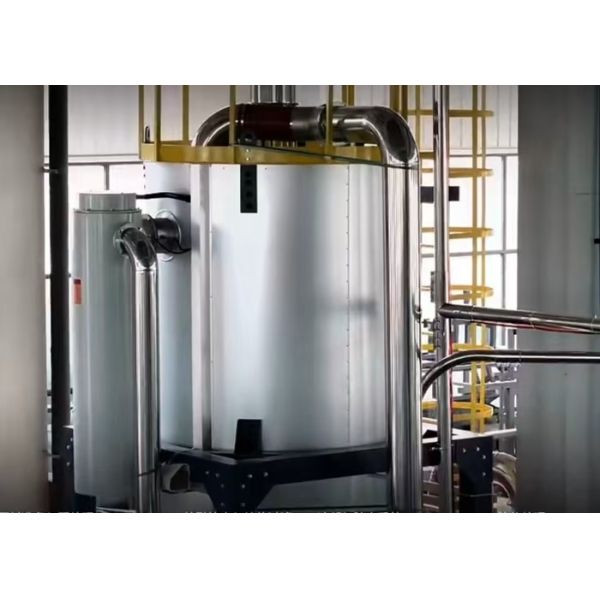
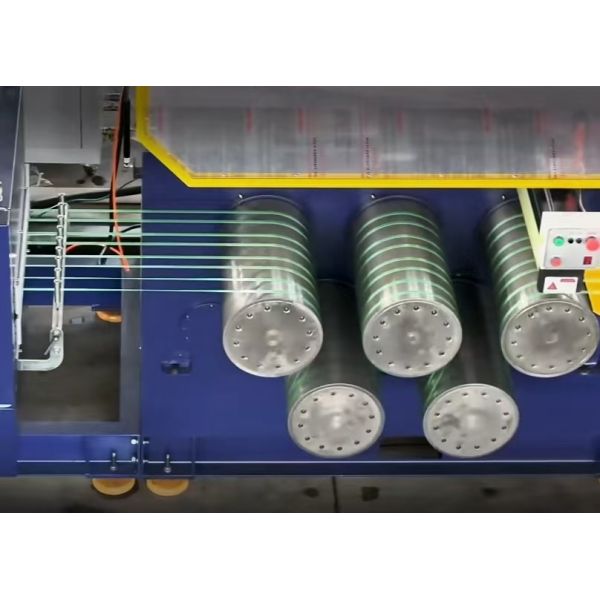
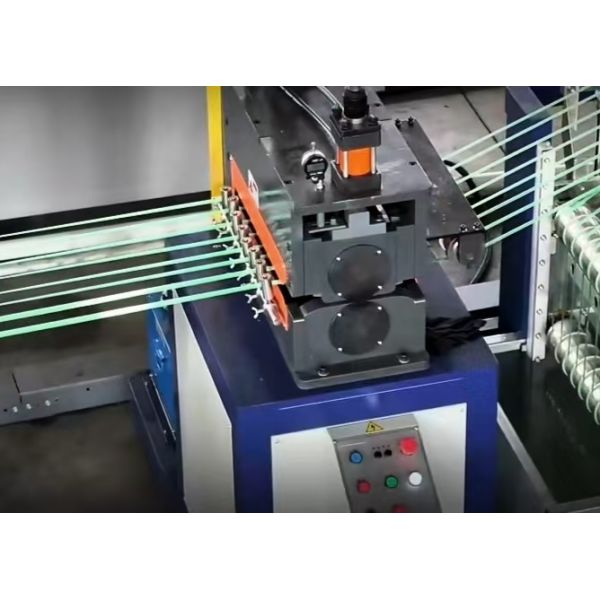
Embracing the circular economy is not just an environmental responsibility but a strategic choice to create new profit streams. This production line is optimized for efficiently processing recycled PET (rPET). We deeply understand rPET characteristics: potential impurities, moisture, and volatiles. Therefore, the line enhances filtration, devolatilization, and homogenization capabilities. It features large-filtration-area dual-piston or continuous screen changers to trap impurities; a reinforced venting section or optional vacuum system removes moisture and VOCs; a special screw design enhances plastication and homogenization of rPET. Through these targeted designs, we help you transform rPET into high-quality strapping or sheet, achieving a win-win of environmental and economic benefits.
2. Main Specifications
Enhanced Filtration: Standard or recommended high-capacity, high-pressure screen changers with adjustable mesh size ensure long run times without clogging when processing rPET with higher impurity content.
Efficient Devolatilization: Screw design includes or can be upgraded with a vented section; the barrel has corresponding vent ports connectable to a vacuum pump for enhanced removal of moisture and odors.
Compatible Processing: The control system allows adjustment to a wider processing temperature window and gentler shear history for rPET to minimize degradation.
Feed Section Optimization: For rPET flakes or fluffy materials, a powerful forced feeder can be provided to ensure stable feeding.
Quality Control: Provides testing advice and process adjustment solutions for rPET product indicators like color difference and strength.
3. Technical Parameters Table
| Parameter Category | Parameter Item | Specification / Description |
|---|---|---|
| Material Handling | Suitable rPET Forms | Flakes, Recycled Pellets, Sheet Scrap |
| Recommended Max Impurity Content | < 50 ppm (for metals/sand) | |
| Filtration System | Screen Changer Type | Dual-Piston Hydraulic (Std.), Continuous (Optional) |
| Max Filtration Area | Model-dependent, can be 2x+ of standard | |
| Max Working Pressure | Typically ≥35 MPa | |
| Venting System | Venting Method | Natural Vent or Vacuum Vent (Optional) |
| Vacuum Degree (Optional) | Up to -0.09 MPa | |
| Process Adaptation | Screw Design | Enhanced mixing/homogenizing, optional vented section |
| Color Management | Recommended online/offline masterbatch dosing system |
4. FQA:
Q1: Can product quality using rPET match that of virgin material?
A1: Using high-quality food-grade or Grade-A rPET with optimized processes, you can produce products with performance very close to or even meeting some virgin material standards, especially physical-mechanical properties. Main differences may lie in color consistency (slight yellowness) and long-term thermal stability. Our line, through enhanced filtration, venting, and gentle processing, aims to maximally preserve rPET's molecular weight and reduce degradation, producing products with excellent strength and reliability, fully suitable for most industrial packaging applications.
Q2: Does processing rPET cause more wear on the screw and machine?
A2: If rPET contains hard inorganic impurities (sand, glass fragments), wear can increase. This is precisely the primary reason for our enhanced filtration system—to intercept these "abrasives" before they enter the screw. Additionally, we require higher standards for the wear resistance of screws and barrels (e.g., bimetallic, high-hardness alloys). With good filtration and wear-resistant components, wear from processing rPET is effectively controllable and acceptable.