1. Product Introduction
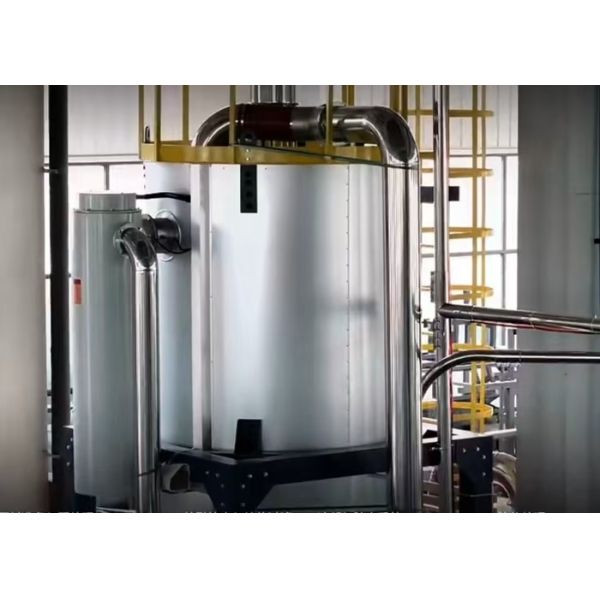
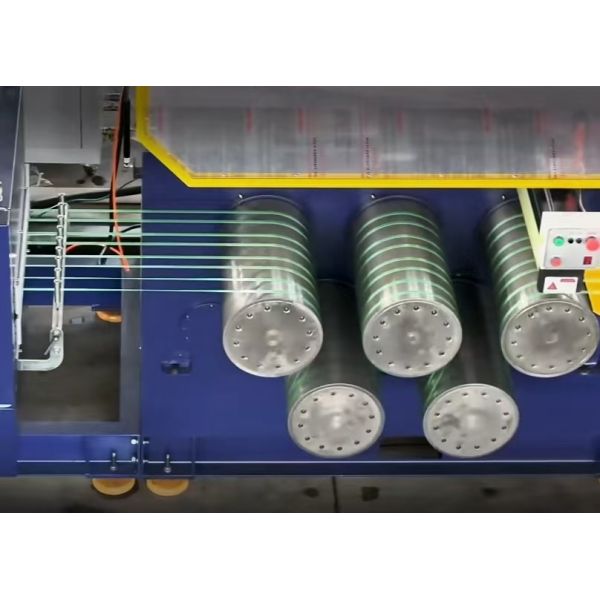
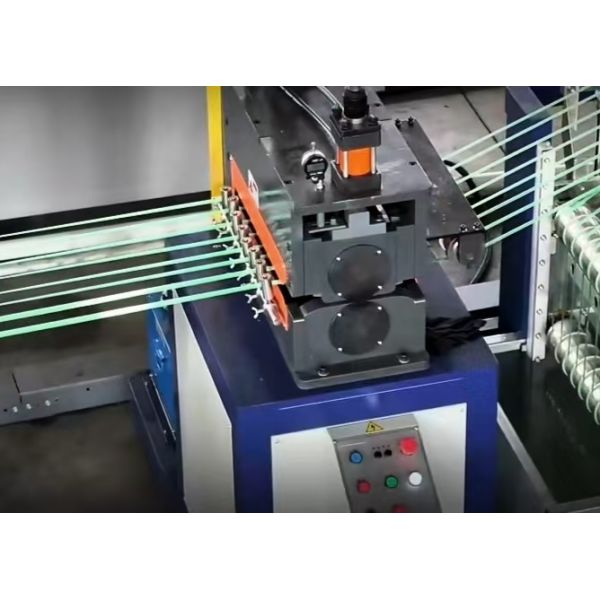
The secret to high-strength PET strapping lies in "molecular orientation," and the core technology to achieve this is biaxial stretching. This production line integrates advanced machine direction (MD) and transverse direction (TD) stretching systems. The longitudinal stretcher preheats, stretches, and sets the sheet via multiple heated rollers with different speed ratios. The transverse stretcher (tenter frame) gradually widens the sheet via clip rails. Through the synergistic action of both directions, PET molecular chains are highly aligned and oriented, multiplying the material's potential strength to produce high-performance strapping with tensile strength exceeding 600 MPa, excellent flexibility, and low rebound.
2. Main Specifications
Process Core: Employs sequential biaxial stretching (MD first, then TD) to dramatically increase PET molecular orientation and crystallinity.
Machine Direction Stretching: Multi-roller preheating, precise ratio stretching above the glass transition temperature, with zoned roller temperature control.
Transverse Direction Stretching: Rail-type tenter frame with infrared or hot air heating, infinitely adjustable width, and a heat-setting zone to stabilize product dimensions.
Synchronization Control: Speed interlock between MD and TD stretchers ensures smooth tension transition, preventing flutter or breakage.
Flexibility: Both MD and TD draw ratios are independently adjustable over wide ranges to accommodate products with different strength and thickness requirements.
3. Technical Parameters Table
| Parameter Category | Parameter Item | Specification / Description |
|---|---|---|
| Machine Direction Stretch | Number of Stretch Rolls | 8-12 rolls (preheat, stretch, set) |
| MD Draw Ratio Range | 3.0 - 8.0 times (adjustable) | |
| Preheat Roll Temperature Control | Zoned, up to 120°C | |
| Transverse Direction Stretch | Stretching Method | Rail & Clip Type Tenter Frame |
| TD Draw Ratio Range | 2.0 - 5.0 times (adjustable) | |
| Heating Method | Infrared Tubes or Hot Air Circulation | |
| Setting Zone Temperature | 180 - 240°C | |
| Product Performance | Final Product Tensile Strength | ≥ 600 MPa (depends on material & process) |
| Product Characteristics | High stiffness, low elongation, dimensionally stable |
4. FQA:
Q1: How to choose the biaxial draw ratios? What is their impact on the final product?
A1: Draw ratio is the key process parameter determining product strength. Generally, a higher draw ratio leads to higher molecular orientation, greater longitudinal tensile strength, but relatively lower transverse strength, and the product becomes thinner and stiffer. It needs to be optimized based on the target product specifications (thickness, width) and performance requirements (e.g., balance of strength and toughness). Our production line offers wide adjustability and is complemented by process guidance to help you find the optimal parameters.
Q2: Breakage or uneven thickness often occurs during stretching. How is this resolved?
A2: Breakage is usually related to material quality (e.g., high moisture, impurities), uneven preheating or local overheating, or improper draw ratio settings. Our system prevents this by ensuring proper drying, uniform roll temperature control, and smooth tension transition. Uneven thickness primarily originates from the initial unevenness of the extruded sheet, which needs to be addressed through precise extrusion and die control upstream. As an integrated system, this line is co-designed from source to final process to minimize such issues.