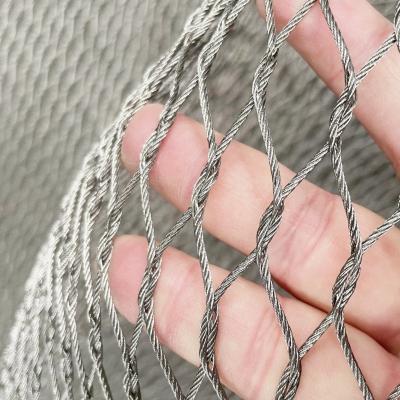
Marine-Grade 316L Stainless Steel WEBNET Barrier Floating Debris Containment
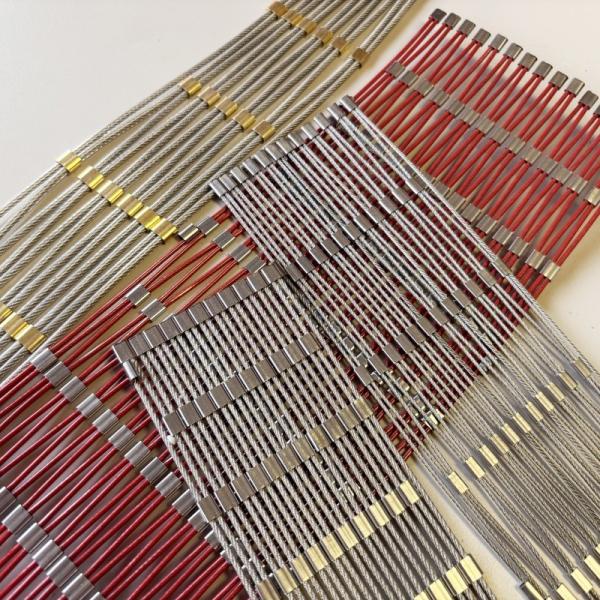
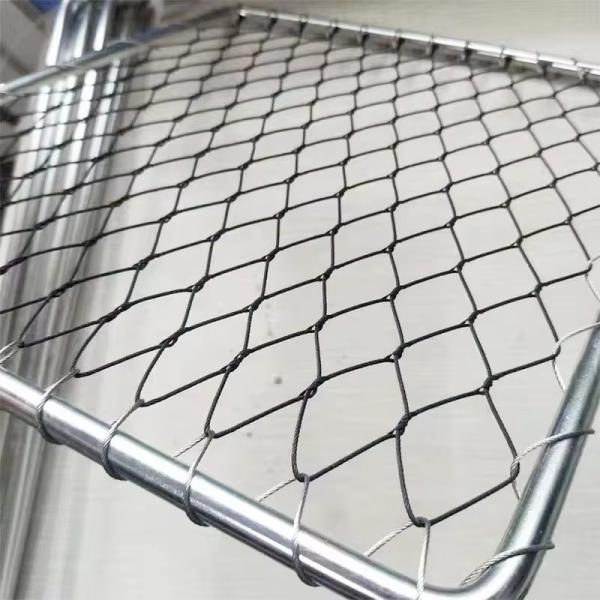
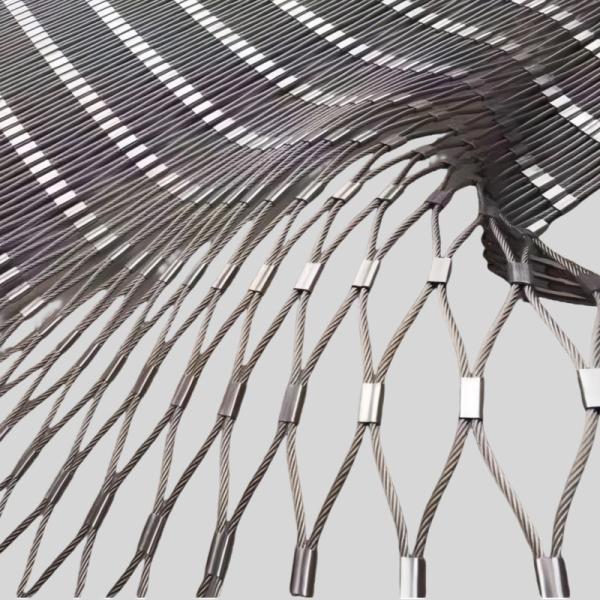
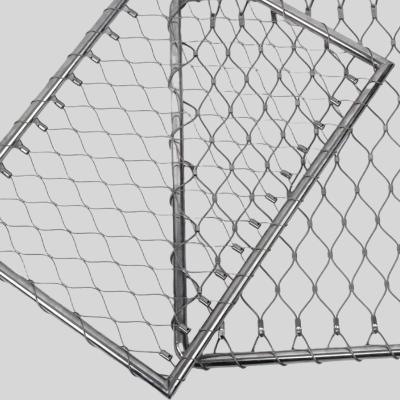
Standard marine barriers fail. Salt spray corrodes, tides fatigue structures, and debris clogs operations. The HUIHAO 316L WEBNET Removable Floating Debris Barrier is engineered specifically for coastal defense and offshore safety. It combines the high-tensile strength of stainless steel cable netting with the structural rigidity of fully strung tubular frames, providing a transparent, durable, and maintenance-friendly solution for ports, marinas, and offshore platforms.
Technical Specifications
| Feature |
Specification |
| System Name |
WEBNET® Removable Floating Debris Barrier |
| Material |
Stainless Steel 316L (Marine Grade) |
| Mesh Type |
Flexible Stainless Steel Cable Netting |
| Rope Diameter |
3 mm High-Tensile Wire |
| Mesh Aperture |
50 mm x 50 mm |
| Structural Frame |
Fully Strung Tubular Frames |
| Suspension/Tension |
Integrated High-Strength Cables |
| Design |
Floating, Modular & Removable |
Engineering Challenges & Solutions
The Challenge: Corrosion
We utilize AISI 316L stainless steel exclusively. The "L" (Low Carbon) grade ensures maximum resistance to pitting and crevice corrosion caused by chlorides in seawater, eliminating the need for toxic anti-corrosion coatings.
The Challenge: Tidal Movement
Our Floating Barrier design incorporates integrated buoyancy elements. The system rises and falls with the tide, ensuring a consistent containment level for floating debris regardless of water levels.
The Challenge: Structural Load & Wave Impact
Fully Strung Tubular Frames provide rigid perimeter support. This ensures tension is distributed evenly across the 3mm wire rope mesh, preventing sagging and maintaining structural integrity under dynamic wave loads.
The Challenge: Maintenance & Access
The Modular & Removable design allows specific sections of the barrier to be quickly detached. This facilitates easy cleaning of accumulated debris or emergency access for vessels without dismantling the entire system.
Key Benefits
- Ultimate Durability: 316L steel ensures a service life measured in decades, even in the most aggressive saltwater environments.
- Operational Efficiency: The 50mm aperture is optimized to capture common marine debris while minimizing hydrodynamic drag, reducing stress on the structure.
- Safety & Security: Creates a robust physical barrier to protect infrastructure from floating hazards and restrict unauthorized watercraft access.
- Architectural Transparency: Unlike solid booms, WEBNET mesh maintains sightlines, preserving the aesthetic value of marinas and waterfronts.
- Low Life-Cycle Cost: Minimal maintenance requirements and long service intervals result in significant cost savings over time.
Ideal Applications
- Port Security Perimeters
- Marina and Yacht Club Protection
- Offshore Platform Safety Barriers
- Coastal Erosion Control (Debris retention)
- Aquaculture Farm Perimeters
Frequently Asked Questions
What is the difference between 316 and 316L stainless steel for marine use?
316L has a lower carbon content, which makes it more resistant to sensitization and corrosion in welded areas, making it superior for marine environments.
Can the floating barrier be customized for specific tidal ranges?
Yes, our engineering team calculates buoyancy and tension requirements based on your specific site conditions.