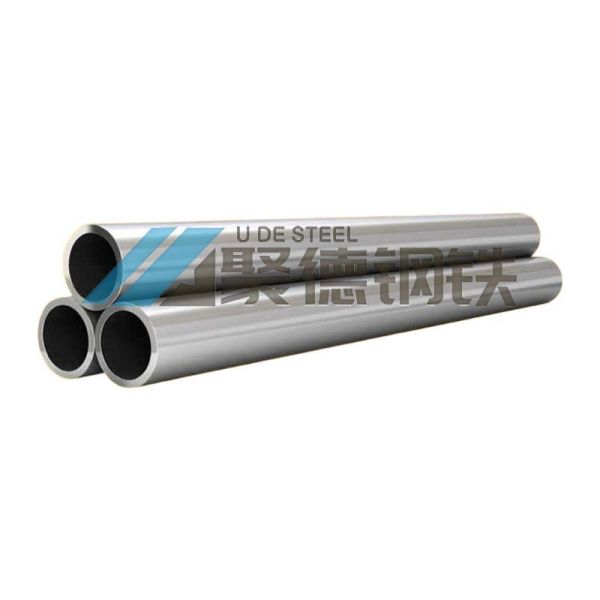
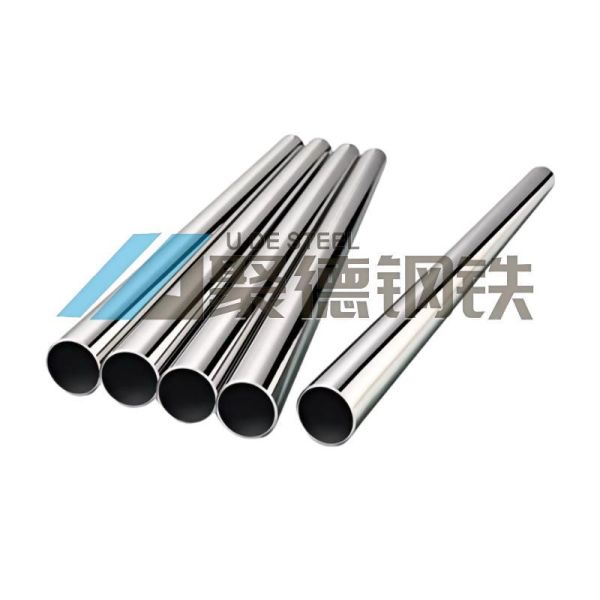
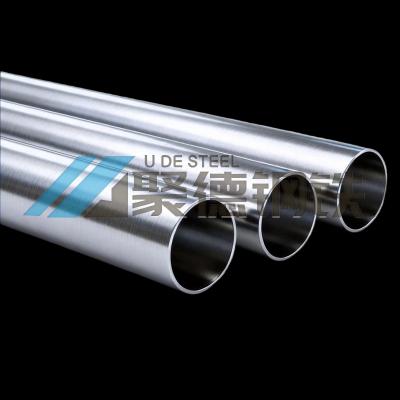
Mirror Polished Stainless Steel Pipe Seamless EN 10216 10216-2 10216-3 10216-5
X2CrNi18-9, EN 1.4307, AISI 304L, X2CrNi19-11, EN 1.4306, AISI 304L X2CrNiN18-10, EN 1.4311, AISI 304LN, X5CrNi18-10, EN 1.4301, AISI 304, X6CrNiTi18-10, EN 1.4541, AISI 321, X6CrNiNb18-10, EN 1.4550, AISI 347, X1CrNi25-21, EN 1.4335, AISI 310L, X2CrNiMo17-12-2, EN 1.4404, AISI 316L X5CrNiMo17-12-2, EN 1.4401, AISI 316, X1CrNiMoN25-22-2, EN 1.4466, AISI 310MoLN
Product Specifications
| Product Name |
EN 10216-5 Stainless Steel Tube |
Usage |
Oil Gas Sewage Transport |
| Tolerance |
±1% |
Keyword |
Seamless Pipe |
| Certification |
ISO 9001 |
Length |
Customization |
| Standard |
EN |
Grade |
Stainless Steel |
| Type |
Welded |
Application |
Fluid Pipe, Boiler Pipe, Drill Pipe, Hydraulic Pipe, Gas Pipe, Oil Pipe, Chemical Fertilizer Pipe, Structure Pipe, Other |
| Delivery Time |
8 ~ 14 days |
Surface Treatment |
Hot Rolled |
| Specifications |
Round tube |
Shape |
Round, Square, Rectangle |
| Model Number |
EN 10216-5 |
Technique |
Cold Rolled, Hot Rolled, Galvanized |
| Place of Origin |
Other |
Advantage |
High strength, good impact toughness and good overall and local stress corrosion resistance |
| Material Status |
Large stock or fast new production |
Package |
Standard Package |
| Processing Service |
Welding, Punching, Cutting, Bending, Decoiling |
Payment |
T/T 30% Deposit + 70% Advance |
Product Description
EN 10216-5 Stainless Steel Tube for pressure purposes - Technical delivery conditions - part 2: Alloy and non-alloy steel tubes with specified high temperature properties. This part of the EN10216 standard specifies the technical delivery conditions for non-alloy and alloy circular steel tubes with specified high temperature properties under two test categories.
Steel grade: 16Mo3 Code: 1.5415
Heat treatment: normalizing or normalizing rolling temperature: 890 - 950 ℃ Cooling medium: air
Applications
Mainly suitable for seamless stainless steel pipes used in different pressure environments. Widely used in petroleum, chemical, energy, pharmaceutical and other industries for conveying various fluid media and working in high temperature, high pressure and corrosive environments.
Chemical Composition
Covers a variety of stainless steel grades, such as the common 304 (1.4301), 316 (1.4401), 321 (1.4541), etc. Stainless steel pipes of different grades have different chemical compositions.
- 304 stainless steel mainly contains chromium (Cr) 18-20%, nickel (Ni) 8-10.5% and other elements
- 316 stainless steel contains chromium (Cr) 16-18%, nickel (Ni) 10-14%, molybdenum (Mo) 2-3% and other elements
The content of these elements determines the corrosion resistance, mechanical properties and other characteristics of stainless steel pipes.
Dimensions
Specifies the size range of stainless steel pipes, including outer diameter and wall thickness. The outer diameter can range from smaller to larger to meet the needs of different application scenarios. The wall thickness is also specified according to the different outer diameters.
For example, the outer diameter can range from a few millimeters to tens of centimeters, and the wall thickness can range from a few tenths of a millimeter to a few centimeters. Specific size specifications can be selected according to actual application requirements, but must meet the requirements in the standard.
Mechanical Properties
Clarifies the mechanical properties of stainless steel pipes of different grades and sizes under different conditions, such as tensile strength, yield strength, elongation, etc.
For example, the tensile strength of 304 stainless steel pipes is generally above 520MPa, the yield strength is above 205MPa, and the elongation is above 40%. These mechanical performance indicators ensure that the stainless steel pipe can withstand the corresponding loads and stresses during use, and ensure the stability and safety of its structure.
Manufacturing Process
Standardizes the manufacturing process of stainless steel pipes, including the selection of raw materials, smelting methods, forming processes, heat treatment processes, etc.
- Uses high-quality raw materials and ensures the purity of molten steel and the accuracy of chemical composition through appropriate smelting methods
- Forming process typically uses methods such as hot rolling and cold drawing to obtain the required size and shape
- Heat treatment processes are carried out according to different grades and requirements to improve the structure and performance of stainless steel pipes
Quality control points and inspection requirements in the manufacturing process are also specified to ensure that product quality meets standards.
Quality Control and Inspection
Strict quality control and inspection are required throughout the entire production process from raw materials to finished products.
- Raw materials undergo chemical composition analysis, mechanical property testing
- Key process parameters are monitored and recorded in real time during production
- Finished stainless steel pipes undergo appearance inspection, dimensional measurement, non-destructive testing (eddy current testing, ultrasonic testing), water pressure testing, and re-inspection of chemical composition and mechanical properties
- Special applications may require additional tests such as intergranular corrosion tests, high-temperature endurance strength tests
In summary, the EN 10216-5 standard specifies detailed requirements for stainless steel pipes to ensure reliable quality, good performance, and compliance with specific application scenarios, guaranteeing safe and stable operation of pressure-bearing equipment. When selecting stainless steel pipes meeting EN 10216-5 standard, users should consider grade, size, mechanical properties and other parameters based on specific use conditions, medium characteristics, and design requirements. Manufacturers must strictly follow standard requirements for production and quality control to ensure product quality compliance.