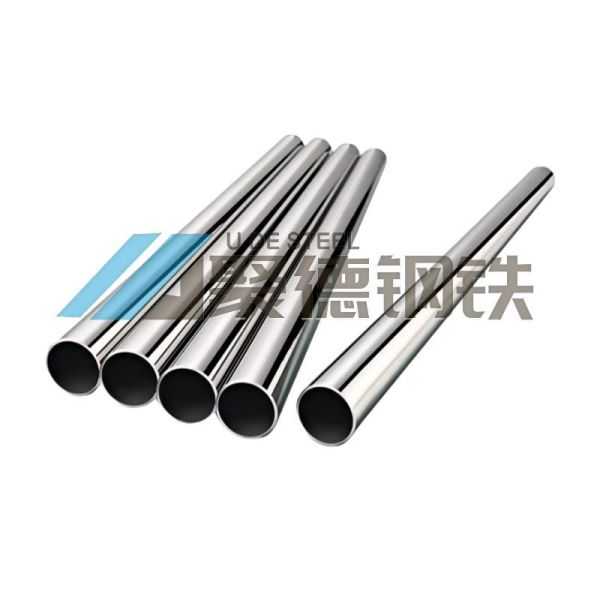
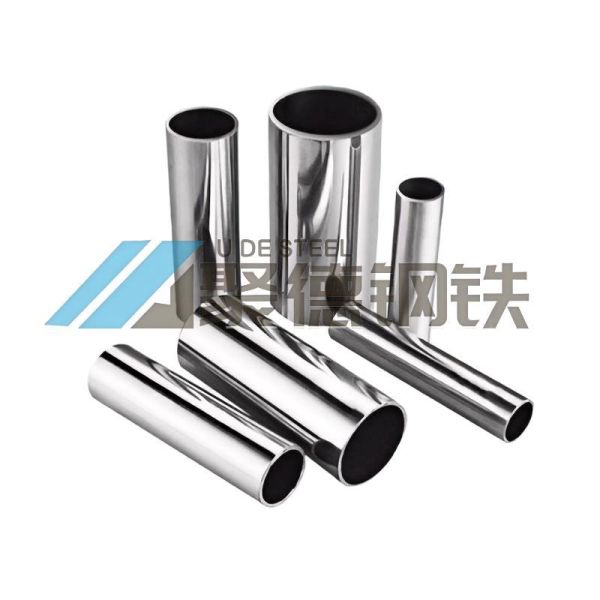
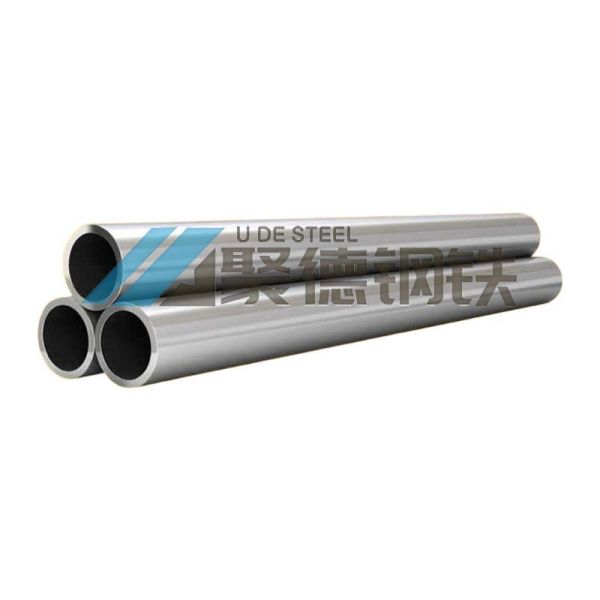
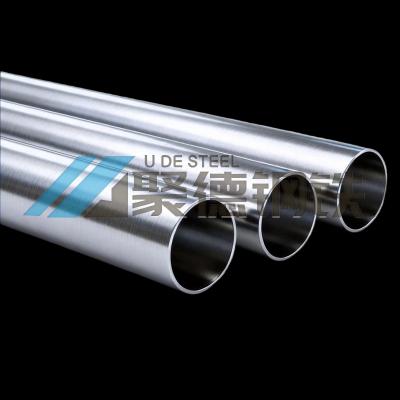
ASTM TP316L / UNS S31603 Stainless Steel Pipe is a low-carbon austenitic stainless steel pipe manufactured in accordance with ASTM standards. It contains 16–18% chromium (Cr), 10–14% nickel (Ni), and 2–3% molybdenum (Mo), providing excellent resistance to corrosion, especially in chloride-rich and chemically aggressive environments. The "L" designation indicates a low carbon content (≤0.03%), which significantly improves weldability and minimizes the risk of intergranular corrosion after welding.
Compared with standard 304 stainless steel pipe, TP316L offers superior resistance to pitting, crevice corrosion, and stress corrosion cracking, making it the preferred choice for demanding industrial applications.
Key attributes
| Item | Specification |
|---|---|
| Product Name | ASTM TP316L UNS S31603 Stainless Steel Pipe |
| Material Grade | ASTM TP316L / UNS S31603 / EN 1.4404 |
| Manufacturing Process | Seamless / Welded |
| Standards | ASTM A312, ASTM A213, ASTM A269, ASTM A778, ASTM A789 (special applications) |
| Outside Diameter (OD) | 6 mm – 1219 mm (1/8" – 48") |
| Wall Thickness | 0.5 mm – 50 mm (SCH 5S – SCH XXS) |
| Length | 1000 mm – 12000 mm or Customized |
| Pipe Schedule | SCH 5S, SCH 10S, SCH 20, SCH 40S, SCH 80S, SCH 160, XXS |
| Surface Finish | Annealed & Pickled (AP), Bright Annealed (BA), Polished, No.1, No.4, Mirror Finish |
| End Type | Plain End (PE), Beveled End (BE), Threaded End |
| Shape | Round |
| Size Tolerance | According to ASTM, ASME, EN or Customized |
| Inspection | PMI, UT, Hydrostatic Test, Eddy Current Test, Chemical Analysis, Mechanical Testing |
| Certificate | EN 10204 3.1 / 3.2, MTC, ISO 9001 |
| Packaging | Plastic Caps, Waterproof Wrapping, Wooden Cases, Steel Strapping |

Available Outside Diameter (OD)
| Metric (mm) | Inch |
|---|---|
| 6 | 1/8" |
| 10 | 3/8" |
| 12.7 | 1/2" |
| 19.05 | 3/4" |
| 25.4 | 1" |
| 38.1 | 1-1/2" |
| 50.8 | 2" |
| 76.2 | 3" |
| 101.6 | 4" |
| 168.3 | 6" |
| 219.1 | 8" |
| 273.0 | 10" |
| 323.9 | 12" |
| 406.4 | 16" |
| 508.0 | 20" |
| 610.0 | 24" |
| 762.0 | 30" |
| 914.4 | 36" |
| 1219.2 | 48" |
0.5 mm-50 mm
SCH 5S/SCH 10S/SCH 20/SCH 40S/SCH 40/SCH 60/SCH 80S/SCH 80/SCH 100/SCH 120/SCH 140/SCH 160/XXS
We also provide customized processing services, including:
Surface quality affects both performance and appearance.
Common finishes:
Industrial buyers verify that the pipe meets required mechanical properties.
Typical requirements include:
ASTM TP316L / UNS S31603 stainless steel pipe contains 2–3% molybdenum (Mo), providing superior resistance to pitting, crevice corrosion, and chloride attack compared with 304 stainless steel. It performs exceptionally well in marine environments, chemical processing plants, and coastal applications where corrosion protection is critical.
The low carbon content (≤0.03%) of TP316L significantly reduces the risk of carbide precipitation during welding, minimizing the possibility of intergranular corrosion. It can be welded using common methods such as TIG, MIG, and orbital welding without requiring post-weld heat treatment in most applications.
TP316L stainless steel pipe offers an excellent balance of strength and ductility. It maintains reliable mechanical properties under high-pressure operating conditions while providing excellent impact resistance, making it suitable for demanding industrial piping systems.
316L stainless steel pipe performs well in elevated-temperature environments, offering good oxidation resistance and mechanical stability during continuous service. It is widely used in heat exchangers, boilers, and high-temperature process equipment.
With its smooth surface and excellent corrosion resistance, TP316L is easy to clean and resistant to bacterial contamination. It is widely used in food processing, pharmaceutical manufacturing, and sanitary piping systems.
Thanks to its superior corrosion resistance, excellent weldability, and durable mechanical properties, TP316L stainless steel pipe provides a long operational life with minimal maintenance, helping reduce replacement frequency and overall lifecycle costs.