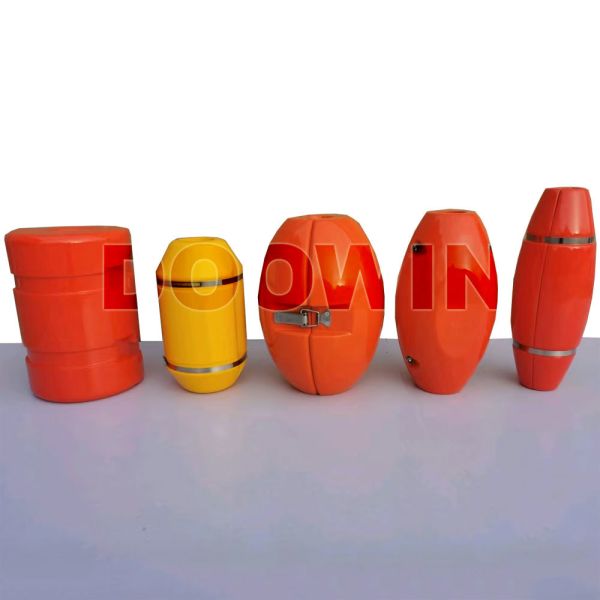
Marine Oil And Gas Buoyancy Field Custom Subsea Buoyancy Modules Large Buoys With Fibre Glass
Subsea Buoyancy Products Made of Syntactic Foam
Most of our products are custom made, so there is no standard specification sheet.
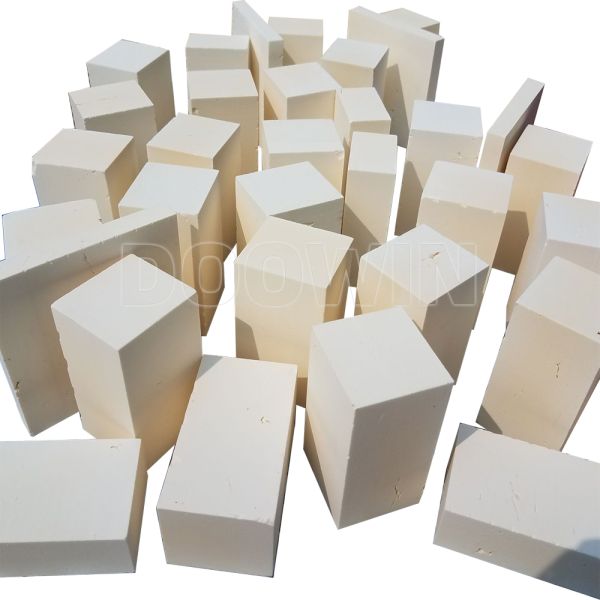
Subsea Buoyancy Syntactic Foam
Subsea solid buoyancy material (syntactic foam) is a lightweight composite formed by embedding hollow microspheres in polymer matrices. These low-density (0.35-0.7g/cm³), high-strength (1-100MPa) materials feature minimal water absorption (<2%) and corrosion resistance, serving as essential counterweights for underwater equipment. Their applications enable deeper dives, increased payload capacity, and stable operation in deep-sea environments, making them crucial for 21st-century subsea technology.
Subsea Buoyancy Syntactic Foam: Crafted for Ocean's Greatest Challenges
Subsea buoyancy foams are high-performance deep-sea composite syntactic materials specifically engineered for extreme deep-sea environments. They feature lightweight design, high strength, corrosion resistance, and ultra-high pressure resistance (capable of withstanding pressures at depths exceeding 10,000 meters). These subsea buoyancy composites are typically fabricated by lightweight fillers like hollow glass microspheres to reduce density, often combining reinforcing fibers (e.g., carbon fiber, glass fiber) with polymer matrices (e.g., polyurethane, epoxy resin).
Subsea buoyancy foams are widely used in deep-sea equipment. They serve critical roles in manned submersibles, buoyancy modules for ROVs/AUVs, subsea oil and gas pipelines, and deep-sea mining systems. By minimizing structural weight and enhancing durability, these syntactic foams significantly extend operational lifespans and improve energy efficiency. As deep-sea resource exploration advances, deep-sea composites are indispensable for enabling cutting-edge technologies and driving sustainable development in ocean engineering.
Subsea Buoyancy Foam Specification
Density and strength can be designed according to the user's water depth requirements to meet actual usage requirements.
| Type | Model | Density (g/cm3) | Compression Strength (MPA) | Water Absorption (24 hours) | Submersible Depth (m) |
| Chemical Foam | CSBM-08 | 0.08 | / | ≤5% | Surface |
| Chemical Foam | CSBM-020 | 0.20 | 0.5 | ≤5% | 50 |
| Chemical Foam | CSBM-025 | 0.25 | 1 | ≤5% | 100 |
| Chemical Foam | CSBM-030 | 0.30 | 2 | ≤5% | 200 |
| Standard Performance | SBM-36 | 0.36 ± 0.01 | ≥ 16 | ≤1% | 500 |
| Standard Performance | SBM-38 | 0.38 ± 0.01 | ≥ 21 | ≤1% | 800 |
| Standard Performannce | SBM-43 | 0.43 ± 0.02 | ≥ 24 | ≤1% | 1 000 |
| Standard Performance | SBM-45 | 0.45 ± 0.02 | ≥ 28 | ≤1% | 1 500 |
| Standard Performannce | SBM-51 | 0.51 ± 0.02 | ≥ 45 | ≤1% | 3 000 |
| Standard Performance | SBM-54 | 0.54 ± 0.02 | ≥ 60 | ≤1% | 4 000 |
| Standard Performannce | SBM-58 | 0.58 ± 0.02 | ≥ 75 | ≤1% | 5 000 |
| Standard Performance | SBM-63 | 0.63 ± 0.02 | ≥ 90 | ≤1% | 6 000 |
| Standard Performannce | SBM-70 | 0.70 ± 0.02 | ≥ 145 | ≤1% | 11 000 |
| High Performance | SBM-43H | 0.42 ± 0.02 | ≥ 27 | ≤1% | 1 800 |
| High Performance | SBM-45H | 0.45 ± 0.02 | ≥ 35 | ≤1% | 2 000 |
| High Performance | SBM-48H | 0.48 ± 0.02 | ≥ 42 | ≤1% | 3 000 |
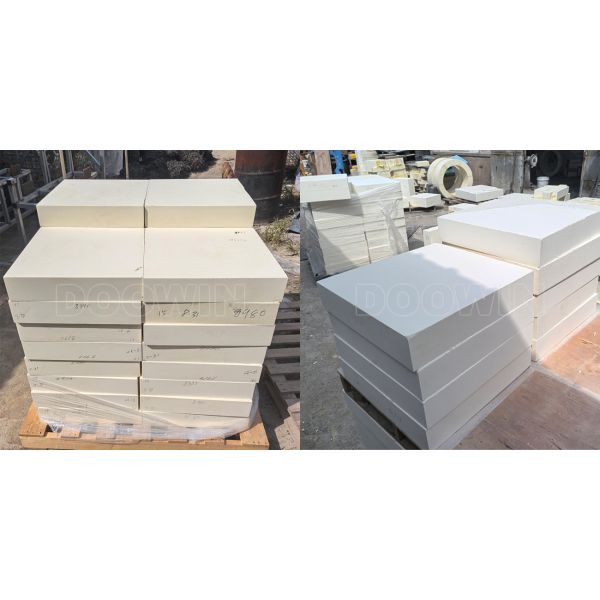
Syntactic Foam CNC production

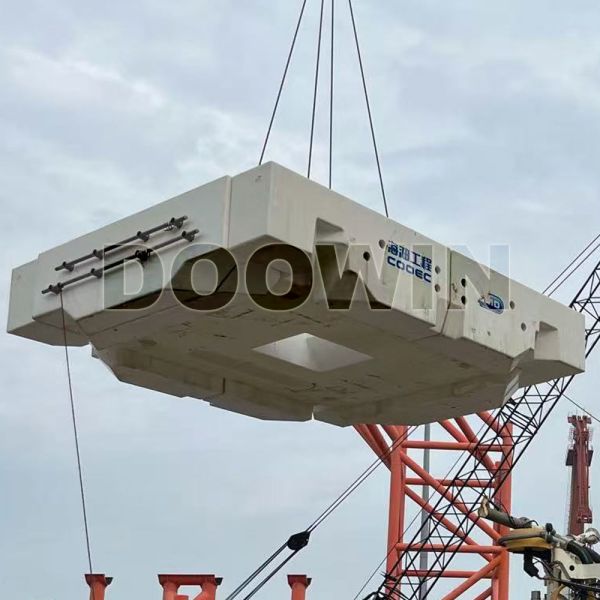
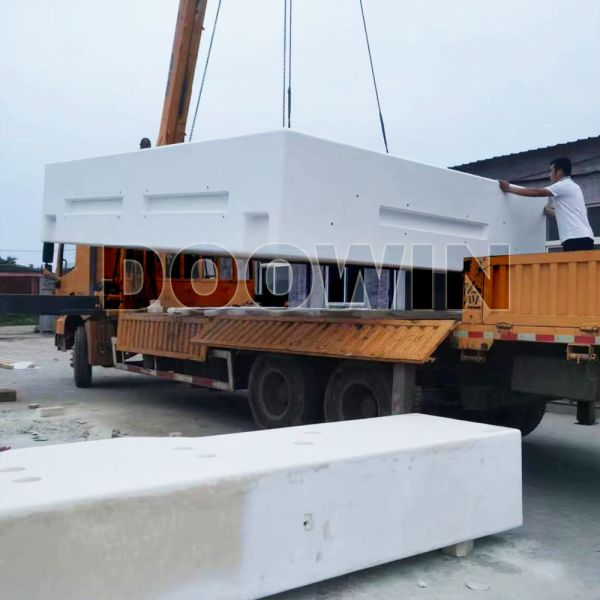
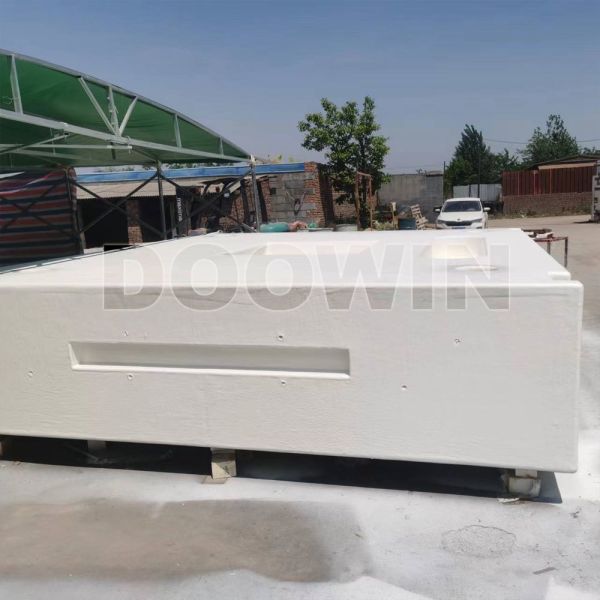
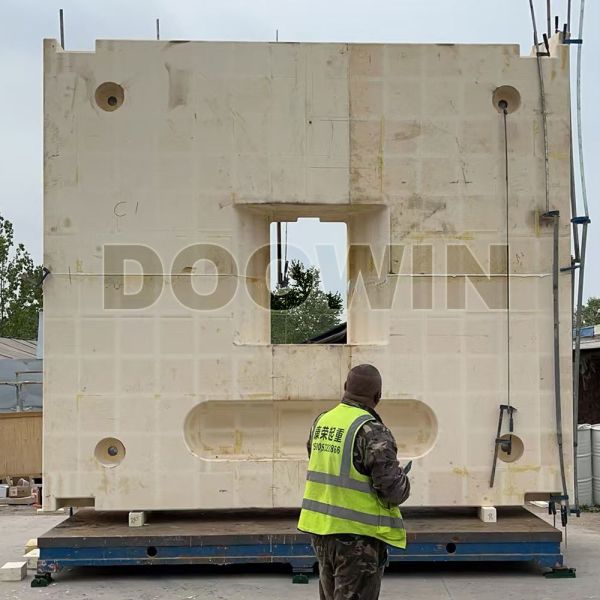
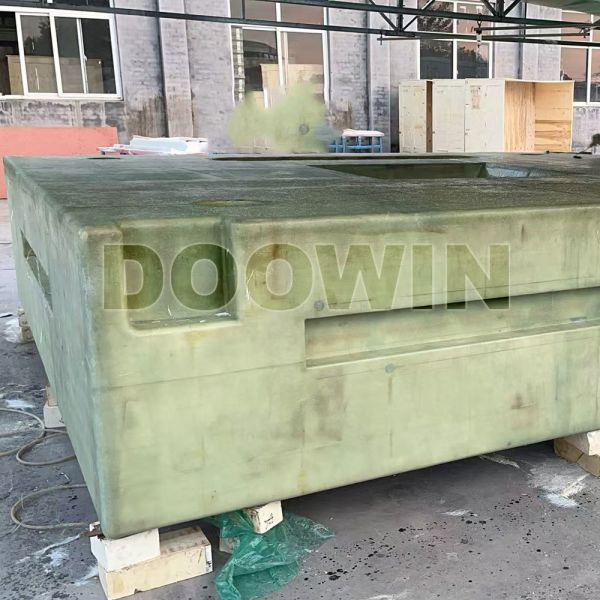
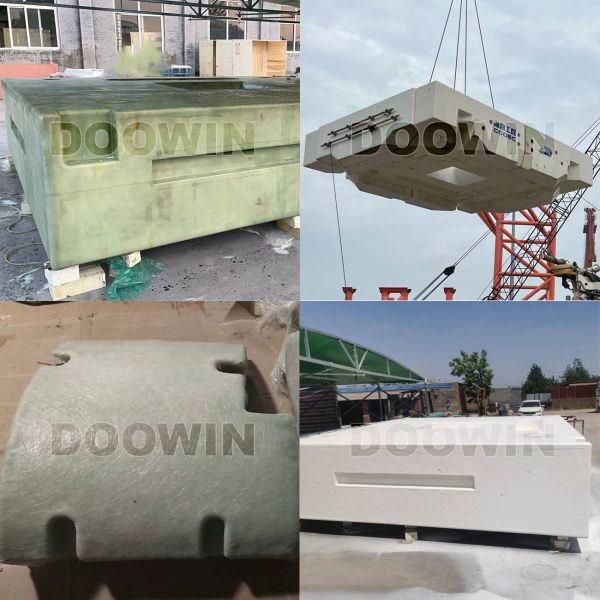
Our Product Display