| Attribute | Value |
|---|---|
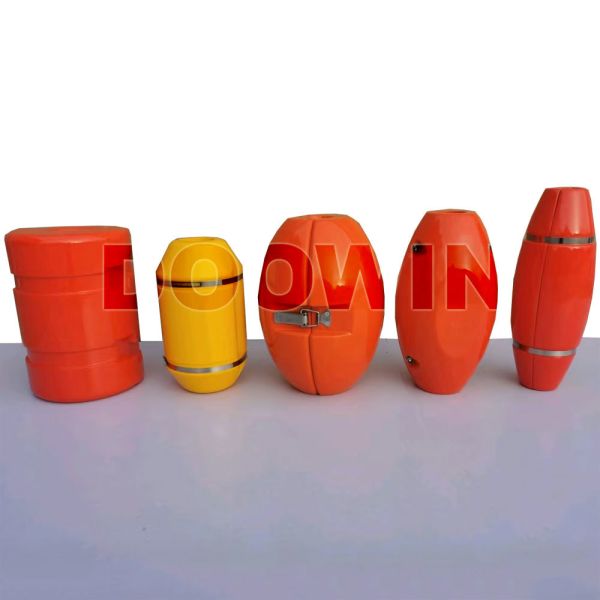
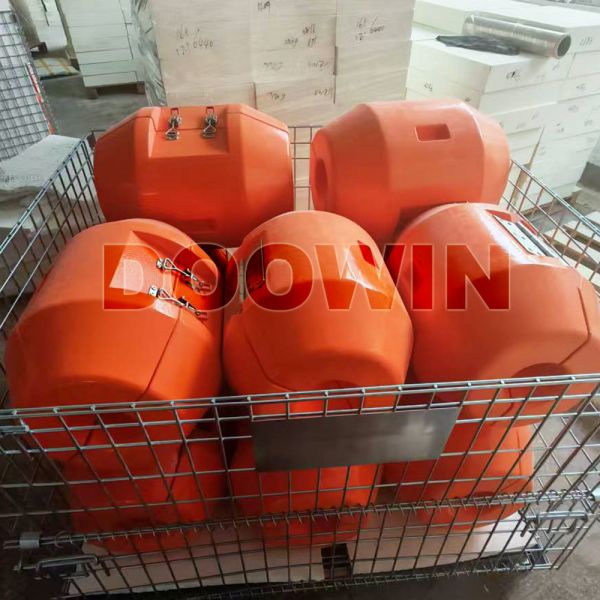
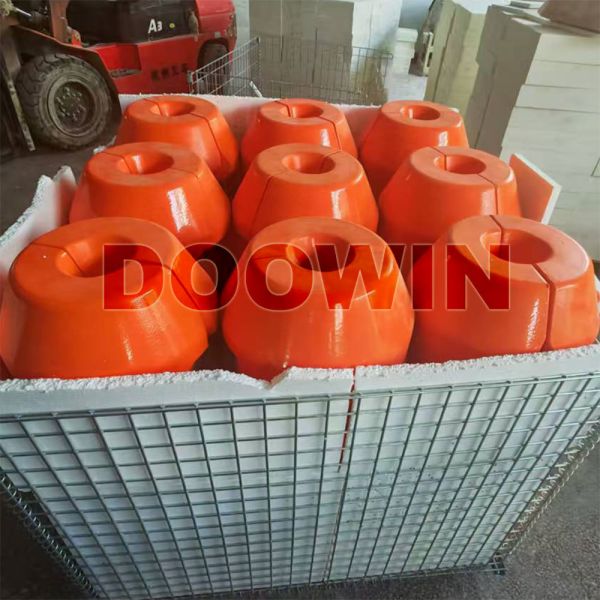
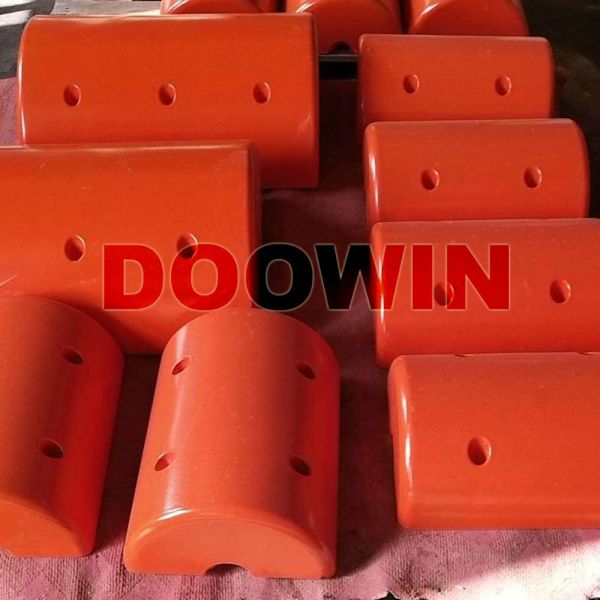
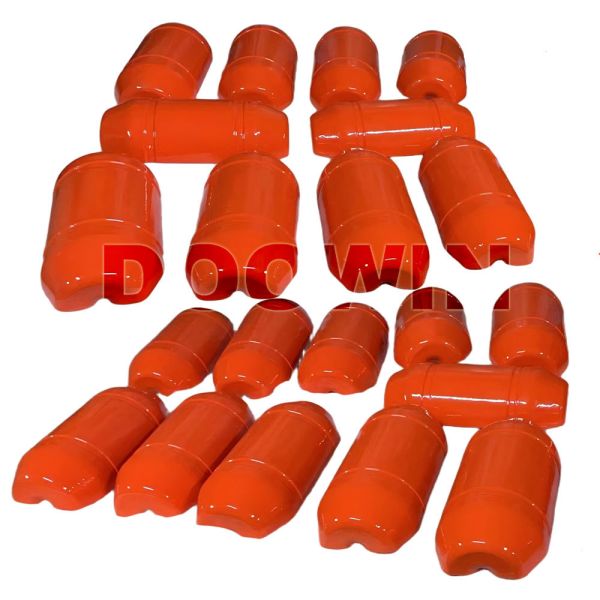
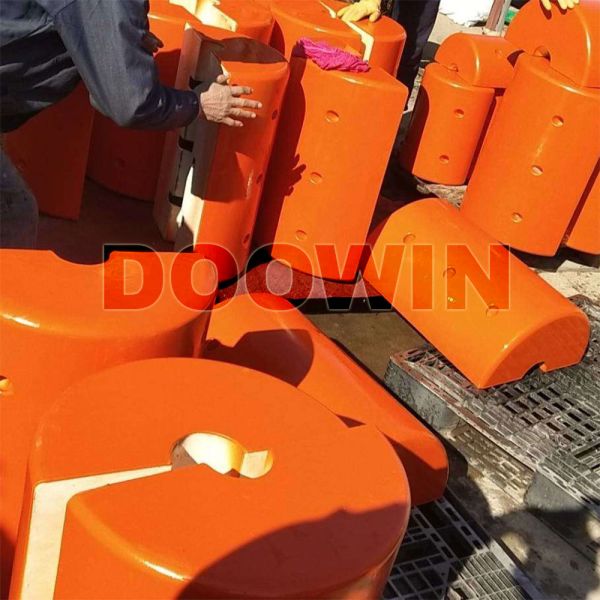
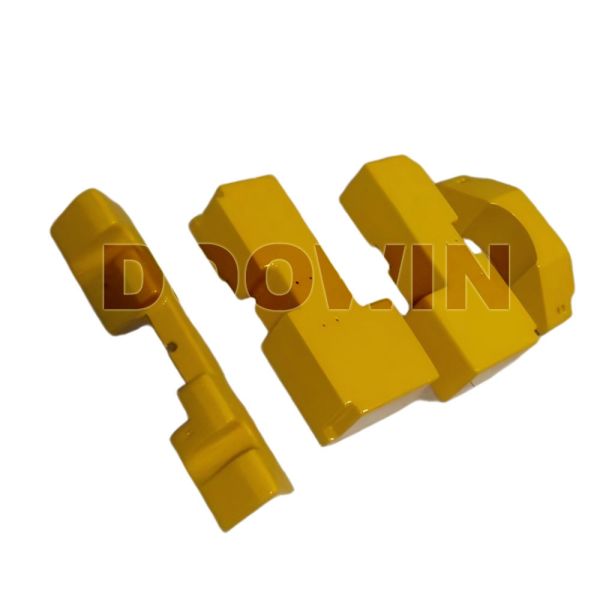
| Product name | PE Marine Floating Dredging Pipeline Polyethylene Hose Cable Floater |
| Advantages | Low density and high pressure resistance |
| Design Using Life | 7-10 Years |
| Size | As per customer request |
| Inner material | Syntactic foam,Chemical Foam |
| Skin | Elester polyurethane Coating |
| Color | Orange, Yellow, or customized |
| Warranty | 2 years |
| Customized | Available |

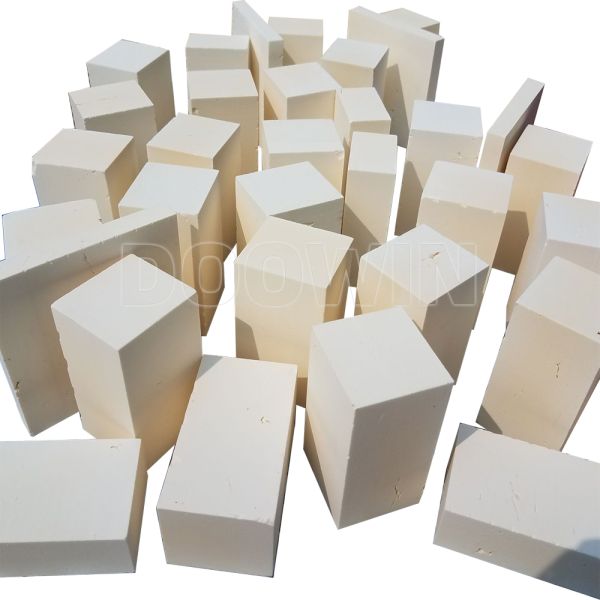
We provide the highest quality flotation for offshore, research, commercial. Made with syntactic foam, these floats are the most reliable and cost-effective choice for ROV, AUV, and tow body flotation. Whether you are outfitting a new vehicle or tooling package, or require customized add-on buoyancy, you will get a superior product and quick turnaround.
We provide a comprehensive range of resilient foam buoys products with advance solid buoyancy material production and polymer engineering.
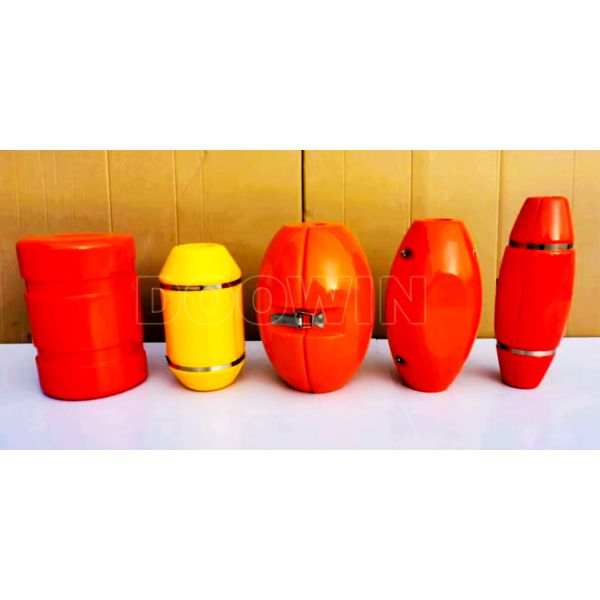
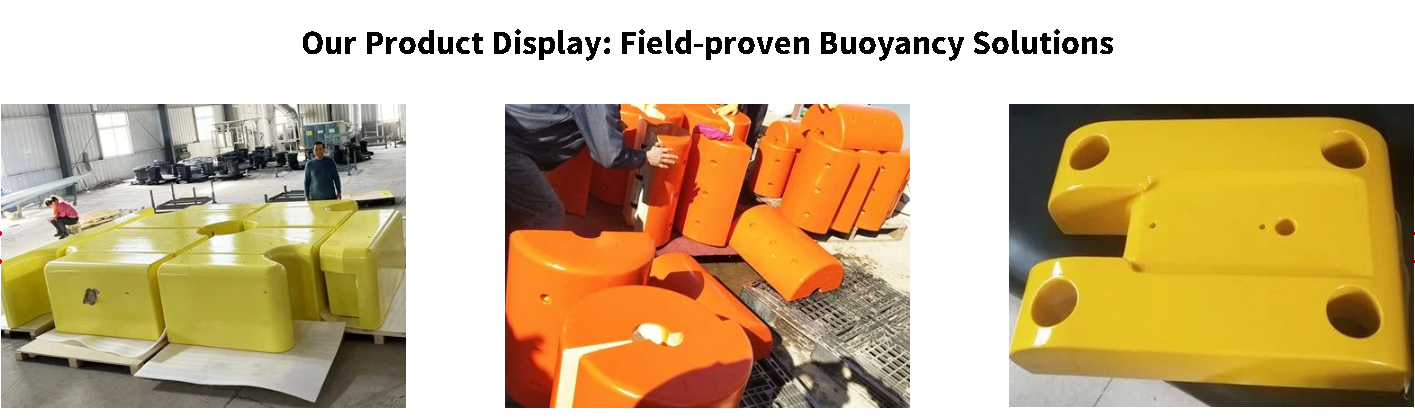
Our offshore buoyancy buoys generally consist of a closed-cell foam core encapsulated with tough, resistant polyurethane outer skin, combined with high-quality steelwork. We can make subsurface mooring buoys, cable floats, pipeline floaters, ROV buoyancy modules, special shape buoys, and other syntactic foam products. The out skin can be made by polyethylene shell and polyurethane elastomer.
The subsea solid buoyancy material (syntactic foam) is a solid compound obtained by filling an organic polymer material with an inorganic light-weight filler material through a physical and chemical reaction. The deep-sea buoyancy material is a low-density, high-strength porous structure material. It is a counterweight material for underwater operation equipment.
The subsea buoyancy module is a polymer-based solid material with low density, high strength, and low water absorption. It has the characteristics of low density (0.35~0.7g/cm3), low water absorption ( ≤2%), high mechanical strength (compressive strength 1~100MPa), corrosion resistance, and secondary mechanical processing.
The solid buoyancy modules can meet the requirements of different underwater applications. An underwater system made of high-performance solid buoyancy materials. Not only can it dive to greater depths, increase the payload, and reduce energy consumption. And it can maintain a stable working condition underwater. Deep-sea solid buoyancy materials are an indispensable part of deep diving technology in the 21st century.

| Model | Density (g/cm³) | Compression Strength (MPA) | Water Absorption (24H) | Submersible Depth (m) |
|---|---|---|---|---|
| CSBM-08 | 0.08 | / | ≤2% | 50 |
| CSBM-15 | 0.15 | 2.6 | ≤2% | 100 |
| CSBM-20 | 0.20 | 5.19 | ≤2% | 200 |
| Model | Density (g/cm³) | Compression Strength (MPA) | Water Absorption (24H) | Submersible Depth (m) |
|---|---|---|---|---|
| SBM-35 | 0.35±0.02 | ≥8 | ≤2% | 200 |
| SBM-37H | 0.37±0.02 | ≥12 | ≤1% | 500 |
| SBM-38 | 0.38±0.02 | ≥10 | ≤1% | 300 |
| SBM-40 | 0.40±0.02 | ≥12 | ≤1% | 500 |
| SBM-40H | 0.40±0.02 | ≥18 | ≤1% | 1000 |
| SBM-45 | 0.45±0.02 | ≥20 | ≤1% | 1000 |
| SBM-48 | 0.48±0.02 | ≥25 | ≤1% | 2000 |
| SBM-51 | 0.51±0.02 | ≥35 | ≤1% | 3000 |
| SBM-54 | 0.54±0.02 | ≥45 | ≤1% | 4500 |
| SBM-57H | 0.57±0.02 | ≥55 | ≤1% | 6000 |
| SBM-63 | 0.63±0.02 | ≥55 | ≤1% | 6000 |
| SBM-70 | <0.7 | ≥90 | ≤1% | 11000 |