5–250 kN Electric Hydraulic Mooring Capstan | Continuous Rope Pulling for Ship Mooring
Product Overview
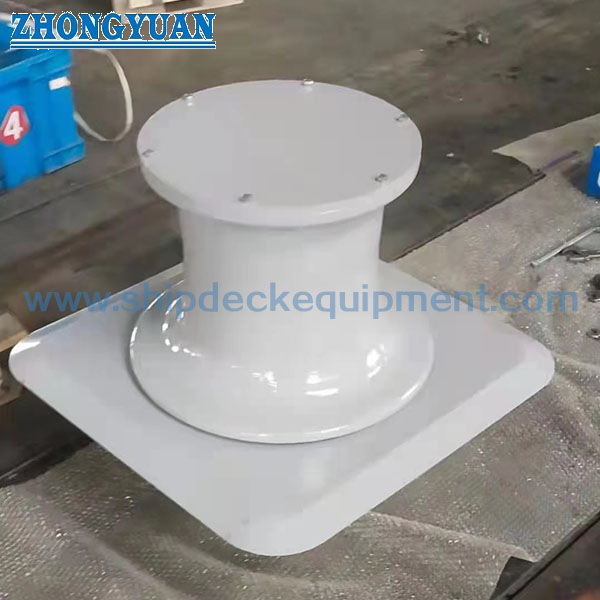
The 5–250kN electric hydraulic mooring capstan is a deck-mounted rope handling machine used for controlled line pulling during ship mooring, shifting, harbor operation, and auxiliary deck handling. It uses a warping head to generate frictional pulling force on the rope and is normally selected when the vessel needs continuous rope movement without drum storage.
This product is supplied through long-term qualified hydraulic deck machinery partners, which helps support stable pricing, model selection, and project documentation. Final selection should be confirmed together with working load, rope diameter, warping head size, speed, duty cycle, deck foundation, hydraulic power unit arrangement, control station, emergency stop requirement, and classification society inspection scope.
Quick Specifications
Main Technical Parameters
|
Working Load (kN) |
Speed (m/min) |
Rope Dia. (mm) |
Motor Power (kW) |
|---|---|---|---|
| 5 | 9–18 | Φ11 | 5.5 |
| 10 | 9–18 | Φ11 | 7.5 |
| 15 | 9–18 | Φ13 | 11 |
| 20 | 9–18 | Φ15 | 15 |
| 30 | 9–18 | Φ17.5 | 18.5 |
| 50 | 9–18 | Φ20.5 | 30 |
| 70 | 9–18 | Φ26 | 45 |
| 100 | 9–18 | Φ28 | 55 |
| 120 | 9–18 | Φ32.5 | 75 |
| 150 | 9–18 | Φ36.5 | 90 |
| 200 | 9–18 | Φ40 | 110 |
| 250 | 9–18 | Φ46 | 110 |
Selection & Inquiry Guide
Step 1: Confirm the function: mooring line handling, auxiliary warping, harbor operation, or project-specific towing line assistance. A capstan is not a drum storage winch.
Step 2: Confirm working load, rope diameter, rope material, expected number of turns on the warping head, and whether the rope is dry, wet, synthetic, or wire rope.
Step 3: Confirm speed range, duty cycle, operating frequency, starting load, overload protection, and whether proportional speed control is required.
Step 4: Confirm vertical or horizontal mounting, deck foundation size, rope lead direction, operator position, safe clearance, and access for maintenance.
Step 5: Confirm hydraulic arrangement: motor, reducer, hydraulic pump, oil tank, cooling, piping route, valve block, pressure gauge, filter, and electric motor power supply.
Step 6: Confirm control and safety scope: local control, remote control, emergency stop, brake or holding function if required, protection cover, and class witness inspection.
Step 7: Provide quantity, vessel type, installation drawing, rope specification, power supply, classification society requirement, delivery destination, and required delivery time.
Structure
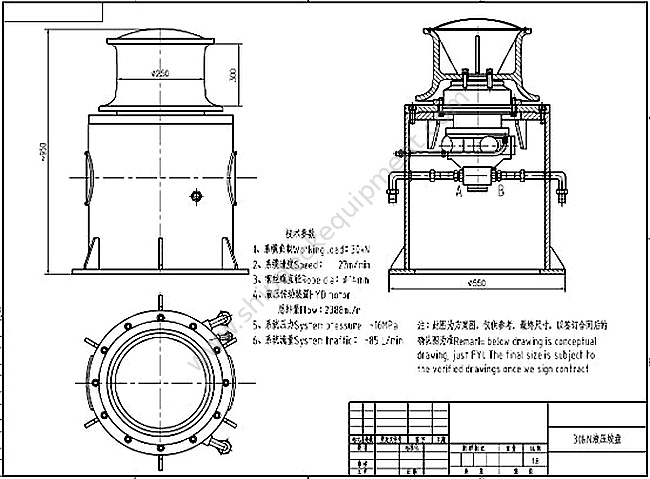
Warping head | Main shaft | Bearing arrangement | Gear reducer | Hydraulic motor | Hydraulic pump unit | Electric motor | Valve block and piping | Local / remote control station | Deck base frame | Optional brake or holding device when specified
Hydraulic Drive, Operation & Engineering Advantages
Custom Attributes
How It Works
Electric motor drives the hydraulic pump → Hydraulic oil powers the hydraulic motor through control valves → Gear reducer transmits torque to the warping head → Rope is wrapped around the capstan head for frictional pulling → Operator controls rope movement through local or remote control → Rope leaves the capstan without being stored on a drum
Applications
Tugboats | Small vessels | Harbor operation vessels | Workboats | Mooring stations | Auxiliary rope handling on larger ships | Shipyard line handling | Port service vessels | Offshore support vessels subject to project requirement
Certifications & Advantages
Certificates can be arranged according to project requirement, inspection scope, material traceability, hydraulic system documentation, and class society approval procedure.
Certification: CCS, NK, BV, ABS, DNV, LR, KR, IRS, RS, RINA, CRS, Makers Test Certificate.
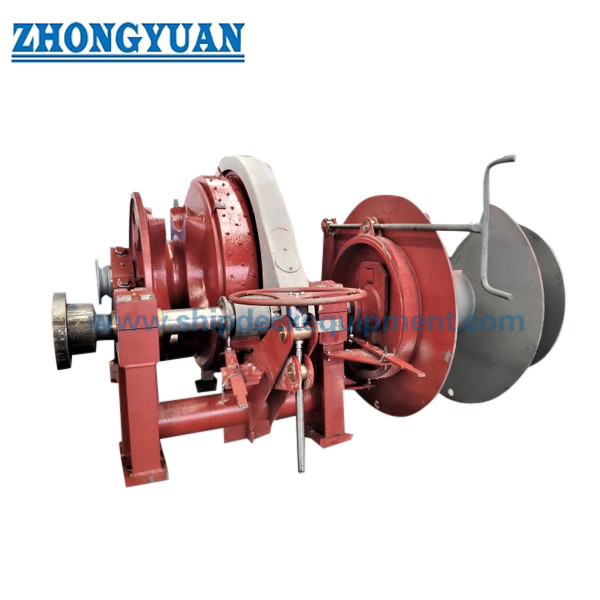
Drawing & Photos


FAQ
Q1: What is the difference between a capstan and a winch?
A1: A capstan uses a warping head to pull rope continuously by friction and does not store the rope on a drum. A winch normally includes a drum and is used to pull, hold, and store rope or wire rope on the drum.
Q2: Can this capstan be used for towing?
A2: It can assist rope handling during harbor or deck operations when specified, but it should not be treated as a certified towing winch by default. If towing-related duty is required, the working load, rope size, duty cycle, foundation, brake / holding function, and class approval requirement must be confirmed.
Q3: What information is needed before quotation?
A3: Please confirm working load, speed, rope diameter and material, warping head requirement, vertical or horizontal mounting, power supply, hydraulic power unit layout, control type, certificate requirement, quantity, delivery destination, and installation drawing if available.