Cast Steel Pawl-Type Anchor Chain Stopper | JIS F 2031:1998
Product Overview
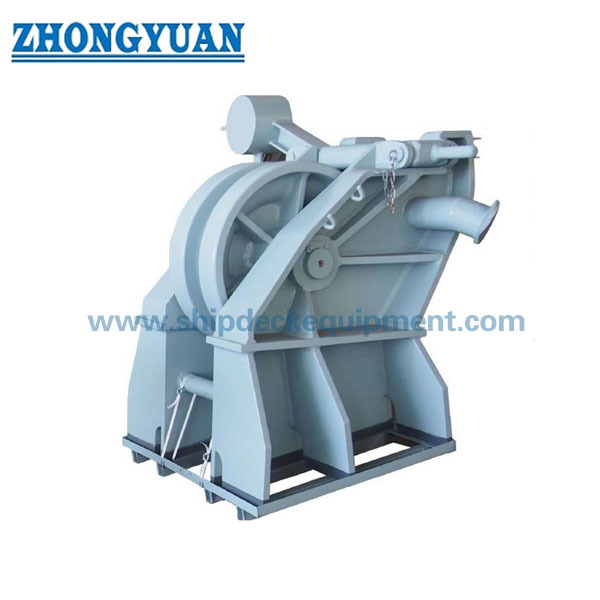
The JIS F 2031:1998 cast steel pawl-type anchor chain stopper is an anchoring-system chain holding device covered by Annex 3 of the standard. It is intended primarily for large vessels using JIS F 3303 Grade 2 or Grade 3 anchor chain and is normally installed between the windlass and the hawse pipe or fairlead. The pawl engages the chain so that anchor-chain load can be transferred through the stopper foundation into the ship structure.
This product is a chain stopper, not a lifting fitting and not a mooring fairlead. Selection should be based on anchor-chain diameter and grade, the required JIS strength class, operating side and chain lead, connection shackle, deck foundation and reinforcement, approved arrangement drawing, and classification-society requirements.
Quick Specifications
• Product type: Cast steel pawl-type anchor chain stopper → JIS Annex 3 chain-holding configuration for anchoring systems.
• Standard: JIS F 2031:1998, Annex 3 (normative) → standard reference for the cast steel pawl-type chain cable stopper.
• Applicable anchor chain: JIS F 3303 Grade 2 / Grade 3, 58–122 mm → confirm chain grade and exact diameter before selection.
• Nominal size range: 60–122 → twelve standard nominal sizes corresponding to defined chain-diameter ranges.
• Connection shackle: nominal size 68 and below may use a joining shackle or Kenter shackle; size 73 and above uses a Kenter shackle → check the vessel chain arrangement.
• Standard material basis: SCW410 body side frame, SC410 pawl, S35C pawl shaft and BC6 bush → component material certificates depend on order scope.
• Calculated mass: approximately 401–2,900 kg → relevant to handling, installation planning, packing and freight.
• Strength classification: JIS Class A / Class B design bases are 80% / 40% of the applicable chain nominal breaking load → these values are not product SWL.
Main Technical Parameters
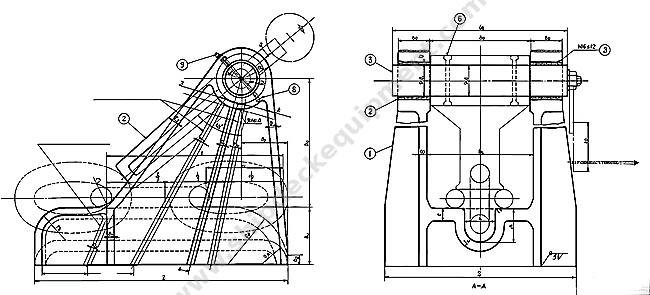
Main selection dimensions from JIS F 2031:1998 Annex 3. Dimensions are in mm; calculated mass is in kg.
|
Nominal |
Applicable Chain |
B |
L |
l |
h2 |
Weld Leg |
Calculated |
|---|---|---|---|---|---|---|---|
| 60 | 58–60 | 600 | 780 | 540 | 394 | 11 | 401 |
| 64 | 62–64 | 630 | 835 | 576 | 421 | 12 | 473 |
| 68 | 66–68 | 660 | 885 | 612 | 446 | 12 | 567 |
| 73 | 70–73 | 700 | 950 | 657 | 478 | 13 | 682 |
| 78 | 76–78 | 750 | 1015 | 702 | 511 | 14 | 818 |
| 84 | 81–84 | 800 | 1095 | 756 | 550 | 14 | 1030 |
| 90 | 87–90 | 850 | 1170 | 810 | 588 | 16 | 1220 |
| 95 | 92–95 | 900 | 1235 | 855 | 620 | 16 | 1420 |
| 102 | 97–102 | 950 | 1350 | 918 | 665 | 17 | 1830 |
| 107 | 105–107 | 1000 | 1400 | 972 | 703 | 18 | 2130 |
| 114 | 111–114 | 1050 | 1480 | 1026 | 742 | 19 | 2410 |
| 122 | 117–122 | 1120 | 1585 | 1098 | 790 | 19 | 2900 |
Selection & Inquiry Guide
• Step 1: Confirm JIS F 2031:1998 Annex 3 cast steel pawl type and select the nominal size from the actual anchor-chain diameter.
• Step 2: Confirm JIS F 3303 Grade 2 or Grade 3 chain, chain diameter, chain certificate basis, and the joining / Kenter shackle arrangement.
• Step 3: Confirm the required JIS strength class (Class A or Class B), operating side, and any project-specific class rule or owner requirement before approval.
• Step 4: Provide the windlass-to-hawse-pipe / fairlead arrangement, chain lead, available deck space, stopper position, foundation details, and deck reinforcement information.
• Step 5: Confirm material traceability, coating system, inspection / NDT scope, classification-society witnessing, and certificate requirements.
• Step 6: Provide quantity, vessel type, installation position, approved or reference drawing, delivery destination, and required delivery time.
Structure
Cast steel body side frame | Pawl holding member | BC6 bush | S35C pawl shaft | Bolts / retaining fittings | Grease point | Deck foundation interface
Chain Holding, Installation & Engineering Advantages
• The pawl provides a positive mechanical chain-holding function independent of the windlass drive, with the holding load transferred through the stopper body and foundation into the hull structure.
• Annex 3 is intended primarily for large-vessel Grade 2 / Grade 3 anchor-chain arrangements in the 58–122 mm range.
• The standard distinguishes JIS Class A and Class B strength bases. The applicable class must be confirmed from the vessel specification and must not be converted into an SWL statement.
• For nominal size 68 and below, the connection arrangement can accommodate a joining shackle or Kenter shackle; size 73 and above is arranged for a Kenter shackle.
• The standard body-side-frame material is SCW410. Annex 3 also permits an equivalent-strength welded steel-plate side-frame construction, subject to the applicable design and project approval.
• Correct chain seating, pawl engagement, chain lead and foundation alignment are important to avoid abnormal local contact and unintended loading of the chain link.
• Pawl-shaft fit, bush condition, lubrication, corrosion protection and retaining-device condition should remain accessible for inspection and maintenance.
Custom Attributes
• Standard: JIS F 2031:1998 → the main standard is based on ISO 6325:1987; the cast steel pawl type is specified in Annex 3.
• Product Type: Cast steel pawl-type chain cable stopper → anchor-chain holding equipment, not a guide roller or lifting fitting.
• Nominal Size: 60 / 64 / 68 / 73 / 78 / 84 / 90 / 95 / 102 / 107 / 114 / 122 → selected by the applicable chain-diameter range.
• Applicable Chain: JIS F 3303 Grade 2 / Grade 3, 58–122 mm → exact grade and diameter to be confirmed from chain documentation.
• Standard Material Basis: SCW410 body side frame | SC410 pawl | S35C pawl shaft | BC6 bush → actual supply material and traceability level to be confirmed per order.
• Strength Class: JIS Class A or Class B → design basis is tied to the applicable chain nominal breaking load; do not state as product SWL.
• Installation: Normally between windlass and hawse pipe or fairlead → final chain lead, stopper position, welding and deck reinforcement require vessel drawing review.
• Surface Treatment: Sa 2.5 blasting + epoxy shop primer may be used as a project supply reference → final paint system to follow the approved vessel / shipyard coating specification.
• Certificate Requirement: Available according to project requirement → class attendance, material certificates and inspection scope to be confirmed before order.
How It Works
Anchor chain is led through the stopper → Chain link is positioned in the seating area → Pawl is closed and secured → Anchor-chain holding force is transferred through the stopper body and foundation → Pawl is released only under the approved operating procedure when the chain is ready to run
Applications
Large ocean-going vessels | Bulk carriers | Tankers | Container vessels | General cargo ships | Bow anchoring stations | Anchor windlass arrangements | Newbuilding and drawing-compatible replacement projects
Certifications & Advantages
Inspection and certification can be arranged according to project requirement, material traceability, order scope, applicable class rules and agreed witness points.
Certification: CCS, NK, BV, ABS, DNV, LR, KR, IRS, RS, RINA, CRS, Makers Test Certificate.
Drawing & Photos

FAQ
Q1: What is the difference between a pawl-type anchor chain stopper and an anchor-chain guide roller?
A1: A guide roller mainly supports or changes the chain lead. A pawl-type chain stopper is a chain-holding device fixed to the ship structure and is selected according to chain size, grade, strength class, chain arrangement and foundation requirements.
Q2: Do the JIS Class A 80% and Class B 40% values represent the product SWL?
A2: No. They are JIS design-strength bases expressed as percentages of the nominal breaking load of the highest-grade, largest-diameter chain for which the stopper is intended. They should not be published as SWL, MBL or test load.
Q3: What information is required before quotation and technical approval?
A3: Confirm the JIS nominal size, anchor-chain diameter and grade, required strength class, operating side, connection shackle, chain lead, deck foundation and reinforcement, material / coating requirements, class requirement, quantity, drawings, destination and delivery schedule.uantity, certificate requirement, installation drawing, delivery destination, and required delivery time.