Step 1: Define Your Requirements
1. What goods will you be transporting?
Type of Goods: Determine if you need frozen transport (-18°C or below for ice cream, frozen meat), refrigerated (0°C ~ 8°C for chilled meat, yogurt, pharmaceuticals), or fresh produce (0°C ~ 15°C for fruits and vegetables).
Value and Temperature Sensitivity: High-value or temperature-sensitive goods require higher performance refrigeration units and superior insulation.
2. What is the scale and frequency of your transport?
Load Capacity: Determine your typical tonnage requirements to select appropriate chassis and cargo box sizes.
Transport Distance and Frequency: Short-distance urban distribution or long-distance intercity routes affect chassis power, unit endurance, and reliability requirements.
3. What are the requirements for the chassis and licensing?
License Type: Blue plate (car license, easier urban access) or Yellow plate (truck license, higher capacity) determines chassis size and Gross Vehicle Weight.
Road Conditions: Urban streets, suburbs, or highways determine power requirements, maneuverability, and vehicle dimensions.
4. What is your budget range?
Budget determines choice between domestic, joint-venture, or imported refrigeration units and body material grades. Imported brands (Thermo King, Carrier) offer superior performance; domestic brands provide better cost-effectiveness.
Step 2: Confirm Refrigerated Truck Details
A. Refrigeration Unit Selection
Unit Type: Independent units have their own engine for stable operation during long stops. Non-independent units are powered by the vehicle's engine, offering lower cost but limited operation when stationary.
Brand Selection: Choose between imported brands (Thermo King, Carrier, Mahle) or quality domestic brands (KingSnow, Songhan) based on performance requirements and budget.
Cooling Capacity: Ensure the unit's maximum capability exceeds your actual temperature requirements, especially for frozen goods requiring -18°C.
Control Systems: Digital temperature control provides precise monitoring and data logging. Remote monitoring capabilities are essential for high-value goods management.
B. Insulated Cargo Body Specifications
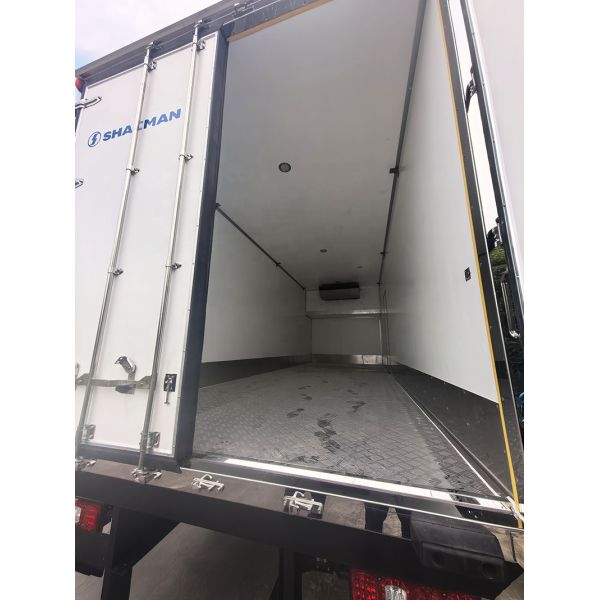
Body Material: Polyurethane integral foam construction provides optimal insulation. Choose between FRP, stainless steel, or aluminum alloy skins based on corrosion resistance and weight requirements.
Insulation Thickness: 80mm, 100mm, or 120mm options. For frozen goods or extreme temperature variations, 100mm or thicker insulation is recommended.
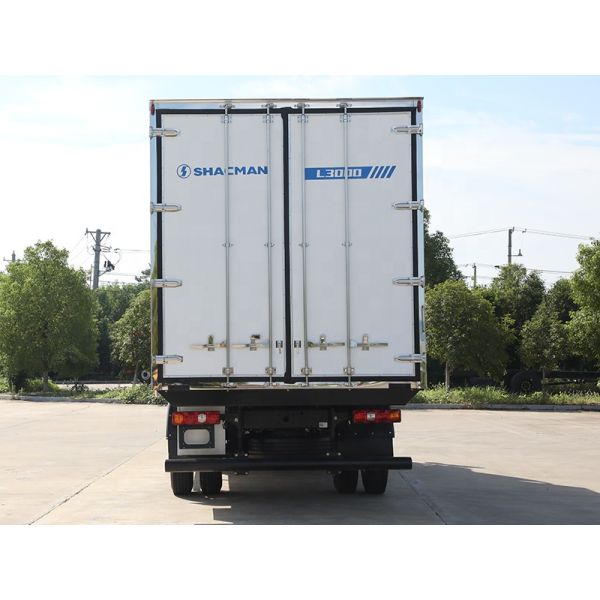
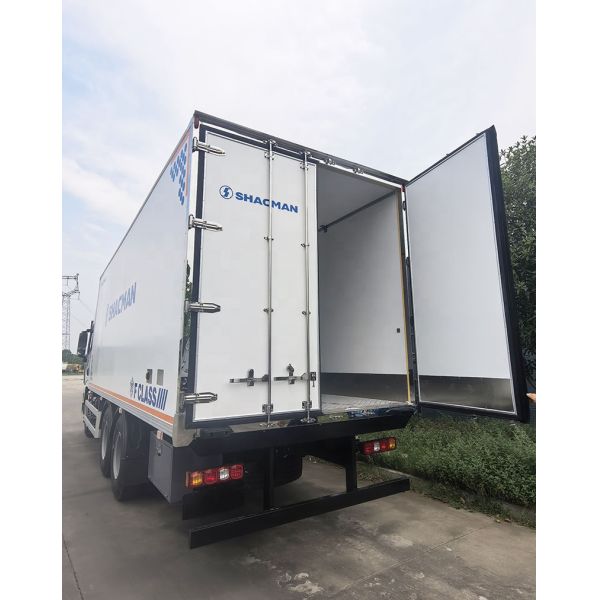
Sealing and Details: Multi-layer door seals and proper door frame structure are critical for maintaining stable internal temperatures.
Floor Structure: Anti-skid patterned aluminum plate with proper drainage and ventilation channels prevents water accumulation and aids cold air circulation.
C. Truck Chassis Requirements
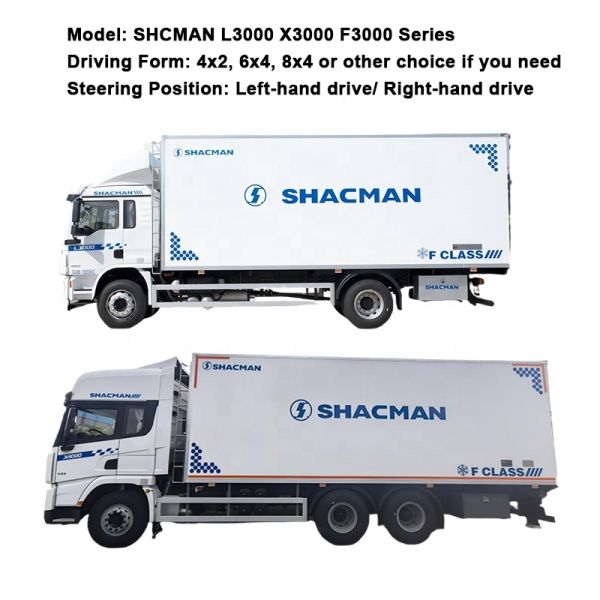
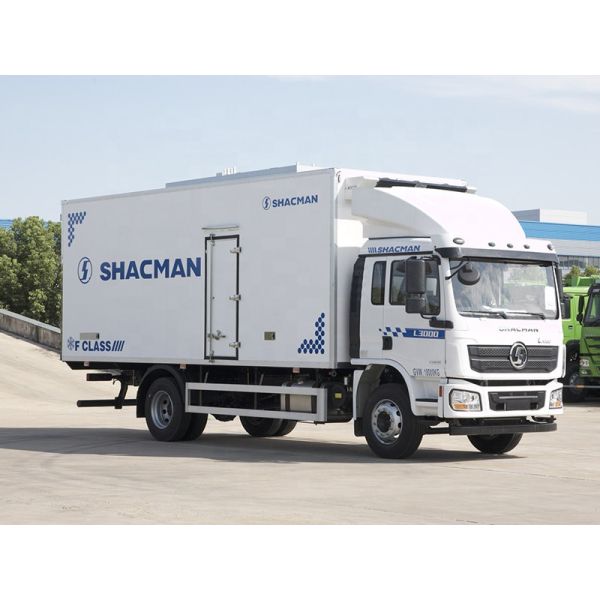
Chassis Brand: SHACMAN, Foton, Dongfeng, Jiefang, or Sinotruk options available.
Engine and Emissions: Verify horsepower meets requirements and compliance with applicable emission standards.
Chassis Stability: Ensure proper reinforcement for refrigerated body installation to handle heavy loads and dense cargo.
D. Pricing and Service Considerations
Price Breakdown: Confirm total on-road pricing including chassis, refrigeration unit, insulated body, installation, delivery, and taxes.
After-Sales Service: Verify separate warranty periods for chassis, refrigeration unit, and body. Confirm service network coverage and response times for refrigeration unit maintenance.