Step 1: Define Your Requirements
1. What goods will you be transporting?
Type of Goods: Determine if you need frozen transport (-18°C or below for ice cream, frozen meat), refrigerated (0°C to 8°C for chilled meat, yogurt, pharmaceuticals), or fresh produce (0°C to 15°C for fruits and vegetables). Consider the value and temperature sensitivity of your goods, as this determines the required performance grade of the refrigeration unit and insulation.
2. What is the scale and frequency of your transport?
Single Load Capacity and Total Weight: Determine your typical tonnage requirements to select appropriate chassis and cargo box sizes. Transport Distance and Frequency: Consider whether you need short-distance urban distribution or long-distance intercity routes, as this affects chassis power, unit endurance, and reliability requirements.
3. What are the requirements for the chassis and licensing?
License Type: Blue plate (car license, easier urban access) or Yellow plate (truck license, higher capacity). Road Conditions: Urban streets, suburbs, or highways determine requirements for chassis power, maneuverability, and vehicle dimensions.
4. What is your budget range?
Your budget determines whether you can choose domestic, joint-venture, or imported refrigeration units, as well as body material grades. Imported brands (Thermo King, Carrier) offer superior performance and reliability, while domestic brands provide better cost-effectiveness and wider after-sales service networks.
Step 2: Confirm Refrigerated Truck Details
A. About the Refrigeration Unit (The "Heart" of the Truck)
1. Unit Type and Brand: Independent units have their own engine for stable operation and can cool for extended periods even when the vehicle engine is off, ideal for long-haul transport and frequent door openings. Non-independent units are powered by the vehicle's engine, offering lower cost and simpler maintenance but limited cooling when stationary.
2. Cooling Capacity and Temperature Range: Verify the unit's cooling capacity (kW or kcal/h) and ensure its maximum capability exceeds your actual needs, particularly for frozen goods requiring -18°C.
3. Control System and Intelligence: Digital temperature control provides precise monitoring and data logging. Remote monitoring capabilities allow temperature checks and adjustments via mobile apps, essential for high-value goods and refined management.
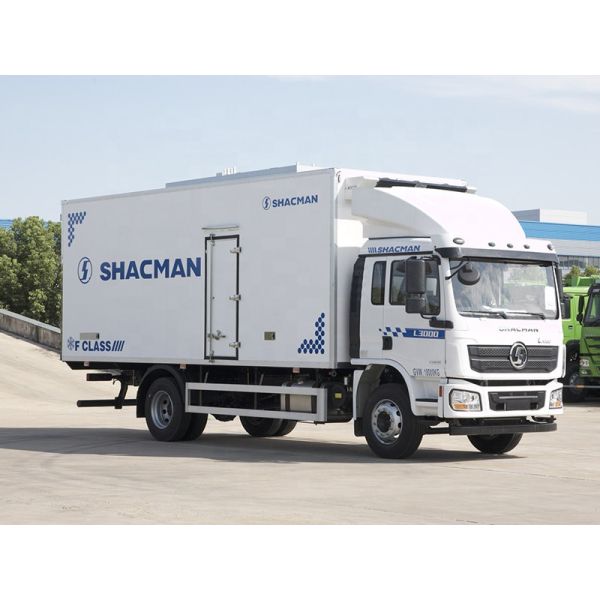
B. About the Insulated Cargo Body (The "Armor" of the Truck)
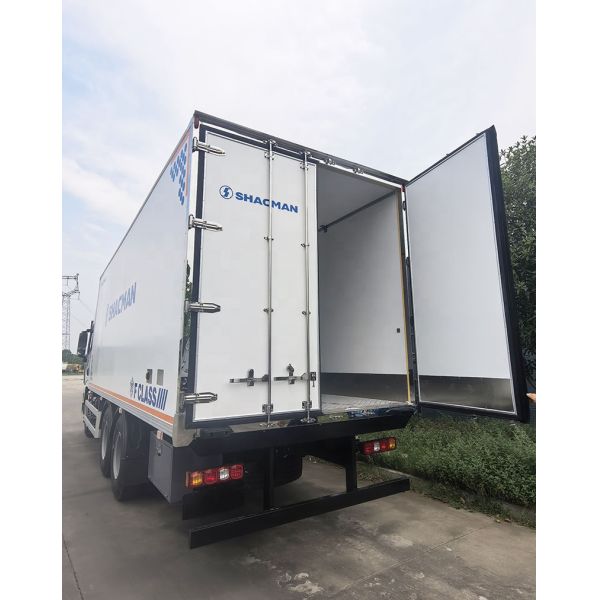
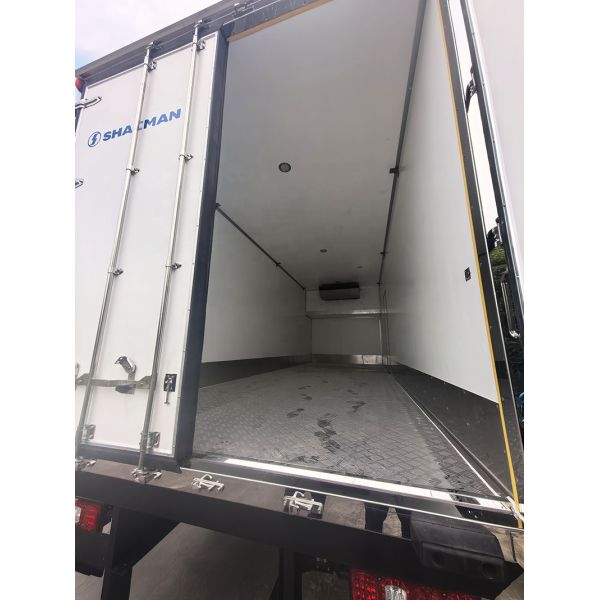
1. Body Material and Structure: Choose polyurethane integral foam for optimal insulation and sealing. Consider inner and outer skin materials: FRP (cost-effective), stainless steel (corrosion-resistant), or aluminum alloy (lighter weight). Insulation thickness of 100mm or more is recommended for frozen goods or large temperature variations.
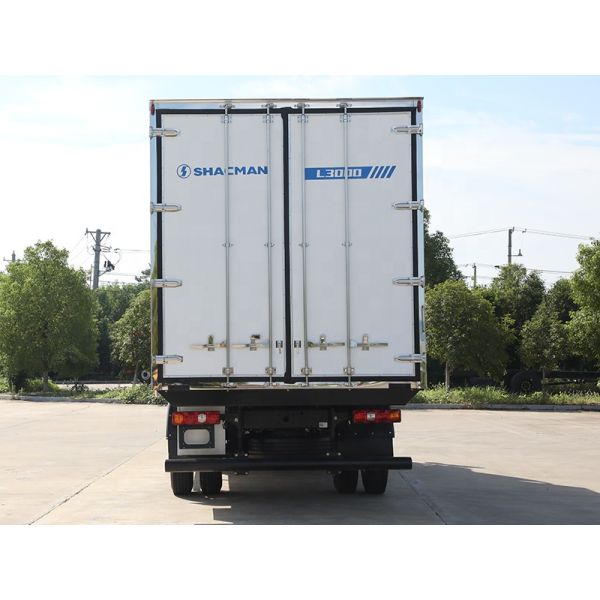
2. Sealing and Details: Inspect door frame structure, seal materials, and sealing layers. Check floor structure for drainage, anti-slip treatment, and ventilation channels to prevent water accumulation and aid cold air circulation.
C. About the Truck Chassis (The "Legs" of the Truck)
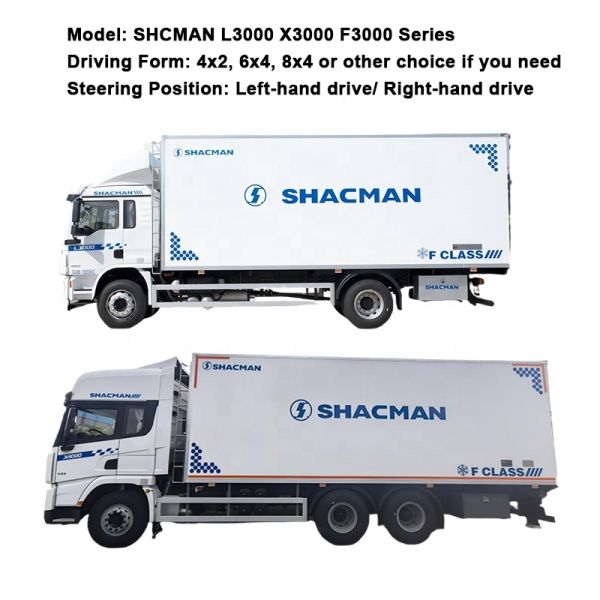
1. Chassis Brand and Model: Verify compatibility with your operational requirements.
2. Engine and Emission Standard: Confirm engine horsepower and compliance with applicable emission standards.
3. Chassis Stability: Ensure the chassis has been reinforced specifically for refrigerated body applications to handle the additional weight and dense cargo.
D. About Price and Service
1. Price Breakdown: Verify that the quoted price includes chassis, refrigeration unit, insulated body, installation, delivery, taxes, and official invoice.
2. After-Sales Service and Warranty: Clarify separate warranty periods for chassis, refrigeration unit, and body. Confirm service center locations and response times for refrigeration unit repairs, as service network availability is crucial.