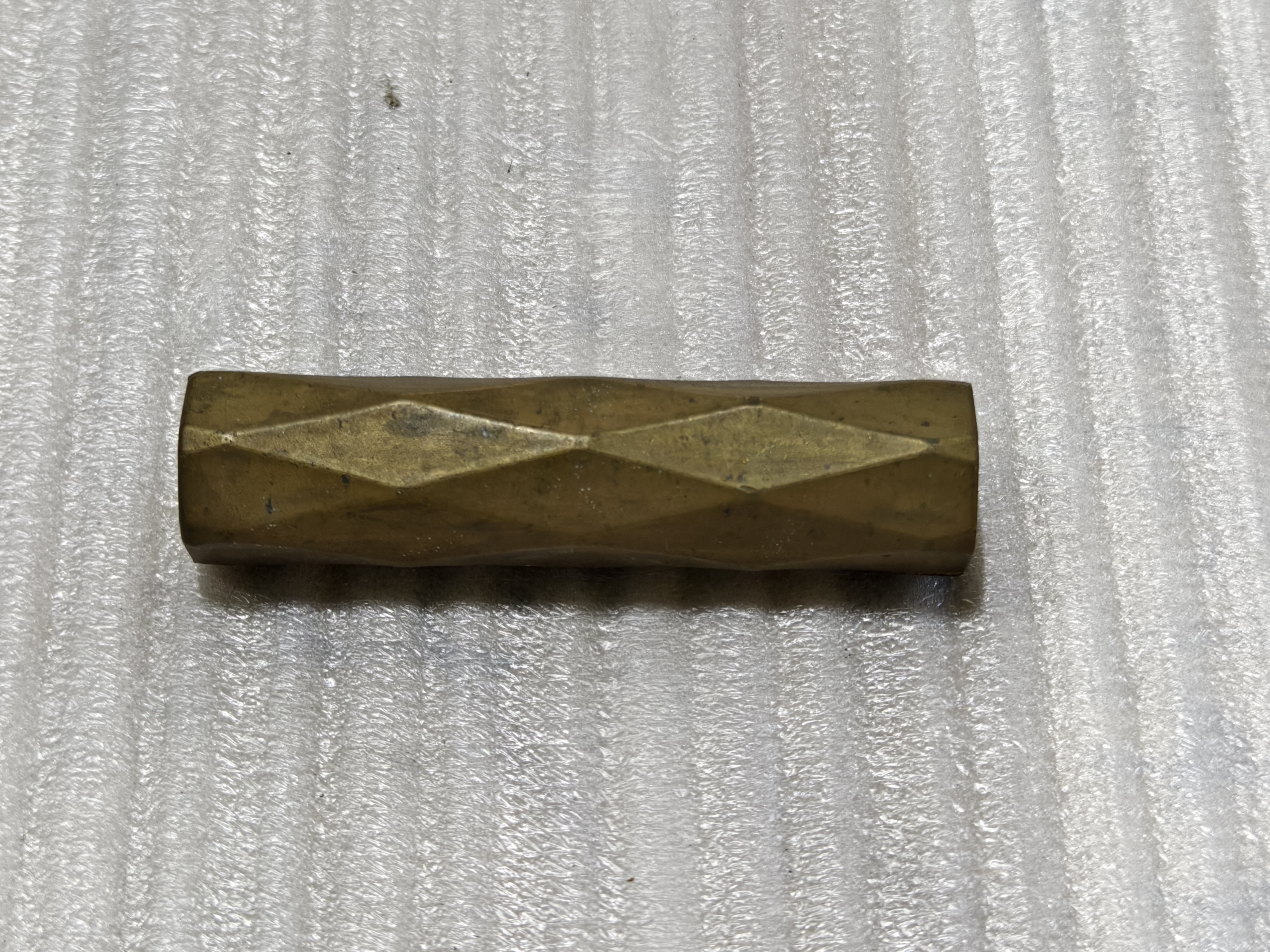
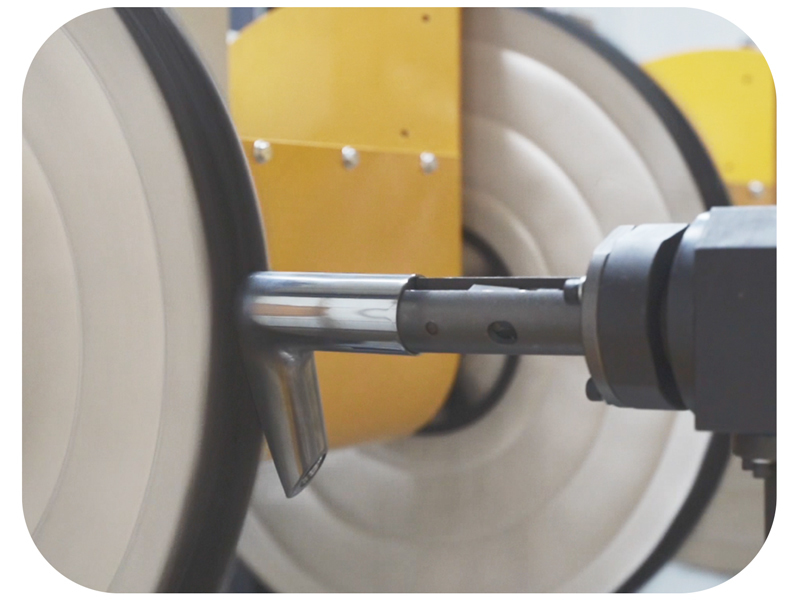
Engineered for Brass Faceted Cylinder Handle Production
Brass faceted cylinder handles demand more than surface finishing — they demand dimensional discipline. Each diamond-cut facet must meet edge sharpness tolerances, inter-facet angle consistency, and cylindrical runout specs simultaneously. Our CNC grinding system is built around exactly that geometry.
Product Overview
| Model |
LR-GRIND-BFH Series |
| Category |
Tight Tolerance CNC Profile & Cylindrical Grinding Machine |
| Target Workpiece |
Brass Faceted Cylinder Handles (Diamond-Cut / Geometric Knurled, Cabinet & Door Hardware) |
| Dimensional Tolerance |
±0.005mm on facet geometry; ≤ 0.01mm cylindrical runout |
| Surface Finish Output |
Ra ≤ 0.05μm (mirror for plating prep); Ra 0.2-0.4μm (brushed satin) |
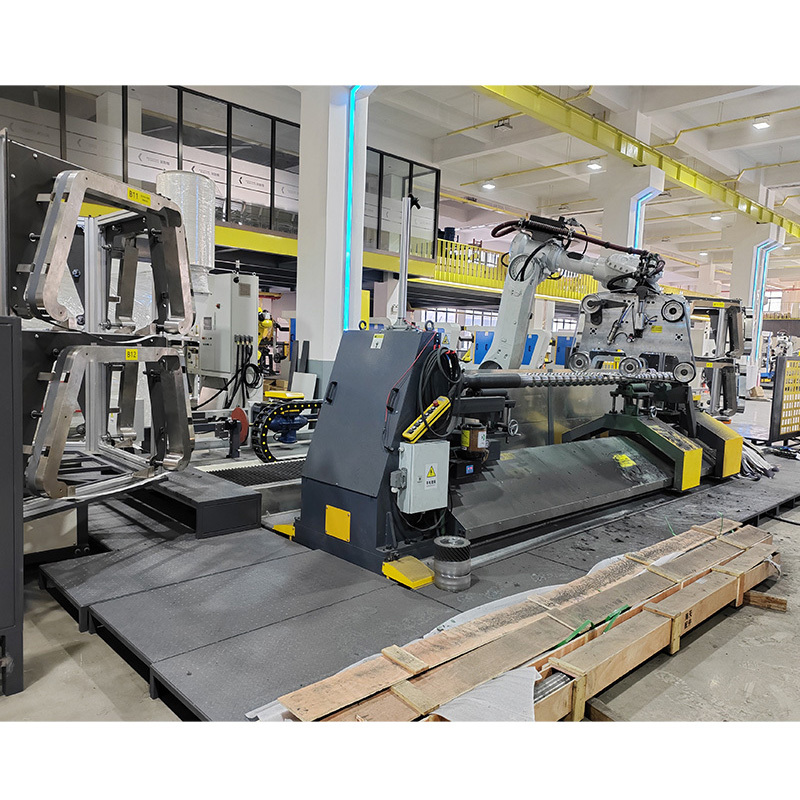
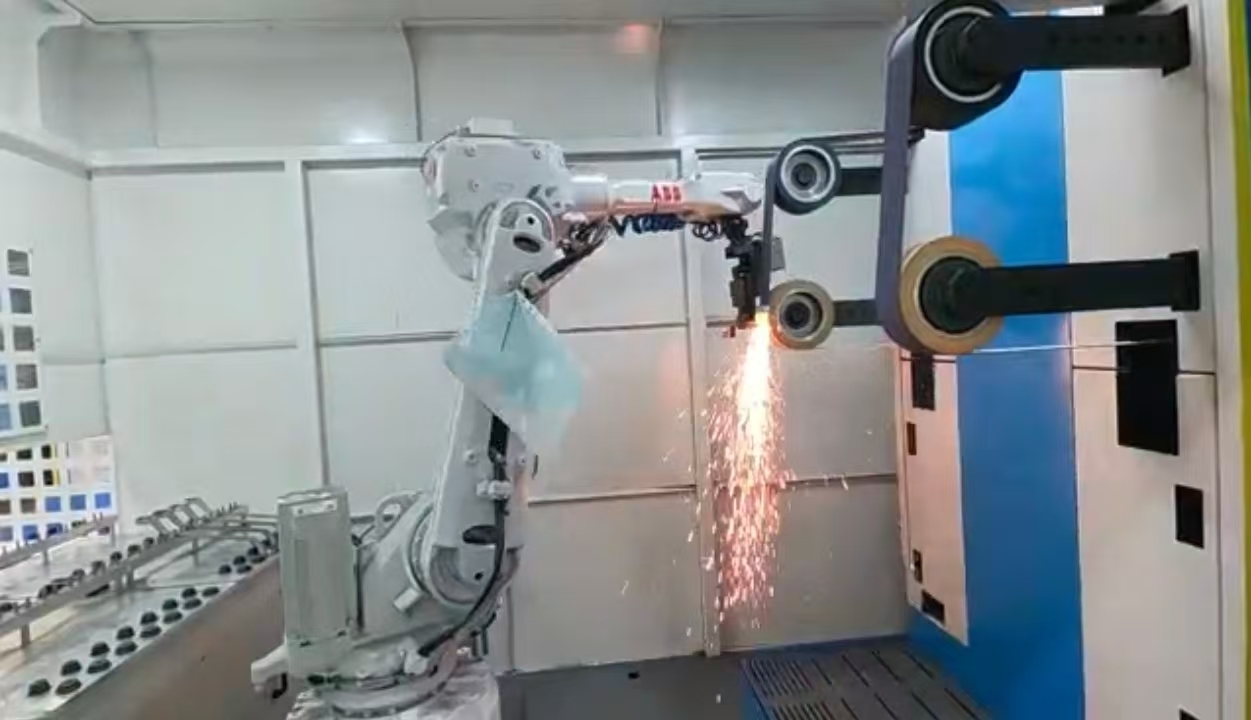
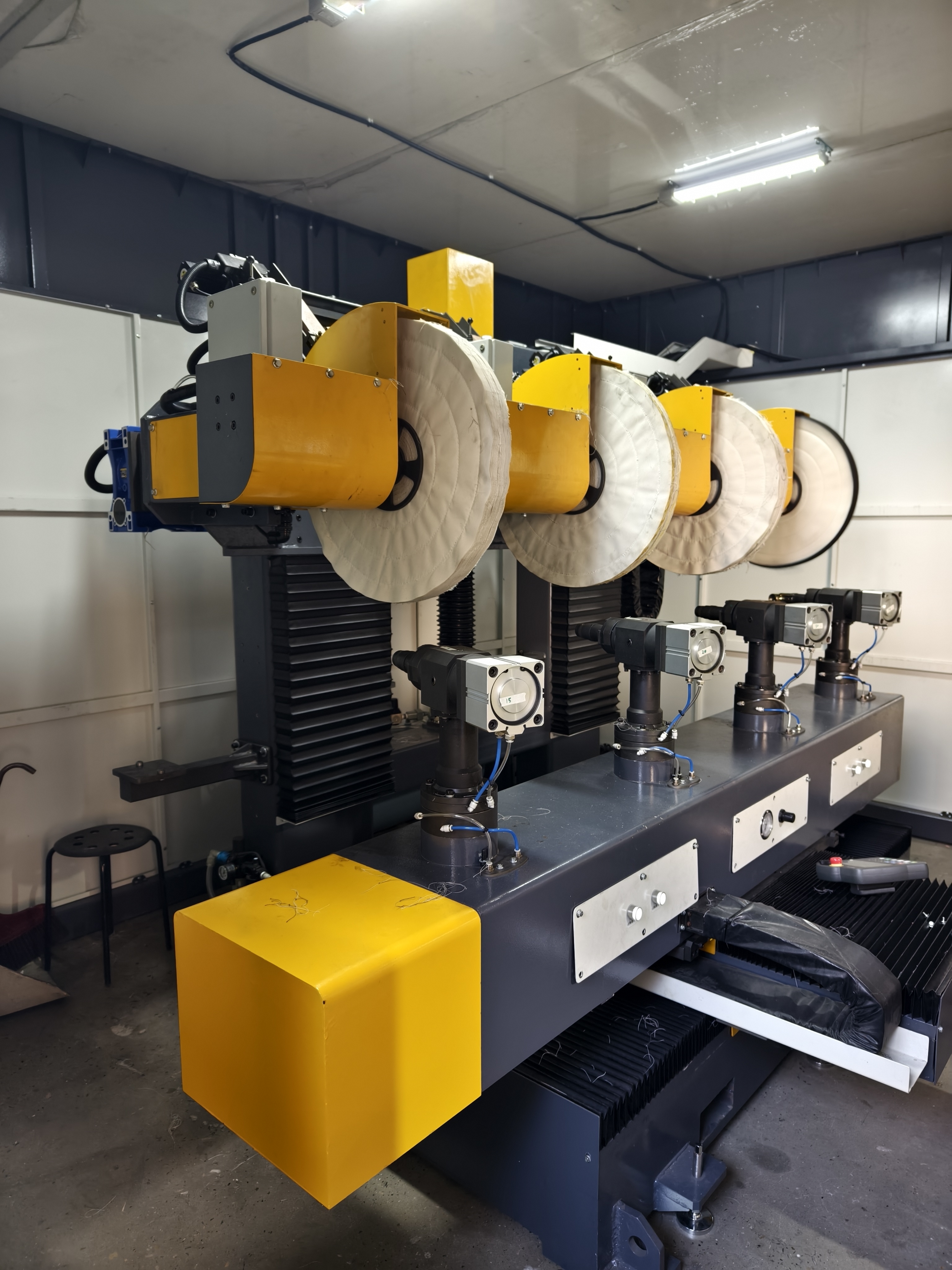
The LR-GRIND-BFH applies precision profile grinding to the multi-facet geometry of brass cylinder handles, maintaining facet edge integrity, inter-facet angle uniformity, and cylindrical concentricity in a single automated cycle. The machine is specifically configured for the mechanical properties of brass — low hardness (HB 60-120), high thermal conductivity, and tendency to smear — using optimized wheel specifications, coolant delivery, and spindle speed protocols unavailable in general-purpose grinding platforms.
Frequently Asked Questions
Q1: Why does my current grinding machine smear the brass surface rather than cutting cleanly?
Brass smearing occurs when grinding wheel surface speed is too high, wheel bond is too hard, or coolant concentration is insufficient. These conditions cause the soft brass to plastically deform rather than be cut by the abrasive. The LR-GRIND-BFH uses an open-structure wheel bond at a surface speed range (18-22 m/s) optimized for brass, combined with a high-flow coolant program that continuously flushes chips and prevents thermal buildup.
Q2: Can the machine handle leaded brass (C360) and unleaded brass (C385) on the same line?
Yes. Leaded and unleaded brass grades have different machinability and grinding behavior. The machine stores separate programs per material grade — wheel speed, coolant concentration, and feed rate are independently programmed. Switching between grades requires a program recall only; no mechanical changeover.
Q3: Our blanks come from sand casting with ±0.5mm OD variance. Can the machine compensate?
Yes. The optional inline laser gauge measures each blank's actual OD and angular position before the grinding cycle begins, automatically adjusting the grinding origin and stock removal depth per piece. This eliminates pre-sorting and allows cast blanks to feed directly into the grinding station without upstream sizing operations.