Turnkey Deburring Solution Robotic Deburring Machine For Aluminum EV Battery Tray
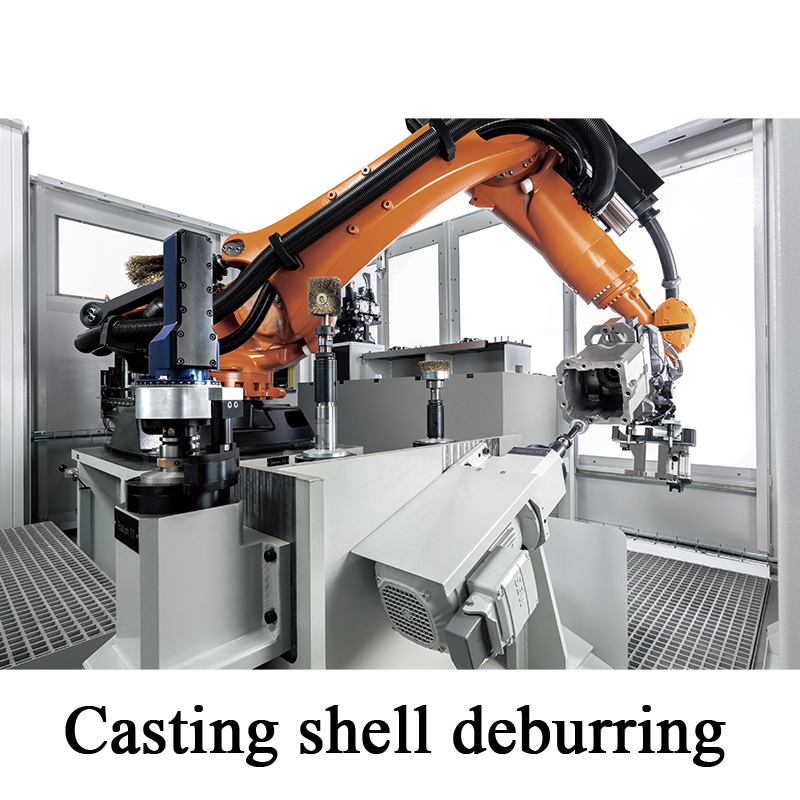
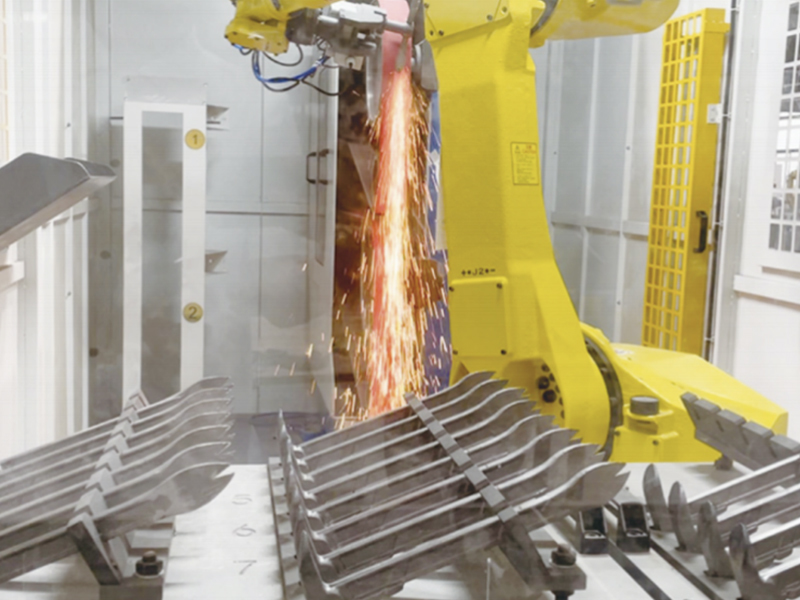
Robotic deburring machine for aluminum die-cast EV battery tray frames — automated burr removal across large-format sealing faces, dense rib networks, and bolt-hole arrays, with the surface precision EV structural components demand.
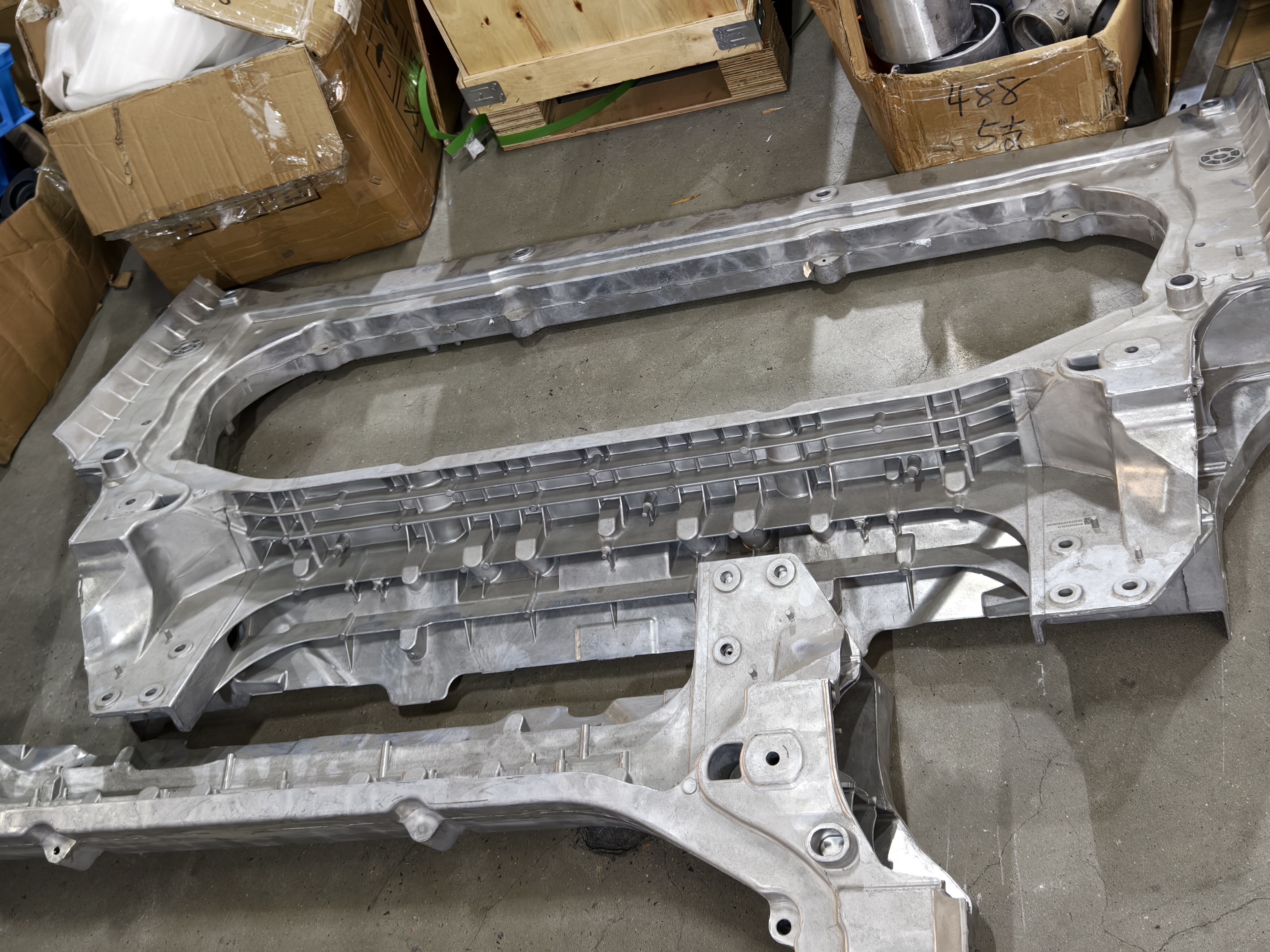
The battery tray is one of the most structurally critical and geometrically demanding die-cast components in any electric vehicle. Its sealing faces must be burr-free to achieve IP67 water and dust protection. Its rib cavities are too narrow for manual tools. And at EV production volumes, manual deburring simply cannot keep pace.
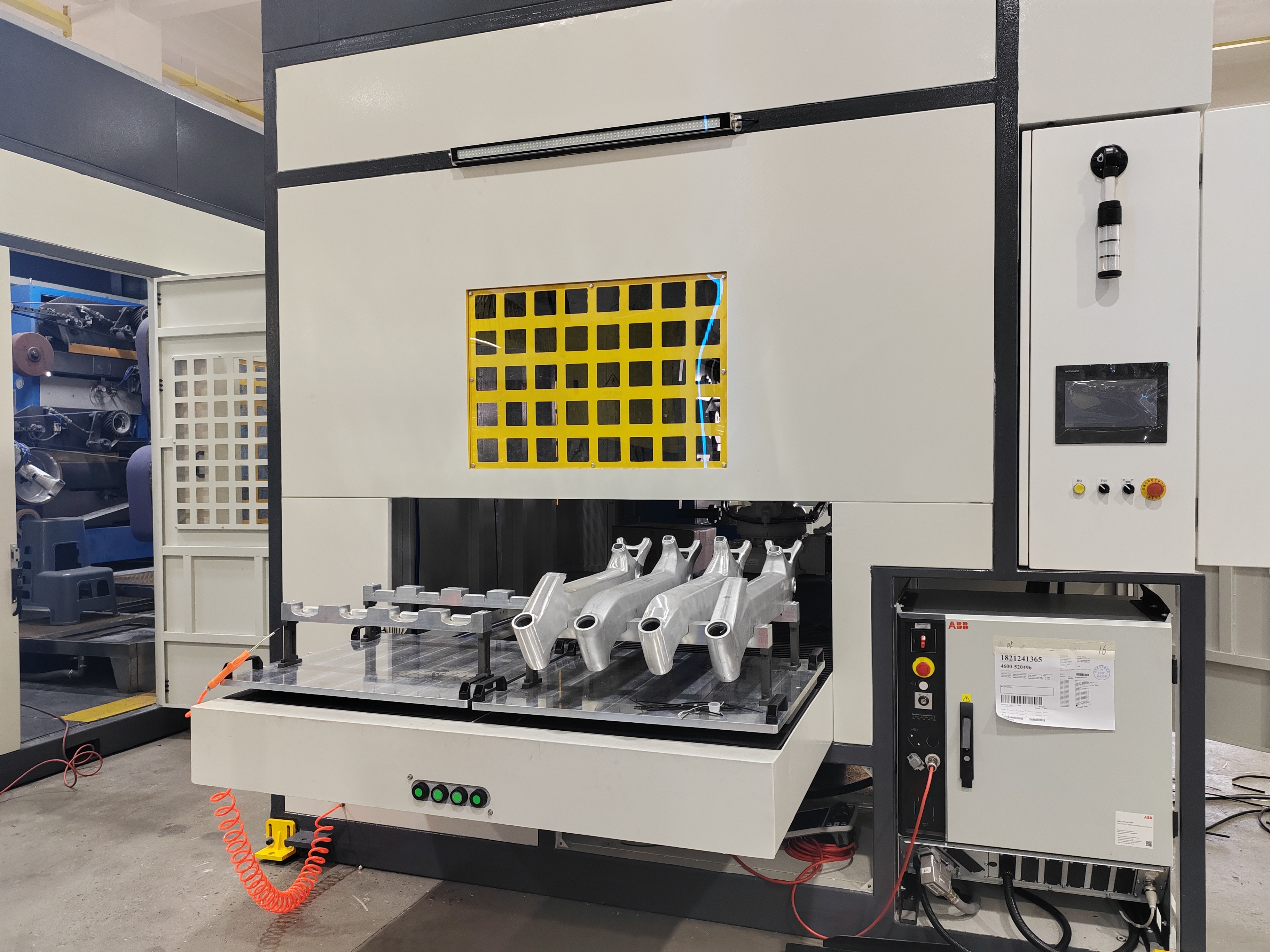
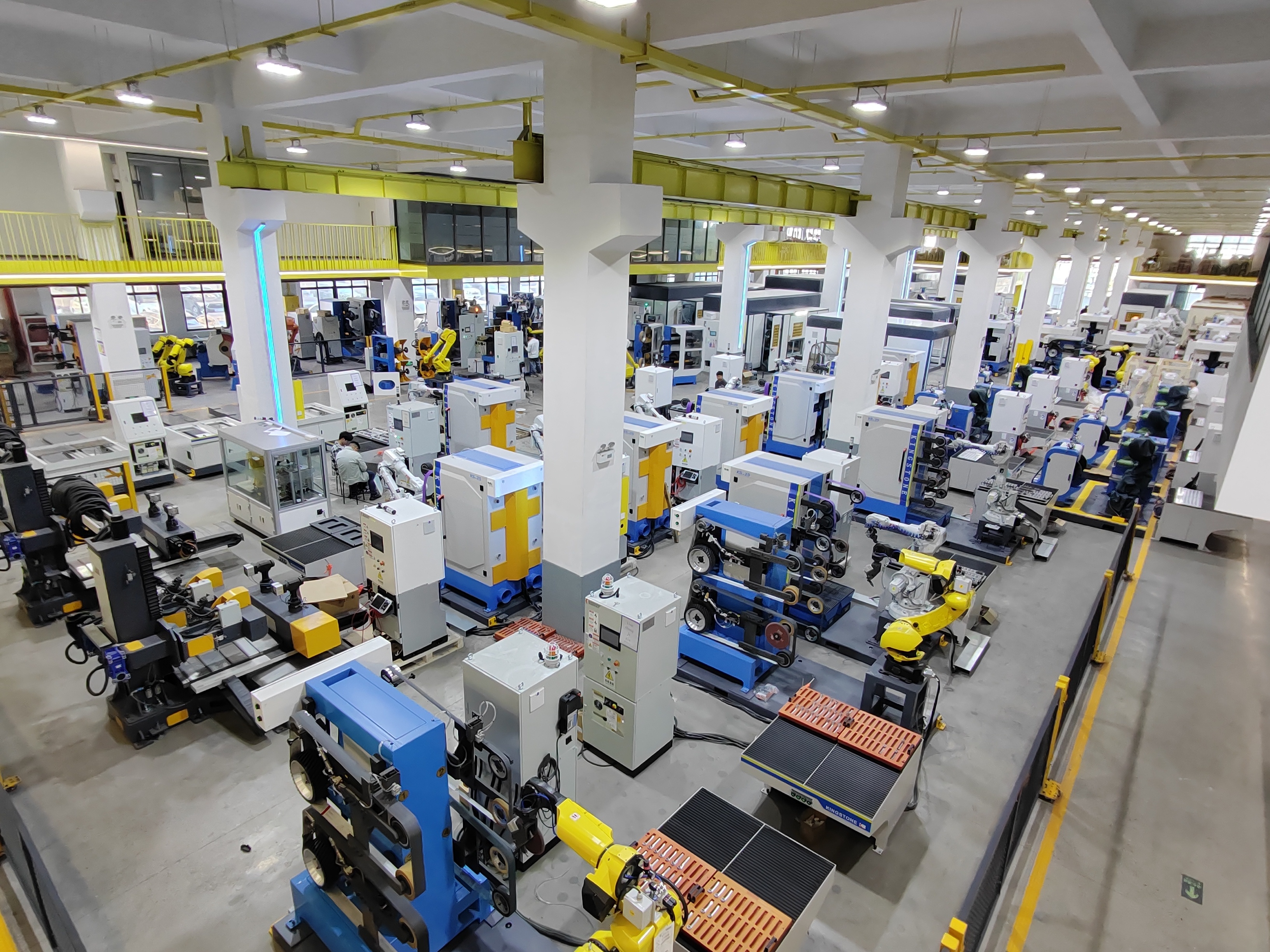
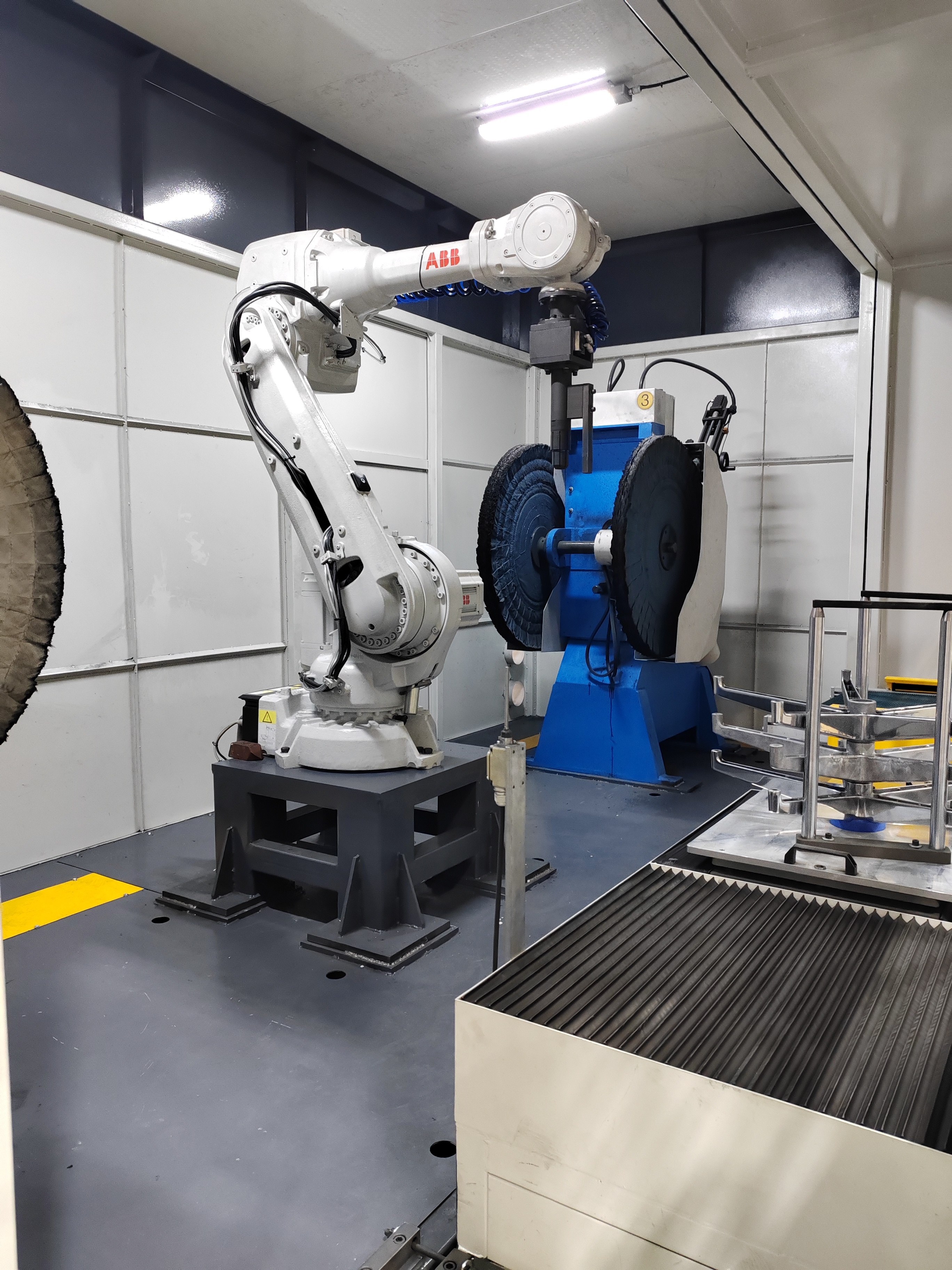
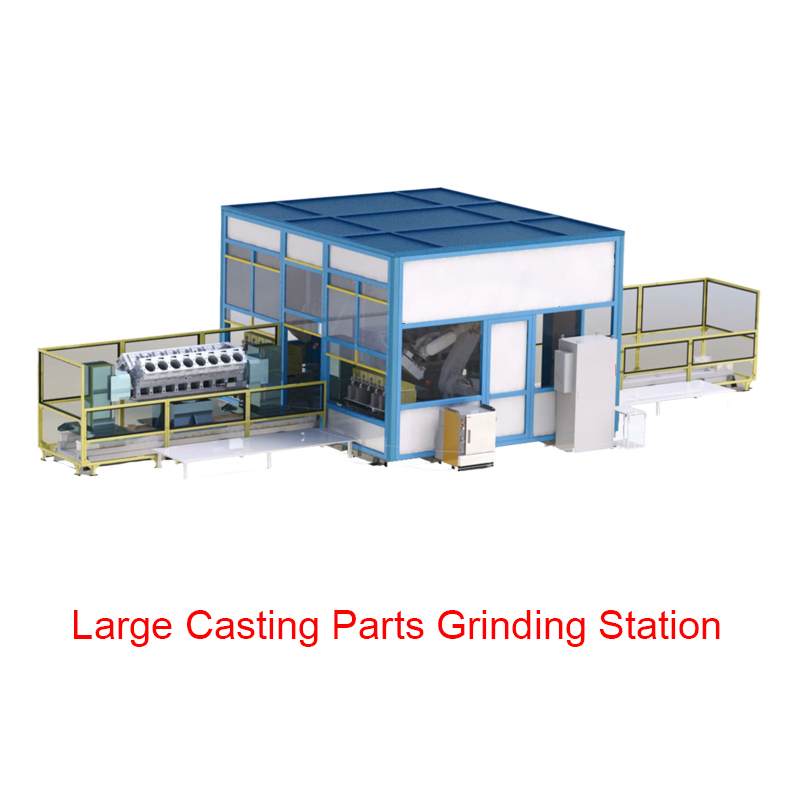
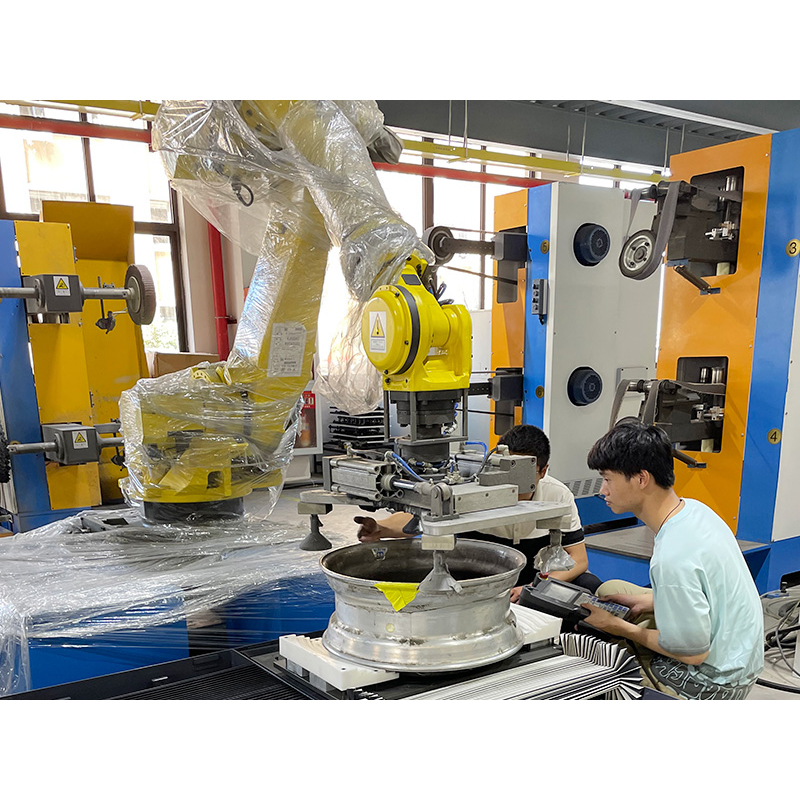
Our robotic deburring cell is built specifically for large-format aluminum die-cast structures — delivering consistent, traceable burr removal at the speed and precision Tier-1 EV suppliers require.
The Problem With Deburring Aluminum EV Battery Trays
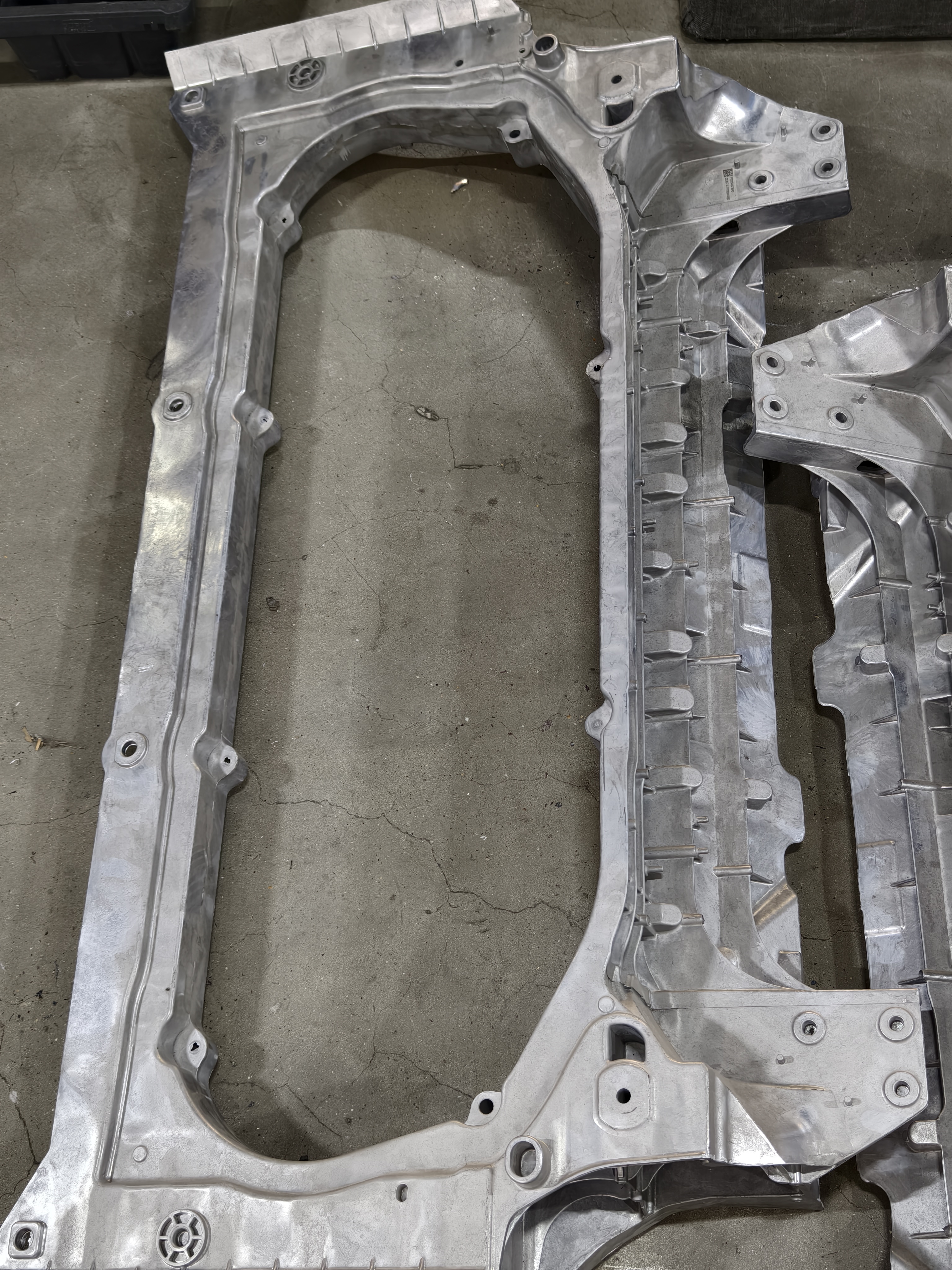
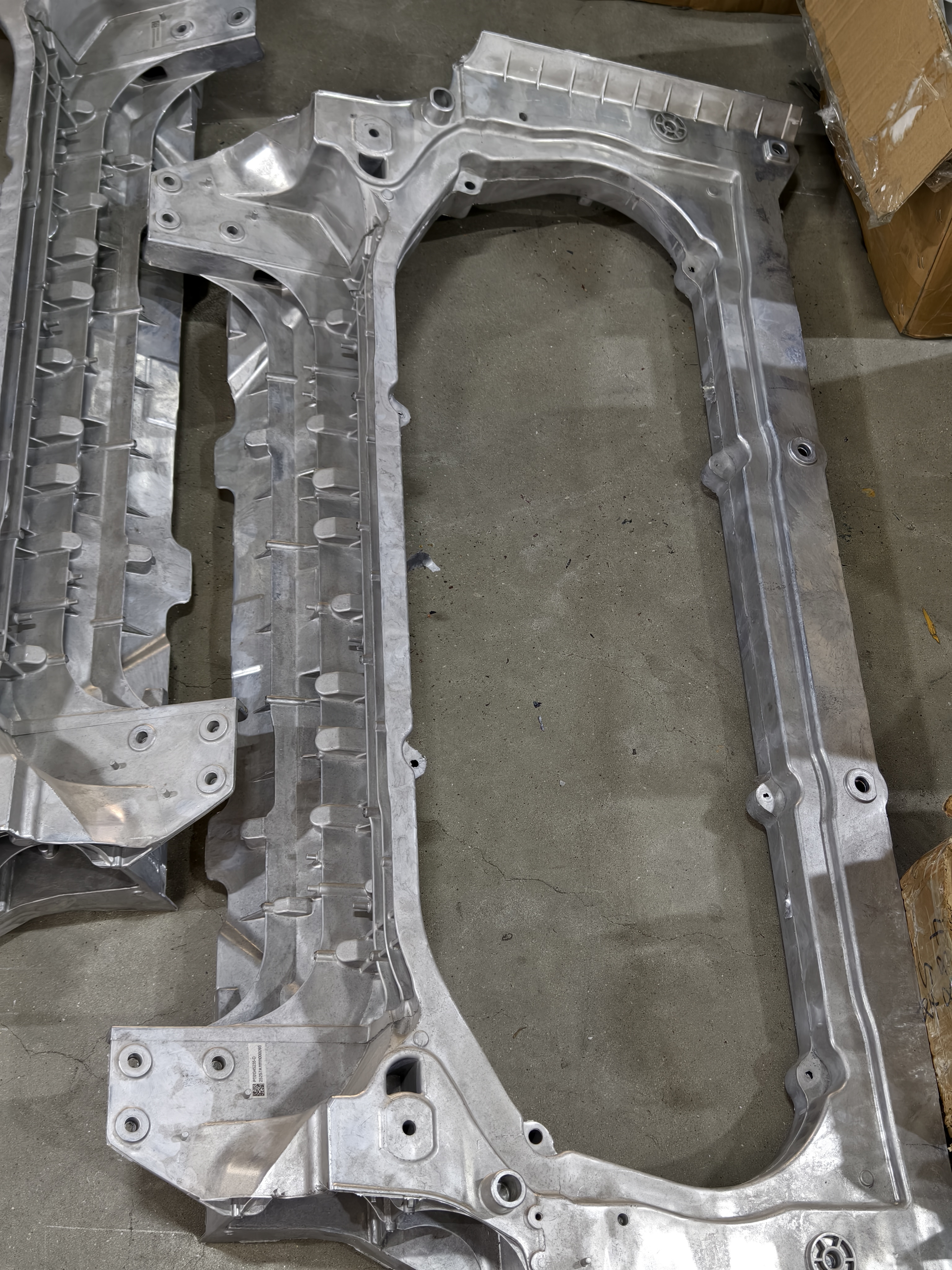
Die-cast aluminum battery tray frames present a combination of challenges found in almost no other automotive component. Size, geometry, material, and downstream tolerance requirements all compound simultaneously.
Five points every EV supplier faces:
- Sealing Face Flatness & Cleanliness: The battery tray perimeter sealing groove must be completely burr-free before the elastomer seal is applied. A single residual burr — even sub-millimeter — compromises IP67 integrity and risks coolant ingress into the cell stack.
- Large Format, Long Parting Line: A typical EV battery tray frame spans 1,000-1,600 mm in length. The parting line runs the entire perimeter plus internal rib intersections — a total burr path easily exceeding 5-8 linear meters per piece. Manual operators cannot maintain consistent pressure and angle across that distance.
- Narrow Rib Cavities: Stiffening ribs are spaced 10-20 mm apart. Standard deburring tools cannot reach between them. Flash left in rib channels traps assembly debris and creates structural hot spots under thermal cycling.
- High-Volume Production Clock: EV platforms run at volumes that make manual deburring a permanent bottleneck. A single casting line can output [TBC] trays per shift — far beyond what a manual finishing team can clear without building buffer inventory.
- No Process Record for Quality Audit: OEM quality systems increasingly require per-piece deburring records — tool path, force data, cycle time — as part of the battery pack traceability chain. Manual operations produce none of this.
Frequently Asked Questions
How does the robot handle the narrow gaps between stiffening ribs?
A slim-profile deburring tool combined with optimized 6-axis approach angles allows the spindle to enter rib cavities as narrow as [TBC] mm. Tool path is programmed per-tray-model based on 3D CAD geometry, ensuring full rib coverage without collision. We validate all tight-clearance zones during the free sample test before order confirmation.
Can the same cell handle both the sealing groove and the bolt-hole array in one cycle?
Yes. The program uses zone-specific parameters: low feed with constant force for the sealing groove perimeter, and a chamfering/brushing pass for bolt-hole countersinks and thread runout areas. Both are completed in a single uninterrupted robot cycle — no manual secondary operation.
How does the machine compensate for casting dimensional variation between batches?
The force-torque sensor (standard on E2/E3) provides real-time feedback, allowing the spindle to maintain consistent contact pressure regardless of casting deviation within ±[TBC] mm. For larger dimensional variation, optional vision locating re-references the robot to the actual part position at each load cycle.
What happens to the aluminum swarf and chips generated during deburring?
The enclosure includes an integrated swarf collection tray with either conveyor evacuation or vacuum extraction (customer selectable). Chip volume per piece is [TBC] g (estimate). The collection system is sized for [TBC]-hour autonomous operation between manual emptying.
Can this integrate directly with our die-casting line — no manual transfer?
Yes. The LR-GRIND-E3 is engineered for direct casting line integration via conveyor in-feed, robot-to-robot handoff from the casting cell, or overhead gantry pick-and-place. A custom integration diagram is produced at the quotation stage based on your line layout.
How does this support our EV battery pack quality traceability requirements?
Every processed tray generates a per-piece log: spindle force profile, cycle time, pass/fail flag, and operator ID. On E2/E3, this data exports via MES interface to your quality management system, supporting battery pack FMEA records, 8D reports, and OEM customer audit documentation.
What is the sample test process, and can we get a budget price before testing?
Standard process: ship [TBC] battery tray samples + STEP file → we run deburring trials and return a before/after video with sealing face measurement data and cycle time → you confirm → we issue layout drawing and formal quotation. A preliminary indicative price range is available before sample testing on request — simply provide tray dimensions, material, and annual volume.