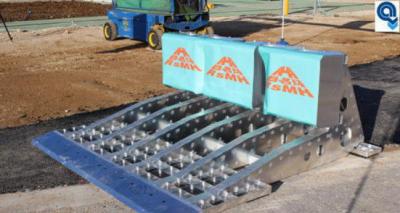
Workplace Controlled Manner Anti-Collision Buffer Vehicle Security Barriers
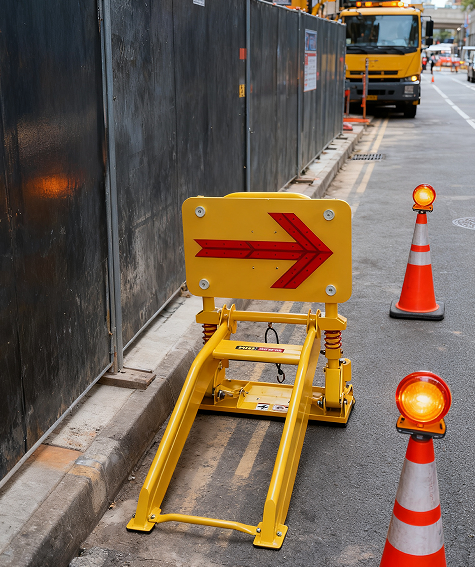
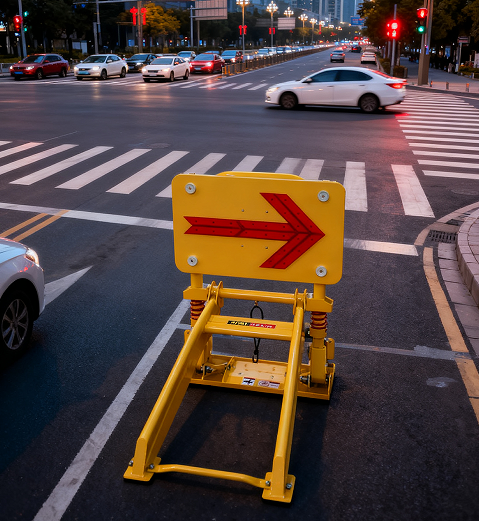
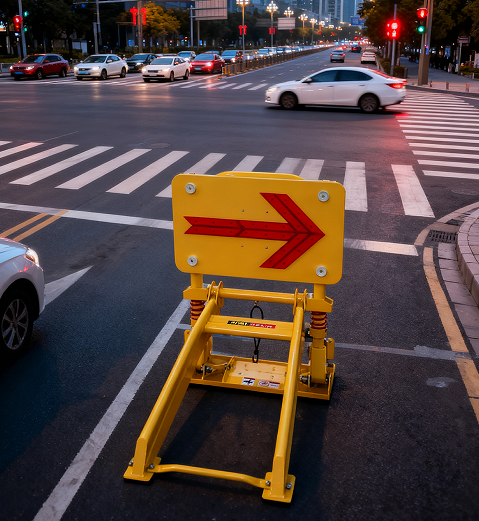
Mini car stop is mainly used for vehicles traveling at low speed on the periphery of construction sites such as highway maintenance, utilities, and construction sites to prevent vehicles from accidentally entering the construction exclusion zone. Traveling vehicles can force the impacting vehicles to stop in a controlled manner by hitting the anti-collision buffer device to ensure a safe and comfortable workplace for staff.

Technical Specifications
Reasons to choose MINI TOMARUKUN
1. Protect workers from accidents caused by vehicles straying into the construction area.
2. Since the system moves and stops in sync with the vehicle, there is no significant impact on the driver.
3. It has the effect of reducing vehicle stopping distance and minimizing damage.
4. Lighter and more compact than the conventional,"TOMARUKUN" and easy to carry.
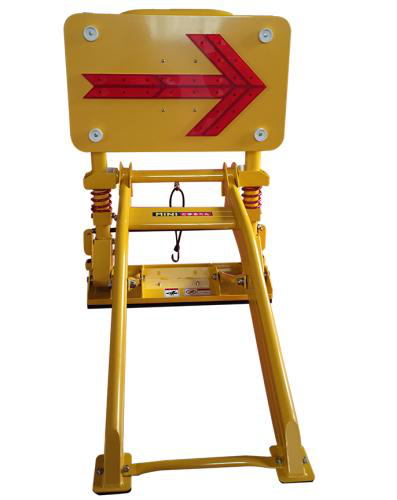
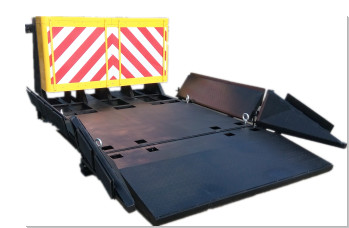
When arrow board(option) is installed

When folded,can be stored in the trunk of an family car.

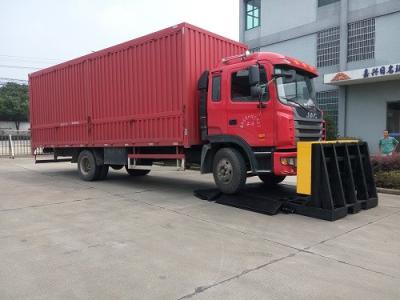
When moving

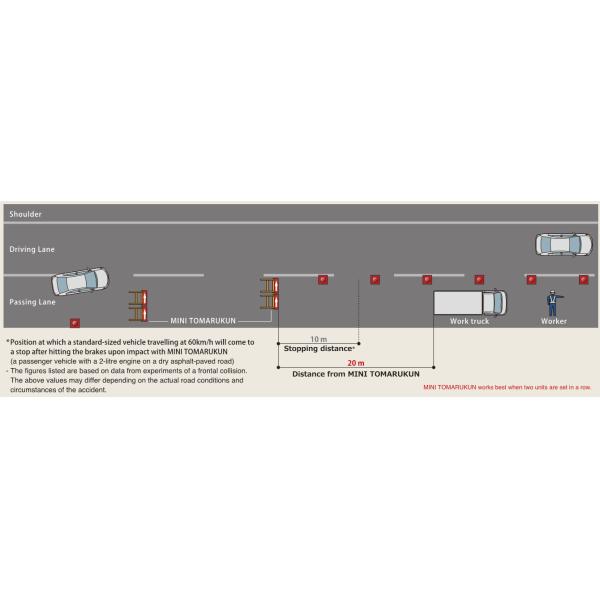
Setting Reference Example
As shown by in the figure below, please install and use it at the beginning of the construction restricted area.
We recommend installing two units in parallel per location.

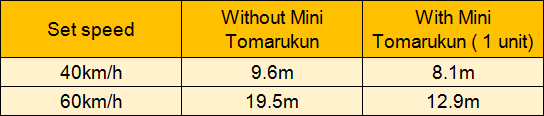
Crash test results (stopping distance data)

Conditions: Test on dry roads and apply the
brakes after a collision
Test vehicle: Toyota Mark II
(Depending on the road surface and accident
situation, there may be different effects)
Mobile Crash Barrier - Frequently Asked Questions
Q1: What is this used for?
A1: It's mainly placed in front of work zones to block vehicles. If a vehicle accidentally hits it, the barrier cushions the impact and slows the vehicle down, preventing it from directly crashing into the work area and causing injury or damaging equipment.
Q2: How does it stop a vehicle?
A2: It relies on three key design features:
-
Lifts the front of the vehicle, dissipating some of the momentum.
-
Creates strong friction between its base and the ground, further slowing the vehicle.
-
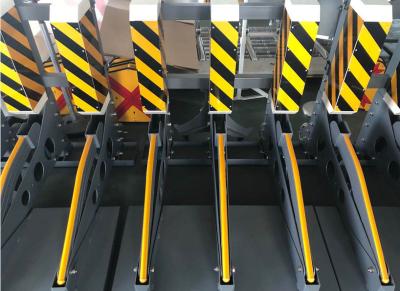
Contains internal energy-absorbing blocks that absorb the remaining impact force. This combination brings the vehicle to a controlled stop.
Q3: What about its quality and durability?
A3:
-
Good Material: The main structure is made of sturdy, lightweight, and rust-resistant aluminum alloy.
-
Good Finish: The surface has a special outdoor-grade coating that resists sun, rain, and fading, keeping the bright color visible.
-
Reliable Design: The structure is robust, and all moving/operational parts are built to last.
Q4: Where is it suitable for use?
A4: It's suitable for areas with slower-moving traffic, such as:
-
Urban road construction or repair sites
-
Residential area or construction site entrances/exits
-
Temporary road closures or event cordoning
Important: It is NOT for use on high-speed roads like highway mainlines.
Q5: Can one person move and set it up?
A5: Absolutely.
Q6: What should be done after it's hit by a vehicle?
A6:
-
Remove it from use immediately. Do not continue using it.
-
Inspect it. If you see obvious bending, cracks, or structural damage.
-
It must be replaced with a new unit. A damaged barrier should never be reused as it is unsafe.
Q7: How to use it most effectively?
A7:
-
Early Warning: Use arrow boards, warning signs, or flashing lights further upstream to alert drivers early.
-
Combine Units: Place several units side-by-side to create a wider protective zone.
-
Correct Placement: Position it directly at the outer edge of the work zone as the final physical line of defense.