Product Q&A
Q: What makes Tomarukun's braking method unique?
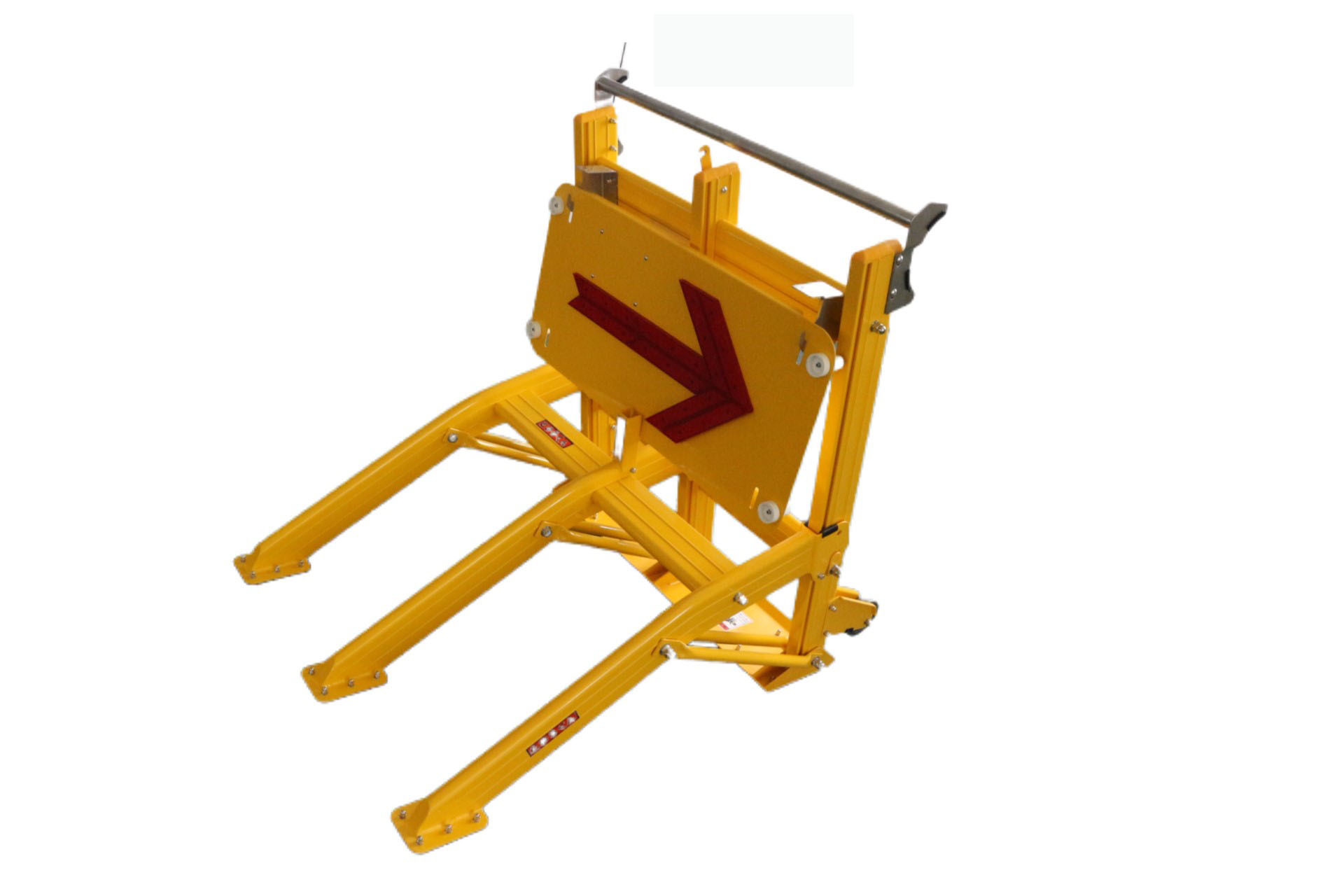
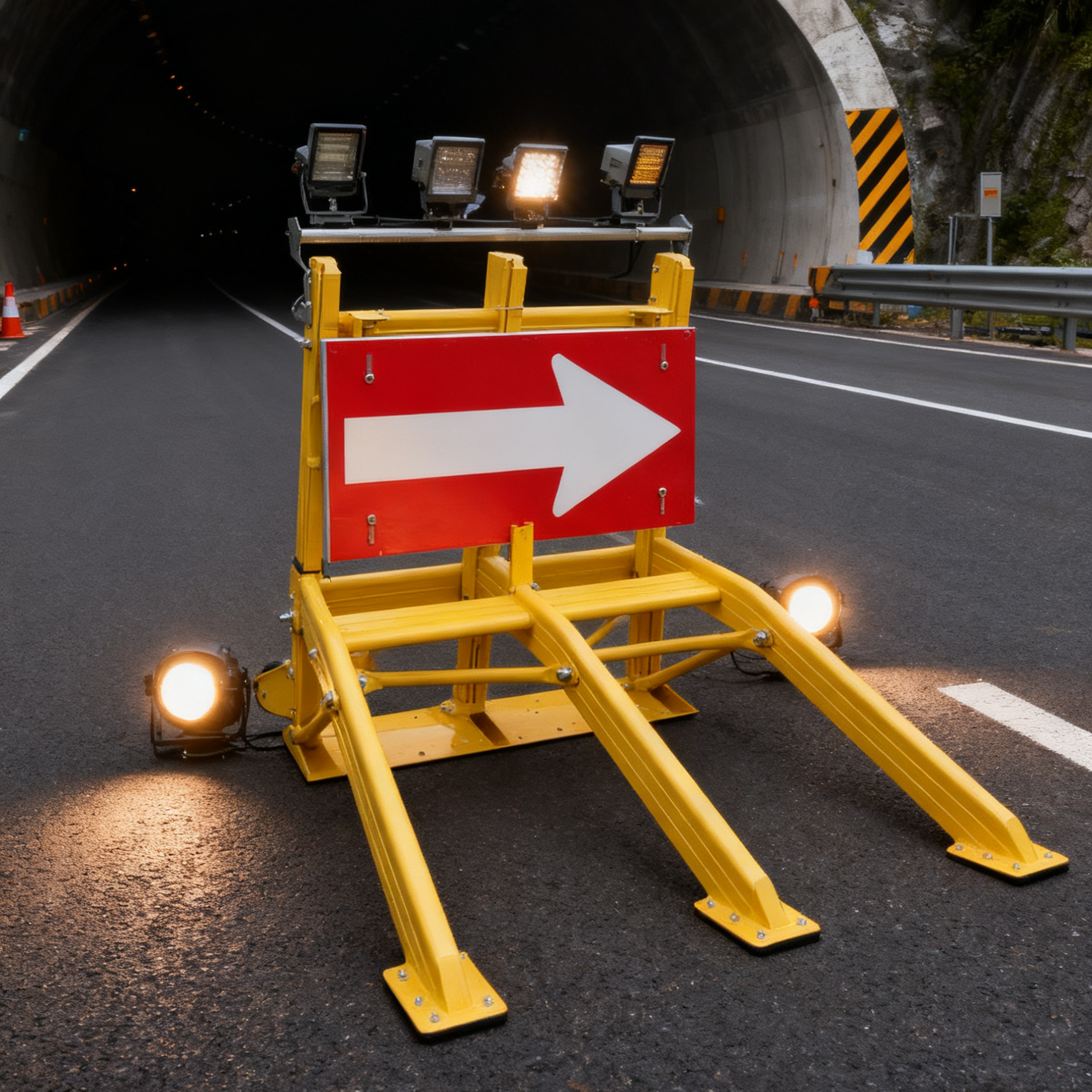
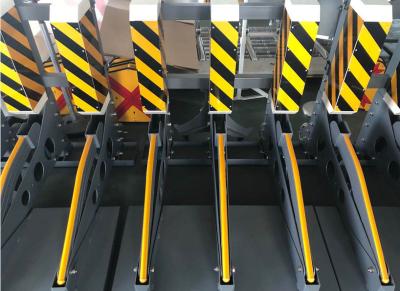
A: It's a purely mechanical braking system - no electronic sensors, no hydraulics, no external power supply. Impact triggers, lever lifts, friction dissipates energy - three steps completed. No wiring aging or signal delay issues. High reliability, simple maintenance.
Q: Can it work properly in rain or snow?
A: The mechanical lifting function is not affected by weather. However, braking distance depends on the friction between the rubber pad and the road surface. On wet or slippery surfaces, the friction coefficient decreases and stopping distance increases accordingly - use with caution or combine with other protective measures.
Q: Does product performance degrade after multiple impacts?
A: The main structure can withstand multiple impacts within its designed range. The only component requiring attention is the rubber pad - it's a normal consumable part. Regular inspection and replacement restore original braking performance.
Q: In what conditions should Tomarukun NOT be used?
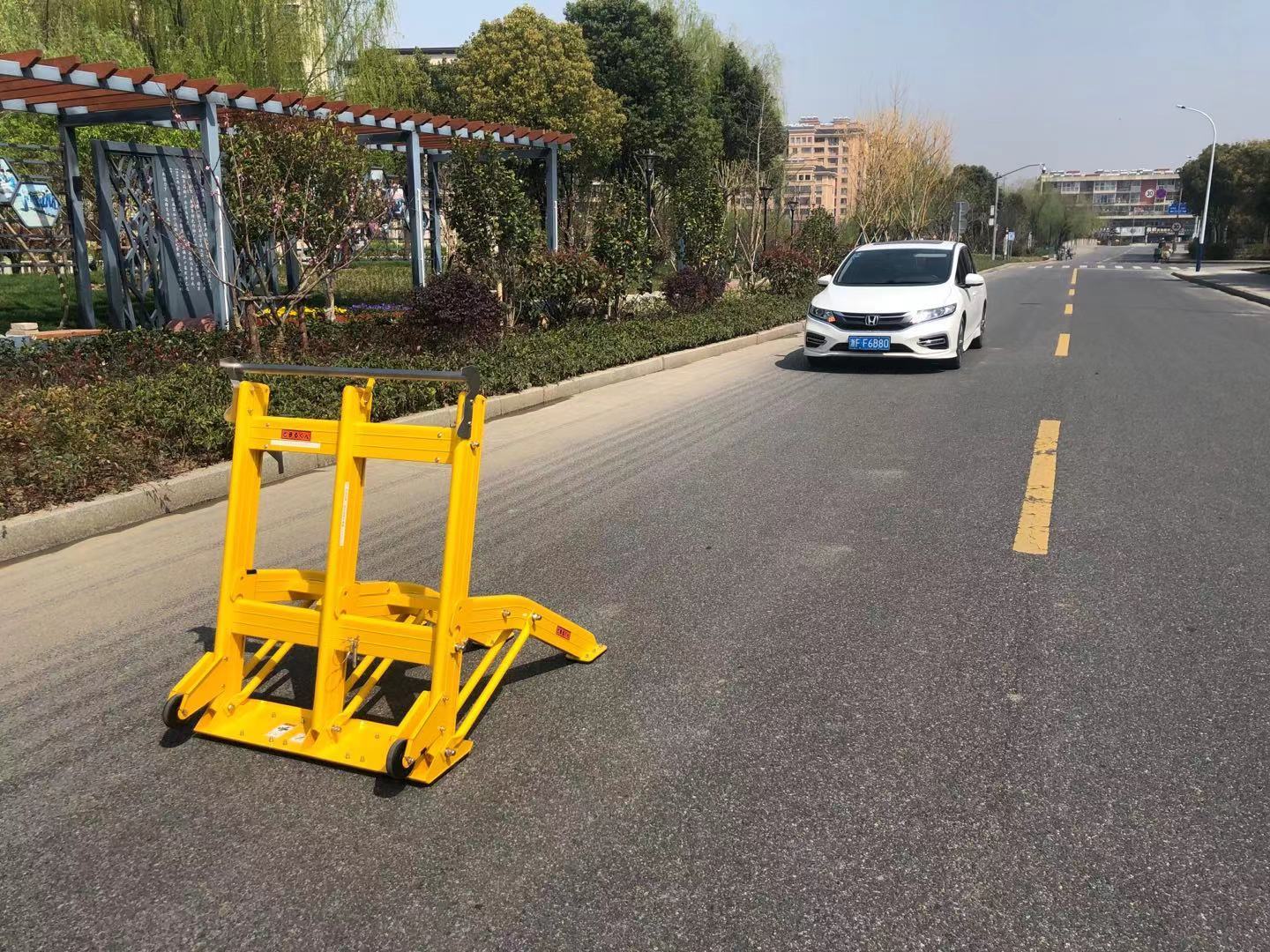
A: On soft surfaces such as gravel or mud where the rubber pad cannot make proper contact; on slippery surfaces such as rain, snow, or ice with low friction coefficients; and on uneven surfaces where the rubber pad would be suspended - all are unsuitable for use.
Q: What are the surface requirements for using this product?
A: The device is suitable for dry, level asphalt or concrete surfaces. Potholes, bumps, or cracks will affect rubber pad contact with the ground and reduce braking effectiveness.
Q: Will the vehicle be damaged upon impact with the device?
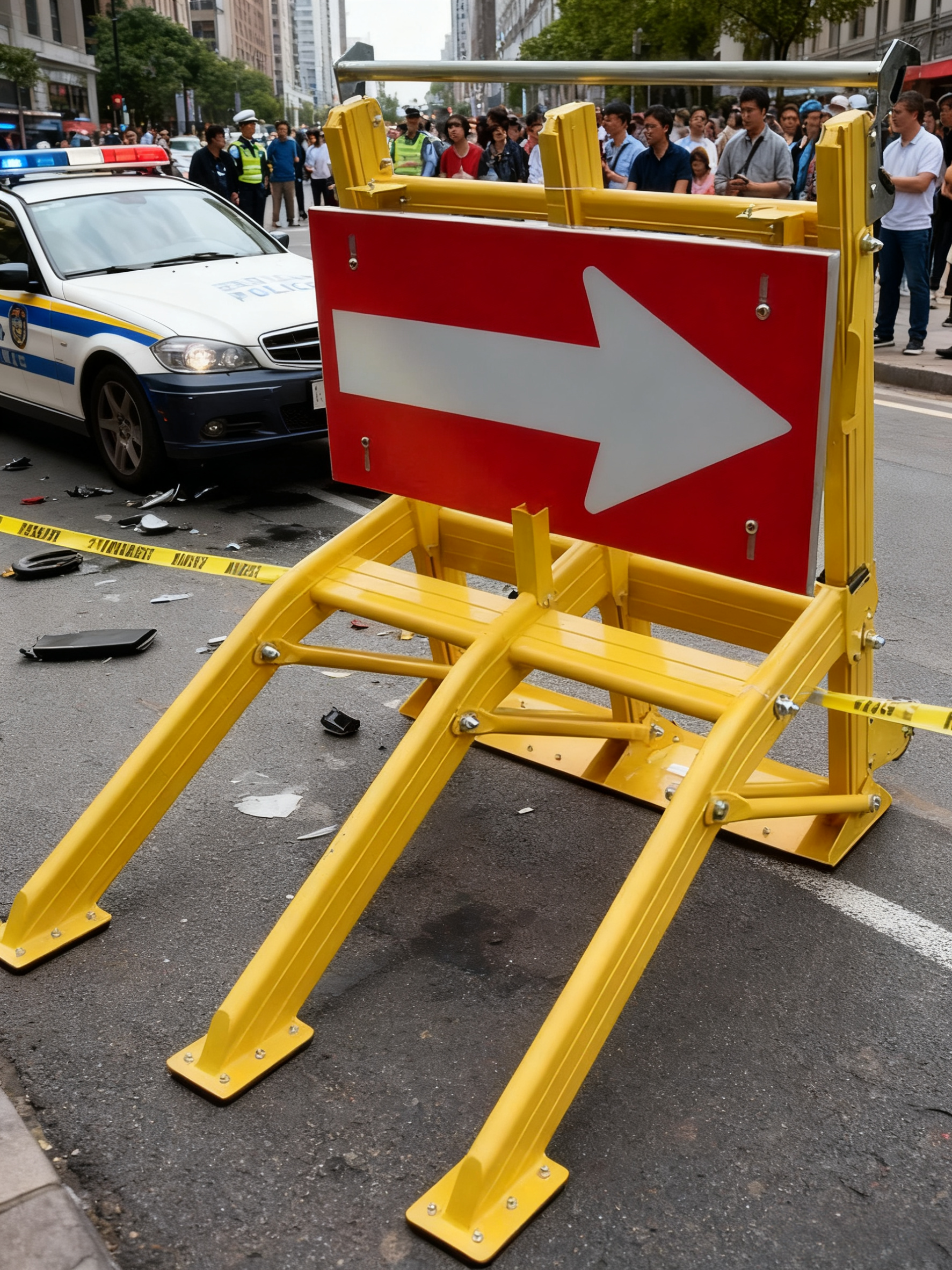
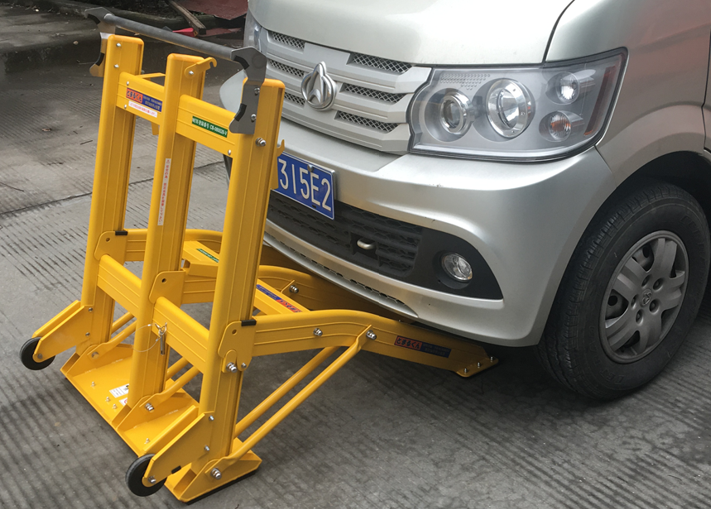
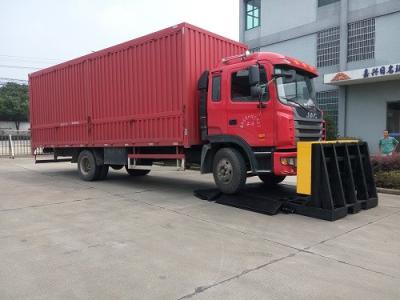
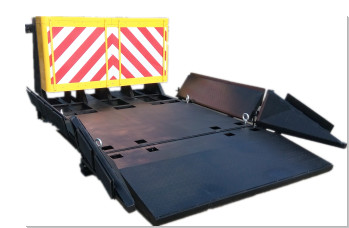
A: The device brakes by lifting the front wheels and dissipating energy through friction. During the process, the front wheels will leave the ground and the vehicle undercarriage may come into contact with the front support arm. The extent of vehicle damage depends on speed and vehicle type, but the overall design objective is to absorb energy in a controlled manner and minimize impact shock to occupants.
Q: How is Tomarukun transported?
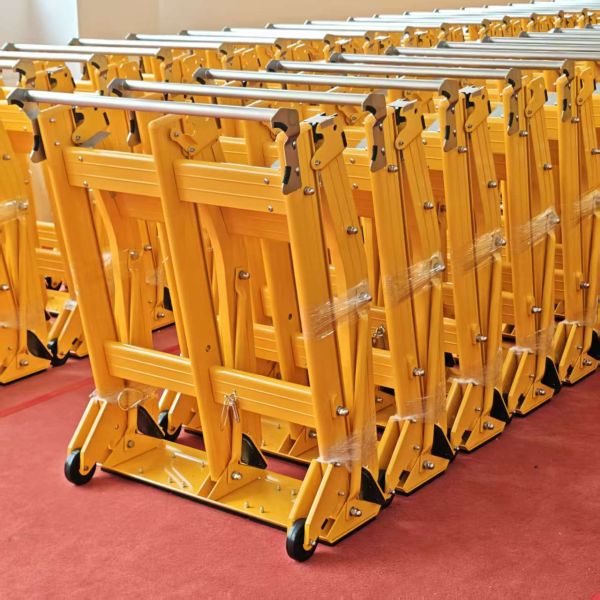
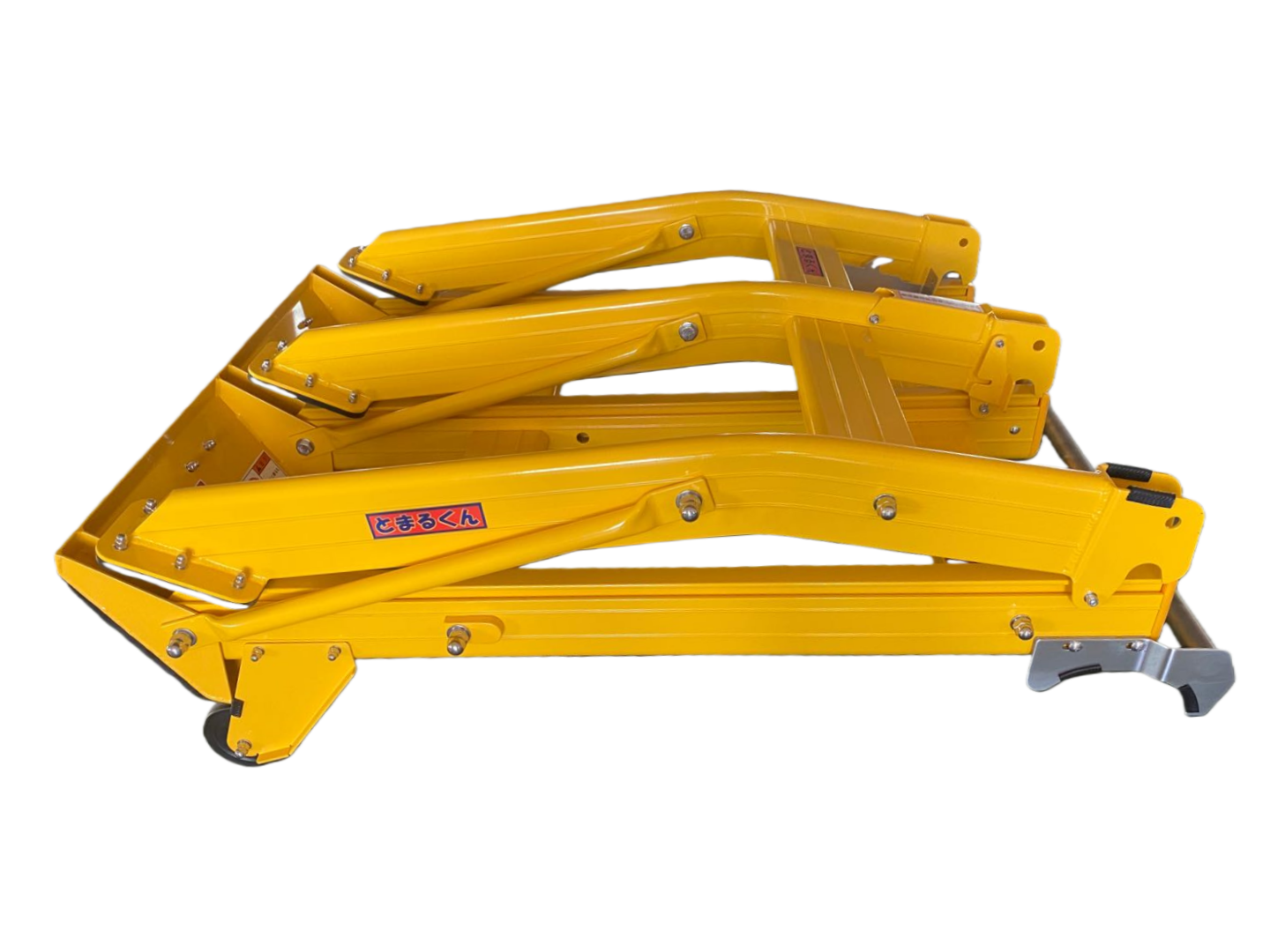
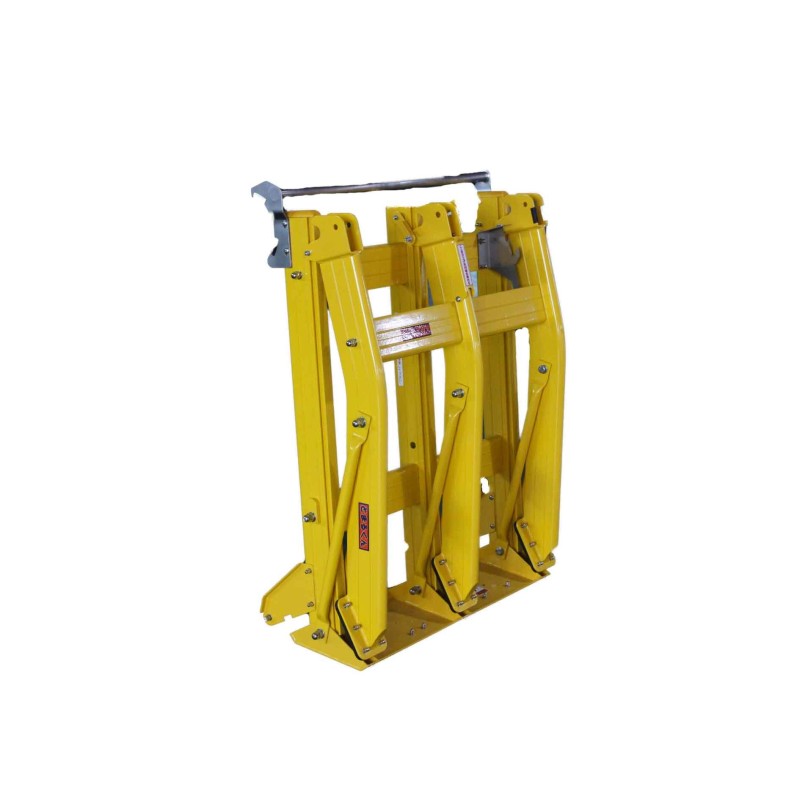
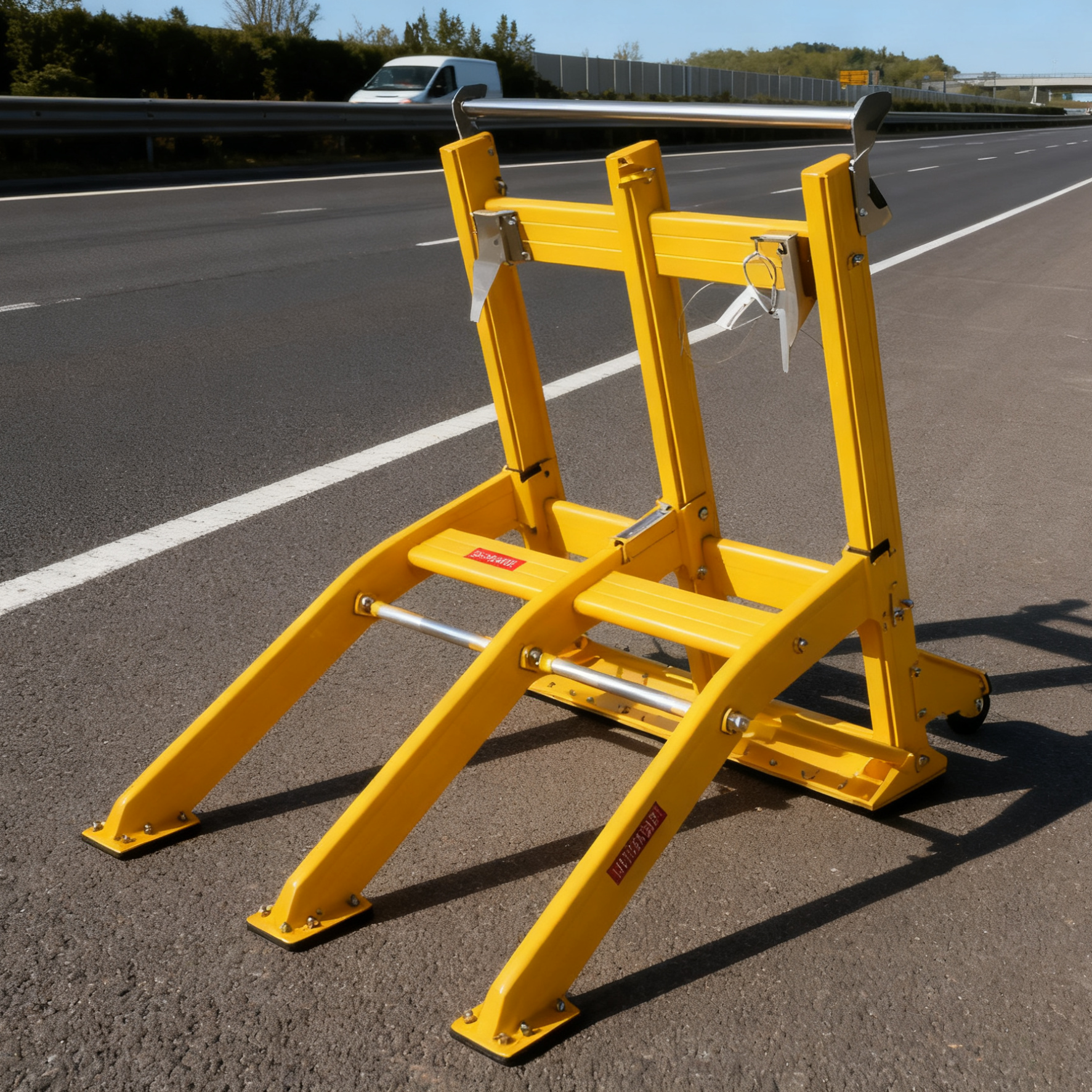
A: When folded, the overall dimensions are compact - it can be placed directly in a pickup truck bed, utility vehicle, or small truck for transport. Secure the device during transport to prevent the lock buckle from coming loose due to bumps.
Q: Can Tomarukun be used for highway emergency lane protection?
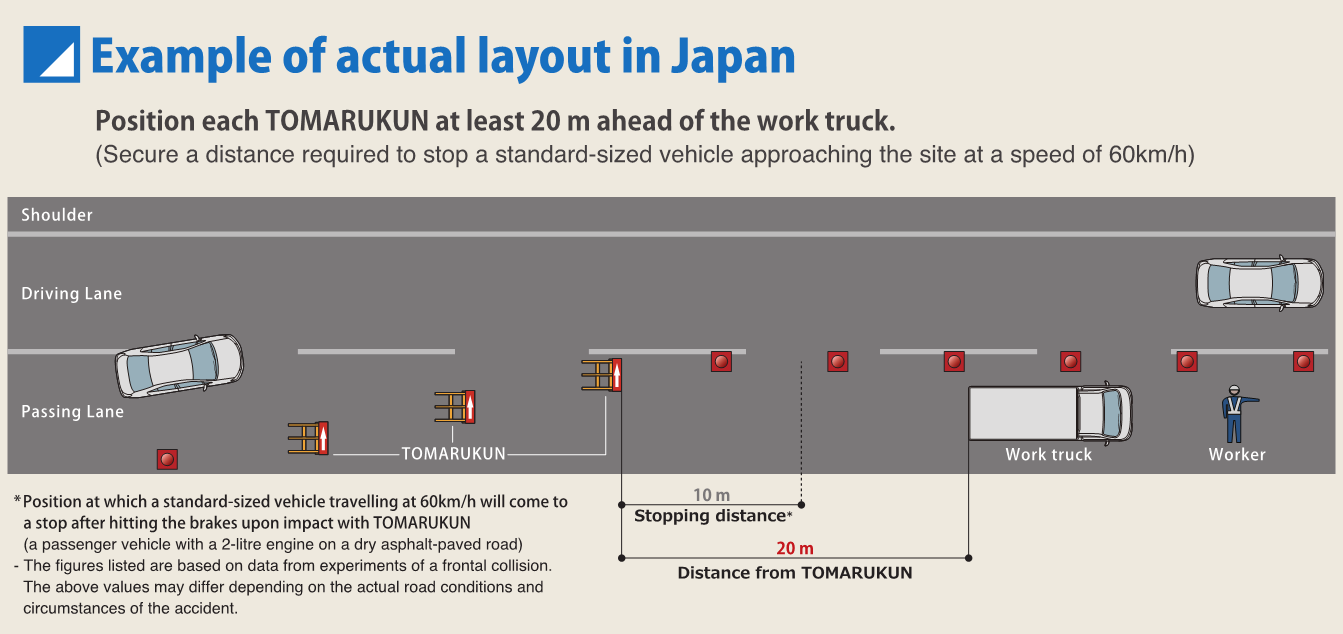
A: Emergency lane speeds are typically higher - Tomarukun is better suited for low-speed scenarios. If use on highways is necessary, place it in lower-speed areas and combine with a multi-layer warning system. Also check local regulatory requirements to confirm whether such devices are permitted on highways.
Q: What inspections are needed before each use?
A: Before each use, check whether the rubber pad is worn to the wear line, whether the folding lock buckle locks properly, whether the wheels rotate freely, and whether the overall structure has any deformation or cracks.