I. Introduction
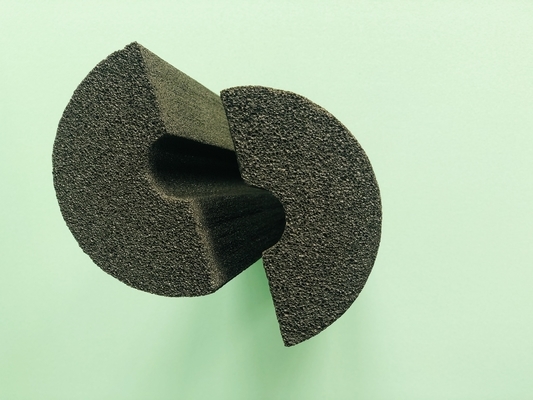
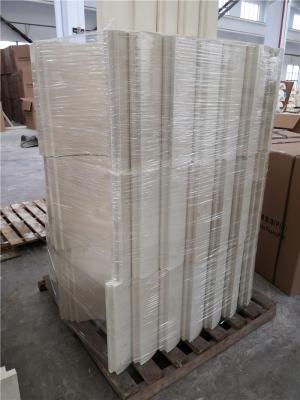
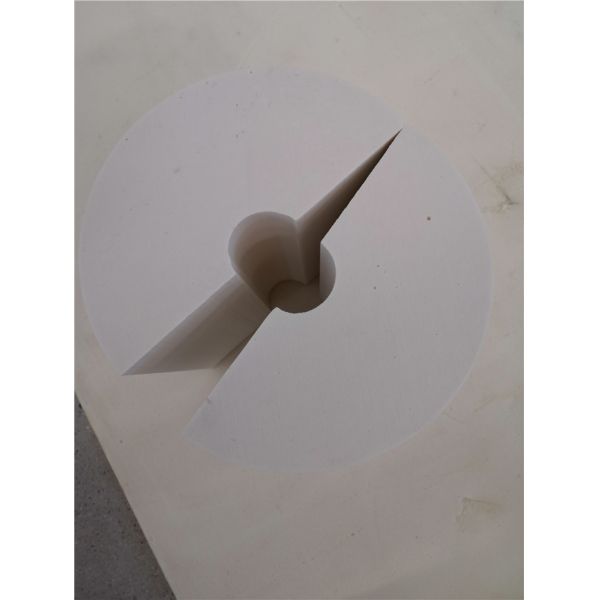
Foam glass is a new type of inorganic cold insulation material made primarily from glass, mixed with appropriate foaming agents, and produced through high-temperature foaming in a kiln followed by annealing and cooling. It features a uniform structure of independent closed cells.
II. Scope of Application
Load-bearing cold insulation for large storage tank bottoms
Low-temperature frozen pipes and container tanks
Offshore oil platforms
Heating pipes and equipment
Building insulation and energy conservation
III. Product Characteristics
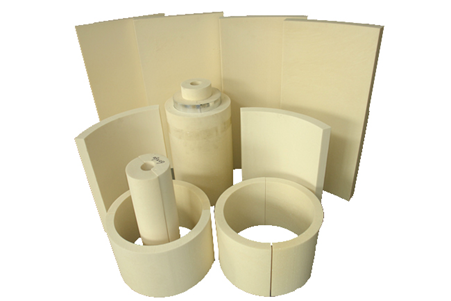
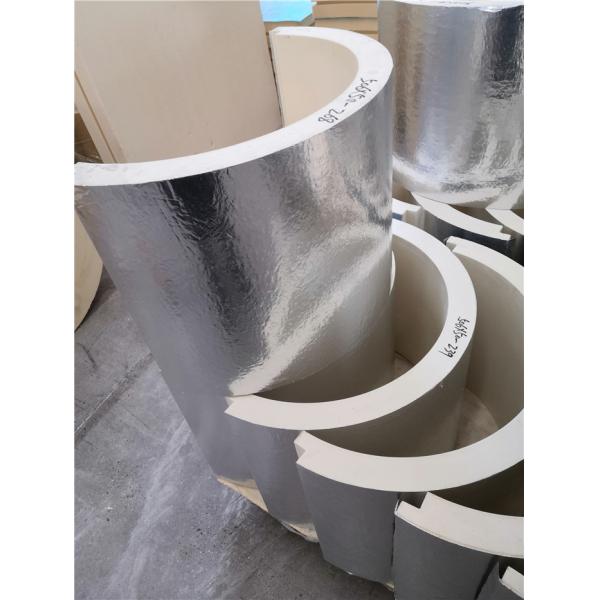
Rigid polyurethane has advantages such as low thermal conductivity, high strength, light weight, sound insulation, shock resistance, insulation, high buoyancy, stable chemical properties, and convenient construction. Meanwhile, it exhibits excellent processing performance and can be prefabricated or processed into flat panels or pipe shell shapes.
Foam glass is a new type of inorganic cold insulation material, mainly made from glass as the primary raw material, mixed with appropriate foaming agents, and produced through high-temperature foaming in a kiln and subsequent annealing cooling process, resulting in a uniform structure of independent closed cells.
Foamglass Insulation Systems Provide Solutions For A Wide Range Of Piping And Equipment Applications At Operating Temperatures From -268 To 482 C (-450 To 900 F)
--- Cryogenic Systems
--- Low Temperature Pipe, Equipment, Tanks And Vessels
--- Medium And High Temperature Pipes And Equipment
--- Hot Oil And Hot Asphalt Storage Tanks
--- Heat Transfer Fluid Systems
--- Hydrocarbon Processing Systems
--- Chemical Processing Systems
--- Above Ground And Underground Steam And Chilled Waterpiping
--- Commercial Piping And Ductwork
Features
1. Low density, low thermal conductivity and high compressive strength;
2. No water absorption, moisture permeability and leakage;
3. Small thermal expansion coefficient, good dimensional stability, no deformation and no cracking;
4. Fire protection, non combustion and corrosion resistance;
5. No mildew, no mouse sniffing, pest control and microorganism;
6. It is suitable for all kinds of harsh environments such as high temperature, deep cold, constant temperature and humidity.
7. Easy to cut, process and construct;
8. Inorganic products, no aging, no degradation of performance, service life synchronous with buildings;
9. Recycling, innocuity, safety and environmental protection.
Performance Index
| Item | Performance Index | Test Mode |
| I | II | III | IV |
| Volume density Kg/m3 | ≤120 | ≤140 | ≤160 | ≤180 | JC/T 647 |
| Density range | >100 ≤120 | >120 ≤140 | >140 ≤160 | >160 ≤180 |
| Conductivity W/(m*k) | ≤0.042 | ≤0.045 | ≤0.058 | ≤0.062 | GB/T 10294 |
| Compressive strength (MPa) | ≥0.5 | ≥0.6 | ≥0.6 | ≥0.7 | GB/T 5486 |
| Flexural strength (MPa) | ≥0.3 | ≥0.5 | ≥0.5 | ≥0.6 |
| Tensile strength vertical to the plane(MPa) | ≥0.15 | JG149 |
| Water Absorption by Vol. (v/v),% | ≤0.5 | JC/T 647 |
| Dimensional stability % | ≤0.3 | GB/T 8811 |
| Combustibility | A1 | GB 8624 |
| Radionuclide limit | internal exposure index(Ira) | ≤1.0 | GB 6566 |
| external exposure index(Ir) | ≤1.0 |
| Property | Unit | Grade 800 | Grade 1000 | Grade 1200 | Grade 1600 |
| Ave. Density | kg/m3 | 120±8 | 130±8 | 140±8 | 160±10 |
| Thermal Conductivity | Ave. Value | W/(m·K) | 0.043 | 0.044 | 0.046 | 0.048 |
| Highest Single Value | (10℃) | 0.045 | 0.046 | 0.048 | 0.05 |
| Compressive Strength | Ave. Value | MPa | 0.8 | 1 | 1.2 | 1.6 |
| Lowest Single Value | 0.55 | 0.69 | 0.83 | 1.1 |
| Water Absorption by Vol. | % | ≤0.5 |
| Thermal Expansion Coefficient | 1/℃ | 9×10⁻⁶ |
| Service Temp. | ℃ | -196~+450 |
| Property | Unit | Grade 500 | Grade 700 | Grade 1400 | Grade 2400 |
| Ave. Density | kg/m3 | 110±8 | 115±8 | 150±10 | 220±20 |
| Thermal Conductivity | Ave. Value | W/(m·K) | 0.038 | 0.04 | 0.047 | 0.056 |
| Highest Single Value | (10℃) | 0.04 | 0.042 | 0.049 | 0.058 |
| Compressive Strength | Ave. Value | MPa | 0.5 | 0.7 | 1.4 | 2.4 |
| Lowest Single Value | 0.35 | 0.48 | 0.97 | 1.66 |
| Water Absorption by Vol. | % | ≤0.5 |
| Thermal Expansion Coefficient | 1/℃ | 9×10⁻⁶ |
| Service Temp. | ℃ | -196~+450 |
Cellular glass is a kind of inorganic rigid insulation materials, which is non-toxic, harmless, environmentally and friendly. It can be applied to cryogenic and high-temperature environment, and it is the best comprehensive low-temperature thermal insulation material.
Cellular glass is not only a cold insulation but also a thermal insulation material, which can be used from deep cold area to thermal state. At the same time, after long-term use it will not be deteriorated and and it plays an important role in fire prevention and earthquake prevention. It is not only safe and reliable, but also durable when it is used in the harsh environment of low temperature, deep cold, underground engineering, inflammable, explosive, humid and chemical erosion. It is known as "permanent thermal insulation material that does not need to be replaced".
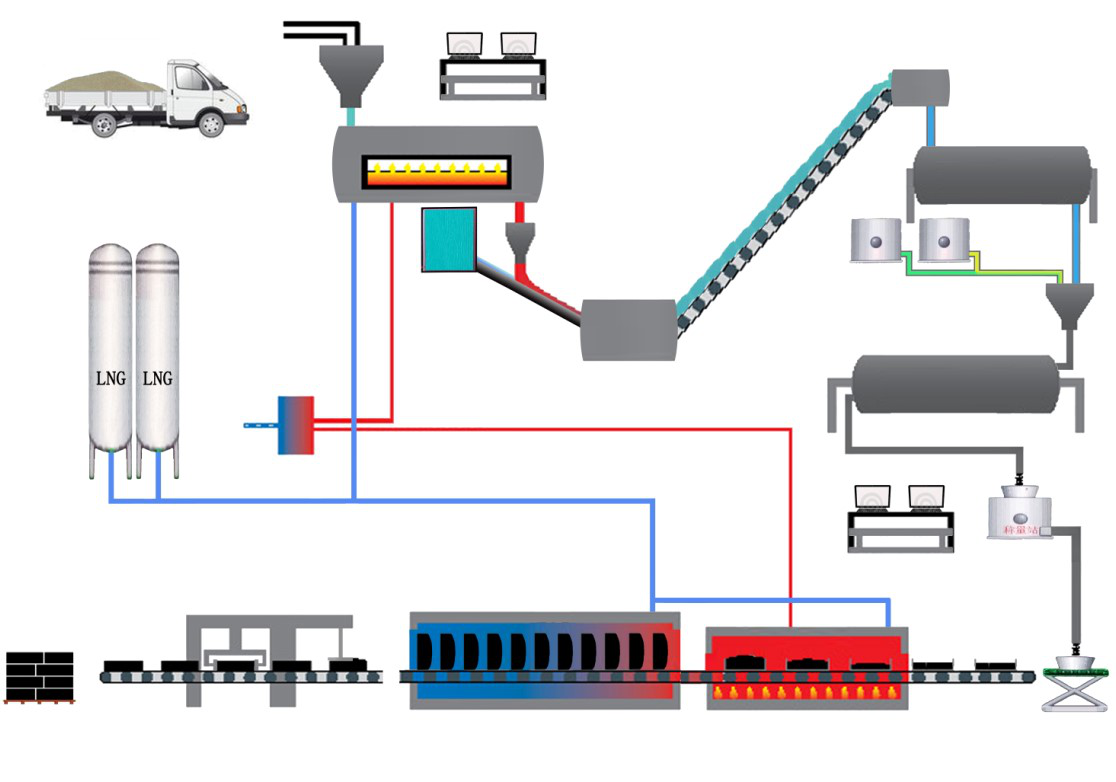
Flow of Production