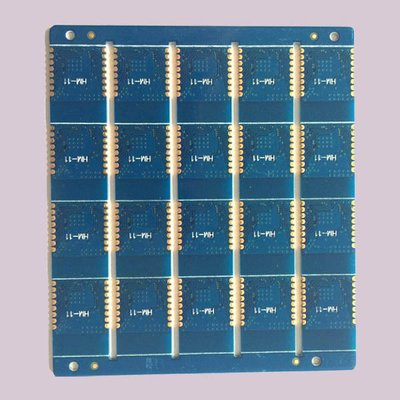
Custom Immersion Gold ANT Interface Double Sided PCB Panel:
This is a custom double-sided PCB panel engineered for mass production of IoT wireless communication modules, boasting a 12-up layout to maximize manufacturing efficiency. It features an immersion gold surface finish for stable conductivity and integrated ANT antenna interfaces.With high-precision circuit routing, consistent signal transmission and full OEM/ODM customization, it delivers a cost-effective, reliable PCB solution for industrial and consumer IoT module production.
Basic Attributes of Double Sided Panel:
1.Core substrate: FR-4 glass fiber epoxy resin (standard for 2-layer double-sided IoT PCBs)
2. Surface finish material: Gold plating (for immersion gold/ENIG process, ensures conductivity)
3. Solder mask ink: Green/optional colored solder mask (protects circuits, anti-scratch/oxidation)
4. Silkscreen ink: White/black thermosetting ink (for marking labels, pins and logos)
5. Copper foil: Electrolytic copper foil (conductive circuit layer, standard thickness for low-power IoT)
6. Adhesive film: Prepreg (bonds substrate and copper foil for integral board structure)
Required Files for Customizing This PCB Panel:
1. Gerber Files (GBR) – The core design file containing all layer data (copper, solder mask, silkscreen) for PCB fabrication.
2. Drill File (DRL) – Specifies hole positions/sizes (for CNC drilling of ANT interface and vias).
3. Bill of Materials (BOM) – Optional but recommended, lists material specs (e.g., FR-4 grade, gold thickness).
4. Assembly Drawing – Defines panel layout, cutting lines and key dimension requirements.
5. Technical Specification Sheet – Notes custom demands (e.g., signal stability, surface finish standards).
How to Manufacture Custom High Precision Double Sided Board?:
The production process for customizing this PCB panel starts with Gerber file confirmation and design optimization to match IoT module specs.
Next, FR-4 substrate is precision-cut, with electrolytic copper foil laminated onto the board; circuits are formed via UV exposure and chemical etching.
Then solder mask printing, silkscreen marking (for ANT interface labels) and immersion gold surface finish are applied. It’s then CNC-drilled, routed into panel layout, followed by rigorous electrical testing for signal stability.
Finally, qualified panels are vacuum-sealed with desiccants and packaged, fully complying with custom technical requirements throughout each step.

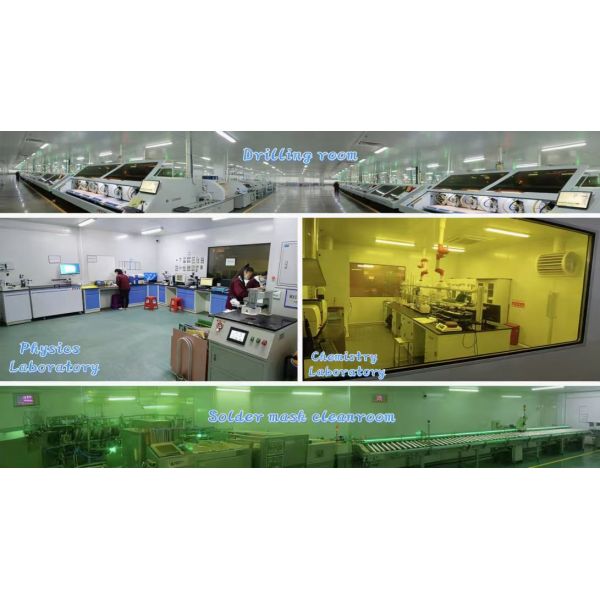
Factory showcase

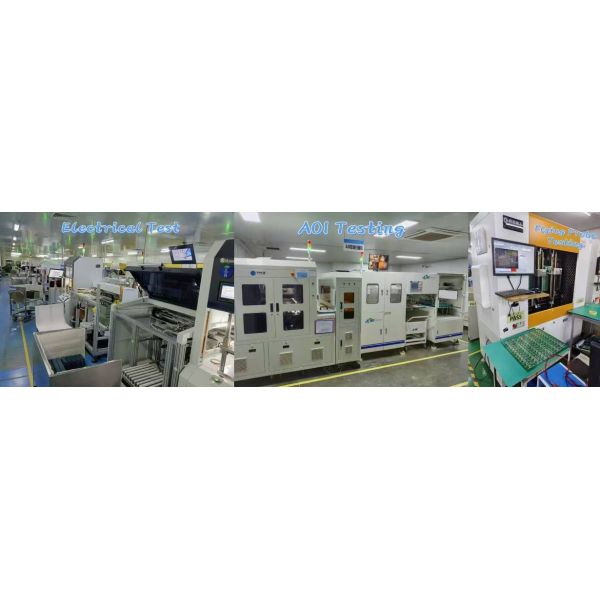
PCB Quality Testing

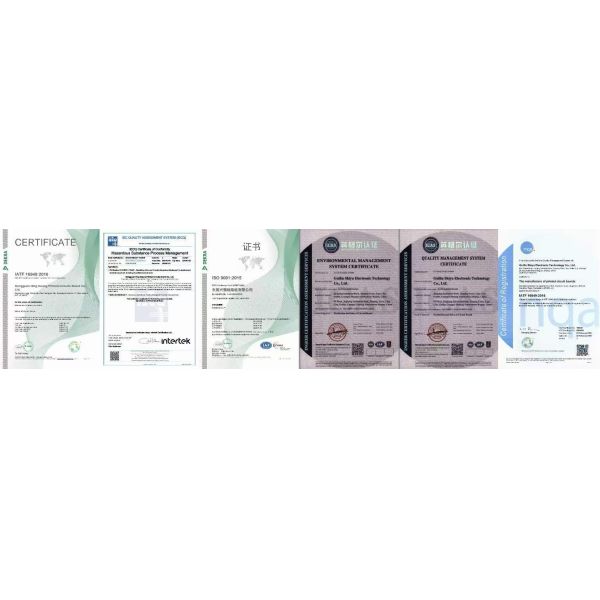
Certificates and Honors