Silicone Steam Cover for Pot LSR Injection Molding Machine
Product Overview
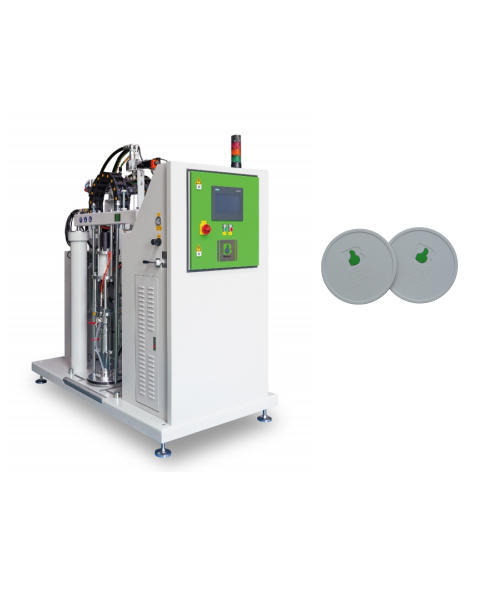
Silicone steam covers for pots represent an innovative category within the food-grade kitchenware market. These flexible, heat-resistant covers are designed to replace traditional glass or metal lids during stovetop or microwave heating applications.
Key Features
- Foldable design for compact storage
- Transparent or translucent material for monitoring food without lifting the cover
- Heat resistance up to 230°C, compatible with boiling, steaming, and microwave applications
- Non-slip sealing against pot rims of various diameters (typically 16-30 cm)
Technical Specifications
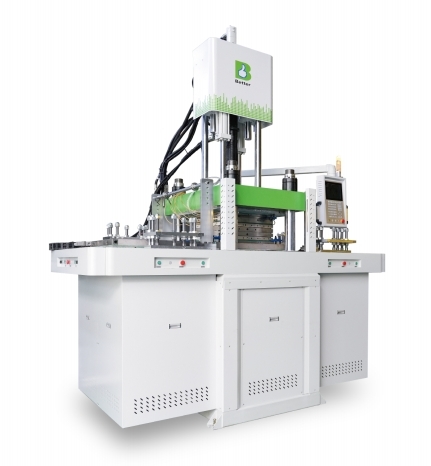
| Item No |
Better 1600SD-3RT |
| Clamping force |
160 tons |
| Max mold size |
720*660mm |
| Min mold height |
150mm |
| Ejector space (from product) |
350mm |
| Water volume |
1500~1800 liters/hr |
| Motor |
4 kw |
| Dimensions (length*width*height) |
2.86*2.75*3.51/4.54 m |
| Total Weight |
11.4 tons |
Understanding Silicone Rubber
Silicone rubber is a high-performance synthetic elastomer composed of silicone and other molecules (carbon, hydrogen, and oxygen). It is characterized by high viscosity and elasticity, as well as superior abrasion resistance, chemical stability, insulating properties, temperature resistance, and weatherability compared to organic rubber.
Key Properties
- Operating temperature range: -100°C to 350°C (depending on exposure duration)
- Weatherability: Resistant to wind, rain, UV radiation, and ozone
- Moisture resistance: 1% water absorption in various water temperatures
- Steam resistance: Indefinite resistance to unpressurized steam
- Chemical resistance: Resistant to oils, solvents, polar organic compounds, and diluted acids/alkalis
- Electrical insulation: 1TΩ*m-100TΩ*m across wide temperature and frequency ranges
Types of Silicone Rubber
Silicone rubber varies by viscosity and processing method:
- Solid Silicone Rubber (HTV): Long polymer chains processed by conventional methods
- Liquid Silicone Rubber (LSR): Short polymer chains requiring specialized injection molding
- Room Temperature Vulcanized (RTV) Rubber: Used for sealing, encapsulation, and potting applications
Applications
Silicone rubber is used across multiple industries including:
- Aerospace (space suit components)
- Automotive (gaskets and seals)
- Medical (instrument components)
- Food processing (molds)
- Electronics (adhesives and encapsulants)
LSR vs. Solid Silicone Rubber
Key differences between Liquid Silicone Rubber and solid silicone rubber:
- LSR: High fluidity, transparent, food/skin safe, requires specialized equipment
- Solid Silicone: Lower cost, processes with conventional equipment