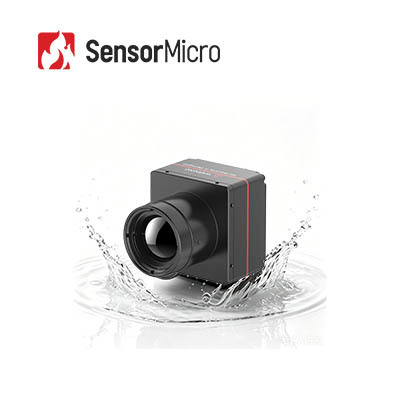
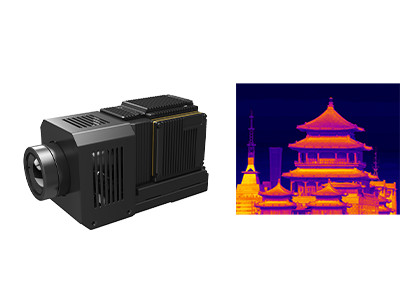
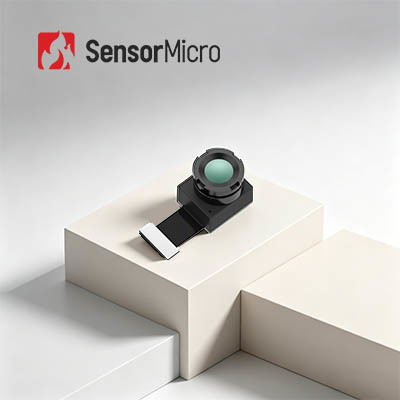
This compact infrared module integrates a wafer-level packaging 256×192/12μm uncooled infrared detector. With SDK and USB interface, the Mini212G2 uncooled thermal module is designed for easy integration and secondary development. It features a temperature measurement range from -20℃ to +550℃ with accuracy of ±2℃ or ±2%.
| Model | Mini212G2 |
|---|---|
| Resolution | 256×192 |
| Pixel Size | 12μm |
| Spectral Response | 8~14μm |
| NETD | ≤50mK |
| Output Data | 14bit Raw |
| Frame Rate | Thermography: 25Hz, Imaging: 50Hz |
| Focus Mode | Focus Free |
| Lens (HFOV/FL) | 17.5°/10mm | 25°/7mm | 56°/3.2mm | 90°/2.1mm |
| Weight (g) | 7.1 | 6.4 | 4 | 6.8 |
| PCBA Size (mm) | 17×17 |
| Digital Video Interface | USB2.0 / MIPI / DVP / BT.656 / LVDS |
| Analog Video Interface | CVBS (PAL/NTSC) |
| Operating Voltage | 3.3V±0.1V |
| Typical Power Consumption | 330mW |
| Temperature Measurement Range | -20℃~+550℃ (-20℃~+150℃ | +100℃~550℃) |
| Temperature Measurement Accuracy | Greater of ±2℃ / ±2% |
| Operating Temperature | -40℃~+70℃ |
| Humidity | 5%~85% |
| Storage Temperature | -45℃~+85℃ |
| Certification | RoHS 2.0 / Reach |
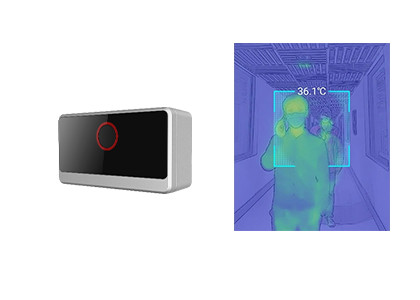
This product is designed for applications in AIoT, Machine Vision, Industrial Vision, Security Monitoring, and Night Observation:
As a world-leading manufacturer and service provider of infrared detectors, SensorMicro boasts years of profound experience in infrared thermal imaging solutions. Guided by the core philosophy of "SensorMicro, Sense More" and driven by user needs, we are dedicated to unlocking the full potential of infrared technology, delivering high-performance products and professional services to customers worldwide.
Low Light: Requires natural light and transforms weak natural light images into enhanced electronic images through image intensifiers.
Active IR: Actively emits infrared light and uses infrared beams reflected by targets. Has very poor concealment.
Thermal Imaging: Doesn't require any light and is a passive infrared night vision that detects infrared radiation differences between targets and scenes or different parts of an object. Not affected by changes in surrounding lighting conditions, during night, or even in fog, rain and other harsh environments.
In most cases, you cannot block thermal imaging. However, infrared rays cannot penetrate walls, and glass can block IR. To avoid detection, you can conceal behind glass or walls to block thermal imaging.