Product Highlights
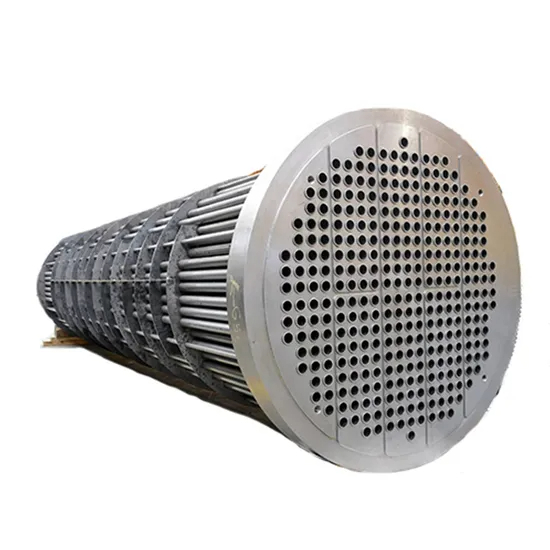
- Multi‑material combinatorial shell & tube heat exchanger, configurable with carbon steel, 304/316 stainless steel, TA1/TA2 pure titanium and resin‑impregnated graphite for shell, tube bundle and tubesheet parts
- Impregnated graphite tubes deliver ultra‑high thermal conductivity, 4‑6 times higher than stainless steel, outstanding resistance against most non‑oxidizing acids, salt solutions and organic media
- Titanium TA1 / TA2 tube bundle features exceptional chloride & seawater corrosion resistance, anti‑fouling property, long service life under marine and brine working conditions
- SS304 / SS316 stainless steel modules fit general chemical, food‑pharmacy and moderate corrosive process with mature welding and fabrication performance
- Carbon‑steel shell option reduces project cost for non‑corrosive shell‑side medium while tube‑side uses titanium or graphite for harsh corrosive fluid
- Fully custom‑engineered: thermal calculation, BEM/AES/U type configuration, pass arrangement, nozzle orientation and dimension strictly follow customer process datasheet & CAD drawings
- Compliant with ASME Sec.VIII, TEMA, GB/T151 pressure vessel standards, available for third‑party witness inspection (SGS, TUV, BV)
- Widely deployed for chemical acid treatment, pharmaceutical processing, seawater desalination, waste‑liquid recovery, metallurgy and fine‑chemical heat transfer, cooling & condensation dutiesMade-in-Ch...
Product Overview
This custom tubular shell and tube heat exchanger supports flexible material matching for shell side and tube‑side. Users may select carbon‑steel / SS304 / SS316 for shell housing; tube bundles and tubesheets can be configured in SS304, SS316, TA1, TA2 titanium or phenolic‑resin impregnated impermeable graphite according to medium corrosivenessMersen.
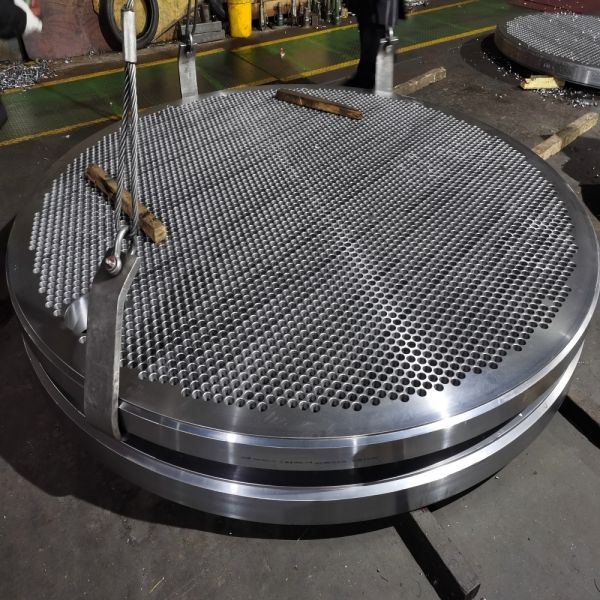
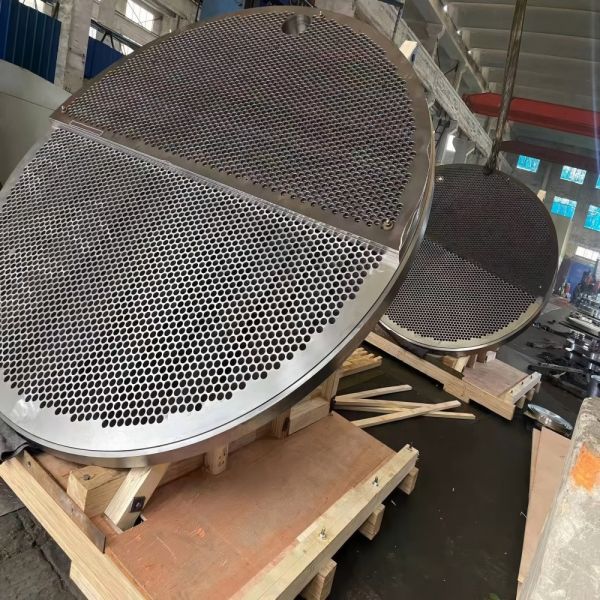
Metal versions (stainless steel & titanium) adopt high‑quality seamless heat‑exchanger tubes, precision tube‑to‑tubesheet welding; graphite units use cemented tube‑tubesheet joint technology for reliable anti‑leak performance. It completes heat transfer between two fluids through partition wall conduction. Different material combinations solve diversified working scenarios: stainless steel for general corrosion, titanium for seawater / chloride environment, graphite for strong acid media which metal materials cannot withstand. It serves as heater, cooler, condenser and evaporator for process industries worldwide.
Material Grade Characteristics
Carbon Steel / SS 304 / SS 316
- 304: General‑purpose austenitic stainless steel, good resistance to weak corrosion media, suitable for food, water and low‑corrosion chemical fluid
- 316: Molybdenum‑containing grade, improved pitting & crevice corrosion resistance for moderate chloride‑containing process, pharmaceutical sanitary service
- Carbon Steel: Cost‑effective shell material for non‑corrosive shell‑side medium.
Titanium TA1 / TA2 (Commercially Pure Titanium)
- Excellent corrosion resistance in seawater, brine, wet chlorine and many salt solutions; immune to chloride stress corrosion cracking
- High specific strength, smooth surface reduces fouling deposition, stable mechanical performance below 315℃ long‑term operationTsisco
- Reliable weldability for tube bundle fabrication; widely used for marine, desalination and sour chemical cooling loops.
Resin‑Impregnated Tubular Graphite
- Phenolic resin impregnated impermeable graphite, excellent thermal conductivity (50‑120 W/m·K)SGL Carbon
- Outstanding resistance to hydrochloric acid, phosphoric acid, most non‑oxidizing acids and organic solvents; not suitable for strong oxidizing media and strong alkali at high temperature
- Anti‑scaling property, stable thermal shock performance, ideal for strong acid heating / condensation process where metal material failsMade-in-Ch....
Reference Chemical Composition (Weight %)
表格
| Grade |
C ≤ |
Si ≤ |
Mn ≤ |
Cr |
Ni |
Mo |
Ti |
Fe ≤ |
| SS304 |
0.08 |
1.00 |
2.00 |
18.0‑20.0 |
8.0‑10.5 |
— |
— |
Balance |
| SS316 |
0.08 |
1.00 |
2.00 |
16.0‑18.5 |
10.0‑14.0 |
2.0‑3.0 |
— |
Balance |
| TA1 Titanium |
— |
— |
— |
— |
— |
— |
Balance |
0.20 |
| TA2 Titanium |
— |
— |
— |
— |
— |
— |
Balance |
0.30 |
Reference Mechanical Properties for Metallic Components
表格
| Property |
SS304 |
SS316 |
TA1 Titanium |
TA2 Titanium |
| Minimum Tensile Strength |
≥515 MPa |
≥515 MPa |
≥240 MPa |
≥345 MPa |
| Minimum 0.2% Yield Strength |
≥205 MPa |
≥205 MPa |
≥140 MPa |
≥275 MPa |
| Minimum Elongation |
≥40 % |
≥40 % |
≥24 % |
≥20 % |
Note: Graphite material is assessed by compressive / flexural strength; full set material certificate will be provided per project.
Related Material Grades
- Stainless Steel Series: 304L, 316L, 321, 2205 Duplex, 2507 Super‑duplex
- Titanium Series: TA1, TA2, TA10, Gr.1, Gr.2
- Nickel‑Base Alloy: Inconel 625, 718, Hastelloy C276, B3
- Non‑metal: Resin‑impregnated graphite, PTFE lined components
- Carbon & Alloy Steel: Q245R, Q345R, 16MnR pressure‑vessel steel plate
Key Advantages
- Flexible Multi‑material Matching Shell‑side and tube‑side can adopt dissimilar materials, balance corrosion resistance and project investment, avoid over‑specification while meeting harsh medium requirements.
- Wide Corrosion Compatibility Stainless steel for general corrosion; titanium handles seawater & chloride brine; graphite works for strong non‑oxidizing acid media which metals cannot survive. One product series covers most chemical heat‑transfer scenariosMade-in-Ch....
- High Heat‑transfer Efficiency Graphite possesses far higher thermal conductivity than metal; titanium smooth surface minimizes fouling resistance; thermal design optimizes baffle layout & tube pass arrangement to maximize heat‑transfer coefficient.
- Fully Customized Engineering Our team completes thermal simulation, mechanical calculation and drawing design according to customer process datasheet; adjustable heat area, pressure rating, nozzle position, installation dimension and configuration type (fixed tubesheet / floating head / U‑tube).
- Strict Pressure‑vessel Quality Control Full hydrostatic test, helium leak detection for critical joints; material traceability with heat number tracking; supports third‑party inspection witness before shipment.
Typical Applications
- Fine‑chemical & chemical industry: strong acid heating, condensation, medium cooling, solvent recovery
- Pharmaceutical industry: sanitary heat exchange, intermediate cooling & crystallization process
- Seawater desalination & marine engineering: brine cooling, seawater heat exchange system
- Metallurgy & fertilizer: phosphoric acid / hydrochloric acid process cooling and heating
- Waste‑water treatment: corrosive waste liquid heat recovery, evaporation pre‑heating
- Petro‑chemical sour service: chloride‑containing medium cooling and condensation
- New‑energy material production: corrosive liquid heating & cooling loop
Processing & Engineering Service
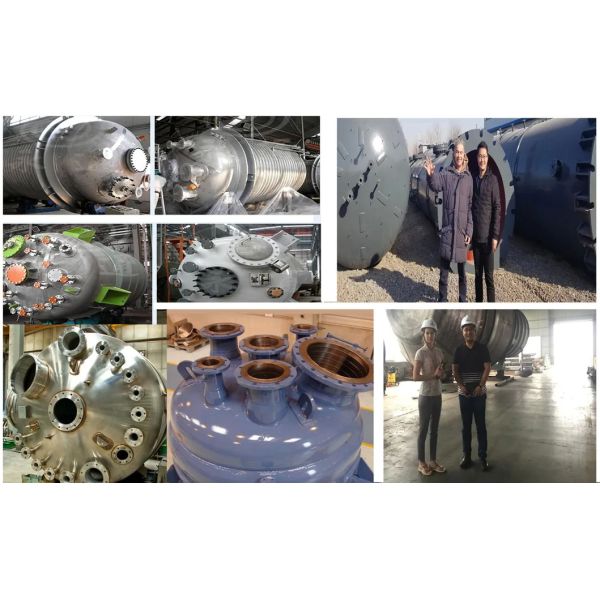
We provide full‑turnkey service including thermal calculation, mechanical design, 2D/3D drawing approval, pressure‑vessel fabrication, welding, assembly, non‑destructive test and pre‑shipment inspection according to customer datasheet or CAD drawings:
- Thermal simulation & process calculation, custom configuration selection
- Shell plate rolling, welding, NDT inspection (RT / UT / PT)
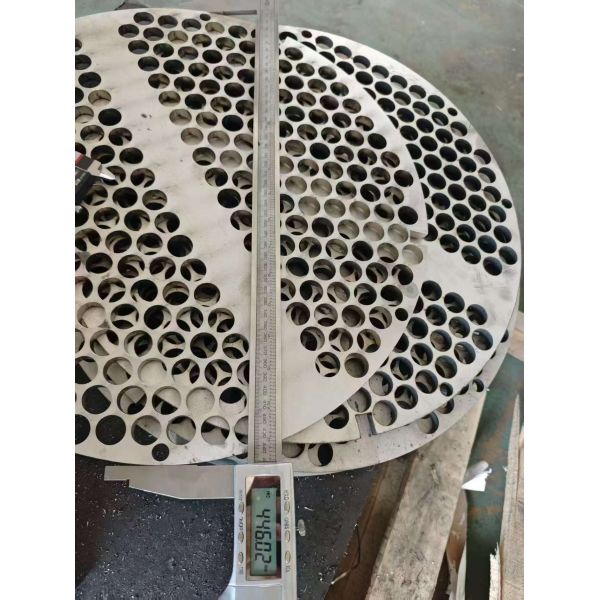
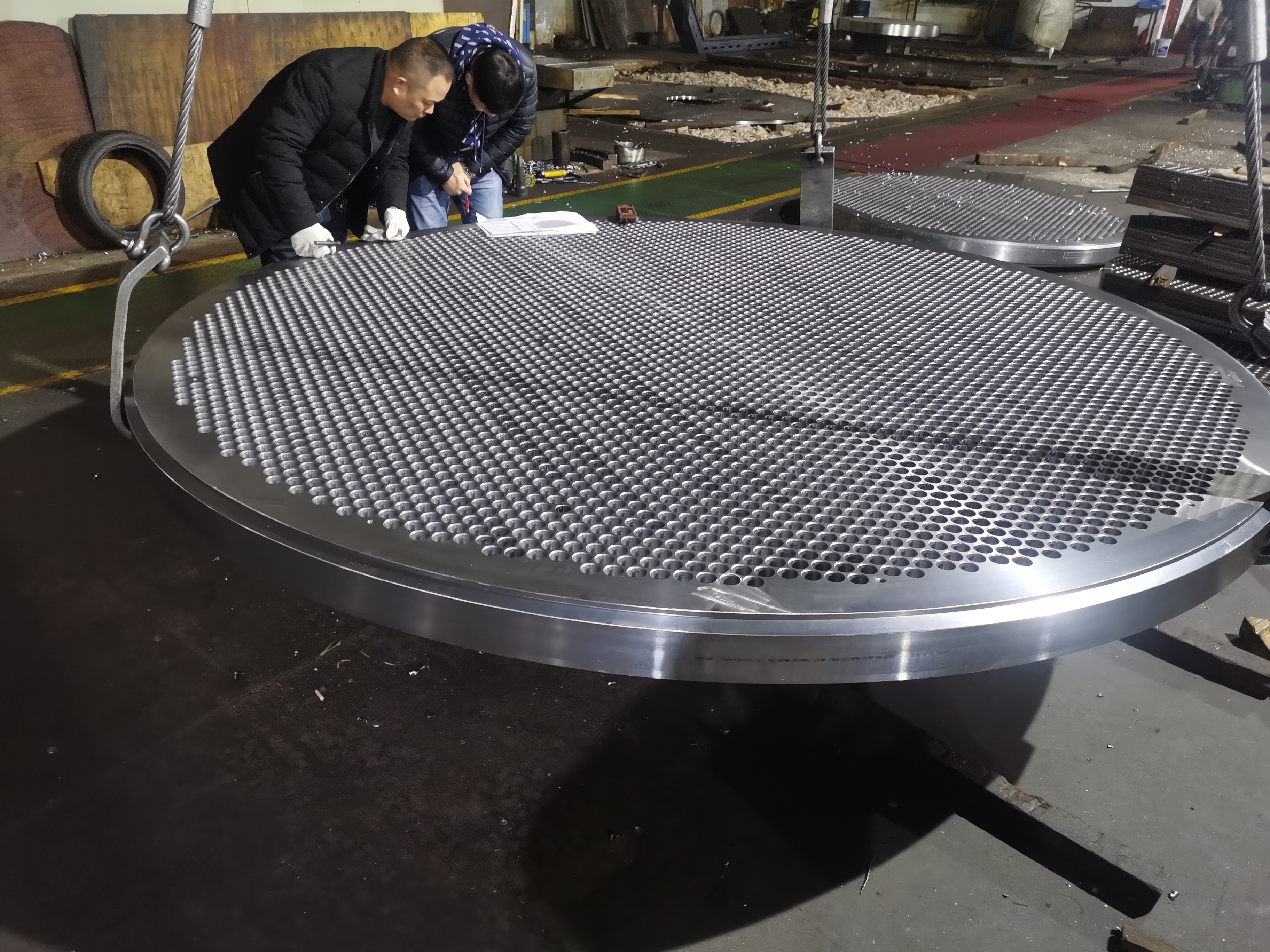
- Tube bundle fabrication: tube cutting, bending, precision tube‑to‑tubesheet welding / graphite cement assembly
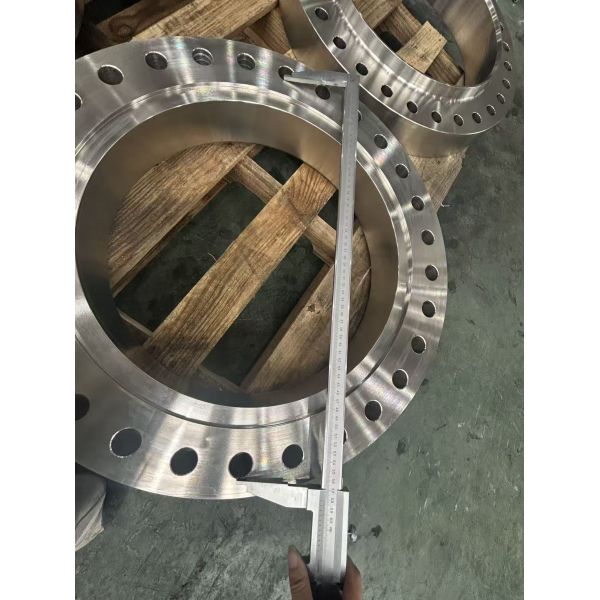
- Nozzle customizing, flange selection, support saddle design, surface blasting & painting
- Hydrostatic pressure test, pneumatic test, helium leak‑detection for critical sealing joints
- Custom insulation cladding, accessories supply, pre‑assembly inspection
We supply custom shell and tube heat exchangers for chemical, pharmaceutical, marine, metallurgy and new‑energy clients across global markets.
Quality Assurance
- Hydrostatic pressure test for shell side & tube‑side to design pressure
- Helium leak detection for graphite joint and high‑requirement metal welded joints
- Full material traceability: heat number tracking for all pressure‑bearing components
- Spectrometer chemical composition verification for metal material batch‑by‑batch
- Dimensional inspection for nozzles, flange, overall dimension and installation tolerance
- Weld NDT: RT / UT / PT non‑destructive testing as per code requirement
Mill Test Certificate EN 10204 3.1, pressure‑vessel inspection report and full documentation can be provided before shipment. Third‑party inspection by SGS / TUV / BV is acceptable.
Packing & Delivery
Packing
- Inner: Waterproof plastic wrapping, moisture‑proof desiccant inside, nozzle protective covers for all openings
- Outer: Reinforced fumigated heavy‑duty wooden case or steel frame crate for sea‑transport protection against impact and moisture
- Custom special packaging available on customer request for over‑dimension unit.
Lead Time Normally 20‑45 working days after receipt of advance payment. Exact delivery time depends on heat‑exchange area, material selection, configuration complexity, third‑party inspection requirement.