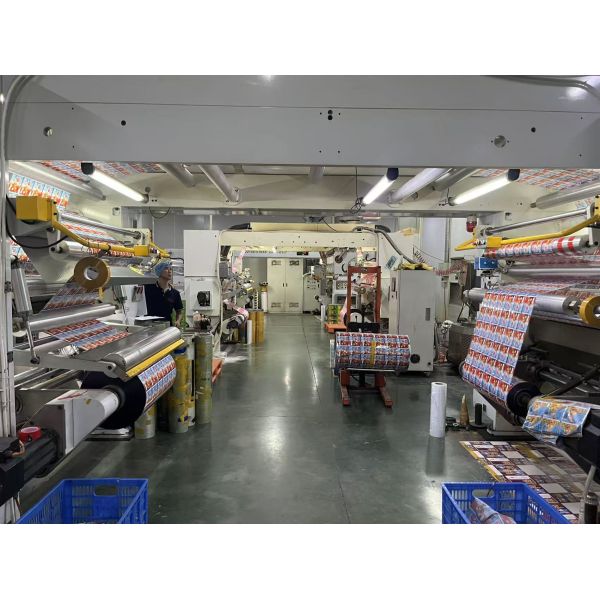
Flexible packaging is rarely just one material. It's a structure of multiple layers, each with a specific job:
Outer Layer: Provides strength, rigidity, printability, and gloss.
Middle/Barrier Layer: Provides protection from oxygen, moisture, aromas, or light.
Inner/Sealant Layer: Provides a seal to itself (fin-seal or lap-seal) and is safe for contact with the product.
| Material | Full Name & Common Name | Key Properties & Primary Use in the Structure |
|---|---|---|
| PET | Polyethylene Terephthalate (Polyester) | Strong, stiff, glossy, and excellent gas/aroma barrier. Used as the outer layer for its durability, clarity, and printability. |
| BOPP | Biaxially Oriented Polypropylene | Stiff, excellent clarity, high gloss, moisture barrier, and cost-effective. Very common as an outer layer for snacks and labels. Can be metallized or coated. |
| CPP | Cast Polypropylene | Good clarity, excellent heat resistance. Used as the inner sealant layer for standard applications. |
| PA | Polyamide (Nylon) | Extremely tough, puncture and abrasion-resistant, good gas barrier. Used as a middle layer for heavy-duty products (e.g., sharp, bony foods). |
| PE | Polyethylene | Excellent moisture barrier, flexible, good low-temperature resistance, and sealable. LDPE is often a sealant layer. HDPE is stiffer. |
| RCPP | Retort Cast Polypropylene | A special grade of CPP with very high heat resistance. Used as the inner sealant layer for packages that undergo retort sterilization (like ready-to-eat meals in pouches). |
| CPE | Chlorinated Polyethylene (or often a general term for Co-extruded PE) | Good sealant properties, clarity, and flexibility. Often used as a sealant layer in various pouches. |
| VMPET | Vacuum Metallized PET | PET film with a thin layer of aluminum applied in a vacuum. Provides a very good gas and light barrier at a lower cost and more flexibility than foil. Used as a middle barrier layer. |
| AL | Aluminum (Foil) | The ultimate barrier. Impermeable to gases, moisture, light, and odors. Used as a middle layer for the most sensitive products. Must be protected from flex-cracking. |
| EVOH | Ethylene Vinyl Alcohol | An exceptional gas (oxygen) barrier. Its only weakness is that it loses its barrier properties when moist. It is always sandwiched between moisture-resistant layers (like PE or PP). Used as a middle barrier layer. |
By combining these materials, manufacturers create film rolls that are then converted into specific types of packaging for a vast range of industries.
Snack Foods (Chips, Nuts, Cookies):
Structure: BOPP//MET PET//PE or BOPP//PE
Why: BOPP provides stiffness and gloss for the print, MET PET provides a gas barrier to keep snacks crisp and block light, PE provides a reliable seal.
Retort Pouches (Ready-to-Eat Meals, Sterilized Food):
Structure: PET//AL//RCPP or PET//PA//EVOH//RCPP
Why: PET is a tough outer layer. AL or EVOH/PA provides the barrier to keep out oxygen and microbes. RCPP is critical as it can withstand the high heat and pressure of the retort sterilization process without melting.
Frozen Foods:
Structure: PET//PE or BOPP//PE
Why: PET/BOPP provides strength at room temperature. PE remains flexible and doesn't become brittle at freezer temperatures, and provides a good seal.
Coffee Packaging (Ground & Whole Bean):
Structure: PET//VMPET//PE or PET//AL//PE
Why: Coffee is very sensitive to oxygen and aromas. The high-barrier layer (VMPET or AL) is essential for preserving freshness and flavor. PE is the sealant.
Liquid Packaging (Sauces, Condiments, Beverages):
Structure: PET//AL//PE
Why: The AL layer makes the pouch leak-proof and provides a complete barrier. This is used for stand-up pouches (Doypacks).
Fresh Pasta & Cheese (Modified Atmosphere Packaging - MAP):
Structure: PET//EVOH//PE
Why: EVOH provides an ultra-high oxygen barrier to maintain the controlled gas mixture (MAP) inside the package, which extends shelf life. The product is not retorted, so RCPP is not needed.
Sterile Medical Device Packaging (Tyvek® is common, but films are used too):
Structure: PET//PE or medical-grade PE//PP
Why: Must be sterile, puncture-resistant, and easy to peel open in a controlled way.
Pharmaceutical Blister Packs:
Structure: PVC//AL or PET//AL
Why: A rigid thermoformed layer (PVC or PET) holds the pill, and a thin AL foil is laminated on top to push the pill through. This provides excellent product protection and tamper evidence.
Shampoo, Detergent, and Conditioner Sachets:
Structure: PET//AL//PE or BOPP//VMPET//PE
Why: The AL or VMPET layer is crucial to prevent the product from drying out, and to block oxygen and light which can degrade the chemicals. It also prevents leaks and aroma loss.
Agrochemicals & Fertilizers:
Structure: PET//VMPET//PE or PA//PE
Why: Needs to be extremely tough and resistant to chemicals, punctures, and moisture. The barrier layer protects the product's efficacy.
Electrostatic Sensitive Device (ESD) Bags:
Structure: Often uses PET//AL//PE.
Why: The continuous AL layer creates a Faraday cage, shielding sensitive electronic components (like computer chips) from static electricity.
| End-Use Product | Typical Material Structure | Function of the Layers |
|---|---|---|
| Potato Chips | BOPP / VMPET / PE | Print/Gloss / Oxygen & Light Barrier / Seal |
| Retort Meal | PET / AL / RCPP | Strength / Ultimate Barrier / Retortable Seal |
| Frozen Vegetables | PET / PE | Strength / Low-Temp Seal |
| Coffee Bag | PET / AL / PE | Strength / Aroma & Oxygen Barrier / Seal |
| Shampoo Sachet | PET / AL / PE | Strength / Leak & Moisture Barrier / Seal |
| Fresh Meat (MAP) | PA / EVOH / PE | Puncture Resistance / Oxygen Barrier / Seal |
In conclusion, the combination of these materials into flexible film rolls allows for lightweight, cost-effective, and highly protective packaging that can be tailored to preserve, protect, and present an enormous variety of products.