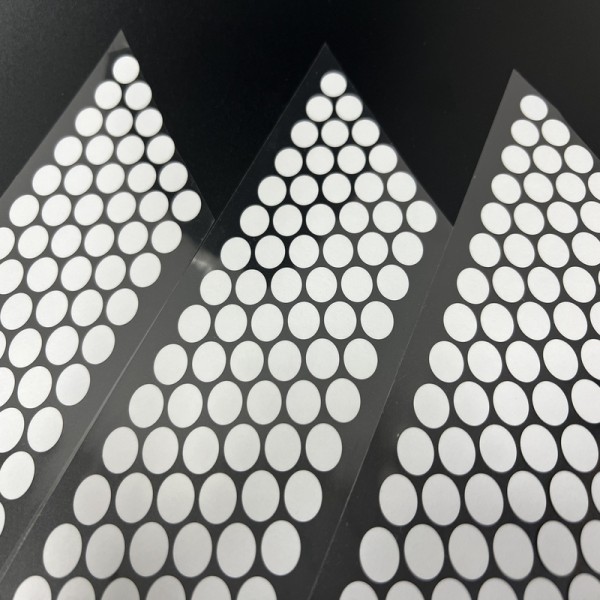
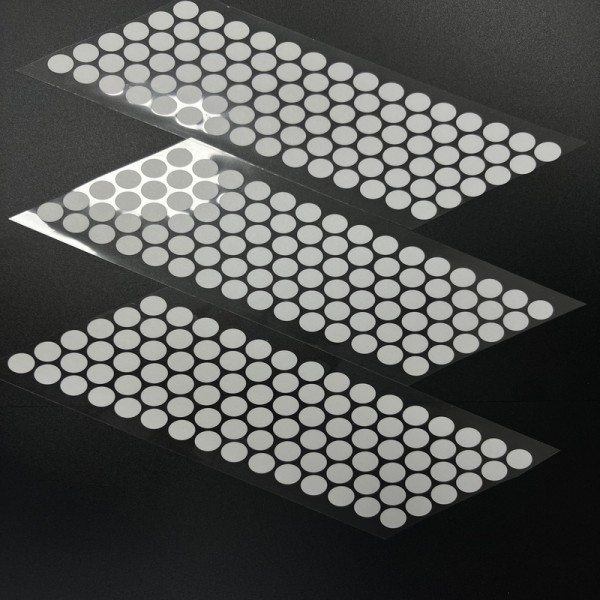
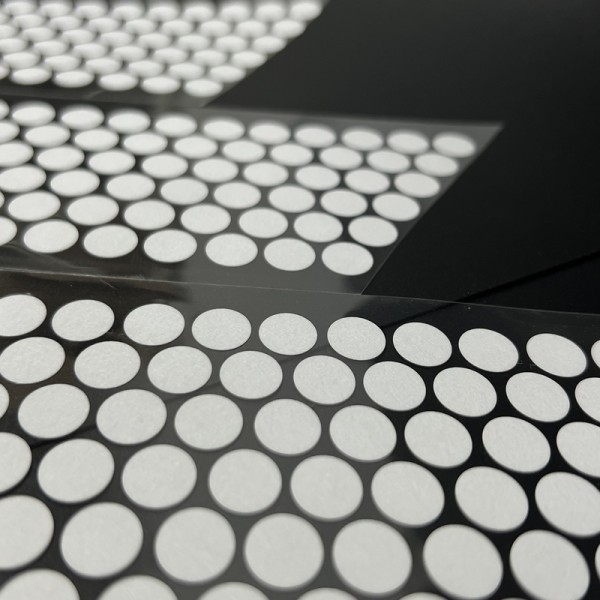
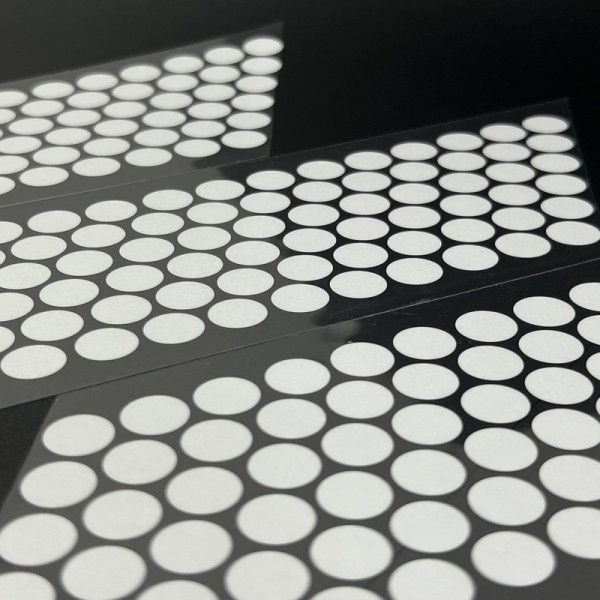
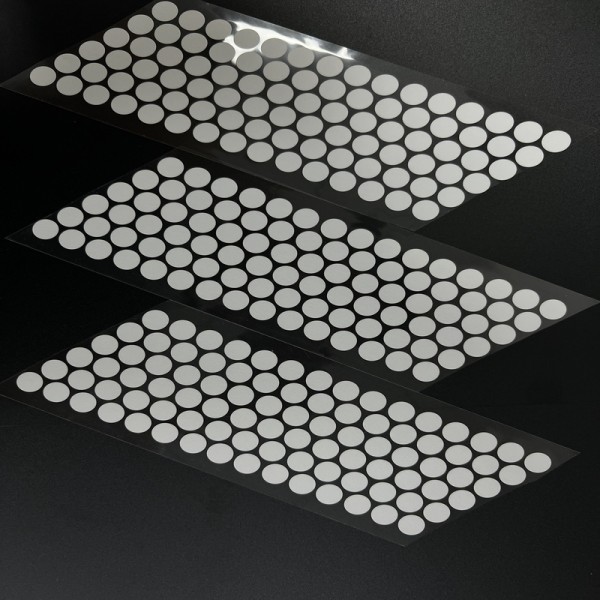
The waterproof breathable ePTFE gasket for electric toothbrushes is a precision micro-vent component that protects the internal electronics of powered oral care devices from water ingress while enabling critical pressure equalization. This small, custom-shaped gasket integrates a high-performance ePTFE membrane into a durable, flexible carrier material that forms a reliable seal between the toothbrush housing, charging port, or button interface. It prevents water, toothpaste slurry, and bathroom humidity from penetrating the device interior—even during full submersion—while allowing expanding hot air to escape and cool air to enter during temperature changes. This dual function ensures electric toothbrushes meet rigorous waterproof ratings (IP67/IP68), prevents internal condensation, protects the rechargeable battery and circuit board, and dramatically extends the device’s operational life and user safety.
Electric toothbrushes operate in one of the most challenging environments for consumer electronics: the wet, humid bathroom. They are regularly rinsed under running water, splashed, and sometimes dropped into sinks. As the device charges, its internal electronics generate heat, warming the trapped air inside the sealed housing. When the user takes the toothbrush into a cooler environment or rinses it with cold water, the internal air contracts rapidly, creating a powerful vacuum. This vacuum sucks against every seal, O-ring, and gasket in the device. Over time, pressure cycling fatigues seals, allowing moisture to enter. Internal condensation fogs the transparent power button lens, corrodes the PCB, and shorts the lithium-ion battery. Traditional fully sealed designs without breathable vents inevitably fail as seals degrade, destroying the device and posing electrical shock risks.
The ePTFE breathable gasket solves this fundamental pressure differential problem. Installed at a strategic point in the toothbrush housing—typically near the charging base, under a decorative ring, or within the button assembly—the gasket provides a permanent, waterproof airway. The ePTFE membrane, containing billions of pores per square centimeter, allows air molecules to travel freely in and out as temperatures and pressures change, continuously equalizing internal and external pressure. This eliminates the vacuum that pulls moisture past seals. At the same time, the membrane’s extremely low surface energy and microscopic pore size prevent liquid water, surfactant-laden toothpaste residue, and bathroom humidity from ever entering the device. The result is a pressure-neutral, bone-dry interior that protects sensitive electronics for the life of the toothbrush.
| Parameter | Specification |
|---|---|
| Product Type | ePTFE Waterproof Breathable Gasket |
| Carrier Material | Silicone, EPDM, or PE foam (custom to design) |
| Membrane Material | ePTFE (oleophobic treated) |
| Waterproof Rating | Supports IP67 / IP68 device certification |
| Typical Airflow | 50-200 ml/min @ 1 psi (miniaturized for small volume) |
| Water Entry Pressure | ≥ 100 kPa (10+ meters water column equivalent) |
| Operating Temperature | -20°C to +90°C |
| Installation | Compression fit, adhesive-backed, or co-molded into seal |
| Shape | Die-cut custom to device geometry |
| Key Features | Anti-condensation, pressure equalization, chemical resistant |
The gasket is placed at a location in the housing where it can bridge the internal cavity and the external atmosphere, protected from direct high-pressure water jets. When the toothbrush motor and battery generate heat during charging or use, the warmed internal air expands. Instead of pressurizing the housing and stressing seals, the air gently exits through the ePTFE membrane’s nano-pores. When the device cools, ambient air is drawn back in through the same membrane. The oleophobic treatment prevents toothpaste foam, which contains surfactants that lower surface tension, from wetting through the membrane. This maintains continuous breathability and waterproofing throughout the toothbrush's daily use cycle.