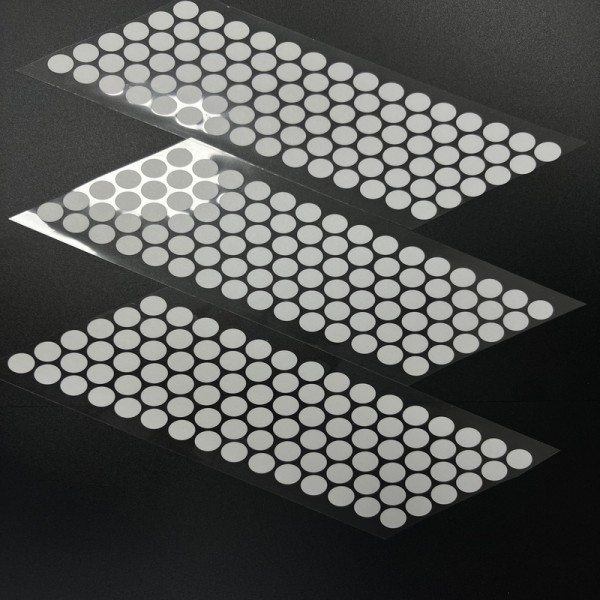
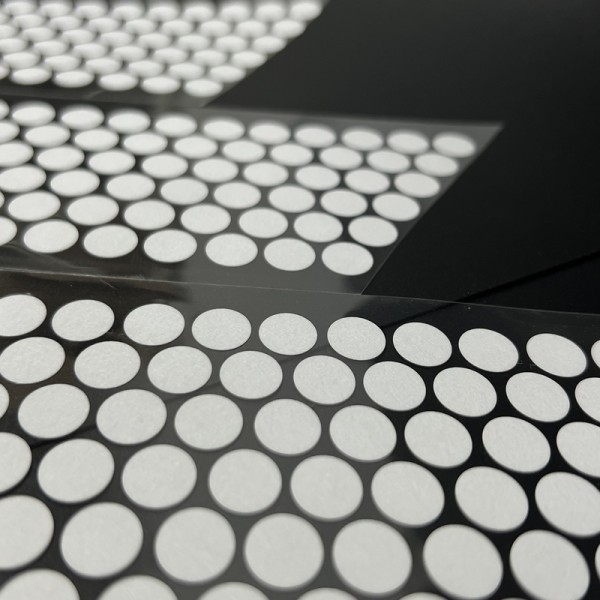
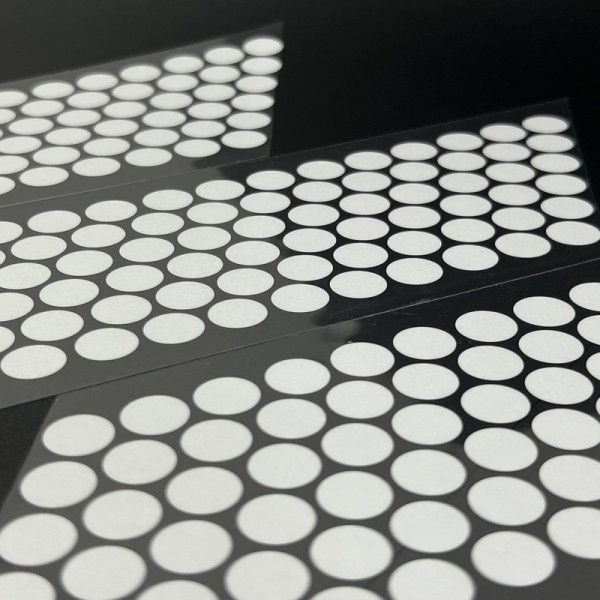
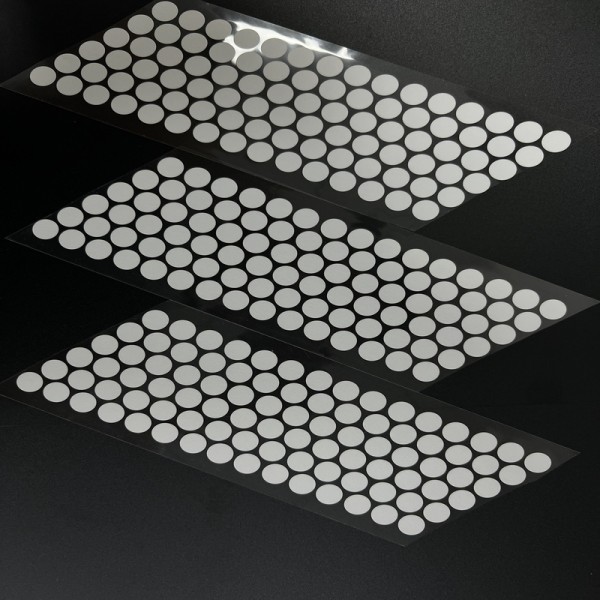
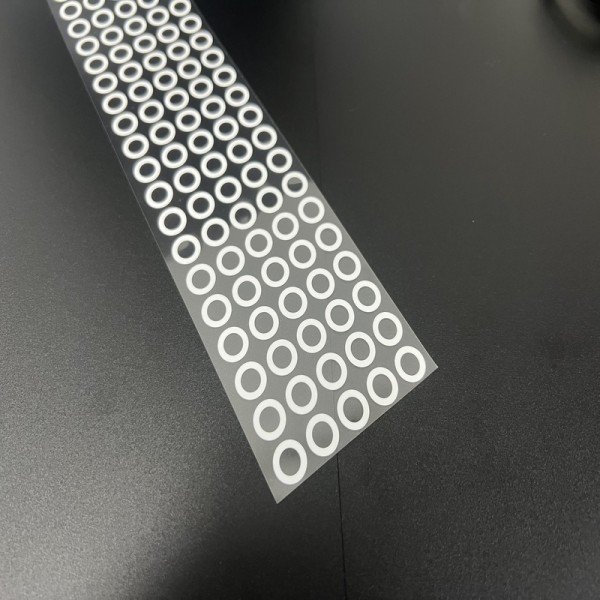
The PE foam induction seal vent liner is a cost-effective, high-performance pressure management solution tailored for liquid fabric softener refill packs and large-format economy bottles. Featuring a resilient PE foam backing and an integrated ePTFE waterproof breathable membrane window, this liner provides a reliable induction seal that prevents leakage during transport and storage while actively balancing internal pressure. It is specifically designed to combat the severe vacuum collapse that plagues softener refill pouches and bottles after hot filling and cooling. The PE foam's excellent compressibility compensates for the less precise neck finishes common on refill packaging, ensuring a consistent seal. This liner keeps refill packs looking full, firm, and shelf-ready, supporting brand value in the competitive laundry care market.
Liquid fabric softener refill packs and economy-size bottles present unique packaging challenges. They are often hot-filled at elevated temperatures to improve filling speed and product fluidity. As the softener cools inside the sealed, unvented package, it contracts significantly, creating a powerful vacuum. Flexible refill pouches collapse into a wrinkled, shapeless mass; rigid bottles exhibit severe sidewall paneling that makes the product look partially empty or damaged. Consumers interpret a collapsed refill pack as a leak or defect, leading to in-store rejection or online return. Furthermore, fabric softeners contain quaternary ammonium compounds and fragrances that can be sensitive to oxygen, yet the pressure problem prevents using a simple open vent. The packaging must breathe to maintain shape but seal tightly to preserve the product.
The PE foam induction seal vent liner is an elegant, drop-in fix for this industry-wide problem. The PE foam body provides a soft, conformable sealing surface that accommodates the slightly irregular necks of economy bottles and pouch fitments. The embedded ePTFE membrane window allows air to enter as the hot product cools, preventing the vacuum that causes collapse. It also enables air to replace dispensed product volume, so refill pouches empty smoothly and completely. The membrane's waterproof property ensures that the often viscous, fragranced softener liquid never leaks through, even when a pouch is laid flat or a bottle is stored on its side. The induction seal provides clear tamper evidence, a growing requirement for refill products.
| Parameter | Specification |
|---|---|
| Product Type | PE Foam Induction Seal Vent Liner |
| Foam Material | PE (Polyethylene) foam, food-grade, closed-cell |
| Membrane Material | ePTFE (oleophobic treated) |
| Airflow | ≥ 250 ml/min @ 1 psi |
| Water Entry Pressure | ≥ 55 kPa |
| Foam Density | 2-4 pcf |
| Seal Type | Electromagnetic induction seal |
| Compatible Packaging | HDPE, PET bottles; PP, PE pouch fitments |
| Tamper Evidence | Yes |
| Typical Applications | 500ml to 5L refill packs and economy bottles |
The vent liner is placed into the cap or fitment and induction-sealed onto the container neck. As the hot-filled softener cools, the internal air contracts. Instead of creating a vacuum that collapses the package, filtered ambient air is drawn through the ePTFE membrane window into the headspace, maintaining near-ambient pressure. When the consumer dispenses product, air enters through the same pathway to replace the dispensed volume, ensuring smooth pouring and complete emptying. The PE foam remains resilient through thermal cycles, maintaining a tight seal. The ePTFE membrane, with its oleophobic treatment, resists wetting by the quaternary ammonium softener compounds and fragrance oils.