IP68 Waterproof Breathable Vent For TWS Earbuds Oleophobic Acoustic Mesh
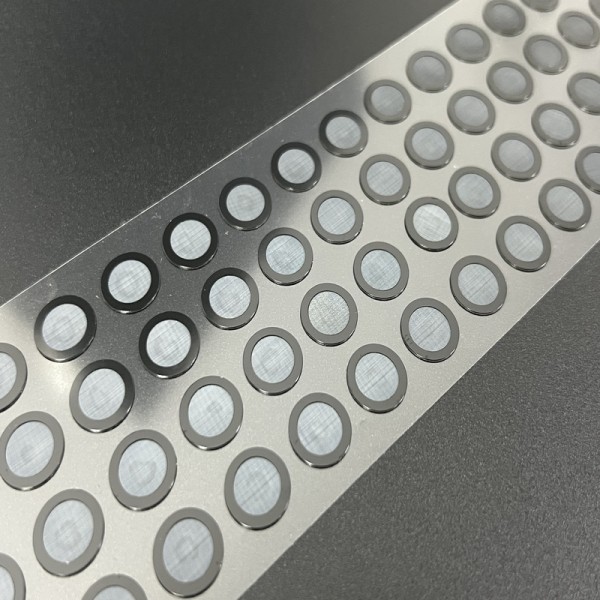
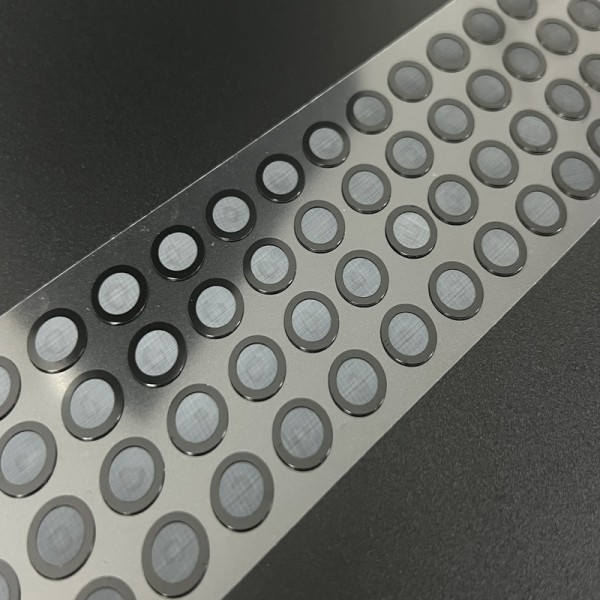
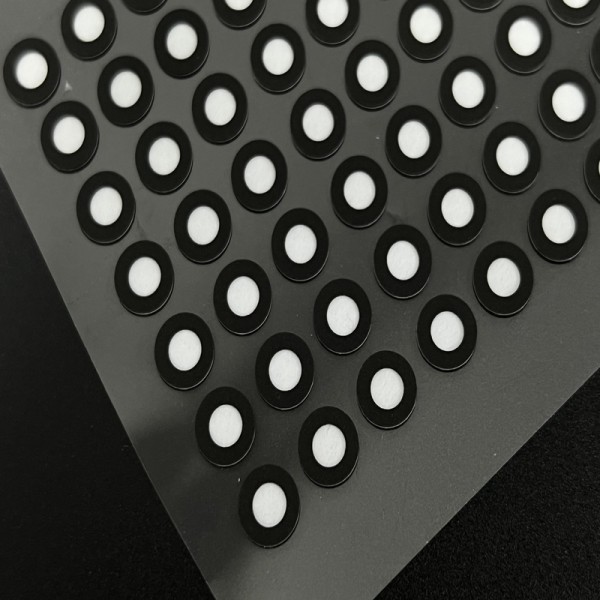
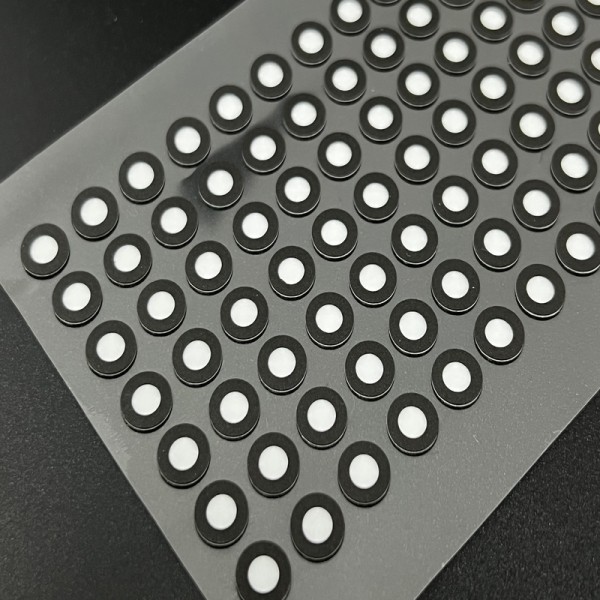
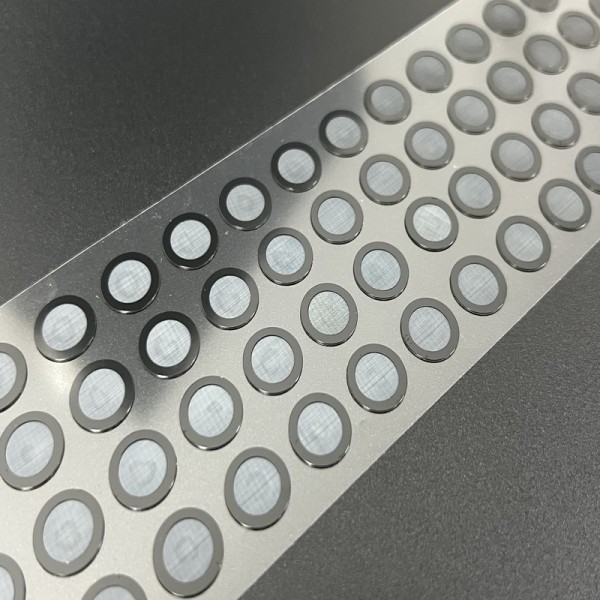
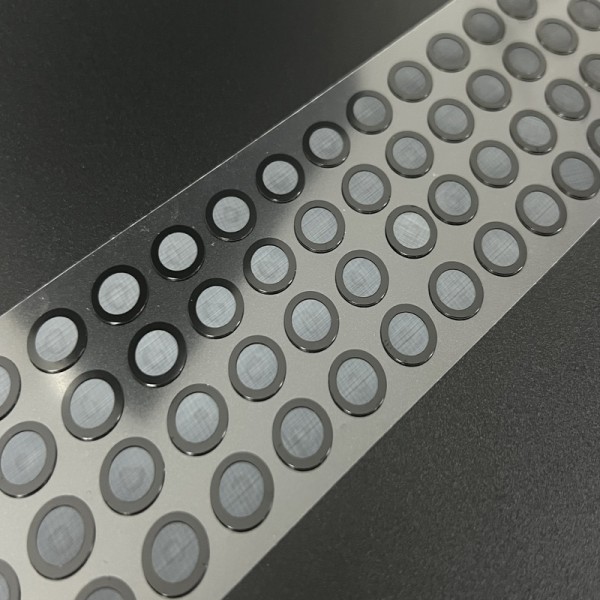
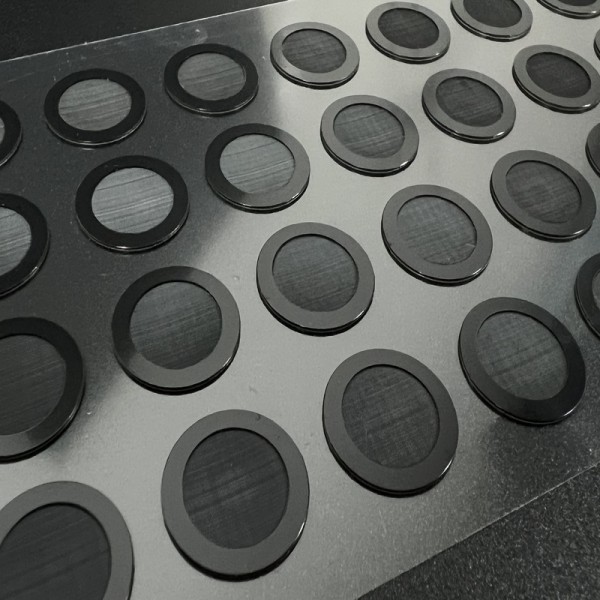
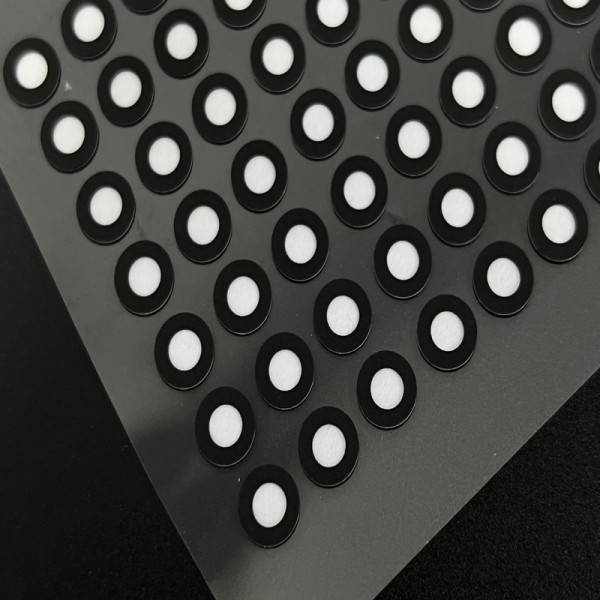
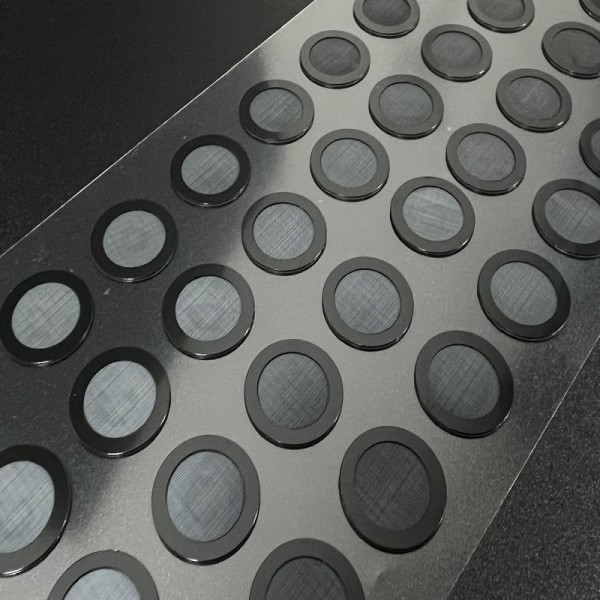
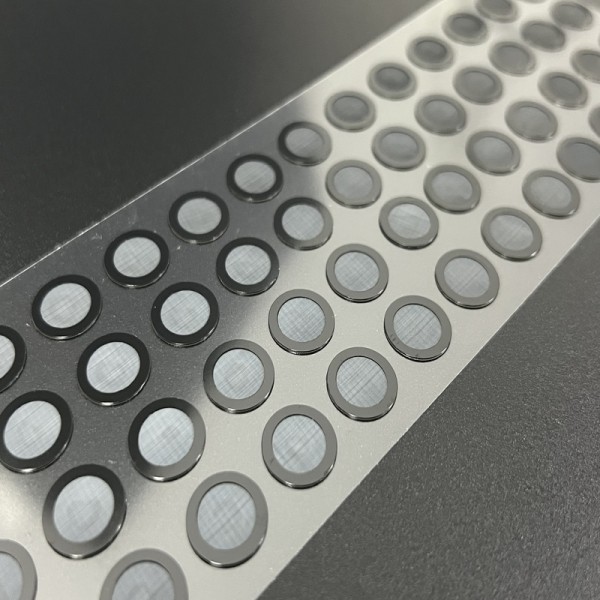
The IP68 waterproof breathable vent for TWS earbuds is an ultra-compact acoustic protection component engineered specifically for the tiny, feature-dense form factor of true wireless stereo earbuds and their charging cases. It combines a precision-optimized ePTFE acoustic membrane with a micro-die-cut adhesive backing, creating a vent that fits within the extremely limited internal space of an earbud stem or driver housing. This vent provides crystal-clear audio transmission for the balanced armature or dynamic driver speaker, enables accurate voice pickup through the MEMS microphones, and protects the internal electronics from sweat, rain, and accidental immersion—all while maintaining IP68 waterproof certification. The oleophobic membrane treatment prevents the earwax, skin oils, and cosmetic residues that inevitably coat earbuds from clogging the acoustic ports and degrading sound quality over time.
TWS earbuds represent the ultimate packaging challenge for acoustic and waterproof design. In a device measuring barely 15-25mm per side, manufacturers must fit a high-performance speaker driver, one to three MEMS microphones for voice calls and active noise cancellation, a Bluetooth SoC, sensors for in-ear detection and touch control, and a lithium-ion battery—all while providing acoustic ports that expose these sensitive components to the external environment. During workouts, earbuds are drenched in sweat—a corrosive saline solution that also carries skin oils. In daily use, they are exposed to rain, dropped in puddles, and occasionally run through the washing machine. Earwax naturally migrates into the speaker nozzle and microphone ports, hardening over time and progressively blocking sound. The trend toward spatial audio, adaptive EQ, and high-resolution codecs places ever-higher demands on acoustic consistency; a partially clogged port ruins the precise tuning. Without an effective acoustic vent, the earbud's waterproof rating is compromised, its sound quality degrades noticeably within months, and the device fails prematurely.
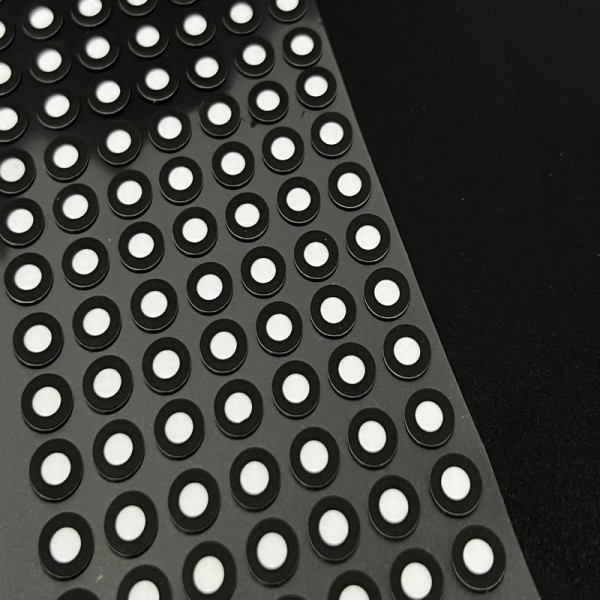
The IP68 acoustic vent provides microscopic protection in a package small enough to fit inside the earbud nozzle or stem. Die-cut to diameters as small as 2-5mm, the vent's ePTFE membrane offers acoustically transparent sound transmission with insertion loss as low as 1.5 dB at 1 kHz for optimized designs. The membrane's nanopore structure—pores of 0.2 to 1.0 micron—is an absolute barrier to liquid water, sweat, and earwax particles, while allowing sound waves to pass with negligible attenuation. The oleophobic treatment is particularly critical for earbud applications: it prevents the low-surface-tension skin oils and sebum that are the primary cause of port clogging from wetting the membrane. The vent is supplied on a roll in a pick-and-place-compatible format, with a pressure-sensitive adhesive that bonds instantly to the earbud's plastic or metal housing. It withstands the high humidity of a sweaty ear canal, the temperature extremes of a parked car, and the mechanical shock of being dropped.
| Parameter | Specification |
|---|---|
| Product Type | Adhesive ePTFE Acoustic Vent |
| Membrane Material | ePTFE (oleophobic, earwax/sweat-resistant) |
| Membrane Thickness | 15-40 μm |
| Typical Insertion Loss | ≤ 2.0 dB at 1 kHz |
| Water Entry Pressure | ≥ 120 kPa (IP68 at 1.5m+ immersion) |
| Minimum Vent Diameter | 2.0 mm (smaller sizes possible on request) |
| Adhesive Type | Medical-grade acrylic (skin-safe, non-irritating) |
| Operating Temperature | -40°C to +85°C |
| Installation | Automated pick-and-place, peel-and-stick |
| Sweat Resistance | > 1000 hours continuous saline exposure (tested per ISO 3160) |
| Earwax/Oil Resistance | Oleophobic treatment; > 8 on the AATCC oil repellency scale |
The acoustic vent is applied to the inside surface of the earbud housing, directly over the speaker nozzle opening or microphone port. When the speaker driver produces sound, the sound pressure waves pass through the ePTFE membrane with minimal energy loss. The membrane's lightweight, flexible structure moves sympathetically with the sound waves, behaving as an acoustically transparent window. Sound waves entering the microphone port similarly pass through the membrane to reach the MEMS microphone diaphragm. When the earbud is exposed to sweat or immersion, the hydrostatic pressure pushes liquid against the membrane. The extremely small pore size prevents liquid water molecules from passing, while the oleophobic surface chemistry repels the oils and waxes that would otherwise wet and clog the pores. This dual-action protection—physical pore barrier plus chemical repellency—ensures long-term acoustic transparency even in the demanding in-ear environment.