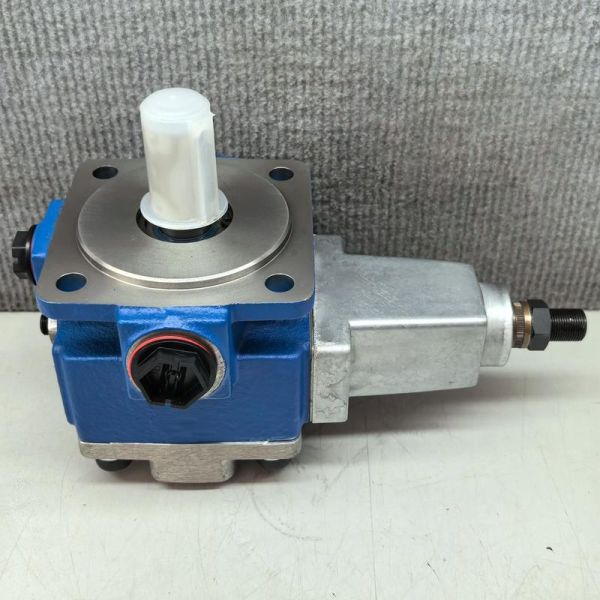
PV7-1X/16-20RE01MC5-16WG
PV7-1X/10-20RE01MW0-10WH
PV7-1X/63-94RE07KD0-08 Rexroth Pilot PV7 Vane Pump Imported from Germany with Original Stock
| Question | Answer |
| What is the model range of the direct-acting PV7 series? | PV7-1X/06-10RA01MA0-10, PV7-2X/20-25RA01MA0-10 |
| What is the model range of the pilot-operated PV7 series? | PV7-1X/14-20RE01MC0-16, PV7-1X/100-118RE07KD0-16 |
| What does "1X/2X" represent in the PV7 model code? | It indicates the component series of the pump |
| What is the displacement per revolution range of the direct-acting PV7 series? | 10–25 cm³/rev |
| What is the displacement per revolution range of the pilot-operated PV7 series? | 14–150 cm³/rev |
| What is the maximum continuous working pressure of the direct-acting PV7 series? | 100 bar |
| What is the maximum continuous working pressure of the pilot-operated PV7 series? | 160 bar |
| What is the maximum peak pressure of the direct-acting PV7 series? | 120 bar (short-term overload ≤5s only) |
| What is the maximum peak pressure of the pilot-operated PV7 series? | 200 bar (short-term overload ≤5s only) |
| What is the speed range of the direct-acting PV7 series? | 600–2800 rpm (higher speed for smaller displacement models) |
| What is the speed range of the pilot-operated PV7 series? | 600–3600 rpm (higher speed for smaller displacement models) |
| What is the maximum flow rate of the direct-acting PV7 series at 1800 rpm? | 36 l/min (calculated at rated displacement) |
| What is the maximum flow rate of the pilot-operated PV7 series at 1800 rpm? | 270 l/min (calculated at rated displacement) |
| What is the volumetric efficiency of the direct-acting PV7 series under rated conditions? | ≥90% (at 160 bar, 1800 rpm, ISO VG 46 oil) |
| What is the volumetric efficiency of the pilot-operated PV7 series under rated conditions? | ≥92% (at 160 bar, 1800 rpm, ISO VG 46 oil) |
| What is the total efficiency of the direct-acting PV7 series under nominal operation? | ≥80% (includes mechanical & volumetric efficiency) |
| What is the total efficiency of the pilot-operated PV7 series under nominal operation? | ≥82% (includes mechanical & volumetric efficiency) |
| What is the suction pressure range of the PV7 series? | -0.8 to +1 bar (absolute pressure: 0.2–1.1 bar) |
| What types of hydraulic fluids are compatible with the PV7 series? | Mineral oil (HLP) and synthetic oil (HETG/HEES); use FKM seals for synthetic fluids |
| What is the fluid viscosity range for PV7 series operation? | 10–1000 mm²/s (operation); 2–1500 mm²/s (start-up); optimal range is 16–160 mm²/s |
| What is the fluid temperature range for PV7 series operation? | -20 to +80 °C (operation); -40 to +90 °C (storage) |
| What is the noise level of the direct-acting PV7 series at 1 m distance under rated operation? | ≤63 dB(A) |
| What is the noise level of the pilot-operated PV7 series at 1 m distance under rated operation? | ≤65 dB(A) |
| What is the mounting standard for the PV7 series? | ISO 3019-2 flange; optional foot mounting for some models |
| What type of shaft connection does the PV7 series use? | ISO 4162 splined shaft; keyed shaft available on request |
| What seal materials are available for the PV7 series? | NBR (standard, for mineral oil) and FKM (optional, for synthetic oil) |
| What is the weight range of the direct-acting PV7 series? | 8–12 kg (depends on displacement) |
| What is the weight range of the pilot-operated PV7 series? | 10–35 kg (depends on displacement and control type) |

| PV7-1X/100-150RE07MC0-08-A464 |
| PV7-1X/100-118RE07MD0-16 |
| PV7-1X/10-14RE01MN0-16 |
| PV7-1X/40-45RE37MC5-16 |
| PV7-1X/100-118RE07MC5-16 |
| PV7-1X/25-30RE01KC3-16 |
| PV7-1X/10-20RE01MC5-10WG |
| PV7-1X/25-30RE01MW0-16 |
| PV7-1X/16-20RE01MD3-16 |
| PV7-1X/16-20RE01MC0-16-P110 |
| PV7-1X/40-45RE37KD0-16-C3.1 |
| PV7-1X/63-71RE07MC5-16WH |
| PV7-1X/16-30RE01KC0-08 |
| PV7-1X/10-14RE01MD5-16 |
| PV7-1X/63-71RE07MC6-16 |
| PV7-1X/16-20RE01KD0-16 |
| PV7-1X/10-14RE01MW0-16 |
| PV7-1X/63-71RE07MC0-16-C3.1 |
| PV7-1X/16-30RE01MW0-08WH |
| PV7-1X/100-150RE07MC0-08-A446 |
| PV7-1X/25-30RE01MC5-16WG |
| PV7-1X/10-20RE01MC0-10-A497 |
| PV7-1X/100-150RE07KC0-08 |
| PV7-1X/100-150RE07MD5-08 |
| PV7-1X/25-45RE01MC0-08-P25Q50 |
| PV7-1X/40-71RE37MC5-08 |
| PV7-1X/10-14RE01KD0-16 |
| PV7-1X/16-20RE01MC0-16-P120 |
| PV7-1X/100-150RE07MW0-08WH |
| PV7-1X/16-20RE01MC5-16WG |
| PV7-1X/10-20RE01MW0-10WH |
| PV7-1X/63-94RE07KD0-08 |
| PV7-1X/63-71RE07MW0-16WH |
| PV7-1X/63-71RE07MC7-16WH |
| PV7-1X/40-45RE37MC0-16 |
| PV7-1X/63-94RE07MC0-08-P80Q114 |
| PV7-1X/40-45RE37MC5-16WH |
| PV7-1X/10-14RE01KN0-16 |
| PV7-1X/25-30RE01MC5-16WH |
| PV7-1X/63-71RE07KC0-16 |
| PV7-1X/10-20RE01MC3-10 |
| PV7-1X/16-20RE01MN0-16 |
| PV7-1X/25-45RE01MW0-08WH |
| PV7-1X/63-71RE07MN0-16 |
| PV7-1X/63-71RE07KD0-16 |
| PV7-1X/16-20RE01MC8-16 |
| PV7-1X/40-71RE37MW0-08WH |
| PV7-1X/40-45RE37MD0-16-P50Q36 |
| PV7-1X/40-45RE37MC7-16WG |
| PV7-1X/100-118RE07MN5-16 |
| PV7-1X/25-45RE01MC7-08WG |
| PV7-1X/63-71RE07MC7-16 |
| PV7-1X/100-150RE07MC3-08 |
| PV7-1X/40-45RE37KC0-16 |
| PV7-1X/63-94RE07MC5-08 |
| PV7-1X/16-20RE01MC0-16-P60Q26 |
| PV7-1X/16-20RE01MC5-16 |
| PV7-1X/40-71RE37MC5-08WG |
| PV7-1X/25-45RE01MC7-08 |
| PV7-1X/25-30RE01MW5-16WH |
| PV7-1X/10-20RE01MD0-10 |
| PV7-1X/63-71RE07MD0-16-Q90 |
| PV7-1X/16-30RE01MC3-08 |
| PV7-1X/100-150RE07MC7-08 |
| PV7-1X/100-118RE07MN0-16 |
| PV7-1X/10-20RE01MC5-10 |
| PV7-1X/25-30RE01MC5-16WH-A234 |
| PV7-1X/100-150RE07MC5-08WH |
| PV7-1X/25-30RE01MW0-16WH |
| PV7-1X/10-20RE01MC7-10WH |
| PV7-1X/25-45RE01MC5-08 |
| PV7-1X/40-45RE37MC8-16 |
| PV7-1X/16-20RE01MW0-16WH |
| PV7-1X/16-20RE01MC3-16-P50Q25 |
| PV7-1X/100-118RE07KC0-16 |
| PV7-1X/40-71RE37MC5-08WH |
| PV7-1X/100-118RE07MC6-16 |
| PV7-1X/40-71RE37MC3-08 |
| PV7-1X/40-71RE37MC7-08WH |
| PV7-1X/10-14RE01MW0-16WH |
| PV7-1X/10-20RE01MC3-10-A497 |
| PV7-1X/16-20RE01MC3-16 |
| PV7-1X/16-20RE01MC5-16WH |
| PV7-1X/63-71RE07MC3-06-A460 |
| PV7-1X/16-30RE01MC5-08WH |
| PV7-1X/10-14RE01MC0-16-P100 |
| PV7-1X/63-94RE07MC5-08WH |
| PV7-1X/10-14RE01MC3-16 |
FAQ:
One
Q: What is the allowable range for the Displacement Adjustment Range parameter?
A: It must be set within the factory-specified min-max displacement range of the Rexroth PV7 pump to avoid mechanical damage.
Two
Q: Why do I need to set the Nominal Displacement Calibration Offset?
A: This offset corrects deviations between the factory-calibrated displacement and the actual measured displacement in your system.
Three
Q: Can the Minimum Displacement Lock Threshold be adjusted after locking?
A: No, this threshold is locked after initial setting to ensure idle-load protection and prevent accidental adjustments.
Four
Q: What is the purpose of the Maximum Displacement Safety Ceiling?
A: It acts as a hard upper limit to prevent the pump from reaching displacement levels that cause overload and component wear.
Five
Q: How does the Displacement Step Adjustment Increment affect flow control?
A: A smaller increment enables finer flow regulation, which is ideal for applications requiring precise flow adjustments.
Pressure Control