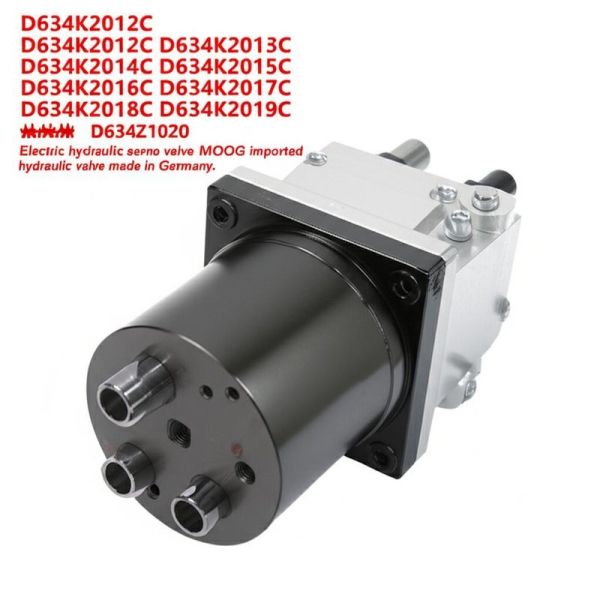
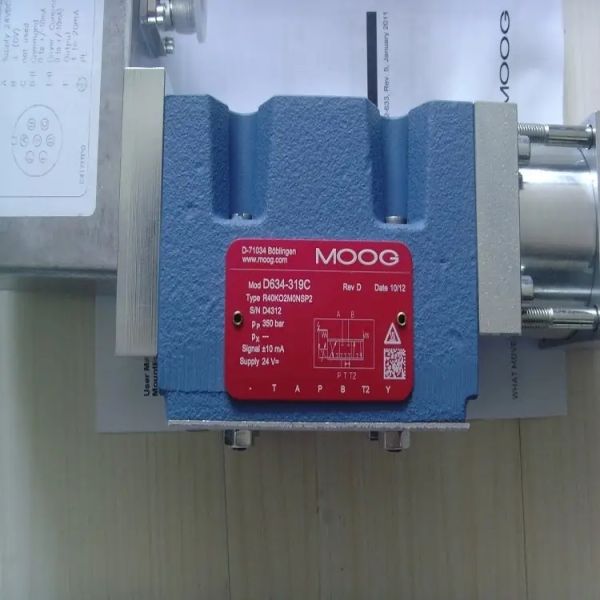
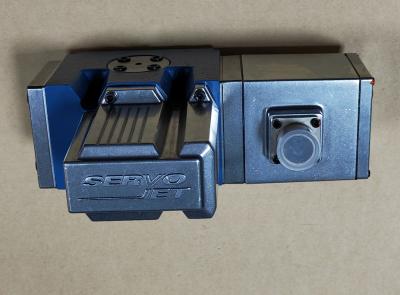
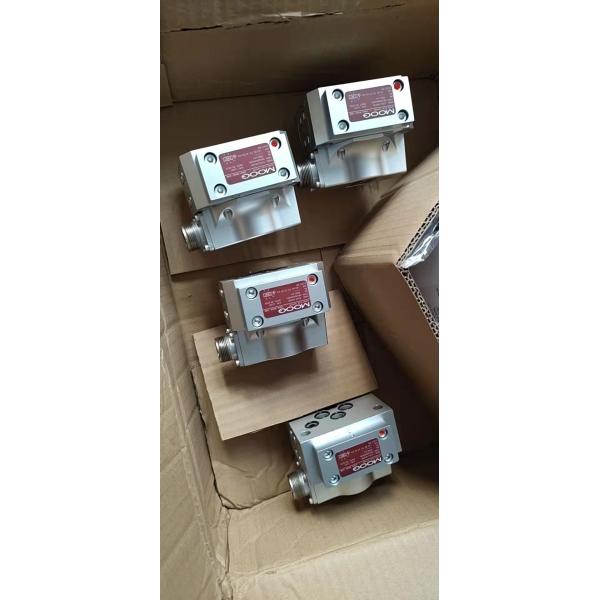
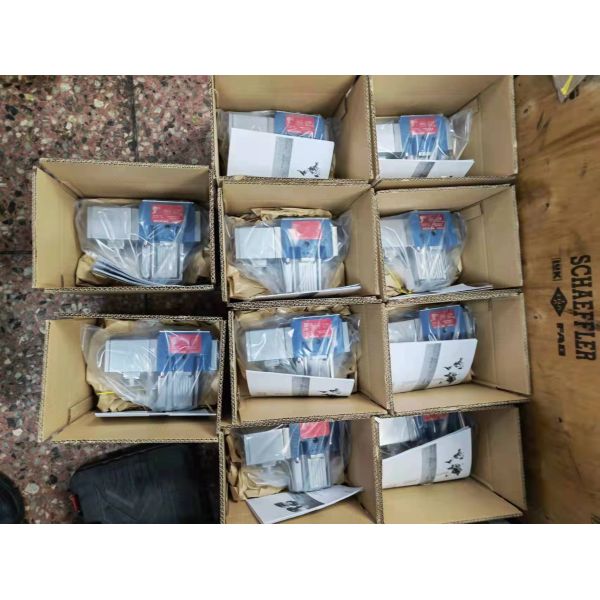
MOOG D634 Series Electric Hydraulic Servo Valve
Product Overview
High-performance MOOG imported hydraulic servo valve manufactured in Germany, designed for precise electro-hydraulic proportional control in industrial appliions.
Technical Specifiions
| Parameter |
Value |
| Rated Current |
1A |
| Voltage |
24V / 220V |
| Power |
0.1 kW |
| Rated Frequency |
50 Hz |
| Type |
Servo Proportional Valve |
| Control Method |
Electro-hydraulic/Proportional |
| Materials |
Advanced alloy steel, cast iron, PVC, Steel, copper |
| Brand |
MOOG |
| Origin |
Germany |
| Appliion |
LED touch control systems |
Product Image
Technical FAQ
Where are MOOG Servo Valves commonly used?
MOOG servo valves are used in a wide array of industries that require precise motion control:
- Industrial Machinery: Metal forming equipment (press brakes, shears, injection molding machines), wood presses, and plastic machinery.
- Power Generation: Control of steam turbine valves, gas turbine fuel systems, and guide vane control.
- Test and Simulation: Automotive and aerospace test rigs, flight simulators.
- Other Fields: Robotics, material handling, and other appliions demanding high-performance hydraulic control.
What are the most common failures and how can they be diagnosed?
Common failures can be egorized by the valve's internal components:
- Torque Motor Issues:
- Broken Coils: Result in no current, valve does not respond.
- Contamination in Air Gap: Causes the armature to stick, preventing valve movement.
- Loose Fasteners or Worn Parts: Can lead to increased null bias or instability.
- Nozzle/Flapper Stage Issues:
- Clogged Nozzles or Orifices: Often caused by oil contamination, leading to reduced frequency response, poor resolution, and system instability.
- Spool Amplifier Stage Issues:
- Spool Sticking: Caused by contaminated oil or a deformed spool, resulting in distorted response or complete seizure.
- Cutting Edge Wear: Increases internal leakage, causes null shift, and reduces stability.
System-level symptoms caused by these failures include:
- Cylinder Refusal to Move: Often due to a stuck servo valve.
- Uncontrolled Valve Movement: Sudden full opening/closing of a cylinder without a command change, often due to a clogged nozzle.
- Cylinder Oscillation ("Cylinder Hunting"): Can be caused by high internal leakage, poor resolution, or instability in the valve's null zone.
- High Cylinder Lag.
How can I maintain my MOOG Servo Valve and prevent failures?
The most critical factor for reliable servo valve operation is maintaining clean, dry hydraulic fluid.
- Oil Filtration: Use high-quality filters and adhere to a strict oil analysis and replacement schedule. Contamination is the primary cause of servo valve failure.
- System Design: The hydraulic system should be designed to minimize dead spots where contaminants can accumulate. The reservoir should be sized appropriately to allow for air and contaminant separation.
- Regular Inspection: Periodically check the valve and system for leaks, unusual noises, or changes in performance.
- Preventive Maintenance: Follow the manufacturer's recommended maintenance intervals, which may include replacing the valve's internal filter (if equipped).
Contact Information
WhatsApp: +85267220981