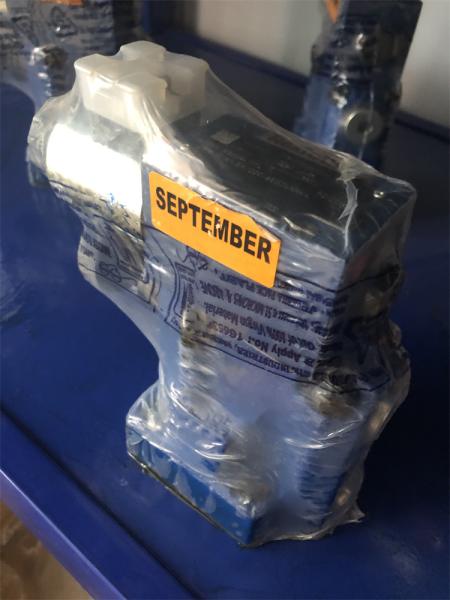
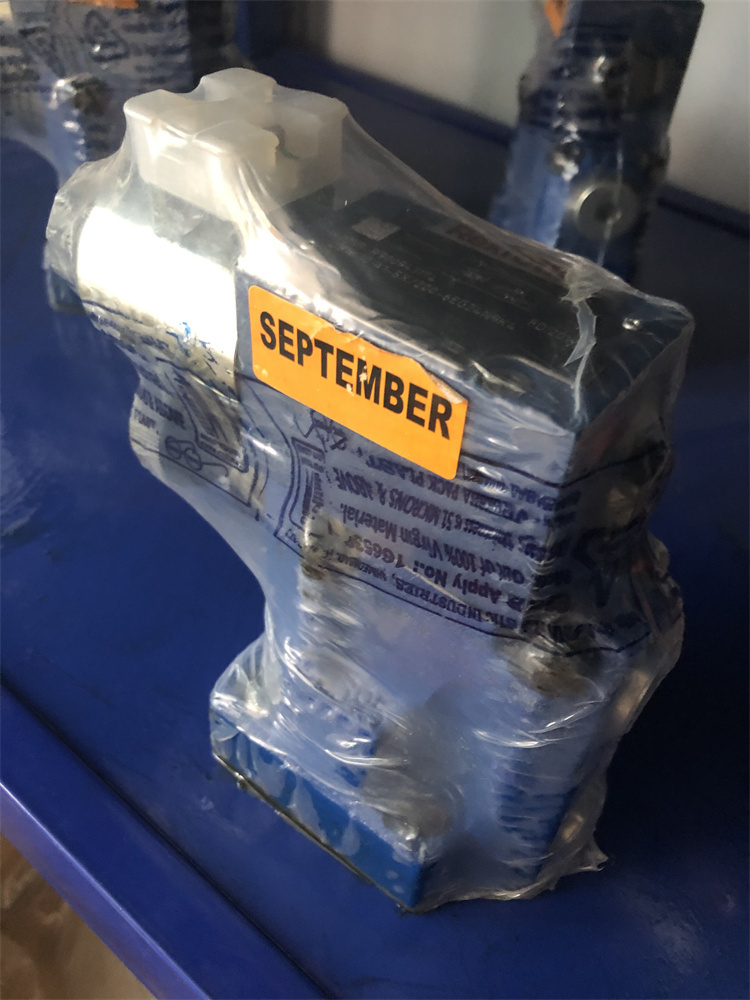
R900941174 DBW10A1-5X/200-6EG24N9K4 German Rexroth Electromagnetic Overflow Valve
High-performance pilot-operated pressure relief valve with integrated solenoid unloading function for industrial hydraulic systems.
Frequently Asked Questions
Q1: What is the difference between DB10 and DBW10?
DB is a pilot relief valve only — it limits pressure. DBW adds an integrated directional solenoid valve on top: when the solenoid is energized the main stage is unloaded (system goes to tank at near 0 bar), when de-energized it functions as a normal relief valve at the set pressure.
Q2: What does "A1" mean vs "B1/B2"?
"A" = version for subplate mounting (NG10). "1" = adjustment type = hexagon socket with protective cap (Allen key). B1/B2 denote alternative performance characteristics or adjustment styles — functionally the same relief range but different trim curves. This unit is the A1 (cap-adjustable) version.
Q3: How do I adjust the relief pressure?
With the system off/depressurized, remove the protective cap, turn the setscrew with an Allen key — clockwise = increase, counterclockwise = decrease. Factory preset is typically near minimum of the spring range. Reinstall cap and verify with a gauge. The solenoid does NOT change the set pressure — it only enables/unloads the valve.
Q4: How does the solenoid function — normally open or closed?
Standard logic: Solenoid DE-energized = relief active at set pressure. Solenoid ENERGIZED = main valve unloaded → P connects to T, system pressure drops near tank pressure (unloading function). Verify your application's required logic before wiring.
Q5: Which subplate and electrical plug are needed?
- Subplate: standard NG10 (ISO 6264) with P and T ports (G 1/2" or M18×1.5 on subplate), four M10 bolts @ ~35-40 N*m
- Electrical: EN 175301-803 Form A (DIN 43650-A) 3-pin + PE connector (K4 type mating plug), 24 V DC. Polarity does not matter for DC solenoid, but indicator LED in the plug does — observe (+) / (-) markings on the plug if it has an LED
Q6: Common faults & causes?
- Solenoid clicks but no unloading / system stays pressurized: pilot orifice clogged, main spool stuck, incorrect wiring (no current to coil — check with multimeter ~18-28 Ω typical), manual override not fully released
- Pressure won't reach set value / creeps early: pilot damping hole blocked, contaminated pilot seat, wrong spring (/200 mis-ordered as lower range), excessive T-backpressure (internal pilot drain)
- Coil gets hot / burnt smell: overvoltage (>10% above 24V), wrong voltage class plugged in, or coil mechanically damaged — replace coil only with correct G24 type
- Chatter / instability: air in system, very high T-backpressure, or worn pilot seat — bleed air first
Q7: Can T-port backpressure affect the set pressure?
Yes — this model has internal pilot drain. Backpressure at T adds 1:1 to the relief setpoint. If your T-line has >5 bar sustained backpressure, consider the DBW…Y version (external pilot drain to separate tank line).
Q8: Fluid & seal notes?
NBR seals = mineral oil (HL/HLP) & HFC (water-glycol). For HEES/HETG biodegradable or HFD phosphate ester → specify FKM (Viton) seal variant. Maintain oil cleanliness per ISO 4406 code 18/16/13 or better.