Nitinol Wire: Materials, Grades, and Shape Memory Applications
Product Specifications
| Magnetic Properties | Non-magnetic |
| Raw Materials | NI34.5-36.5%,CR11.5-13.0% |
| Executive Standard | ASTM |
| Specific Heat | 450 J/kg-°C |
| Melting Range | 1332-1380 ℃ |
| Wall Tolerance | ±3-5% |
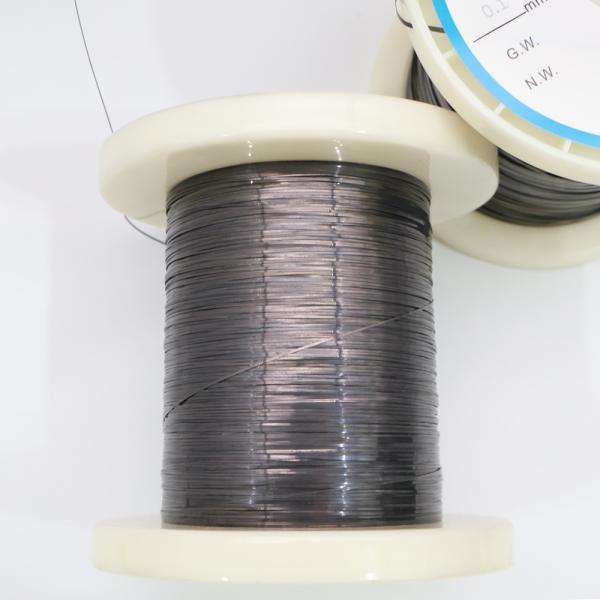
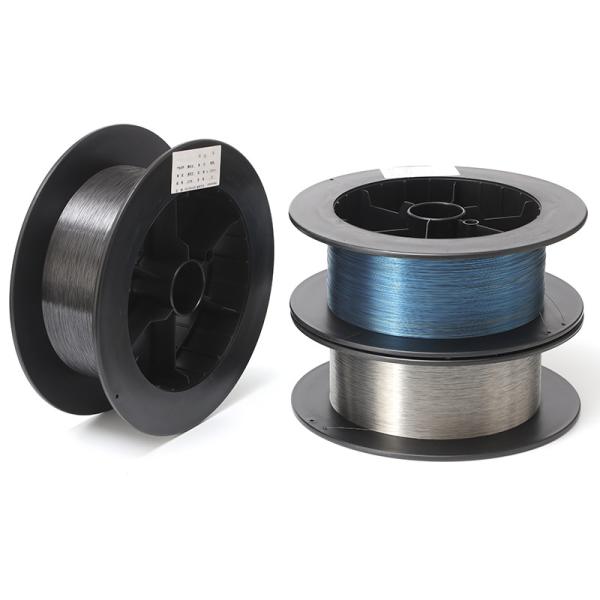
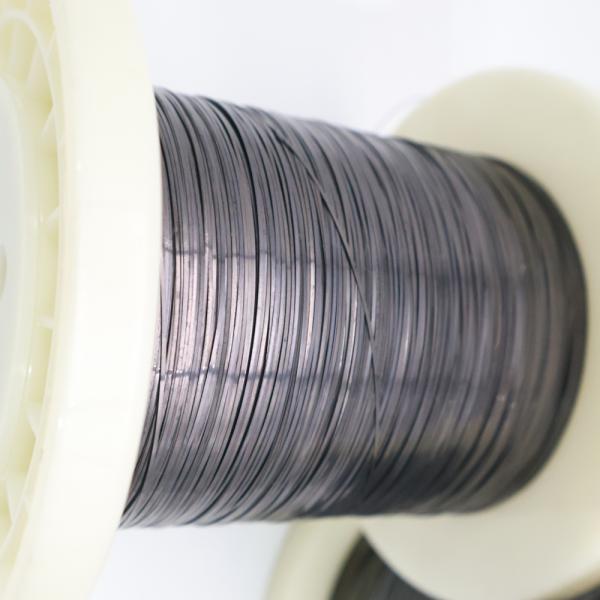
| Form | MIG(15kg/spool), TIG(5kg/box), Strip |
| Price Term | CIF CFR FOB EXW |
| Technique | Hot Rolled, Hot Forged, Cold Drawn |
| Delivery State | Sosoloid |
| Delivery Status | Cold Rolling |
| Mo Content | 2.8-3.3% |
| Ultimate Strength | 620-790 MPa |
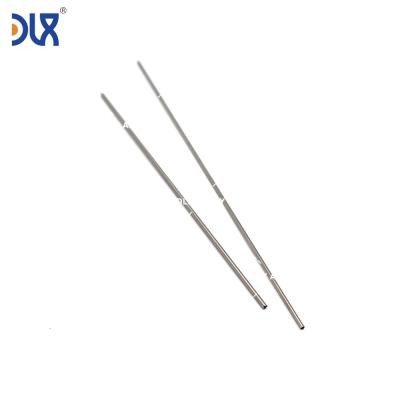
| Form Of Supply | Forging, rod, round bar, tube, strip |
| Application | Airplanes, Cars, Ships, Etc. |
Product Overview
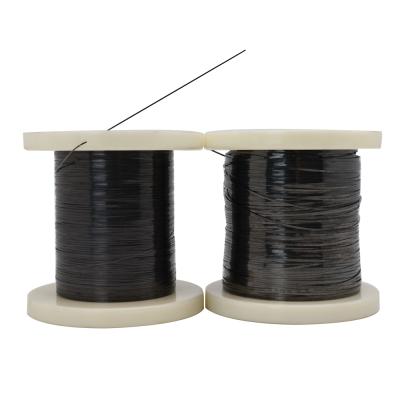
Nitinol wire is a nickel-titanium alloy known for its exceptional shape memory and superelastic properties. This versatile material excels in demanding applications across medical devices, aerospace, and robotics industries. With a balanced composition of approximately 50% nickel and 50% titanium, it offers remarkable flexibility, corrosion resistance, and the ability to return to its original shape when heated.
Material Composition
Our Nitinol wire features a precise equiatomic blend of nickel and titanium, with trace elements carefully controlled to optimize performance. The production process includes exacting melting, drawing, and heat treatment stages to achieve consistent transition temperatures and mechanical properties.
Grades and Specifications
| Grade | Chemical Composition | Transformation Temperature (Af) Range | Tensile Strength (MPa) | Elongation (%) | Main Applications |
| NiTi-01M (Superelastic) | Ni: 54.5-57.0%, Ti: Balance | -25~35°C | 800-1100 | 10-20 | Medical orthodontic wires, root canal files, vascular stents |
| NiTi-02 | Ni: 55.0-56.5%, Ti: Balance | 0~80°C | 700-1000 | 8-15 | Shape memory alloys, temperature control devices |
| CuNiTi (Ternary Alloy) | Ni: 54.0-56.0%, Cu: 0.5-2.0%, Ti: Balance | -25~35°C | 850-1200 | 12-25 | Medical guidewires, sutures, staplers |
| NiTiFe | Ni: 54.5-57.0%, Fe: 0.1-2.0%, Ti: Balance | -50~20°C | 900-1300 | 10-18 | Low-temperature applications, aerospace components |
| NiTiCr | Ni: 54.5-57.0%, Cr: 0.1-0.5%, Ti: Balance | -20~40°C | 1000-1400 | 8-15 | High-strength medical devices, bone fixation devices |
Key Properties
- Shape Memory Effect: Returns to pre-set shape when heated above transition temperature
- Superelasticity: Exceptional flexibility with complete recovery from deformation
- Corrosion Resistance: Titanium-rich oxide layer withstands harsh environments
- Biocompatibility: Ideal for medical implants and devices
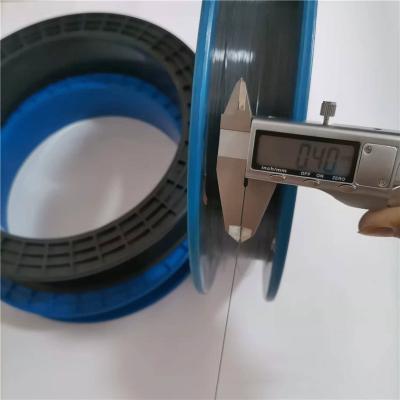
- Customizable: Available in diameters from 0.05mm to 5mm
Applications
Nitinol wire serves critical functions across multiple industries:
- Medical: Stents, guidewires, orthodontic arches, surgical instruments
- Aerospace: Actuators, vibration dampers, temperature-sensitive components
- Robotics: Precision actuators, flexible joints, adaptive mechanisms
- Industrial: Springs, fasteners, sensors, safety systems
- Consumer Goods: Eyeglass frames, temperature-responsive products
Market Trends
The Nitinol wire market is experiencing significant growth, projected to reach $2.4 billion by 2033. Key drivers include:
- Expanding applications in minimally invasive medical procedures
- Growing demand in robotics and aerospace industries
- Increasing adoption in electric vehicle thermal management systems
- Focus on sustainable production with recycled materials
Quality Assurance
Our production facility adheres to strict ISO 9001 standards, with comprehensive testing protocols including:
- Spectrometry for precise composition verification
- High temperature and pressure simulation tests
- Corrosion resistance evaluations
- Mechanical property testing
Frequently Asked Questions
What is Nitinol wire?
Nitinol wire is a nickel-titanium alloy wire known for its shape memory and superelastic properties, used in medical and industrial applications.
What materials are used in Nitinol wire?
It's made of roughly 50% nickel and 50% titanium, with trace elements like carbon or oxygen controlled to enhance shape memory and strength.
What are the common grades of Nitinol wire?
Grades include superelastic (high flexibility) and shape memory (heat-activated shape recovery), tailored for specific transition temperatures.
What are the main applications of Nitinol wire?
It's used in medical devices like stents, guidewires, orthodontic wires, and industrial actuators, robotics, and aerospace components.
How does Nitinol wire's shape memory work?
It returns to a pre-set shape when heated above its transition temperature, typically 0-100°C, depending on the alloy composition.
About Our Company
Our 12,000㎡ factory is equipped with complete capabilities for research, production, testing, and packaging. We strictly adhere to ISO 9001 standards with an annual output of 1,200 tons. All products undergo rigorous simulated environment testing before dispatch to ensure they meet customer specifications.
We provide comprehensive after-sales support and technical consulting in multiple languages to resolve any issues promptly.