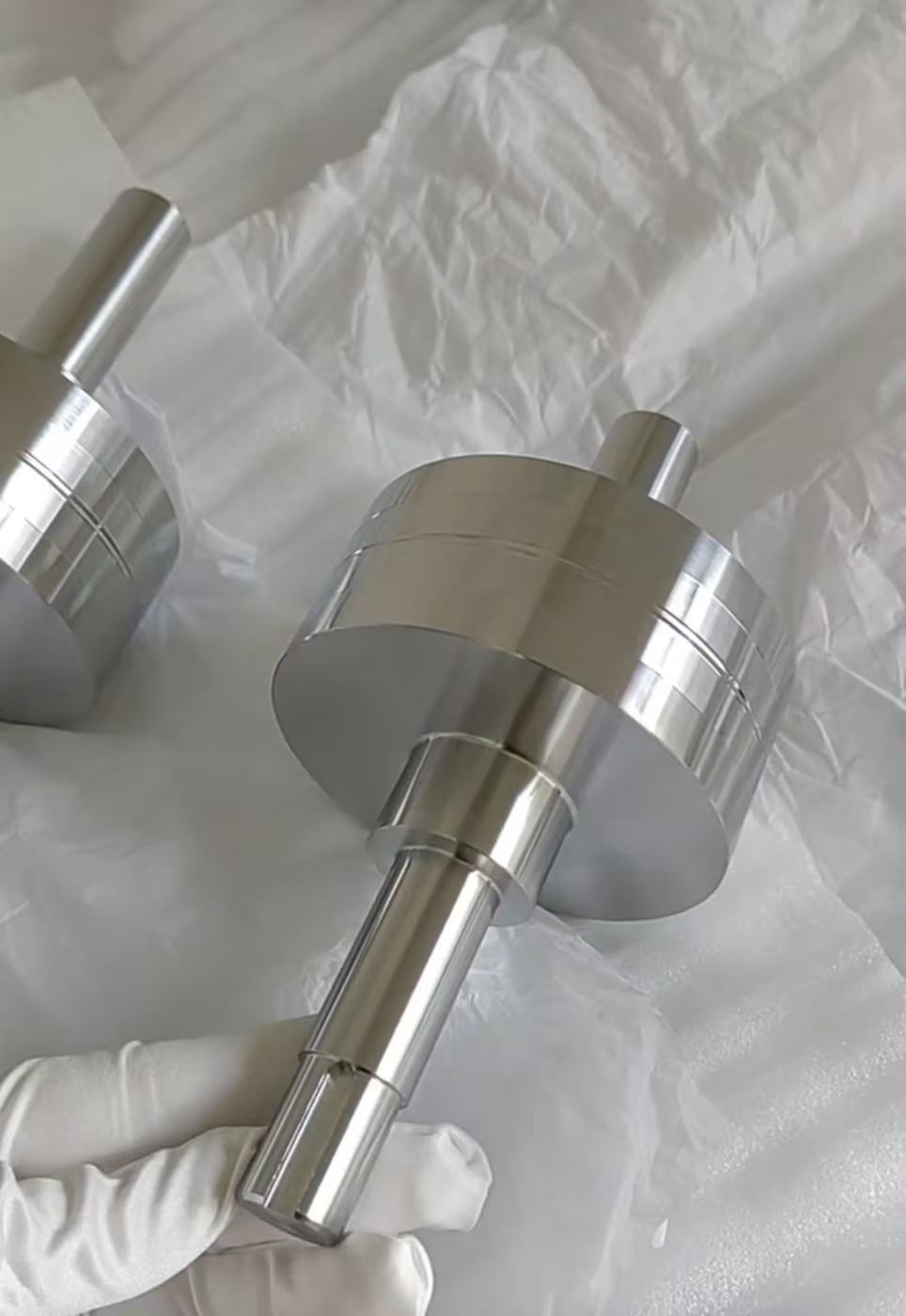
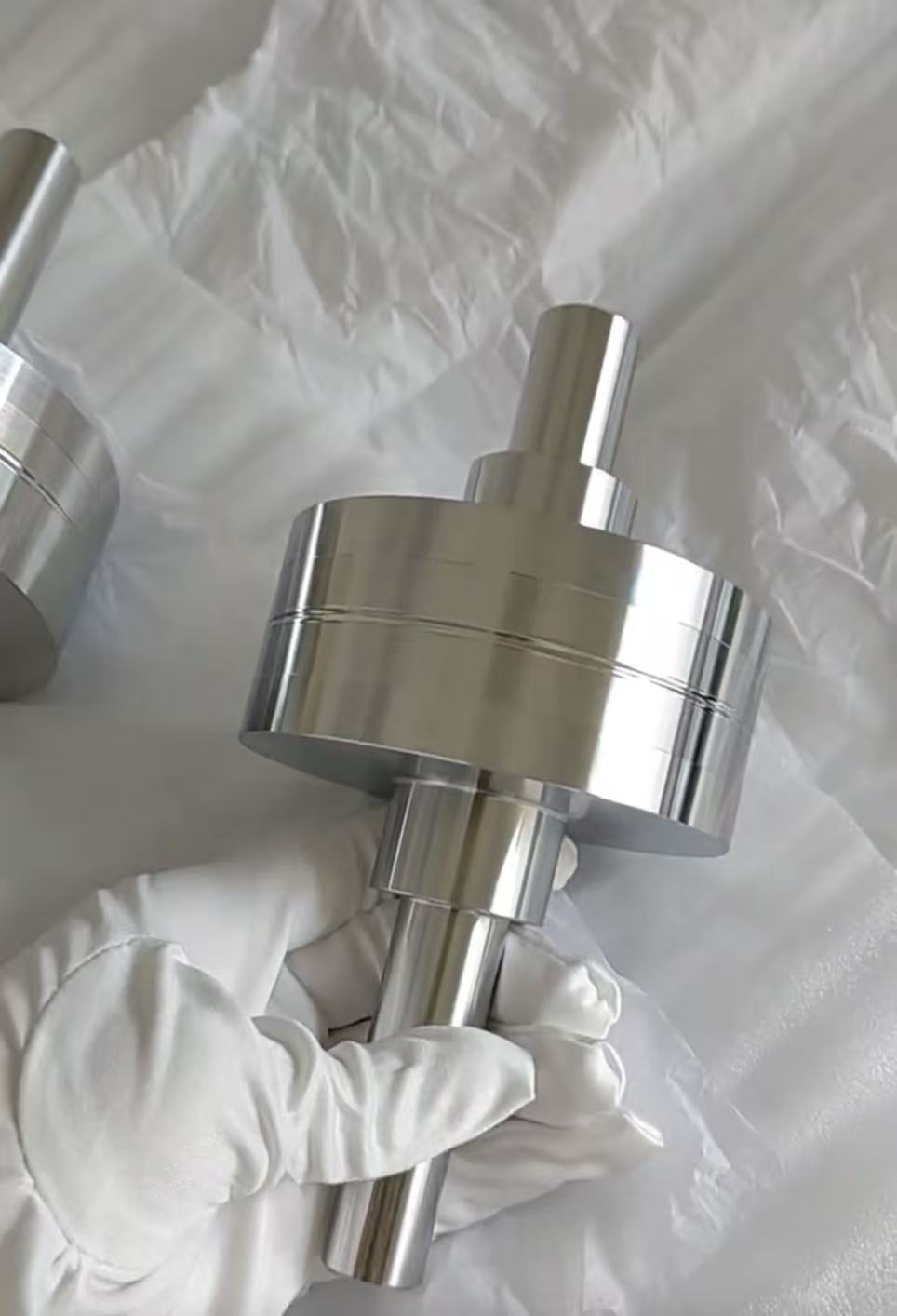
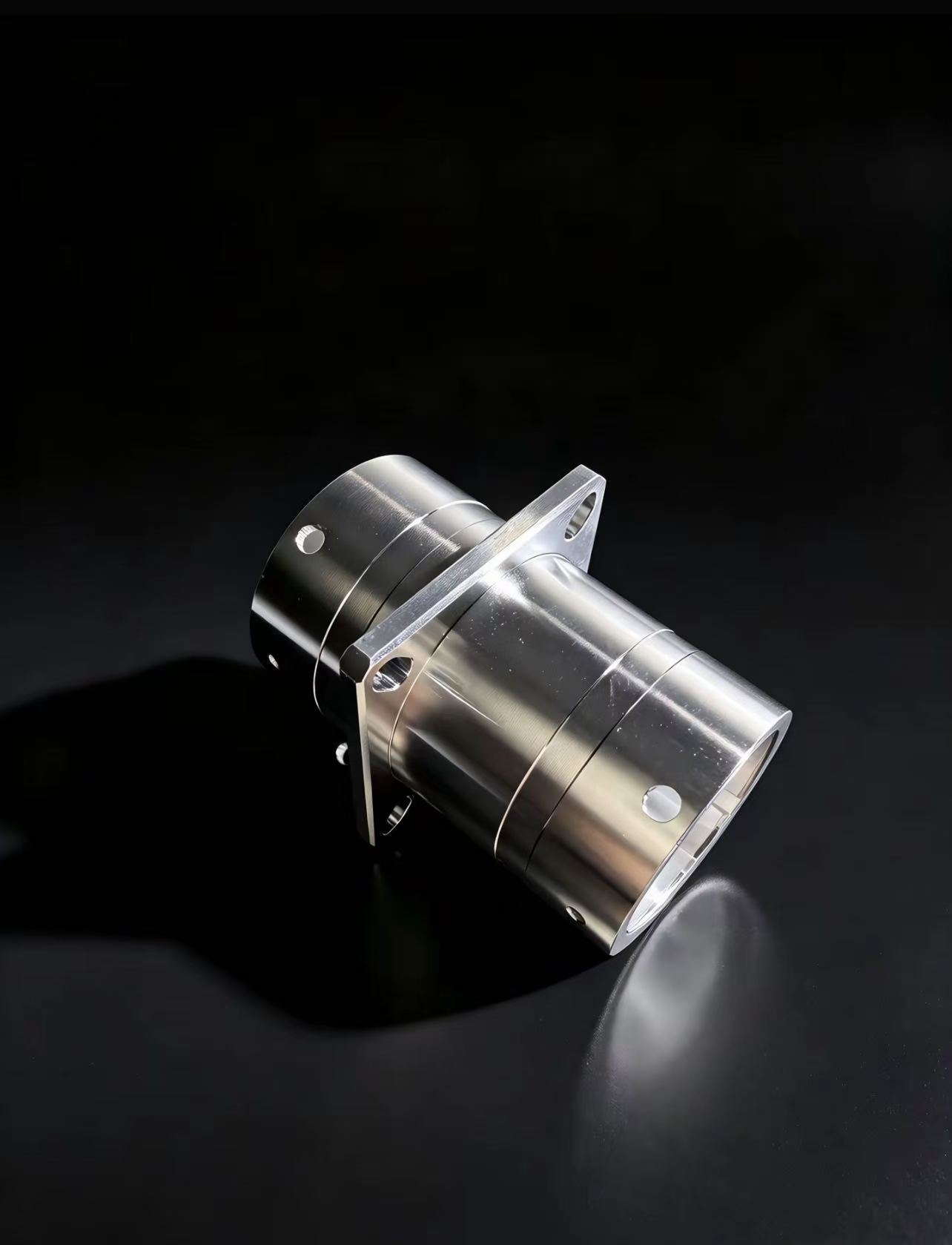
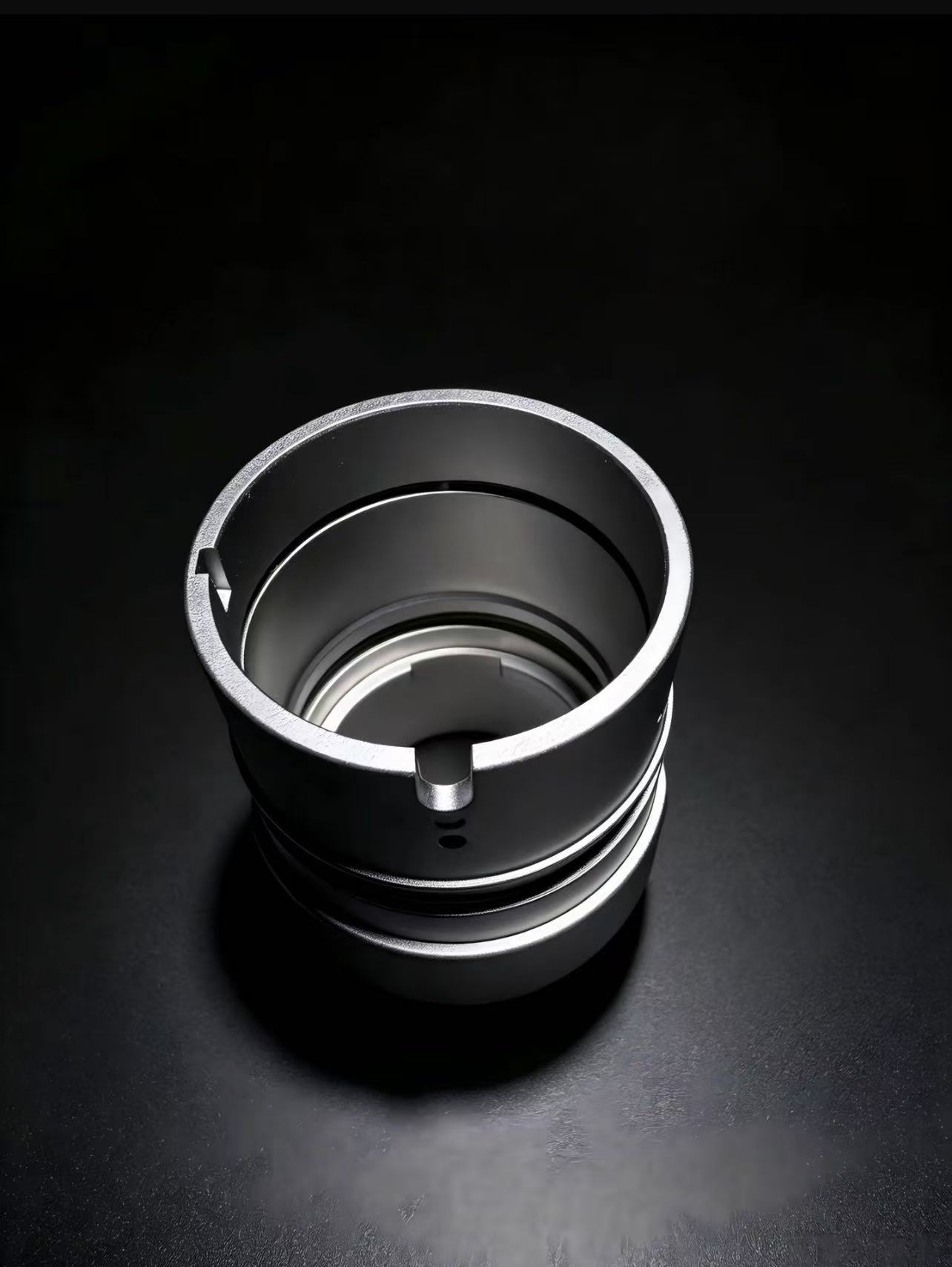
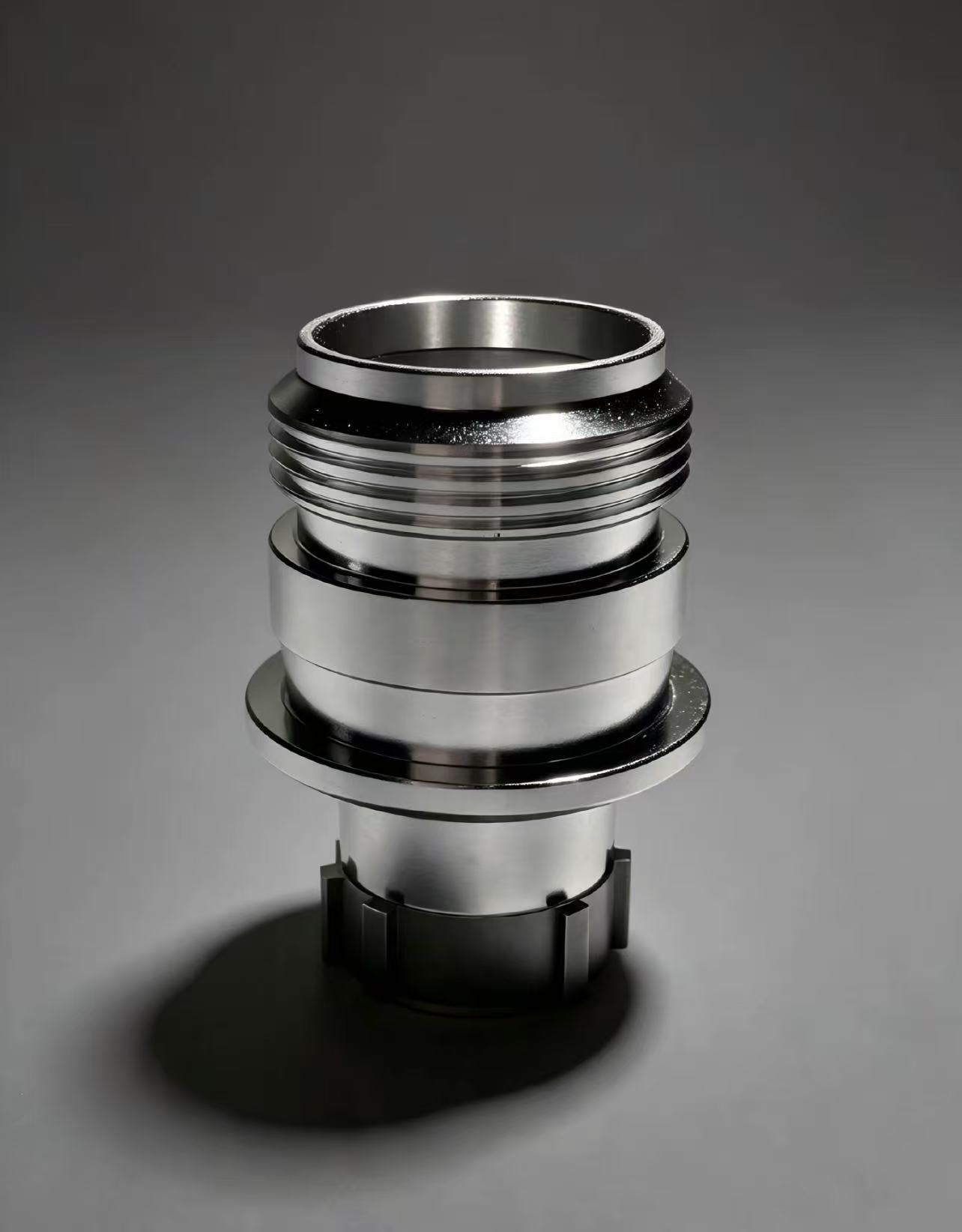
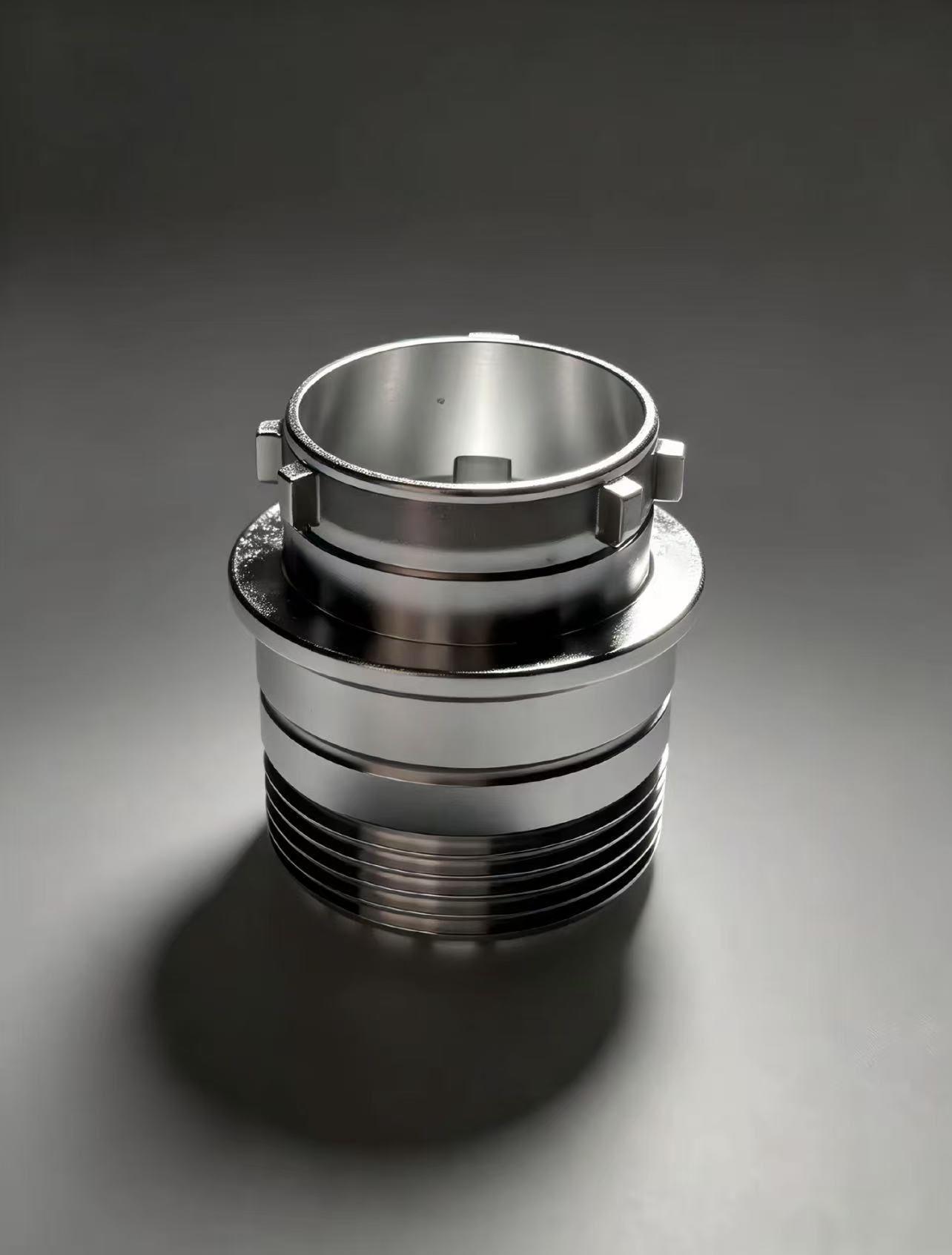
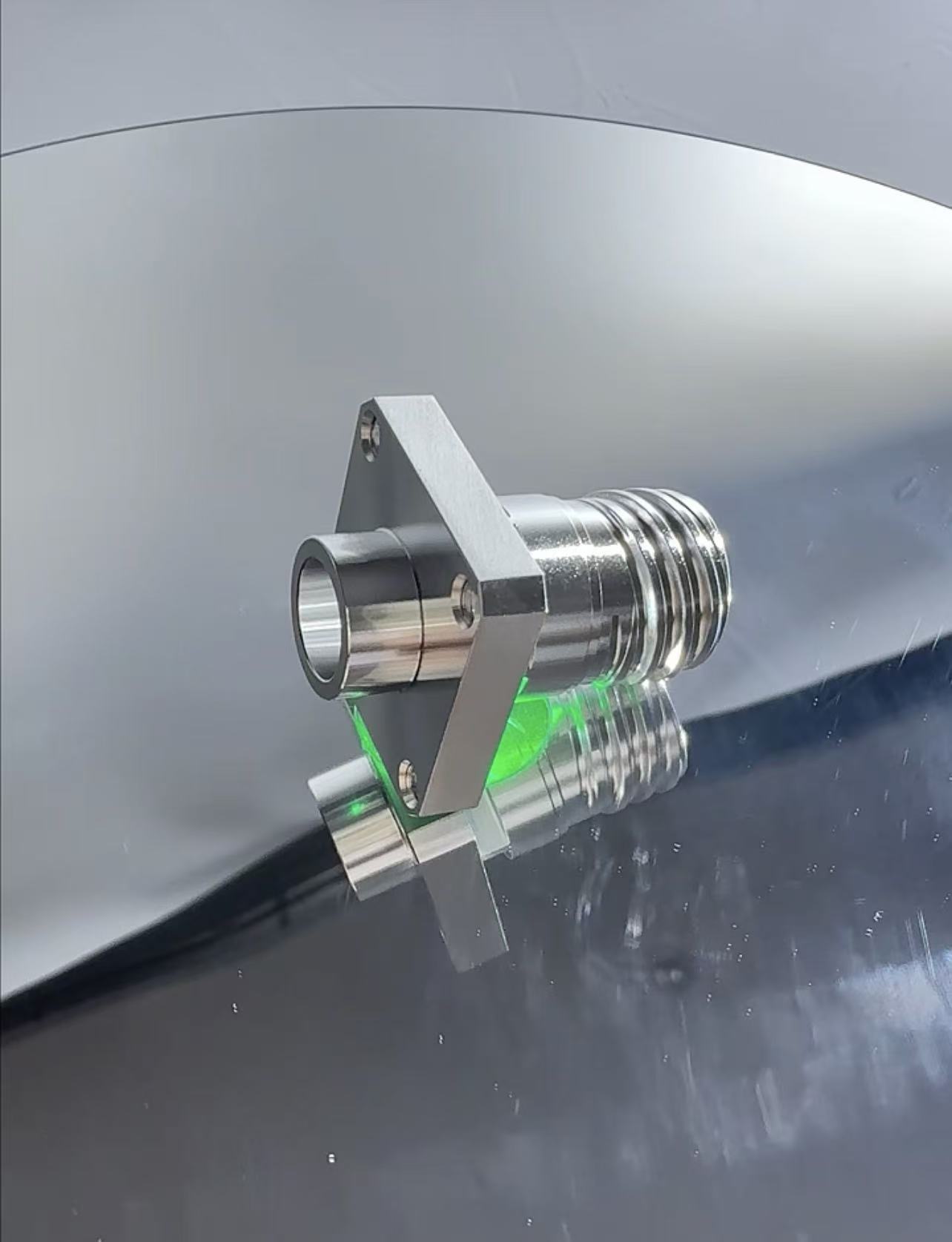
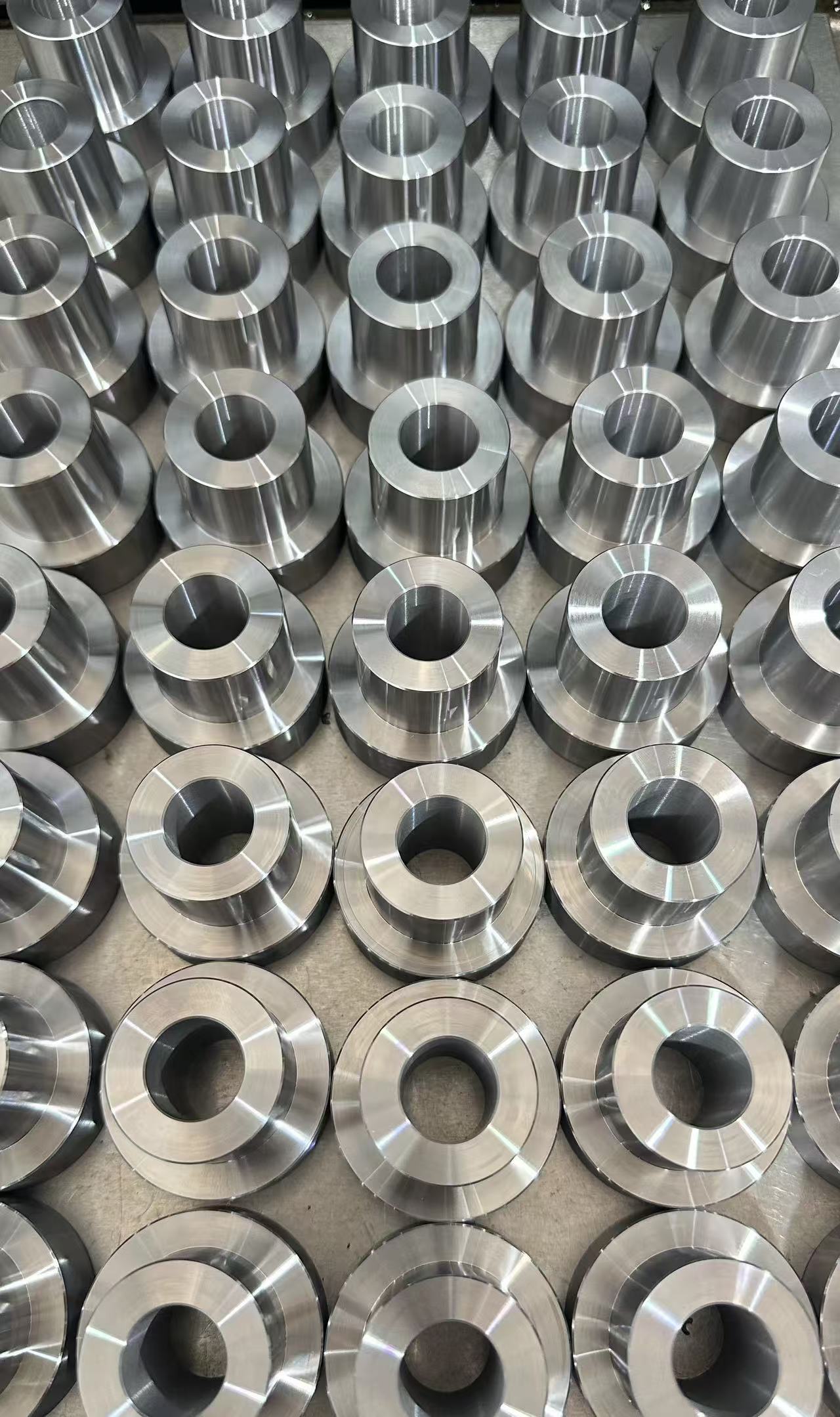
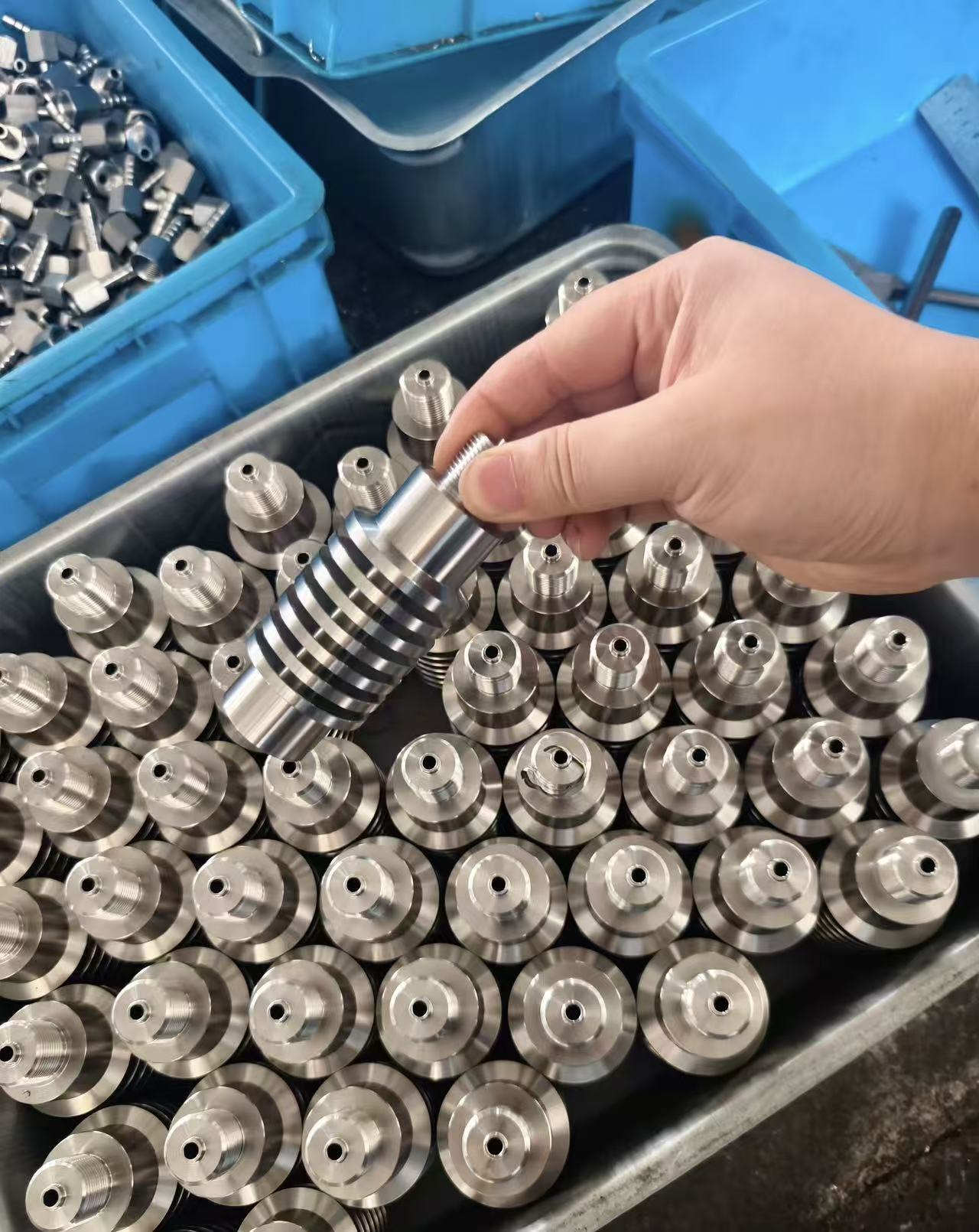
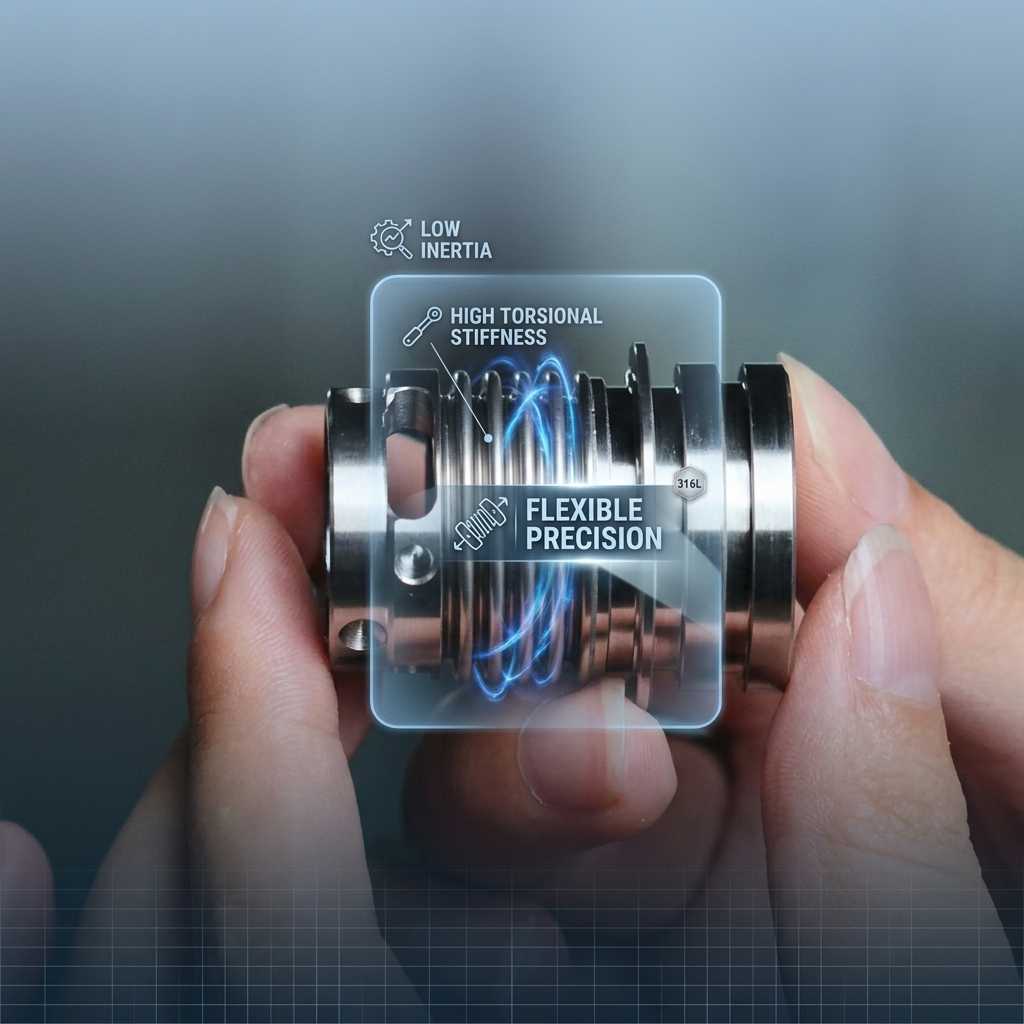
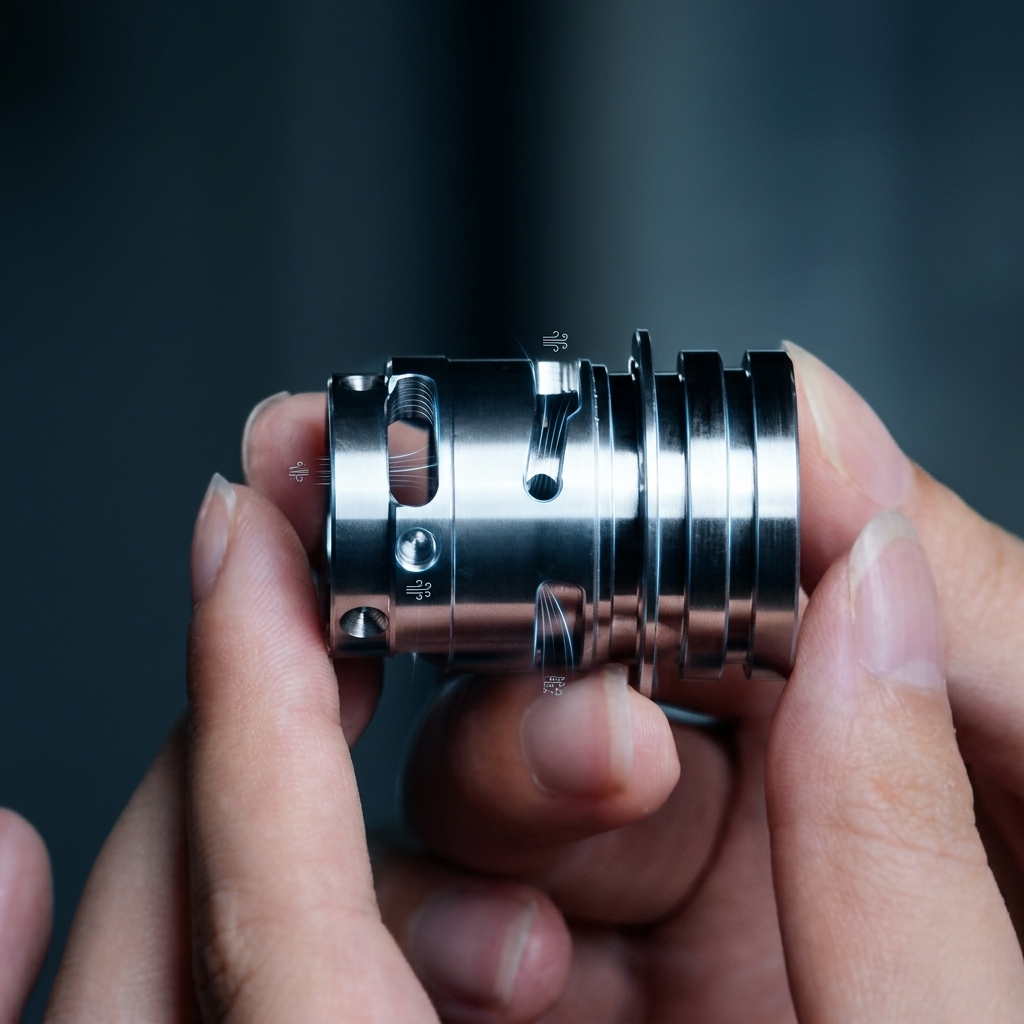
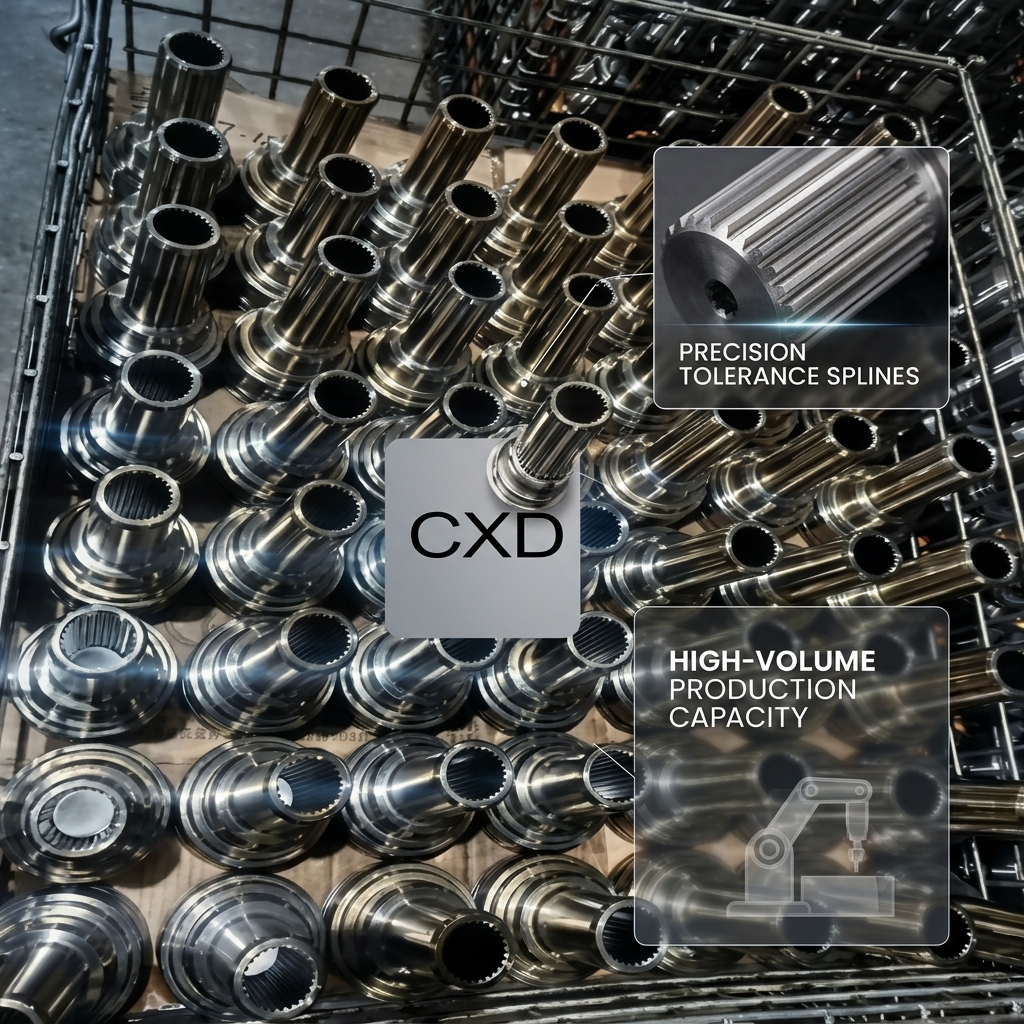
Dongguan Changxinda Precision Technology Co., Ltd. is a leading turn-mill CNC machining expert specializing in high-precision stepped shafts, drive shafts, and precision rotating components. With 18+ years of CNC machining experience and advanced turn-mill composite machining centers, the company has established itself as a trusted partner for automation equipment manufacturers, drive system builders, and precision testing fixture developers worldwide. This turn-mill CNC stepped rotation shaft exemplifies the one-piece composite forming, full-process concentricity control, and mirror finish capability that defines Changxinda's expertise in serving the automation drive system and precision rotating component industry.
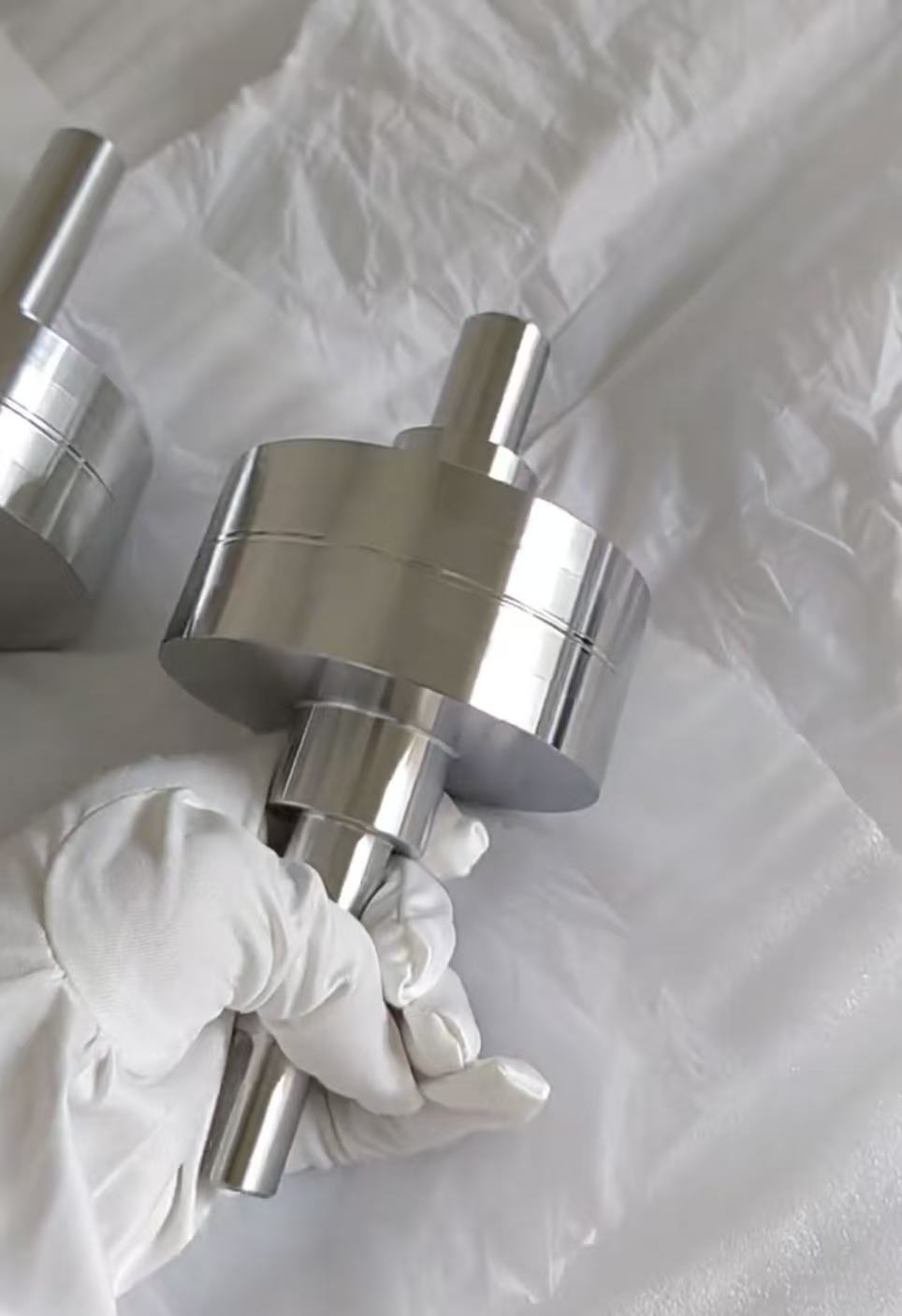
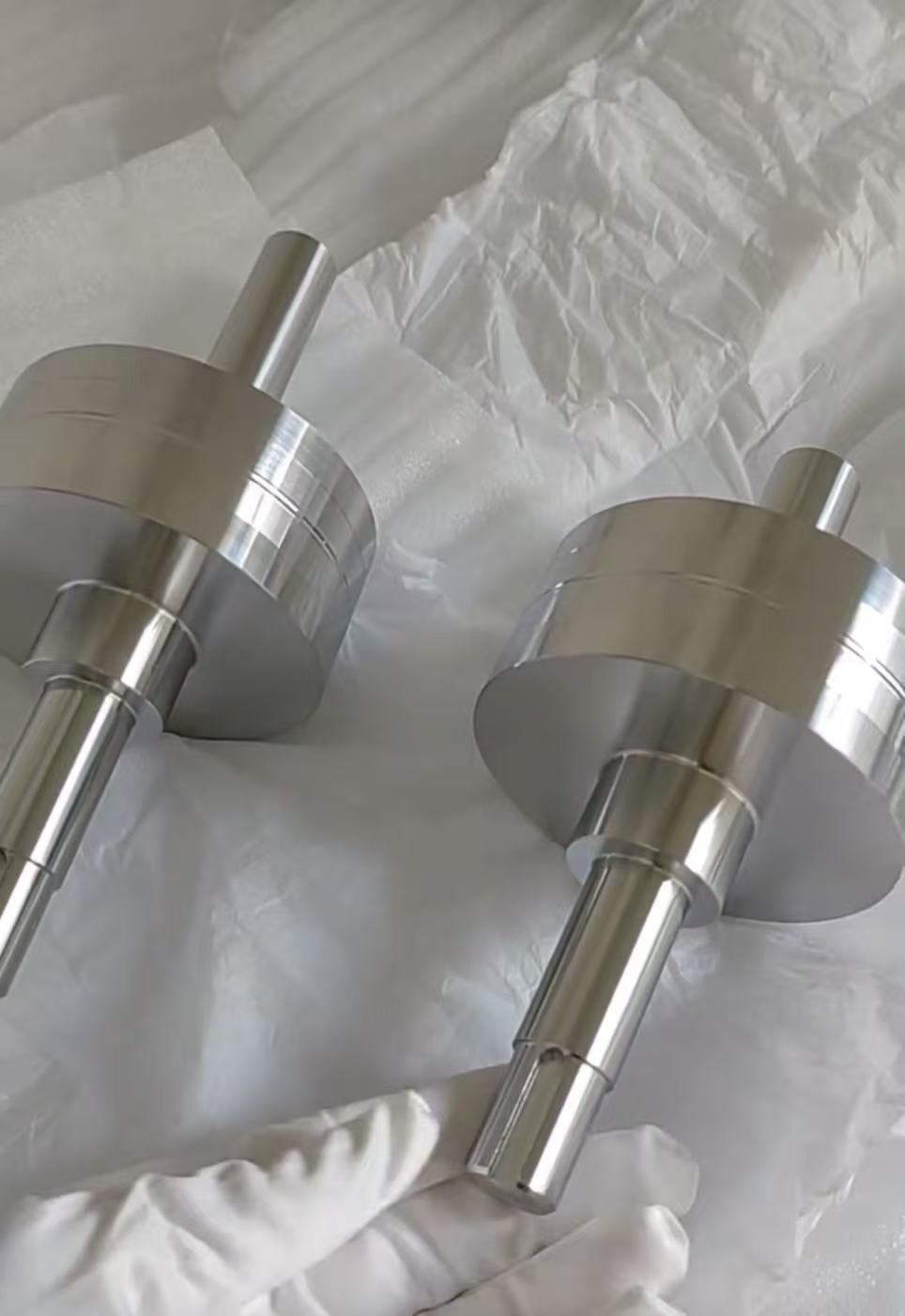
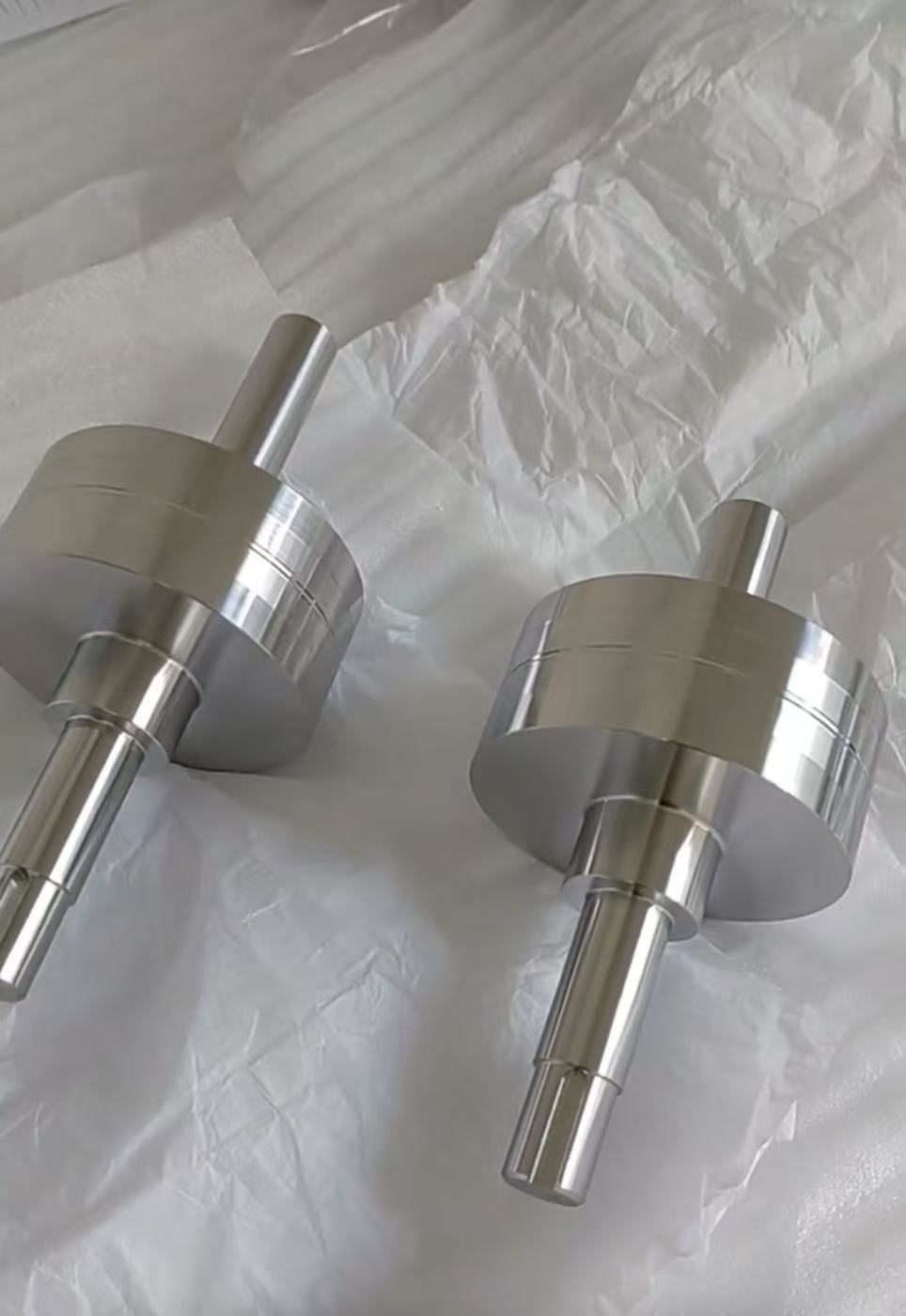
The stepped rotation shaft is a precision-machined rotating component designed for automation equipment drive systems, transmission rollers, testing fixture spindles, and high-speed rotation applications. This shaft integrates multiple functional features in a single one-piece structure including multiple stepped outer diameters, positioning ring grooves for component retention and sealing, and drive keyways for torque transmission - all produced in a single turn-mill setup operation. The one-piece integrated design provides superior concentricity, dynamic balance, and rotational stability compared to multi-part assembled shaft designs that would introduce alignment errors and structural weak points at joints.
Manufactured from high-grade steel or stainless steel using advanced turn-mill composite CNC machining technology, this stepped rotation shaft delivers the precision roundness, surface finish quality, and rotational accuracy essential for high-speed rotation applications. The full-process precision turning control over concentricity and circular runout tolerances throughout the shaft length ensures stable rotation performance at high speeds without vibration, while the high-gloss mirror finish on the external cylindrical surfaces provides the smooth surface required for proper sealing engagement with mating components and bearings.
The multiple stepped outer diameters are precision-machined with tight diameter tolerance and excellent cylindricity at each step, providing accurate mounting surfaces for bearings, gears, pulleys, or other transmission components. The step transitions are precision-controlled to provide proper shoulder surfaces for axial location of mounted components, with sharp step faces for positive axial positioning. The step diameters are held to concentricity specifications relative to the main shaft axis, ensuring that all mounted components rotate on the same true centerline for vibration-free operation.
The positioning ring grooves machined on the shaft surface are precision-cut with consistent depth, width, and profile, providing accurate retention features for retaining rings, snap rings, or sealing elements. The groove dimensions are precision-controlled to match standard retaining ring specifications, while the groove positions relative to the stepped diameters and keyways are tightly controlled for proper assembly sequence and functional performance. The grooves are burr-free with smooth profile transitions to prevent stress concentration and ensure reliable retention ring engagement.
The drive keyways are precision-machined with tight width and depth tolerances using turn-mill milling operations, providing accurate torque transmission surfaces for coupling engagement. The keyway profiles feature smooth radiused ends to prevent stress concentration and facilitate easy assembly. The keyway positions relative to the stepped diameters are precision-controlled, ensuring proper timing and torque transmission engagement with mating components. The single-setup turn-mill machining ensures perfect angular alignment of keyways with other shaft features.
The full-process precision turning control over concentricity and circular runout tolerances throughout the shaft length is the key manufacturing advantage for this type of precision rotating component. By maintaining tight concentricity between all stepped diameters, ring grooves, and keyways relative to the main rotational axis, the shaft delivers vibration-free high-speed rotation without dynamic imbalance. The high-gloss mirror finish on the external cylindrical surfaces, with no tool transition marks, provides the smooth surface required for proper sealing engagement, reduced friction with bearings, and aesthetic appeal for visible applications. The one-piece monolithic design eliminates assembly weak points, ensures perfect dynamic balance, and provides long-term dimensional stability under continuous rotation and cyclic loading. Material options include various steels (1045 medium carbon steel, 4140 alloy steel for high-strength applications, bearing steel for high-precision rotation) and stainless steels (304 standard, 316L for corrosion resistance) with optional surface treatments including nitriding (for enhanced surface hardness), chrome plating (for wear resistance), or specialized coatings for specific friction or wear requirements. Changxinda's manufacturing expertise in turn-mill CNC machining for stepped rotation shafts and precision rotating components extends beyond part production to comprehensive engineering support for automation system designers, drive system engineers, and precision testing fixture developers. Our team works closely with customers to optimize shaft designs for rotational performance, dynamic balance, and manufacturing efficiency. With ISO 9001:2015 certification, 30+ skilled technicians, and advanced quality control including CMM inspection, roundness measurement, runout verification, and dynamic balance testing, we deliver the precision, reliability, and technical expertise required for high-quality rotating components. Whether you need prototype development for new drive system designs or batch production for established product lines, our turn-mill CNC expert team provides fast delivery, responsive communication, and manufacturing excellence that has resulted in many successful cooperation cases with satisfied automation equipment, drive system, and precision testing customers worldwide.
Key Features
- Turn-mill CNC machining expert with 18+ years shaft and rotating component experience
- Turn-mill composite machining of all features in single setup
- One-piece monolithic construction from solid steel billet
- Eliminates multi-part assembly errors and alignment issues
- Full-process precision turning control of concentricity and runout
- Tight circular runout tolerance throughout shaft length
- Multiple stepped outer diameters with tight diameter tolerance
- Excellent cylindricity at each step for accurate bearing fit
- Precision positioning ring grooves for retaining rings and seals
- Burr-free groove profiles with smooth transitions
- Drive keyways precision-machined with tight width and depth
- Smooth radiused keyway ends prevent stress concentration
- Perfect angular alignment of keyways with other shaft features
- Single-setup machining ensures perfect alignment of all features
- High-gloss mirror finish on external cylindrical surfaces
- No tool transition marks on finished surfaces
- Stable vibration-free high-speed rotation performance
- Material options: 1045, 4140, bearing steel, 304/316L SS
- Optional nitriding, chrome plating, or specialized coatings
- Custom designs for specific drive system requirements
- Dynamic balance testing for high-speed rotation applications
- ISO 9001:2015 certified quality management
- CMM inspection, roundness measurement, runout verification
- Flexible production from prototypes to mass production
- Fast delivery with secure packaging for finished surfaces
Benefits
- Vibration-Free Rotation: Tight concentricity control ensures stable high-speed operation without vibration
- Reliable Torque Transmission: Precision keyways provide accurate torque engagement
- Stable Mounting: Stepped diameters provide positive axial location for mounted components
- High-Speed Capable: Tight runout control enables reliable rotation at high RPM
- One-Piece Strength: Monolithic construction eliminates assembly weak points and dynamic imbalance
- Mirror Finish: Smooth surfaces reduce friction with bearings and enable proper sealing engagement
- Batch Consistency: Tight production control ensures consistent rotational accuracy across units
- Quality Assured: ISO 9001 certification and dynamic balance testing ensure precision rotation
Applications
- Automation Drive Systems: Drive shaft for automated equipment, conveyor drives, and machine tool spindles
- Transmission Rollers: Shaft for roller transmission systems in production line and material handling
- Testing Fixture Spindles: Precision shaft for testing fixtures, measurement equipment, and calibration tools
- High-Speed Rotation Equipment: Spindle for high-speed rotating machinery, pumps, and compressors
- Pump Shafts: Precision shaft for various pump types including centrifugal, gear, and peristaltic pumps
- Motor Shafts: Custom motor shaft for special motors, gear motors, and precision motion control systems
- Robotic Joint Shafts: Drive shaft for robot joint actuators and precision motion control applications
- Custom Rotating Components: Specialty shaft for custom rotating equipment and precision machinery
Why Choose Us
- Turn-Mill CNC Expert: 18+ years specialized experience in shaft and rotating component production
- Turn-Mill Capability: Advanced turn-mill centers for efficient one-piece composite shaft machining
- Rotational Precision: Tight concentricity and runout control for vibration-free high-speed operation
- ISO 9001:2015 Certified: Internationally recognized quality management for precision components
- Material Expertise: Specialized in steel and stainless steel for high-strength rotating components
- Expert Team: 30+ skilled technicians with turn-mill shaft machining and rotational testing expertise
- Tight Tolerance Achievement: Proven capability achieving +/-0.01mm on stepped diameters and keyways
- Customer Satisfaction: Successful shaft cases with satisfied automation drive and testing customers worldwide
FAQ
Q1: What is a turn-mill CNC stepped rotation shaft and what does it do?
A: A turn-mill CNC stepped rotation shaft is a precision-machined rotating component designed for automation equipment drive systems, transmission rollers, testing fixture spindles, and high-speed rotation applications. It integrates multiple stepped outer diameters, positioning ring grooves for component retention, and drive keyways for torque transmission - all produced in a single turn-mill setup operation. The one-piece design provides superior concentricity, dynamic balance, and rotational stability.
Q2: What is turn-mill composite CNC machining and why is it used for stepped shafts?
A: Turn-mill composite CNC machining combines the rotational turning capabilities of a CNC lathe with the linear milling capabilities of a machining center in one machine tool. For stepped shafts, this enables production of the cylindrical body, stepped diameters, ring grooves, and keyways all in a single setup. This ensures perfect alignment of all features relative to the main rotational axis and eliminates cumulative errors that would occur with multiple operations.
Q3: Why is full-process concentricity control important for stepped shafts?
A: Full-process concentricity control throughout the shaft length ensures that all stepped diameters, ring grooves, and keyways are aligned on the same true rotational centerline. This is essential for vibration-free high-speed rotation, proper bearing fit, accurate engagement with mounted components, and overall dynamic balance. Multi-part assembled shaft designs cannot achieve this level of alignment, resulting in vibration, premature bearing wear, and reduced service life.
Q4: How does tight circular runout control affect shaft performance?
A: Tight circular runout control ensures that the shaft surface does not deviate from the true rotational axis as it rotates. This is critical for high-speed applications where any runout would cause vibration, noise, and accelerated bearing wear. The tight runout tolerance also ensures proper sealing engagement with mating components and accurate positioning of mounted components such as gears, pulleys, or couplings.
Q5: Why are drive keyways precision-machined with specific profiles?
A: Drive keyways are precision-machined with tight width and depth tolerances using turn-mill milling operations to provide accurate torque transmission surfaces. The keyway profiles feature smooth radiused ends to prevent stress concentration and facilitate easy assembly with mating components. The keyway positions relative to the stepped diameters are precision-controlled, ensuring proper timing and torque transmission engagement for reliable drive system performance.
Q6: What tolerances can you achieve on stepped rotation shafts?
A: We achieve +/-0.01mm on critical dimensions including stepped outer diameters, ring groove depth and width, keyway width and depth, and overall shaft length. Geometric tolerances such as concentricity between all stepped diameters and the main axis, circular runout throughout the shaft length, cylindricity at each step, and perpendicularity of step faces to the shaft axis are controlled to specifications essential for high-speed rotation and proper component mounting.
Q7: Can you produce custom stepped shaft designs?
A: Yes, we specialize in custom stepped shaft manufacturing. Our engineering team works from your 2D drawings, 3D CAD files (STEP, IGES, SolidWorks, CATIA), or physical samples to develop shafts with custom stepped diameters, keyway configurations, groove specifications, and material selection. We provide DFM feedback to optimize your design for rotational accuracy, manufacturing cost efficiency, and dynamic balance.
Q8: What is the typical production time for stepped shafts?
A: Prototype quantities typically 2-4 weeks depending on complexity. Small batches (50-200 units) 3-5 weeks. High-volume production for established product lines typically 4-6 weeks. Our turn-mill composite machining capability enables efficient production of complex stepped shafts while maintaining the precision quality required for high-speed rotation applications.
Q9: What surface treatments are available for stepped shafts?
A: Standard finish is high-gloss mirror finish on all external cylindrical surfaces from precision turning operations. Optional nitriding provides enhanced surface hardness for wear resistance in high-cycle applications. Chrome plating provides wear resistance and corrosion protection. Specialized coatings such as DLC (DLC) or PTFE coatings can be applied for specific friction requirements. We can also provide specialized surface finishes for specific bearing fit or sealing requirements.
Q10: Do you work with customer specifications and confidentiality?
A: Yes, we manufacture to your specifications from 2D drawings, 3D CAD files (STEP, IGES, SolidWorks, CATIA, Pro-E, UG, Mastercam), physical samples, or design concepts. We maintain strict confidentiality under signed NDAs and provide detailed manufacturing documentation. Our engineering team can also assist with design optimization, material selection, keyway specification review, and cost efficiency for your specific drive system or rotating component application.