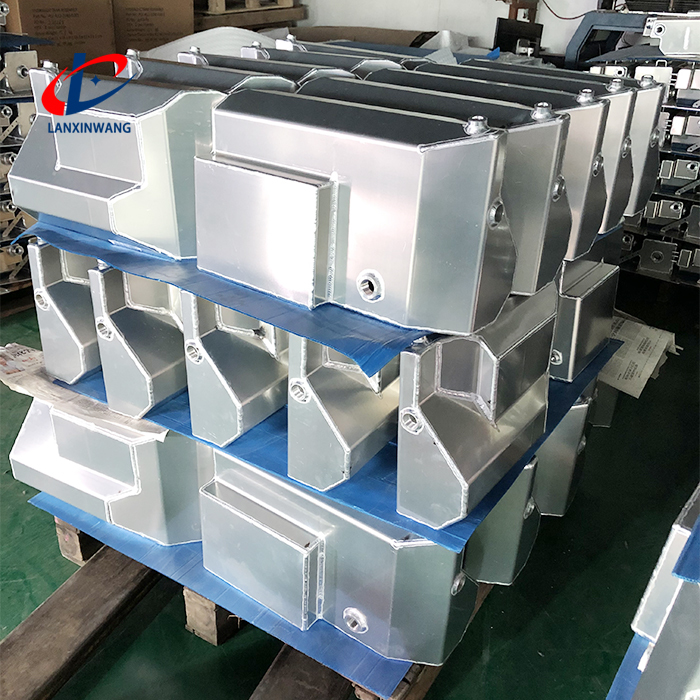
Custom Metal Tank Oil Reservoirs for Hydraulic Power Assist Systems
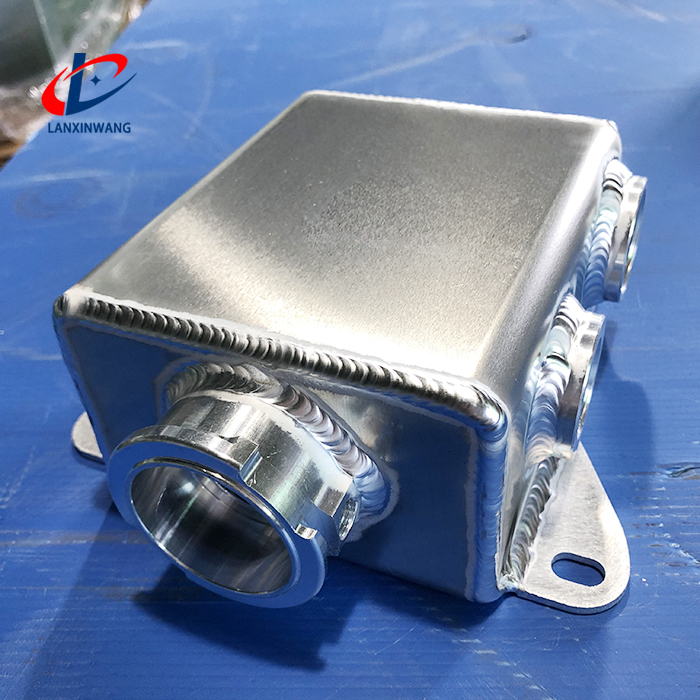
This power steering fluid reservoir is used for fluid storage and pressure stabilization in hydraulic power steering systems. By providing a dedicated fluid reservoir, it ensures a stable fluid supply to the steering system during frequent operations. The reservoir features a square box-type design, offering high structural rigidity and vibration resistance. The front is equipped with a knurled fill cap sealed with an O-ring for hydraulic fluid replenishment and system maintenance, enhancing sealing reliability. Dual-size hydraulic fluid fittings are located on the side to manage separate inlet and return lines, ensuring a smoother and more stable hydraulic fluid circulation process.
Technical Specifications
| Material Types | Carbon Steel / Stainless Steel / Aluminium / Iron, etc. |
| Fabrication Method | Laser Cutting / Metal Bending / Tube Bending / Stamping / Machining / Welding / Riveting, etc. |
| Surface Treatment | Wire Drawing / Surface Grinding / Polishing / Electroplating / Anodising / Powder Coating / Baking Finish / High-temperature Coating / Sand Blasting / Enamelling / Pickling & Passivation, etc. |
| Cutting Precision | ±0.1 mm (±0.004 in) |
| Bending Range | 0.3-10 mm (0.012 - 0.394 in) |
| Pressure Tonnage Range | 35T - 150T |
| Pipe Bending Diameter Range | 6-200 mm (0.236 - 7.87 in) |
| Acceptable Drawing Formats | PDF / DWG / DXF / STEP (.step/.stp) / IGES (.iges/.igs) / SolidWorks files (.sldprt/.sldasm) |
| Production Support | Prototype to Mass Production |
Uses
Suitable for automotive hydraulic power steering systems, aftermarket steering systems, hydraulic control systems for high-performance vehicles, and hydraulic power steering systems for construction machinery.
One-Stop Sheet Metal Solutions, From Concept to Production

FAQ
Q1: What is the key role of the power steering reservoir in the system?
A: It stores hydraulic fluid and ensures a steady supply, maintaining stable oil pressure in the steering system during continuous operation.
Q2: Why are separate return and inlet passages necessary?
A: They prevent fluid mixing and turbulence, resulting in a more stable hydraulic cycle and reduced pressure fluctuations.
Q3: What is the engineering significance of the knurled fill cap?
A: It increases operational friction and enhances sealing reliability, preventing hydraulic fluid leakage or air ingress.
Q4: How does this design improve the responsiveness and stability of the steering system?
A: By stabilizing fluid supply and controlling return flow, it reduces the impact of hydraulic fluctuations on steering feedback.