Custom Metal Hydraulic Tanks for Storing Hydraulic Fluid in Heavy Equipment
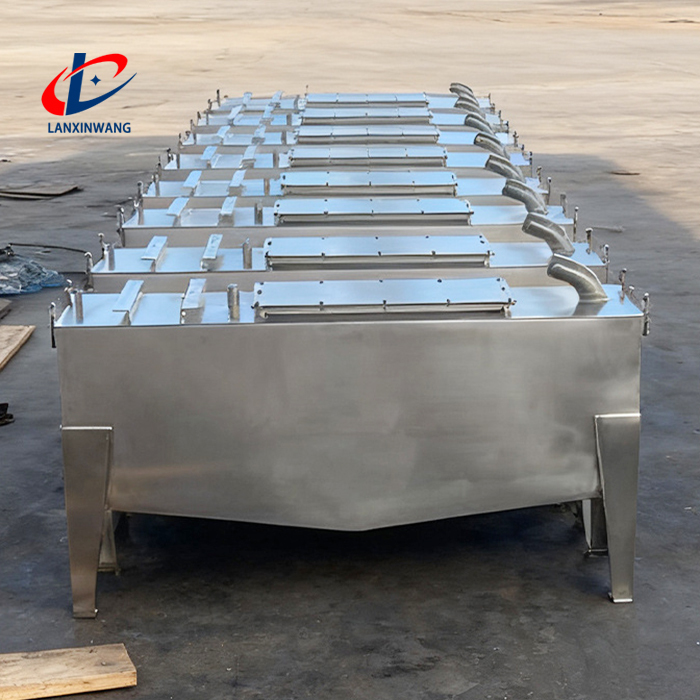
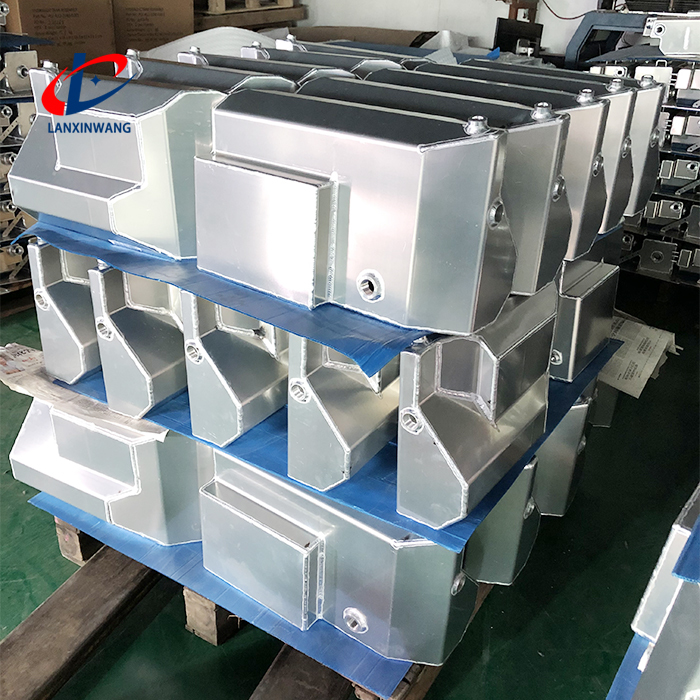
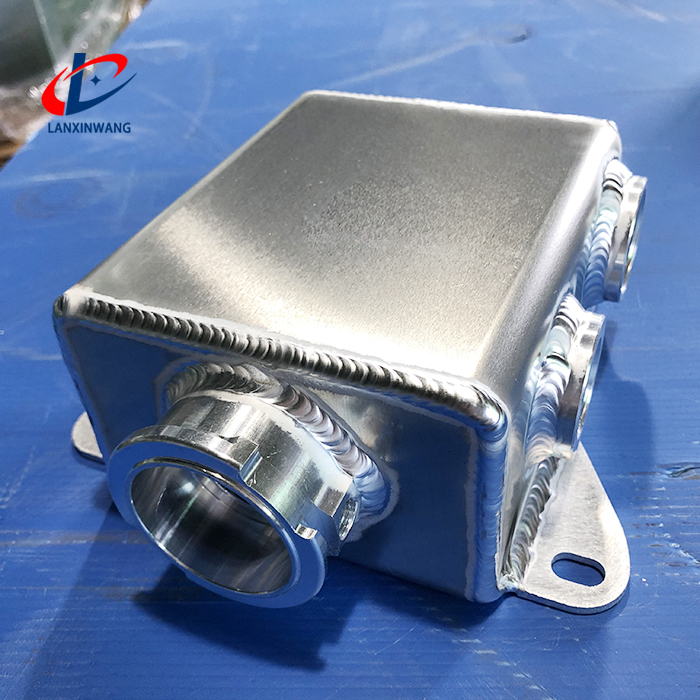
This hydraulic oil tank is fabricated from welded stainless steel sheets and features a rectangular prism structure, providing excellent structural strength and stability. The bottom of the tank is equipped with integrally welded support legs to facilitate secure installation of the equipment; Lifting lugs are installed at all four corners to facilitate transportation and on-site hoisting. The top features an access panel for inspection and cleaning, secured with fasteners to facilitate future maintenance. Additionally, the tank includes a pre-installed bent pipe outlet and various hydraulic port connections to meet the requirements for hydraulic system connections and fluid circulation.
Technical Specifications
| Material Types | Carbon Steel / Stainless Steel / Aluminium / Iron, etc. |
| Fabrication Method | Laser Cutting / Metal Bending / Tube Bending / Stamping / Machining / Welding / Riveting, etc. |
| Surface Treatment | Wire Drawing / Surface Grinding / Polishing / Electroplating / Anodising / Powder Coating / Baking Finish / High-temperature Coating / Sand Blasting / Enamelling / Pickling & Passivation, etc. |
| Cutting Precision | ±0.1 mm (±0.004 in) |
| Bending Range | 0.3-10 mm (0.012 - 0.394 in) |
| Pressure Tonnage Range | 35T - 150T |
| Pipe Bending Diameter Range | 6-200 mm (0.236 - 7.87 in) |
| Acceptable Drawing Formats | PDF / DWG / DXF / STEP (.step/.stp) / IGES (.iges/.igs) / SolidWorks files (.sldprt/.sldasm) |
| Production Support | Prototype to Mass Production |
Uses
This hydraulic oil tank is suitable for applications such as industrial hydraulic systems, construction machinery, automated equipment, heavy machinery, and large hydraulic power units.
One-Stop Sheet Metal Solutions, From Concept to Production

FAQ
Q1: What is the purpose of the bottom support structure?
A1: It is a one-piece welded construction that enhances installation stability.
Q2: What is the purpose of the top access panel?
A2: It facilitates inspection, cleaning, and maintenance of the interior of the tank.
Q3: Why is this hydraulic tank designed with lifting lugs?
A3: They are used for lifting and handling during transportation.
Q4: How can pressure cycle fatigue cracks be prevented in welded gas storage tanks?
A4: Segmented welding control combined with a stress-relief structure optimizes the heat-affected zone of the weld and alleviates fatigue stress concentration.
Q5: How can localized bulging and deformation of the tank be prevented during high-pressure inflation and deflation?
A5: Optimize the cylinder wall thickness and add reinforcing rings in high-stress areas to balance pressure and distribute stress evenly.
Q6: How can safety margins be ensured for air storage tanks under overpressure conditions?
A6: Incorporate structural safety margins and optimize pressure relief channels to maintain tank integrity and reduce the risk of rupture.