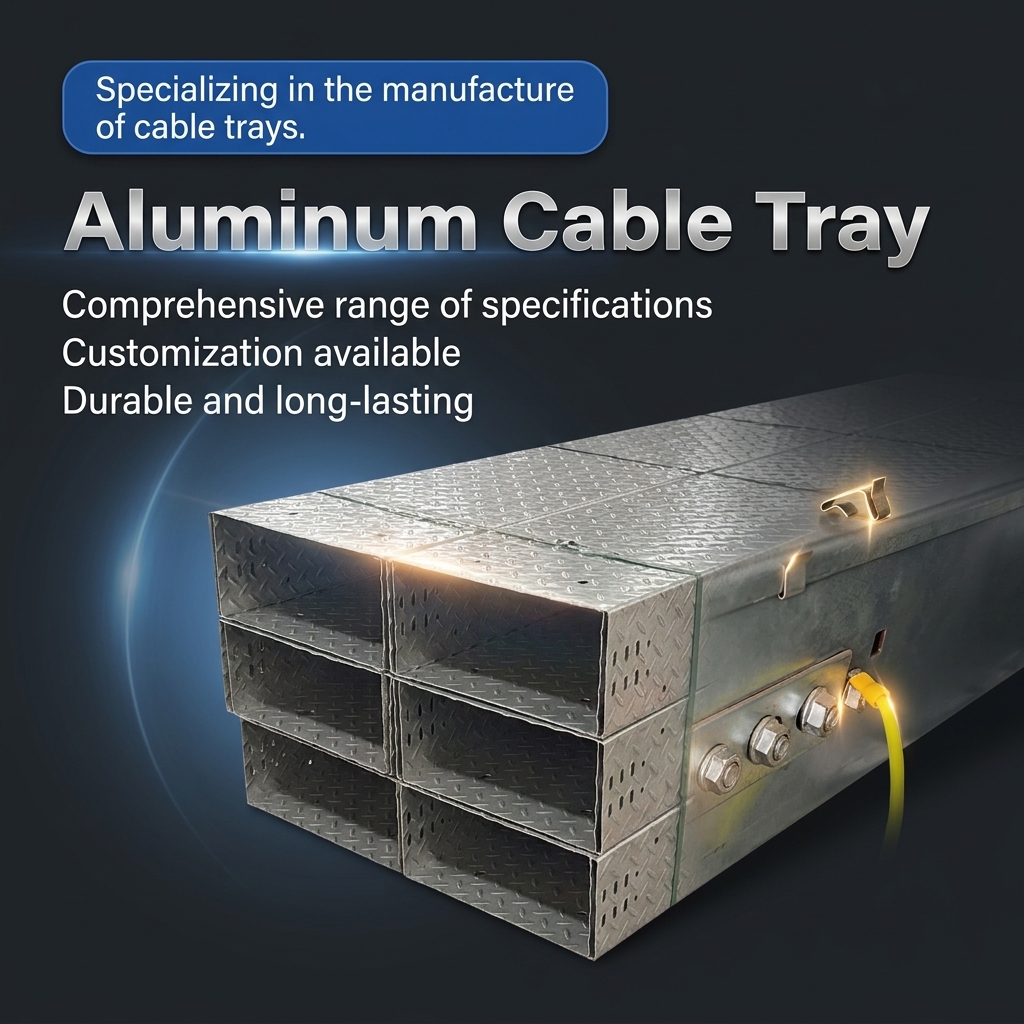
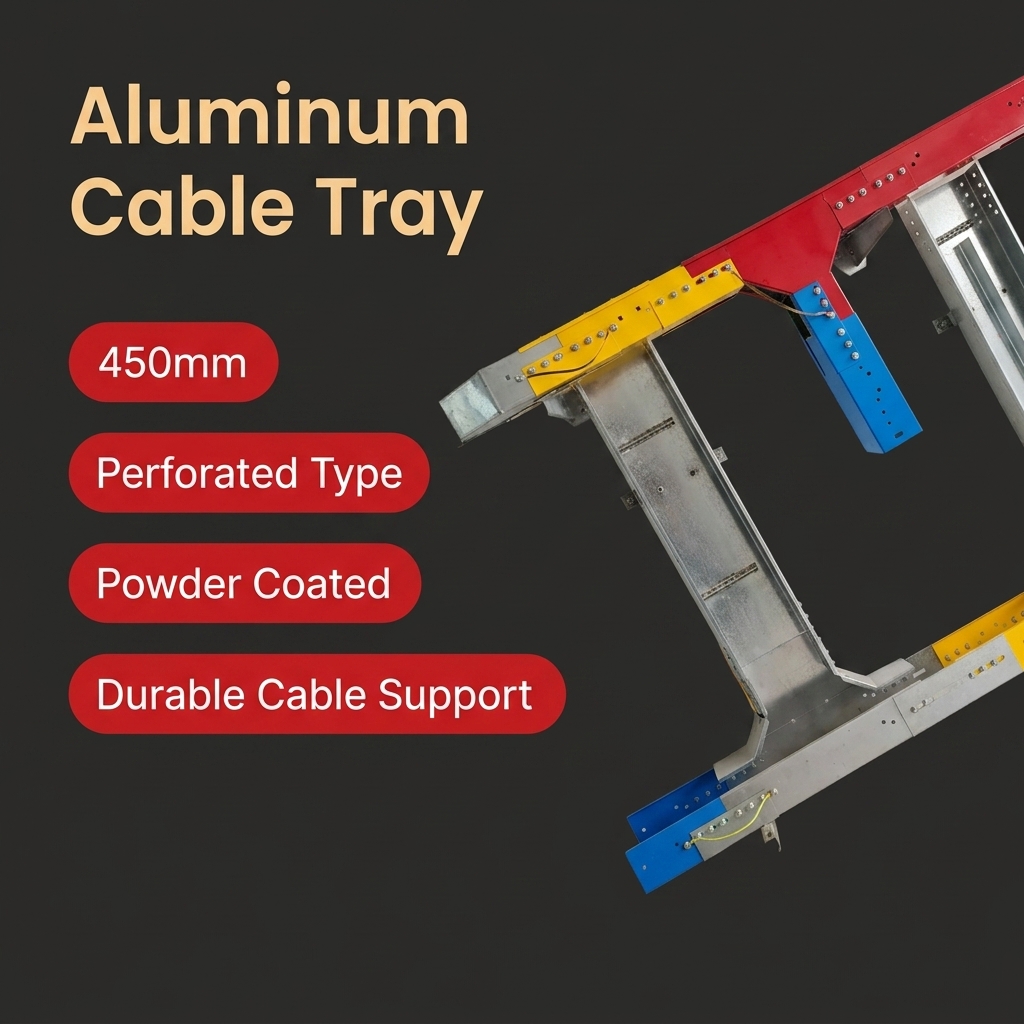
12 Aluminum Cable tray
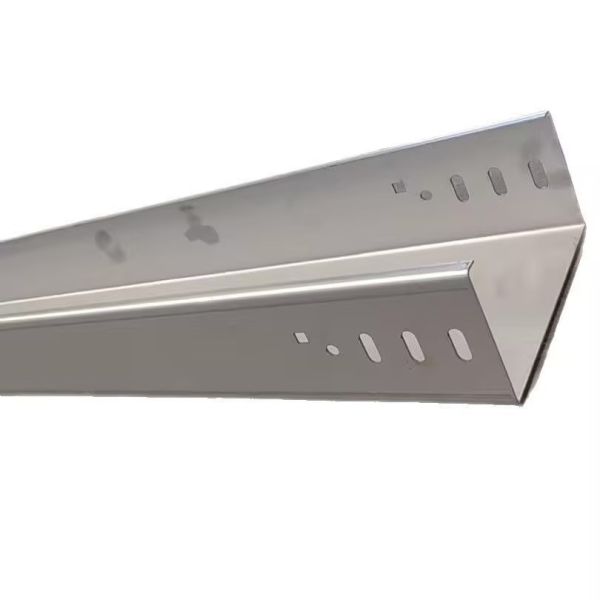
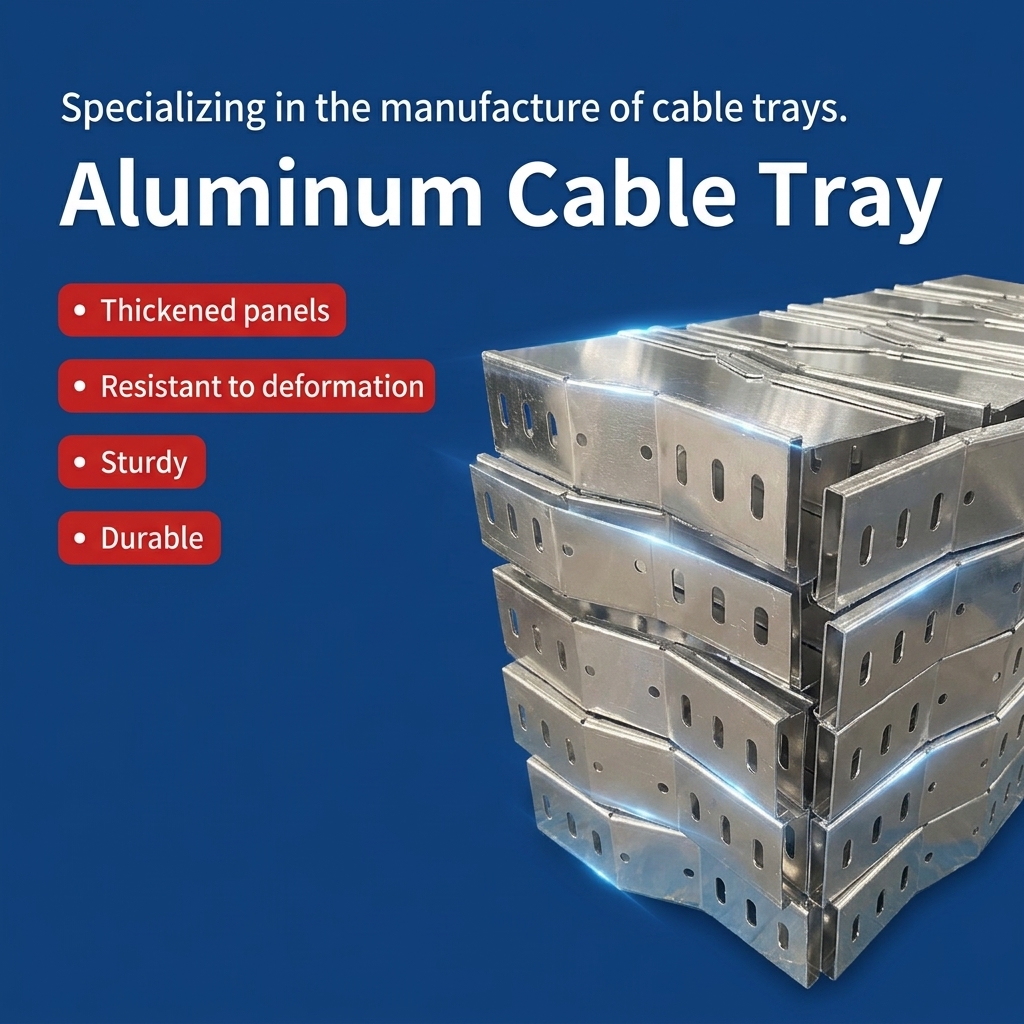
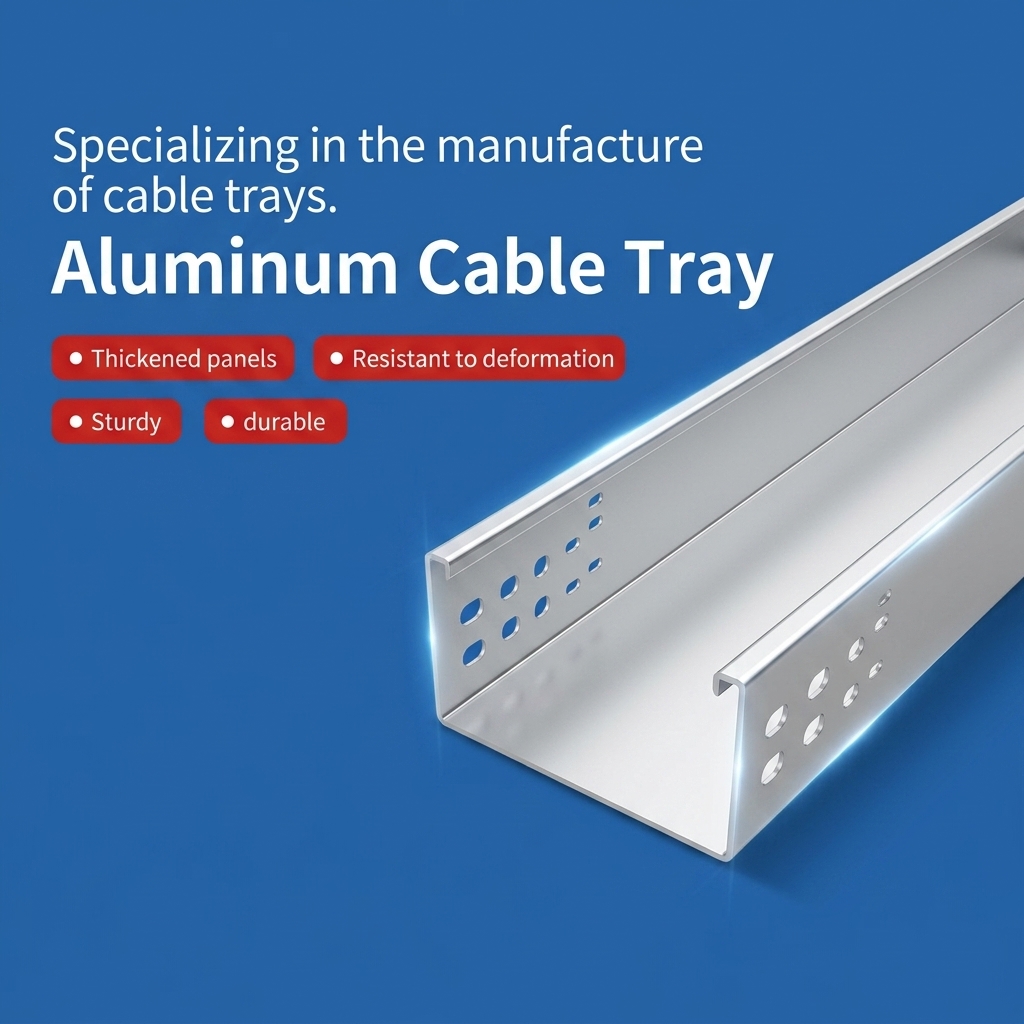
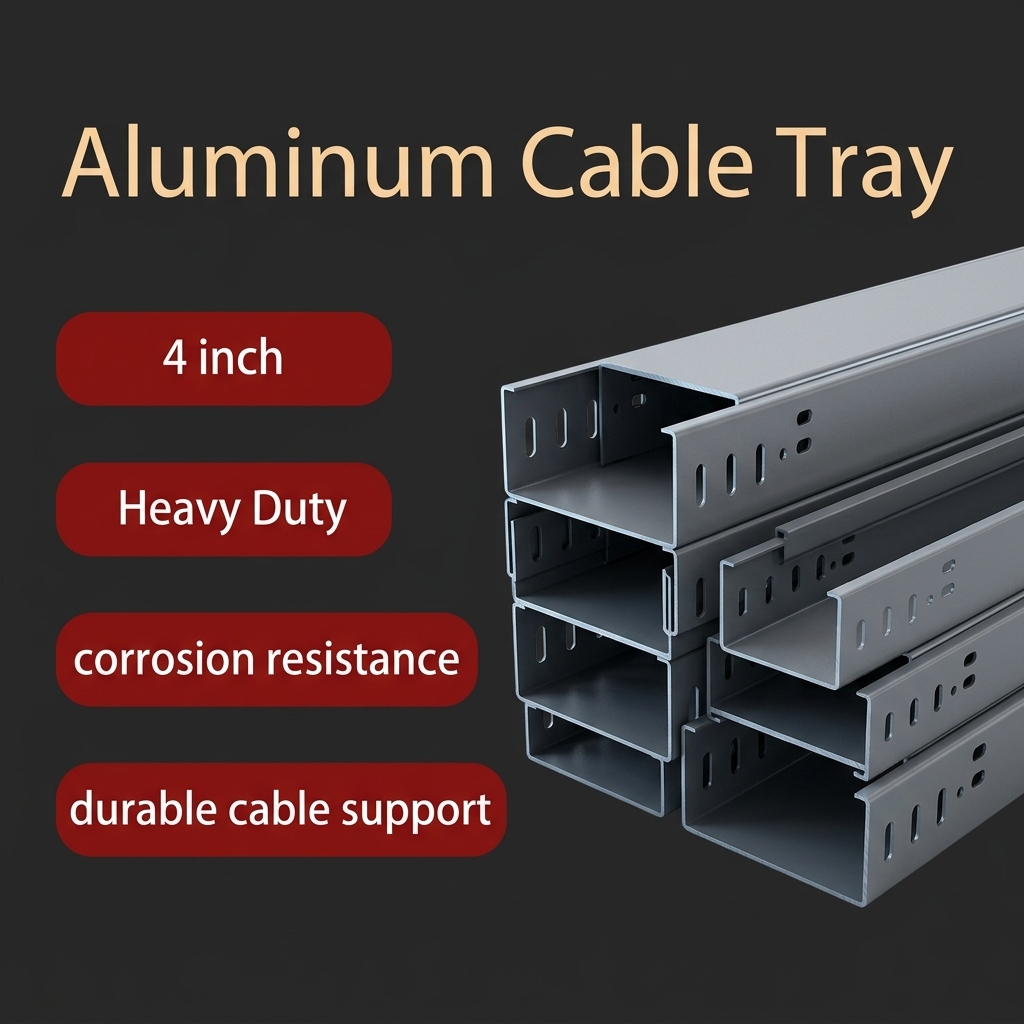
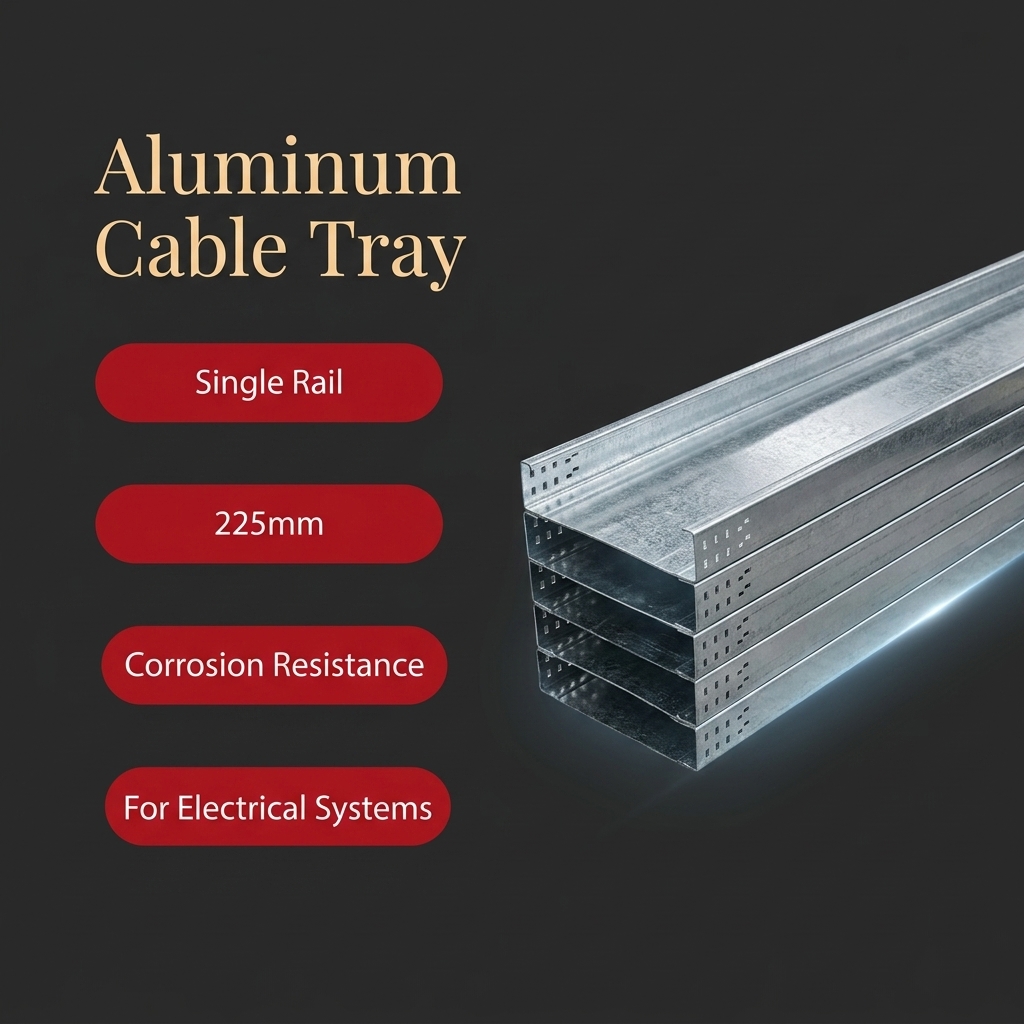
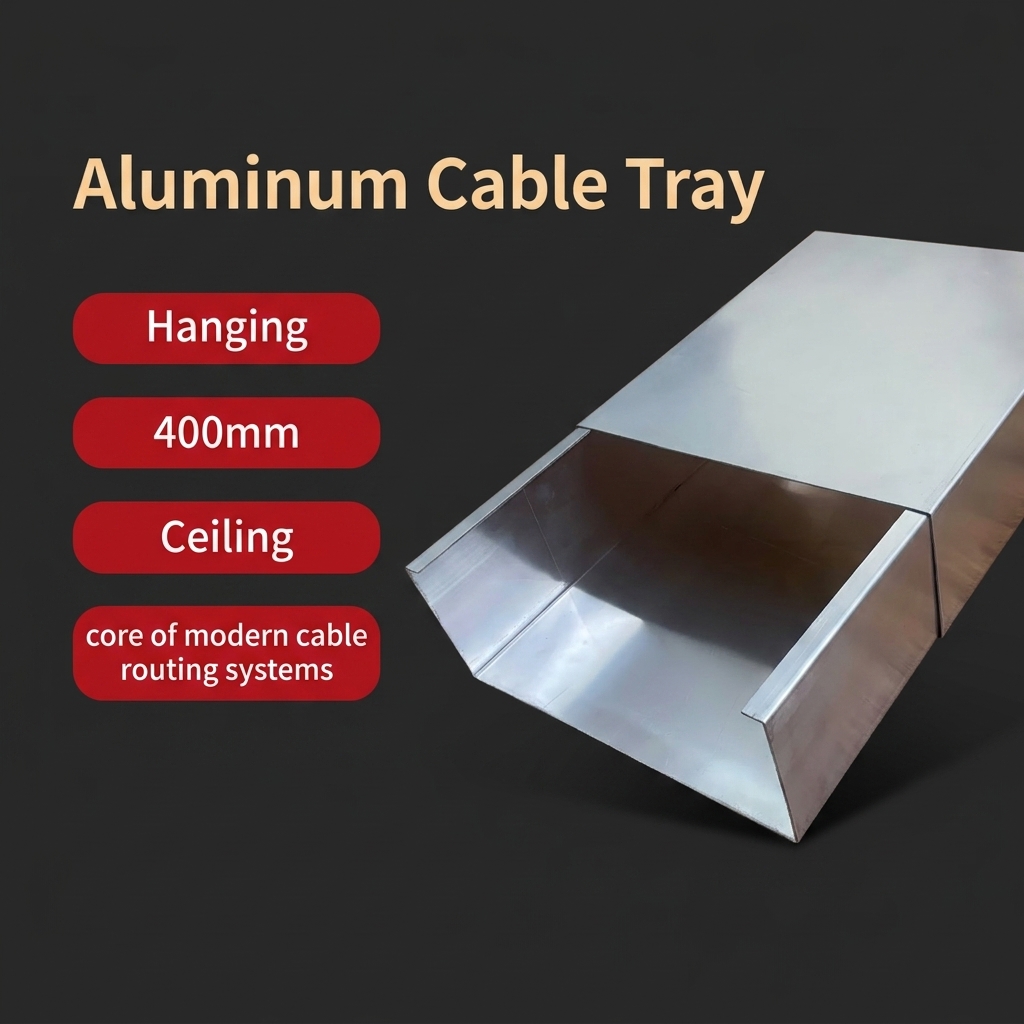
The aluminum cable tray is a rigid structural system used to support, manage, and protect electrical cables and wiring in commercial, industrial, and data infrastructure projects. It is fabricated from aluminum alloys, typically 6061 or 6063, which provide an excellent strength-to-weight ratio and inherent corrosion resistance.

12 Aluminum Cable tray Key Features & Advantages
Lightweight:
Aluminum is about one-third the weight of steel. This makes trays easier to handle, transport, and install, significantly reducing labor time and costs.
It places less load on supporting structures (e.g., ceiling hangers, building steel).
Superior Corrosion Resistance:
Aluminum naturally forms a protective oxide layer when exposed to air, making it highly resistant to rust and atmospheric corrosion.
Ideal for use in environments where moisture, humidity, or mild chemical exposure is present (e.g., water treatment plants, coastal areas, food processing, breweries, chemical plants).
High Strength-to-Weight Ratio:
While lighter than steel, aluminum alloys used in cable trays offer substantial mechanical strength and load-bearing capacity suitable for most cable installations.
Non-Magnetic and Non-Sparking:
This is a critical safety feature for installations near sensitive electronic equipment (like MRI rooms or data centers) where magnetic interference must be avoided.
The non-sparking property enhances safety in hazardous areas where flammable gases or dust may be present.
Excellent Conductivity & Grounding:
Aluminum is an excellent electrical conductor. When properly installed and bonded, the cable tray system itself can serve as a continuous equipment grounding conductor (EGC), potentially eliminating the need for separate ground wires within the tray.
Aesthetic and Low Maintenance:
The natural silver finish is often considered more aesthetically pleasing for visible installations.
Requires minimal maintenance due to its corrosion resistance. It can also be anodized or powder-coated for additional protection or color-coding.
Cost-Effectiveness:
While the raw material cost per pound may be higher than steel, the savings in installation labor, shipping, and long-term maintenance often make it a more economical total lifecycle choice.
12 Aluminum Cable Tray SPECS
| Width |
Height |
Length |
Material |
| 100mm |
50mm |
12 feet |
aluminum alloys |
| 150mm |
75mm |
12 feet |
aluminum alloys |
| 200,300,400,500,600,800mm |
100mm |
12 feet |
aluminum alloys |
| 250,300,400,500,600,800mm |
150mm |
12 feet |
aluminum alloys |
| 400,500,600,800mm |
200mm |
12 feet |
aluminum alloys |
12 Aluminum Cable tray Applications
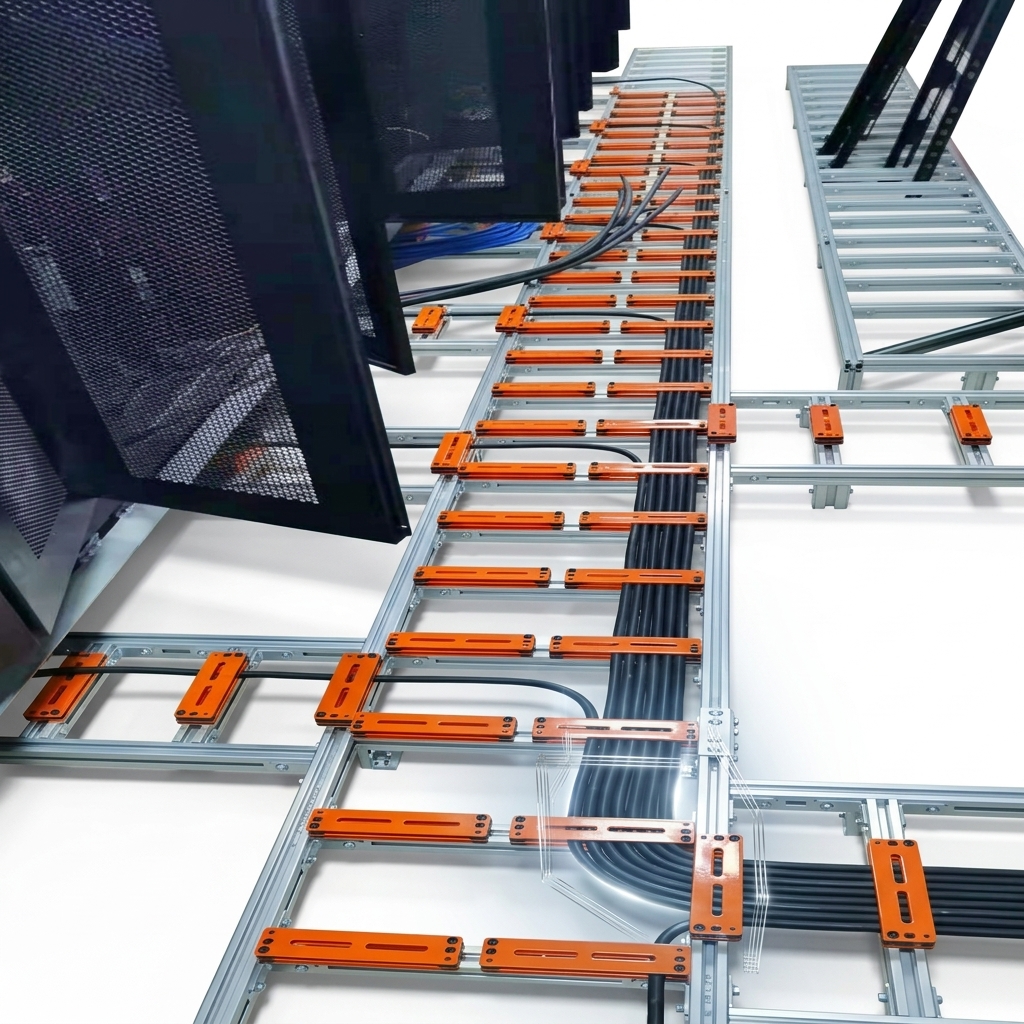
- Data Centers & IT Rooms: For managing vast quantities of data cables; non-magnetic property is crucial.
- Industrial Facilities: Chemical plants, oil & gas (non-hazardous areas), manufacturing plants, and water treatment facilities due to corrosion resistance.
- Commercial Buildings: Office complexes, hospitals, and universities where aesthetics and lightweight installation matter.
- Transportation Hubs: Airports, train stations.
- Outdoor and Coastal Installations: Where salt spray corrosion is a concern.
- Food & Beverage Processing: Where washdowns and humidity are common.
FAQ
FAQ
1. Are you a manufacturer?
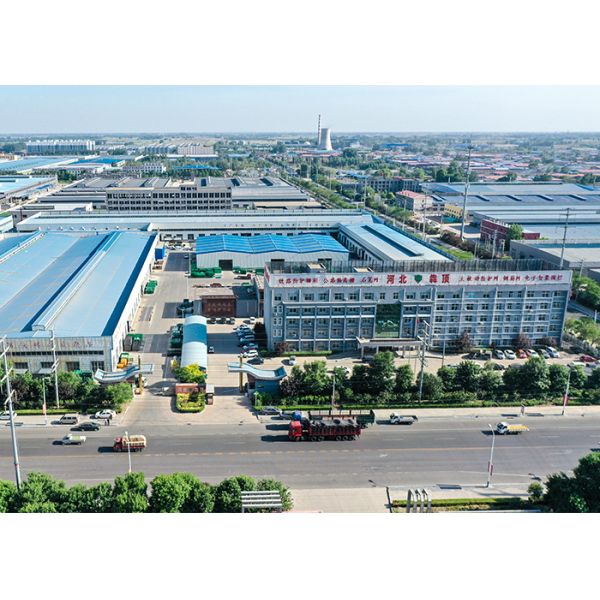
Yes, we have specialized in this field for over 30 years.
2. Could you provide sample?
Yes, we can provide sample with our catalogue. (But the courier charge will on your side.
3.Which kind of Trading Terms you can accept?
Payment: T/T,L/C,MoneyGram,CreditCard, PayPal, Western Union.
4.What 's your shipping term ?
FOB,CNF,CIF,DDU,DDP.
5. How is your delivery time?
We always preparing enough stock material for your urgent requirement. The fastest delivery time only 10 days. After order, we will send exact delivery time and producing schedule.