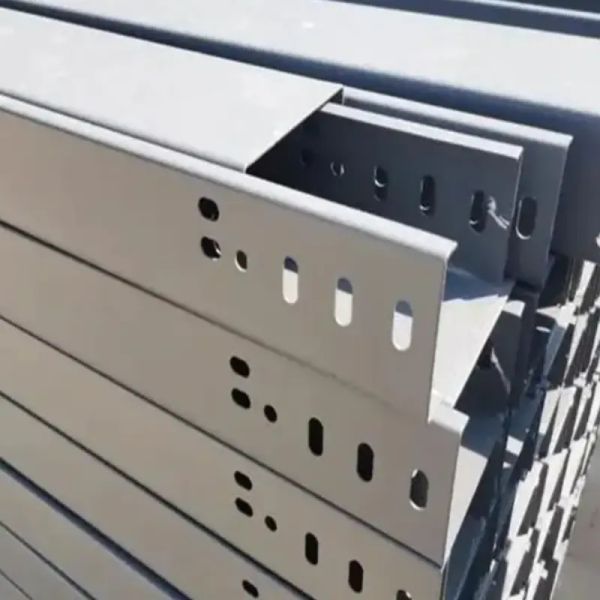
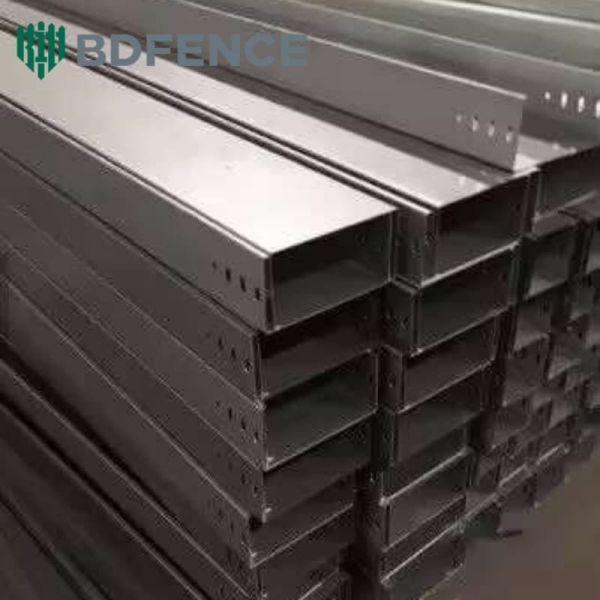
50mm light duty cable tray
Bending company's 50mm light duty cable tray is a standardized, economical cable support system designed for low-weight, small-diameter cables in non-demanding environments. Its defining characteristic is its limited load capacity and shorter support spans compared to medium or heavy-duty trays.

The following table details its key specifications and typical use cases:
| Specification | Details for 50mm Light Duty Tray | Practical Implications |
|---|---|---|
| Channel Height | 50mm internal height. | Suitable for single-layer routing of thin cables (e.g., data/telecom, small control wires). Not for bulky power cables. |
| Material & Gauge | Typically made from pre-galvanized or electro-galvanized steel. Material thickness is usually light (e.g., 0.8mm - 1.0mm). | Provides basic rigidity. Not designed for high structural loads or impact. Surface coating offers minimal corrosion protection for dry indoor use. |
| Load Capacity | Low (e.g., < 50 kg/m). Precise rating varies by manufacturer and design. | Mandatory to consult the manufacturer's load-span tables. Overloading is a major risk. |
| Typical Support Span | Short spans, commonly 1.5m to 2.5m. | More supports are needed per unit length, increasing installation points. |
| Primary Applications | • Low-Voltage & IT Cabling: Network (Cat5/6), telephone, AV wires in offices/schools. • Light Control Circuits: Building automation, security system wiring. • Orderly Cable Management: Basic containment and organization in ceilings/raised floors. |
The ideal choice where cost and simple organization are the primary drivers, not strength or longevity. |
Understanding what a light-duty tray is NOT designed for is crucial to avoid failure:
Not for Power Cables: It is unsuitable for standard building power cables (e.g., for lighting, outlets, machinery) due to their weight and diameter.
Not for Outdoor/Harsh Use: Standard galvanizing offers insufficient protection against moisture and corrosion for outdoor, damp, or industrial environments.
Span is Critical: Never exceed the manufacturer's specified maximum span. The tray will sag significantly if overloaded or undersupported.
Avoid Misclassification: Do not confuse it with a "50mm medium-duty" tray, which may have thicker gauge steel and higher ratings.

Before specifying or installing, confirm these points:
Get Official Data: Obtain the technical data sheet from the supplier showing the exact load rating and span table.
Calculate Cable Weight: Sum the weight per meter of all cables to be placed in the tray.
Check the Environment: Ensure the installation is in a clean, dry, indoor, temperature-controlled space.
Plan Supports: Design the support system (hangers, brackets) based on the short span requirement.
In summary: A 50mm light duty cable tray is a niche, low-cost component for lightweight communications and signal cabling. Its successful use entirely depends on strict adherence to its low weight limits and short support spans. For most general electrical or industrial applications, a medium-duty tray is the minimum recommended starting point.