Electric Fence System for Home Security
Selecting an electric fence system for home use centers on "active deterrence" and "smart integration." It is no longer just a simple electrified fence but a perimeter defense system integrated with detection, alarms, and monitoring.
Here are the key points of BDINDUSTRIAL company's electrice fence"
| Feature & Consideration Dimension | Specific Description & Selection Advice |
|---|---|
| Core Function & Working Principle | Active Shock Deterrence: Uses non-lethal, safe instantaneous high-voltage pulses to deter intrusion physically and psychologically. Some systems integrate alarm functions, triggering immediately upon fence contact or cutting attempts. |
| Unique Advantages for Residential Use | Cost-Effective One-Time Investment: Lower maintenance costs post-installation compared to ongoing security service fees. Strong Visual Deterrence: The fence and warning signs alone are often enough to deter most potential intruders. Smart Home Integration: Modern systems can link with cameras, access control, and lighting for layered defense. |
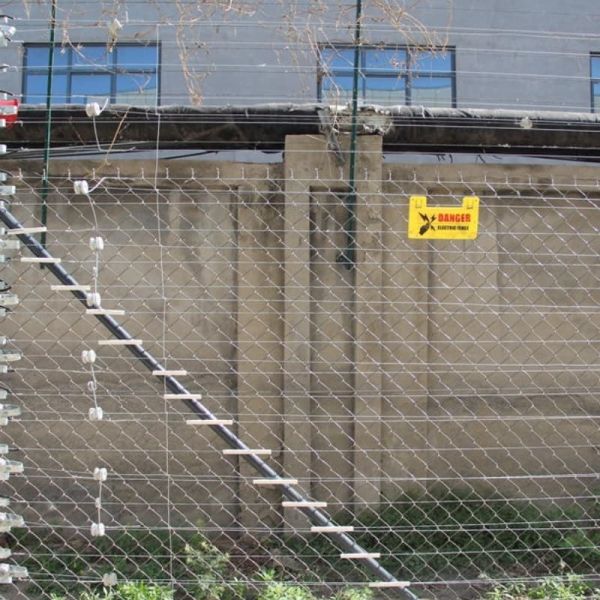
| System Types (by Installation) | Wall-Mounted/Add-On: Installed on top of existing walls or fences, ideal for homes with established physical boundaries seeking an upgrade. Standalone: A complete, self-contained fence system, suitable for new properties or those needing a completely new boundary. |
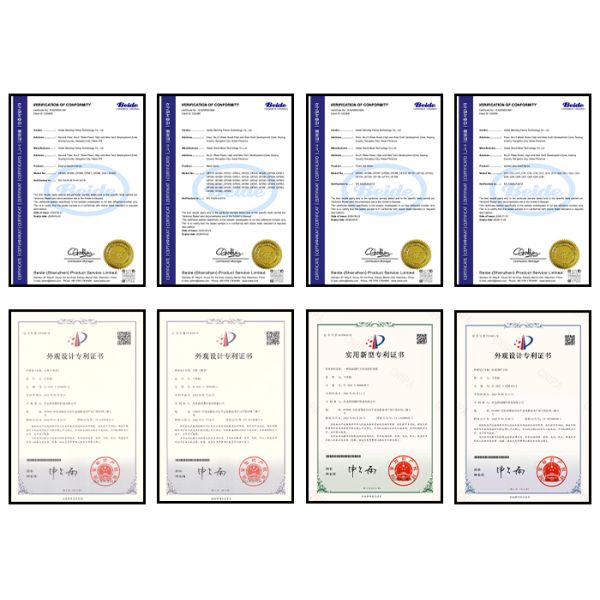
| Core Selection Considerations | 1. Power & Reliability: A backup battery is essential to keep the system operational during power outages (often high-risk times). 2. Installation Quality: DIY installation by non-professionals can lead to protection failures. Always use a qualified, certified installer. 3. Component Quality: Use stainless or galvanized steel wires for corrosion resistance. Choose products compliant with safety standards like IEC 60335-2-76. 4. Integration & Intelligence: Prioritize systems that can integrate with existing cameras and alarm panels for remote alerts and visual verification. |
| Main Limitations | Power Dependency: Without a backup battery, the system fails during outages—a major security vulnerability. Installation & Regulations: Improper DIY installation creates weak points, and local regulations on voltage, warning signs, etc., are often strict. Maintenance Requirements: Requires periodic checks for voltage, clearing vegetation touching wires, and inspecting line insulation. |

Define Budget & Priorities: Decide if the fence is your primary deterrent barrier or part of an integrated smart security network with cameras and sensors. This determines budget and system complexity.
Find & Evaluate Suppliers: Look for reputable local security system integrators. Key questions should cover their installation credentials, component safety certifications, and backup power design. Request an on-site assessment and custom design plan.
Focus on Technical Details: In the supplier's proposal, confirm:
The system includes a backup battery and its runtime.
Wire material is galvanized or stainless steel.
Alarm output interfaces are compatible with your existing alarm system or smart home hub.
The system meets local regulations and includes sufficient safety warning signs.
Plan for Long-Term Maintenance: Clarify warranty terms with the supplier and understand routine maintenance (e.g., voltage self-tests, vegetation trimming). Consider an annual maintenance contract to ensure long-term effectiveness.
Electric fence systems remain an effective option for modern homes, providing a proactive, cost-efficient layer of defense. Success hinges on professional installation, reliable backup power, high-quality components, and integrating it into a broader smart security strategy.