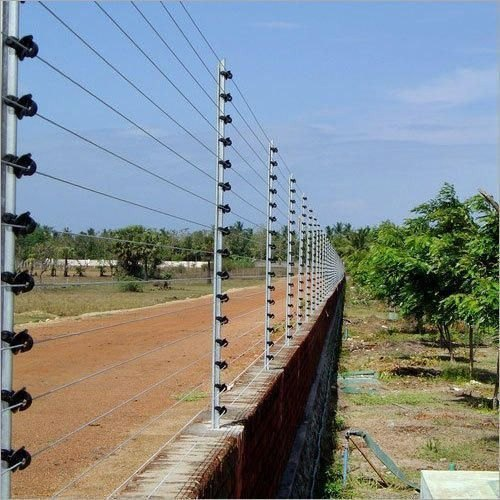
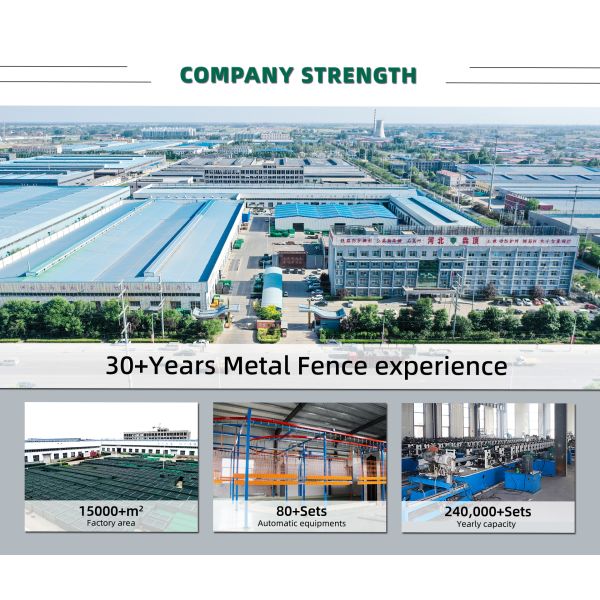
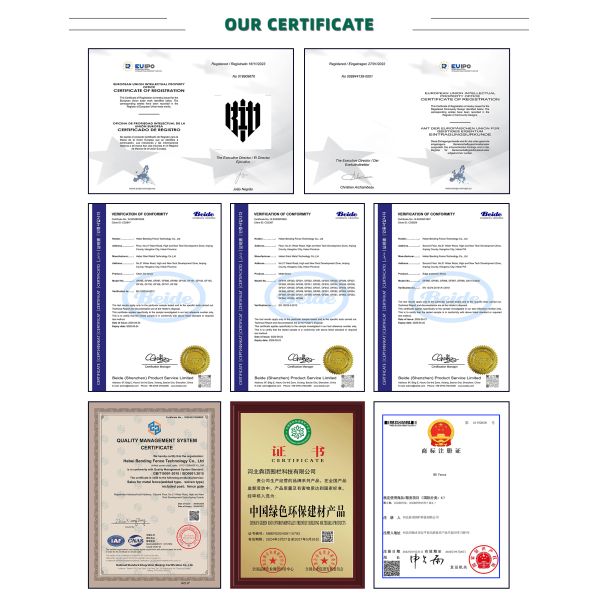
Commercial Electric Fencing Solutions offer secure, scalable perimeter protection for industrial, commercial, and high-security sites. These systems combine durable electric fences with smart alarm technology for enhanced security.

Bending Commercial Electric Fencing Solutions Advantages:
Typical Projects of Bending Commercial Electric Fencing Solutions:
| Category | Parameter / Specification | Typical Range / Standard | Purpose / Notes |
| Energizer / Fence Charger | Output Voltage | 2,000 – 10,000+ Volts (J) | Creates psychological barrier. Voltage depends on fence length/vegetation. |
| Output Energy (Joules) | 0.5 – 60+ Joules | True measure of power. 1-5 J for perimeters, 5+ J for high-security/deterrent. | |
| Power Source | AC Mains, 12V DC (battery), Solar | Choice depends on site accessibility and reliability needs. | |
| Pulse Rate | 1 pulse per second (or less) | Ensures safe, discernible shock; allows time to let go. | |
| Fence Line Components | Conductor Type | Wire: High-tensile steel, galvanized/Aluminum alloy. Tape/Rope: Polywire, polytape with stainless strands. | High-tensile steel is standard for permanence. Poly-tapes offer high visibility. |
| Conductor Spacing | 4-8 lines typical (varies by threat) | Bottom lines close to stop digging, top lines high to stop climbing. | |
| Wire Tension | Up to 2000 lbs for high-tensile | Requires in-line strainers/springs. Critical for stability and long spans. | |
| Post Types & Spacing | Steel T-posts, Wood, Fiberglass. Spacing: 10-50 ft (3-15m) | Spacing depends on conductor type/terrain. Corner posts must be heavily braced. | |
| Electrical Performance & Safety | International Safety Standards | IEC 60335-2-76 (Primary), UL 69 (US), AS/NZS 60335.2.76 (Aus/NZ) | Governs energizer output characteristics for safe, non-lethal pulses. |
| Pulse Characteristics | Width: <1.5 milliseconds, Energy: <5 J for human safety | Ensures short, high-voltage, low-current pulse that is startling but safe. | |
| Earth/Soil Return Systems | Earth Rod: 6ft+ rod, multiple for dry soil. Insulated Return: For rocky/dry ground. | Completes the circuit. Poor grounding is the #1 cause of weak fences. | |
| Security & Detection | Alarm/Monitoring Integration | Voltage drop, cut wire, short circuit detection. | Sends alerts (SMS, email, siren) when fence is compromised. |
| Lightning Protection | In-line surge arrestors, grounding isolation. | Essential to protect energizer from power surges. | |
| Design & Zoning | Physical Height | 7 ft (2.1m) to 15+ ft (4.5m+). | Standard anti-climb is ~7 ft. High-security prisons can exceed 20 ft. |
| Zone Protection | Ground-to-top or Apex (outward slant). | Apex design makes climbing extremely difficult. | |
| Stand-off Distance | Typically 12-24 inches (0.3-0.6m) from protected structure. | Prevents bridging with ladders or tools. |
| Application | Key Specifications Focus | Typical Standards/Notes |
| Livestock & Agricultural | Joules: 0.5 - 2 J. Wire: Polytape or 12.5ga high-tensile. Spacing: 1-3 lines. | Focus on animal containment and predator deterrent. |
| Perimeter Security (Industrial) | Joules: 3 - 12+ J. Height: 7-10 ft. Monitoring: Mandatory. Tilt Sensors: Often used. | Must meet IEC 60335-2-76 and local intruder alarm standards. |
| Correctional Facilities | Joules: 12 - 60+ J. Height: 15-20+ ft. Design: Often Apex or dual-zone. Wire: High-tensile, close spacing. | Subject to stringent national correctional institution standards. |
| Wildlife Management | Joules: 3 - 15 J (for large game). Height: 8-15 ft (for elephants). Insulators: Heavy-duty. | Designed to deter specific species (e.g., elephants, bears). |