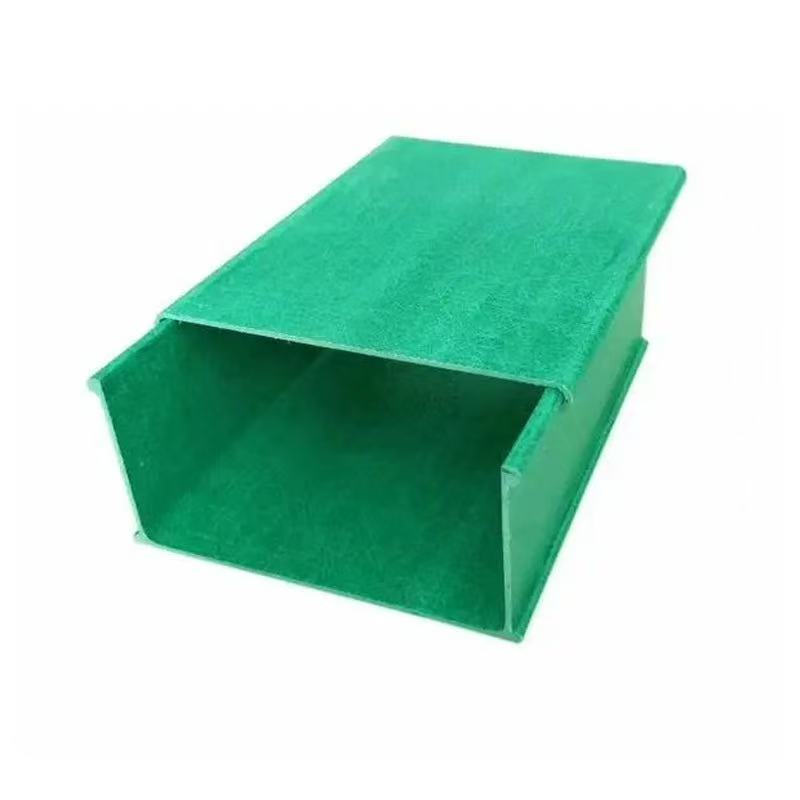
electrical perforated cable tray
| Characteristic Dimension | Specific Description |
|---|---|
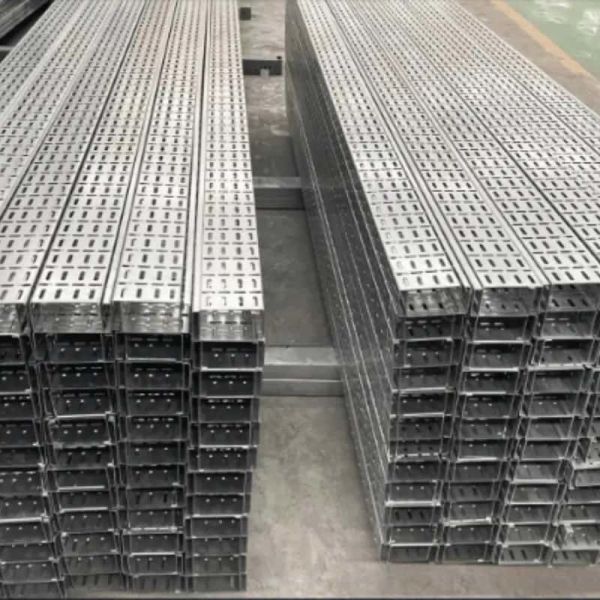
| 1. Optimized Balance of Heat Dissipation & Protection | Perforations in the base promote vertical airflow, offering better heat dissipation than solid-bottom trays, while providing superior protection against dust and falling objects compared to open ladders. |
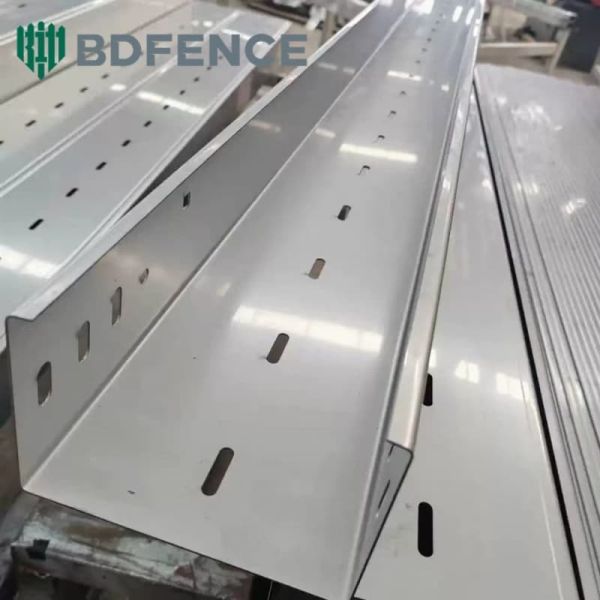
| 2. Enhanced Cable Retention & Safety | Enclosed sidewalls and a perforated base better secure cables, preventing them from slipping out during vibration or installation, and provide a degree of electromagnetic shielding. |
| 3. Reduced Weight & Material Cost | Compared to solid-bottom trays, the perforated design uses less material, reducing overall weight and cost, while allowing visual inspection of the tray interior. |
| 4. Flexible Installation & Easy Cable Drop-out | Perforations in the sidewalls facilitate cable tying and make it easy to install drop-out openings or branch cable connections at any point. |

The table below helps you quickly decide if a perforated tray is suitable based on your scenario:
| Feature | Perforated Cable Tray | Open Cable Ladder | Solid-Bottom Cable Tray |
|---|---|---|---|
| Protection Level | Medium | Low | High |
| Heat Dissipation | Good | Excellent | Fair |
| Cable Retention/Safety | High | Medium | Highest |
| Weight & Cost | Medium | Low | High |
| Typical Application | Commercial buildings, data centers, light industry | Data center backbone, industrial plants | Factory areas requiring heavy protection, outdoor exposure |
When selecting a perforated cable tray, it is crucial to confirm the following parameters:
| Selection Dimension | Key Parameters & Basis for Choice |
|---|---|
| Perforation Pattern & Open Area | Stamped round holes in the base are most common; slotted holes benefit heat dissipation and weight; perforated sidewalls aid cable drop-out. The percentage of open area directly affects heat dissipation and weight. |
| Material & Finish | Material: Use high-quality cold-rolled steel for dry indoor environments; hot-dip galvanized steel for damp/outdoor use; aluminum-magnesium alloy for shielding requirements. Finish: Galvanizing (electro or hot-dip) for corrosion resistance; electrostatic powder coating for aesthetics and mild corrosion protection. |
| Dimensions | Width: Common from 50mm to 1000mm, selected based on a cable fill ratio ≤ 40%. Depth (Height): Common from 50mm to 250mm, depends on cable bundle diameter. Length: Standard sections are typically 2 or 3 meters. |
| Load Rating & Support Span | Based on cable weight and potential additional loads (e.g., snow), select Light, Medium, Heavy, or Extra-Heavy duty classes. Strictly follow the manufacturer's load-span table to determine support spacing. |
| Installation Accessories | Ensure compatible horizontal/vertical bends, tees, crosses, reducers, splice plates, supports, and hanger rods are available. Pay attention to fire resistance and grounding requirements. |
Core Selection Logic: Choose a perforated tray in scenarios requiring a balance of better protection than a ladder and better散热 than a solid-bottom tray.
Preferred Scenarios:
Horizontal distribution layers in commercial office buildings.
Overhead cabling above server cabinets in data centers.
Areas in light industrial plants requiring basic protection from dust and debris.
Indoor exposed installations where a neat and aesthetic appearance is desired.
Less Suitable Scenarios:
Environments requiring the highest protection level (e.g., against large amounts of water, corrosive liquids) – choose solid-bottom, non-ventilated trays.
Scenarios with extremely heavy cables or very long support spans – heavy-duty ladders often have a structural advantage.
Extremely cost-sensitive projects with minimal protection requirements – consider standard ladders.