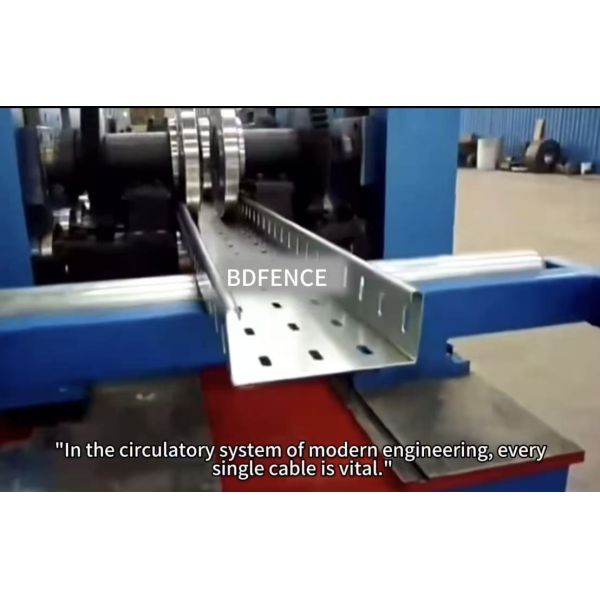
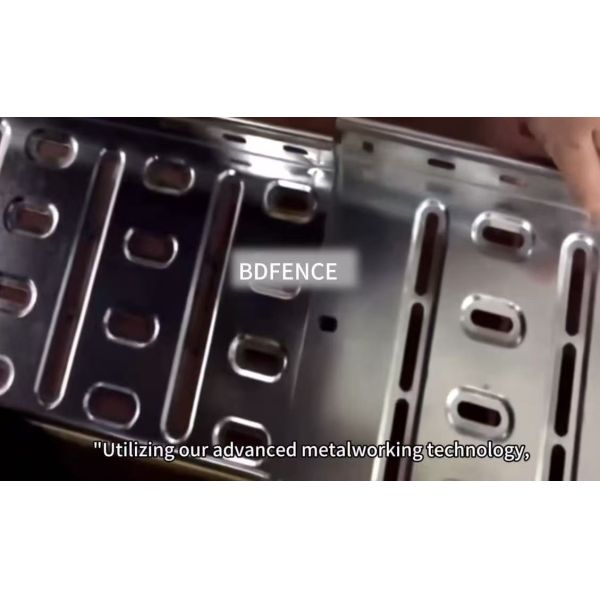
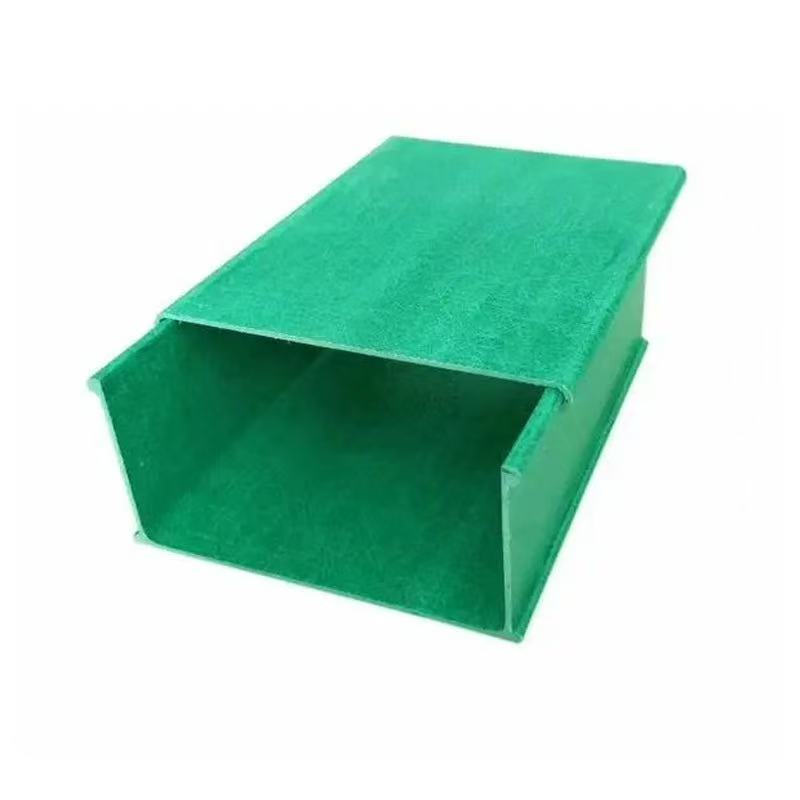
Highlights: All-steel perforated cable tray, customizable hole specifications, corrosion-resistant powder-coated surface treatment
|
I. Core Product Principles The design principles of Perforated Cable Trays are based on three fundamental engineering concepts: Structured Support, Open System Management, and Physical Protection. These are specifically manifested as follows: Open Structure Principle:
Modular Skeleton Principle:
Robust Load-Bearing & Protection Principle:
|
|
Primary Uses and Application Scenarios gi perforated cable tray with cover as the "main arteries" of modern power, communication, and data network infrastructures. They are widely used in scenarios demanding high reliability, easy maintainability, and excellent heat dissipation: 1. Information & Communication Sector
2. Industrial & Energy Sector
3. Commercial & Public Facilities
4. Infrastructure
|
| Operating Environment | Recommended Material Grade | Key Rationale & Considerations |
|---|---|---|
| 1. Standard Indoor Environment (Office buildings, data centers, dry industrial plants) |
Mild Steel • ASTM A1008 CS Type B • Surface Finish: Pre-galvanized or Powder Coated. |
• Lowest cost, sufficient strength. • Pre-galvanized (Z275) provides basic rust protection. • Powder coating offers better aesthetics and some chemical resistance. Ensure cut/perforation edges are coated. |
| 2. High-Humidity Indoor / Mild Industrial Environment (Food & beverage plants, pharmaceutical plants, laundries, warehouses) |
Stainless Steel • 304 / 304L (Most common) • 316 / 316L for higher demands (e.g., chlorinated cleaners). |
• Excellent corrosion resistance, easy to clean and sanitize. • 304 is sufficient for moisture and most organic chemicals. • 316 is for frequent use of chlorinated cleaners or environments with slight acid/salt condensation. • Aesthetic, very low maintenance cost. |
| 3. Severe Industrial Environment (Chemical plants, paper mills, coastal indoor areas, sulfurous atmospheres) |
Stainless Steel • 316 / 316L (Standard choice) • 904L or 2205 Duplex Stainless Steel for more severe conditions. |
• 316 effectively resists chlorides, acid fumes, and industrial atmospheric corrosion. • Perforated structure is more vulnerable in corrosive gas environments, requiring material upgrade. • 2205 Duplex offers higher strength and far superior resistance to chloride stress corrosion cracking than 316. |
| 4. Outdoor Environment | ||
| a) General Urban/Rural | Hot-Dip Galvanized Steel (HDG) • ASTM A123 (Zinc coating ≥610 g/m²) • Base Material: ASTM A569. |
• Industry standard. Thick hot-dip galvanized coating provides sacrificial anode protection for cut edges, a key advantage for perforated trays. • Coating life is directly related to zinc thickness (select per ISO 12944 C2-C4 environments). |
| b) Coastal/Marine/De-icing Salt Environment | Higher-spec Hot-Dip Galvanized Steel • Stainless Steel: Preferred 316 / 316L. • Aluminum: 5052, 6061 alloys, can be anodized. |
• Coastal areas: Chloride ion corrosion is extreme. HDG may have insufficient lifespan; 316 Stainless Steel is a more reliable choice. • Aluminum has good corrosion resistance in marine atmospheres, is lightweight, but has higher cost and lower mechanical strength than steel. Galvanic isolation from copper cables, etc., is required. |
| 5. Extremely Corrosive Environment (Offshore platforms, chemical exposure areas, plating shops, bleach plants) |
High-Performance Alloys • Stainless Steel: 6% Molybdenum alloys (e.g., 254 SMO), Super Duplex (2507). • Fiberglass Reinforced Plastic (FRP) / Composites. |
• Ultimate corrosion solution. Used where carbon or standard stainless steel would fail quickly. • FRP is lightweight, electrically insulating, and resistant to many chemicals, but its high-temperature and fire performance must be carefully evaluated (must meet flame-retardant/low-smoke zero-halogen standards). |
| 6. Cleanroom & Electronics Industry (Semiconductor, PCB manufacturing) |
Stainless Steel • 316L (Low carbon, prevents intergranular corrosion) • Surface Finish: Electropolished. |
• Contamination-free: Smooth surface, no particle generation, inhibits bacterial growth. • Easy to clean: Electropolishing creates an extremely smooth surface, making residue adhesion difficult. • Meets stringent cleanroom standards. |
| 7. Food & Pharmaceutical Industry (Agressive Washdown) | Stainless Steel • 316 / 316L (Industry standard) • Surface Finish: 2B, or brushed. |
• Resists high-temperature/pressure washdown, steam, and potent cleaning/disinfection chemicals (e.g., peroxides, hypochlorites). • Complies with FDA, EHEDG, 3-A, and other hygiene standards. |
| 8. Critical Fire Safety Environments (Nuclear power, tunnels, high-rise building shafts) |
Fire-Resistant Steel or Stainless Steel, with dedicated fireproof coating systems. | • The material itself must maintain structural integrity at high temperatures. • The perforated design may require integration with fire-rated base plates or fireproof wrapping to meet system fire-rating requirements (e.g., BS 476, UL 94). |
|
Product Manufacturing Process Description for gi perforated cable tray with cover
VI. Summary of Process Advantages
|
|
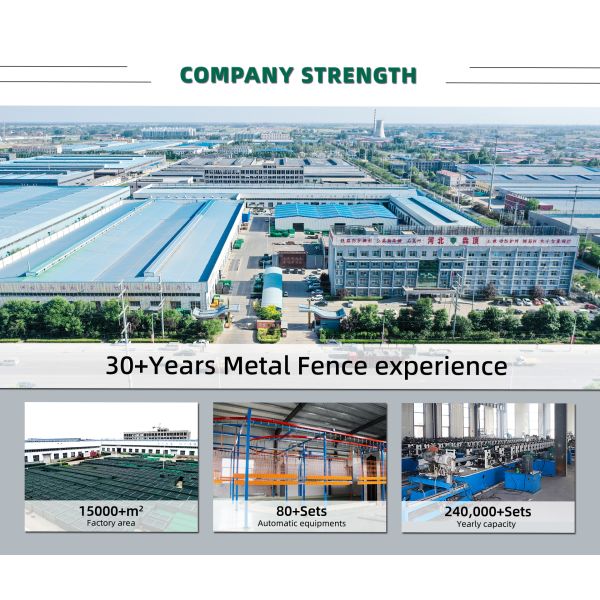
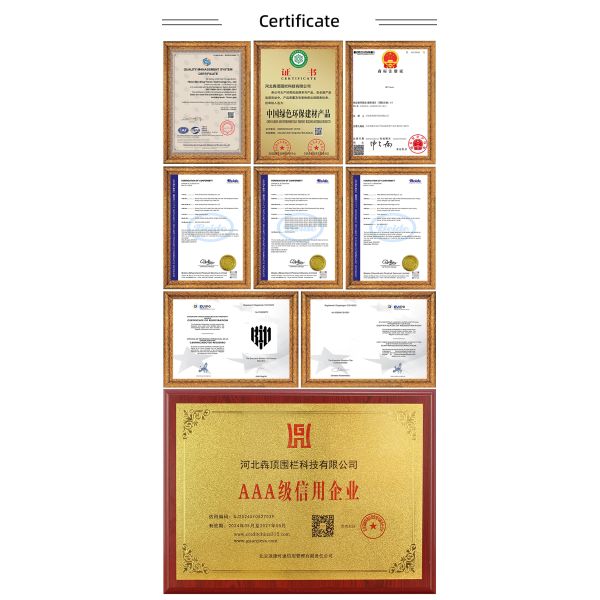
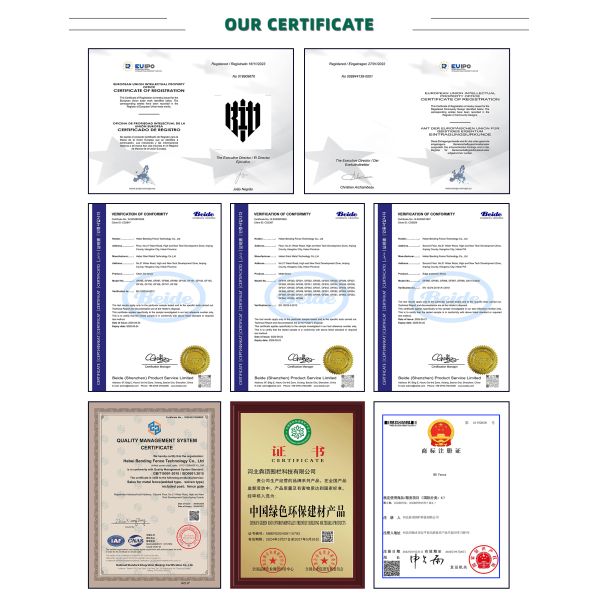
Superior Performance, Crafted with Precision Engineering We utilize high-precision CNC punching and automated roll-forming technology to ensure structural integrity and optimal airflow. With dual protection through hot-dip galvanizing and electrostatic powder coating, our trays deliver decades of corrosion resistance. End-to-end quality control covers load capacity, coating durability, and electrical performance, ensuring full compliance with ISO and IEC international standards. Choosing Bending means choosing: With decades of expertise in metal forming, we provide safer and more efficient cable management solutions for data centers, industrial facilities, and smart buildings worldwide. |