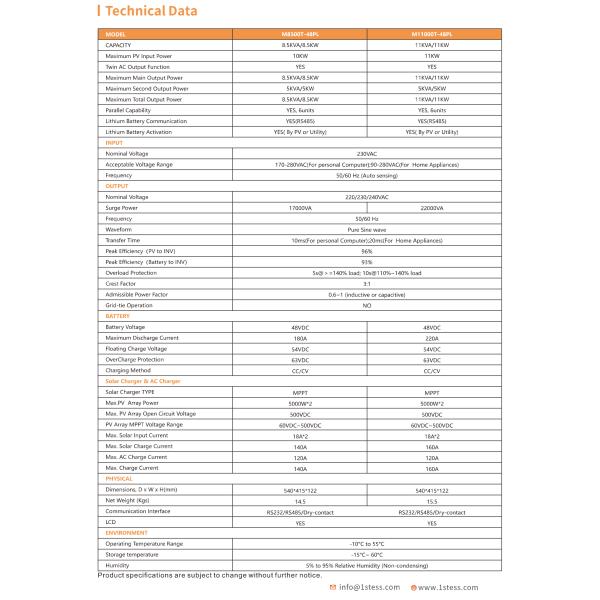
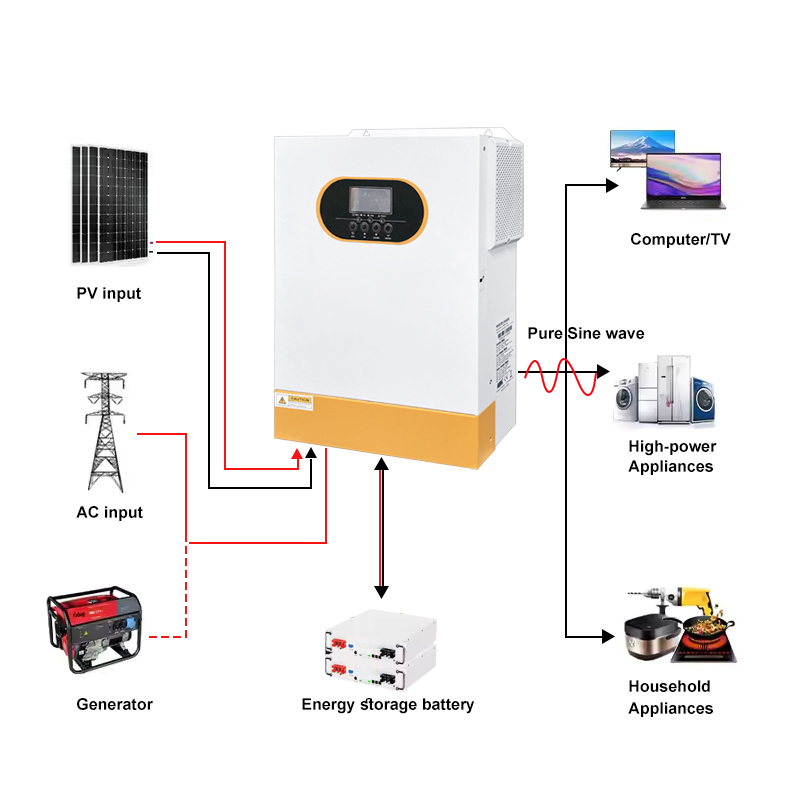
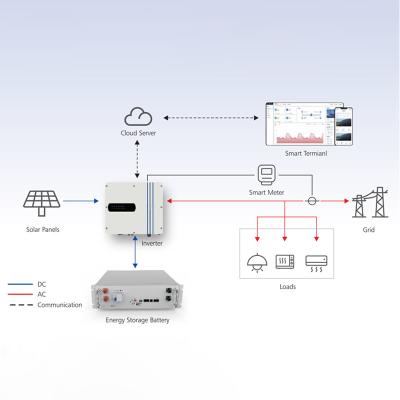
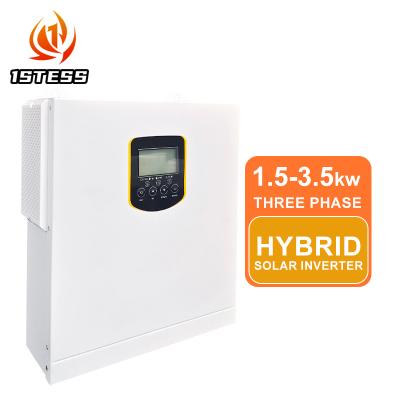
| Model Number | M8500T-48PL | M11000T-48PL |
| Place of Origin | China | China |
| Mounting Method | Wall Bracket | Wall Bracket |
| Nominal Battery Voltage (V) | 48VDC | 48VDC |
| Parallel Capacity· | YES, 6units | YES, 6units |
| Lithium Battery activation | YES( By PV or Utility) | YES( By PV or Utility) |
| Nominal Voltage | 230VAC | 230VAC |
| Frequency | 50/60Hz | 50/60Hz |
| Waveform | Pure Sine wave | Pure Sine wave |
| Solar Charger Type | MPPT | MPPT |
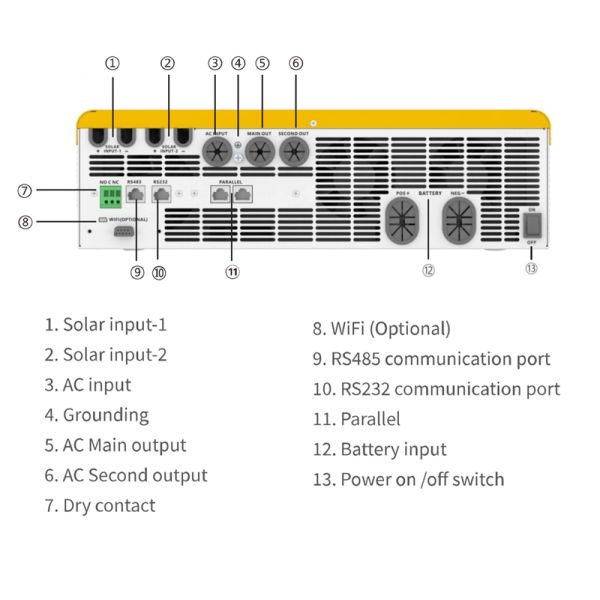
| Communication Interface | RS232+RS485+Dry-contact | RS232+RS485+Dry-contact |
| PV Array MPPT Voltage Range | 60VDC~500VDC | 60VDC~500VDC |
| Surge Power | 17000VA | 22000VA |
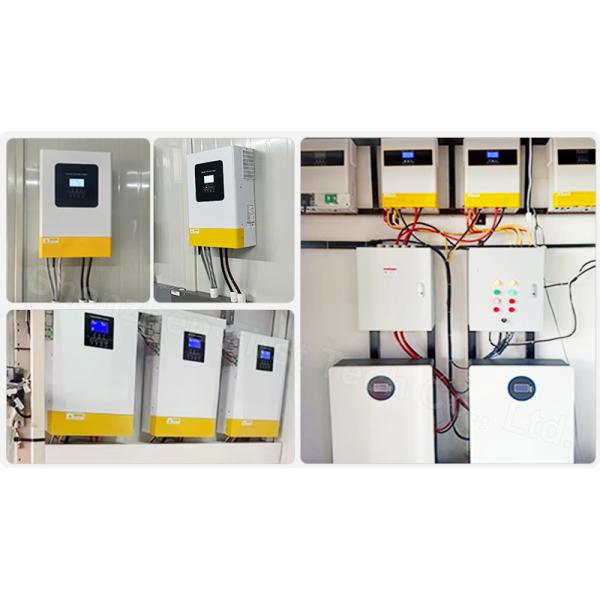
| Size | 540*415*122mm | 540*415*122mm |
| Weight | 14.5kg | 15.5kg |
| Operating Temperature Range | (-10'℃ to 50℃) | (-10'℃ to 50℃) |


M Series Inverters Powering 12 Nations Across Four Continents
As the global demand for sustainable and reliable energy intensifies, the deployment of advanced solar technology has become a cornerstone of national infrastructure development. The M Series 8.5–11kW solar inverter, with its robust parallel capability, dual AC output, and battery-flexible operation, is now at the heart of transformative projects across Asia, South America, the Middle East, and Africa. Engineered for durability and high performance, these inverters are empowering communities, enhancing grid stability, and driving economic growth under the most challenging environmental conditions.
1. Kenya – Agri-Solar and Mini-Grid Expansion
Purpose: To power irrigation systems, tea processing factories, and expand existing mini-grids.
Effect: Increased agricultural productivity, value addition, and broader electricity access.
Scale: Integration into 50+ existing mini-grids; 100+ units for agricultural sites.
Location: Rift Valley farms and rural mini-grids.
Expert Insight: Voltage fluctuations are common in rural grids. The inverter’s stable output and protective features safeguard connected equipment. Compatibility with various batteries via communication ports offers flexibility to project developers.
2. South Africa – Load-Shedding Solution for Homes & Farms
Purpose: To mitigate the impact of daily scheduled blackouts (load-shedding) for residential and agricultural users.
Effect: Energy independence, business continuity, and security during prolonged grid outages.
Scale: Massive retail adoption; thousands of units (8.5kW/11kW models) installed monthly.
Location: Suburban homes, commercial farms, and vineyards.
Expert Insight: The SBU priority mode is a best-seller – it uses solar and battery first, only using the grid to charge batteries if needed. Parallel capability allows homeowners to scale up system capacity as budgets allow. Pure sine wave is essential for sensitive electronics and farm equipment.
3. Nigeria – Telecom Tower Solarization
Purpose: To convert fuel-guzzling mobile network towers to hybrid solar power, reducing opex and emissions.
Effect: Up to 70% diesel savings, more reliable network uptime, and lower operational costs for telcos.
Scale: Rollout across ~1000 towers, each using 2-4 inverters in parallel.
Location: Nationwide, especially in off-grid and bad-grid areas.
Expert Insight: Heat and grid instability are extreme. The inverter’s high-temperature tolerance and robust surge protection are mandatory. Parallel function provides redundancy – if one unit has an issue, the others continue operating, ensuring tower uptime.