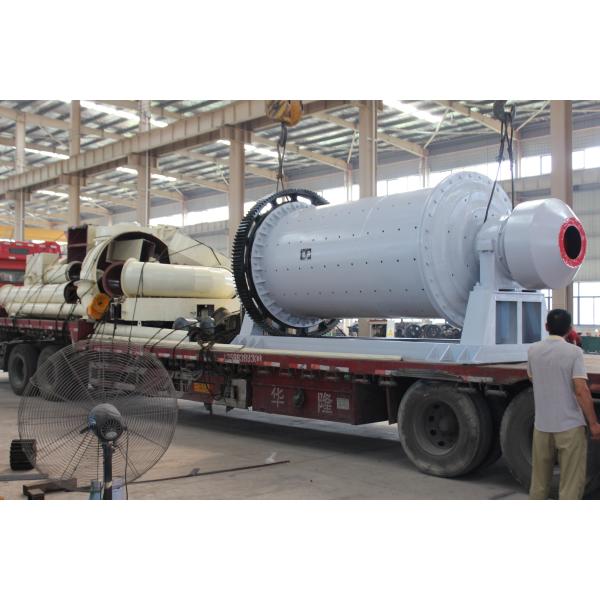
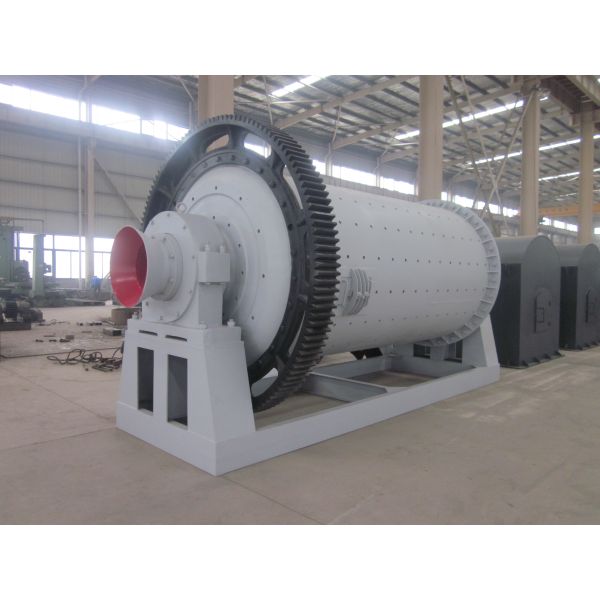
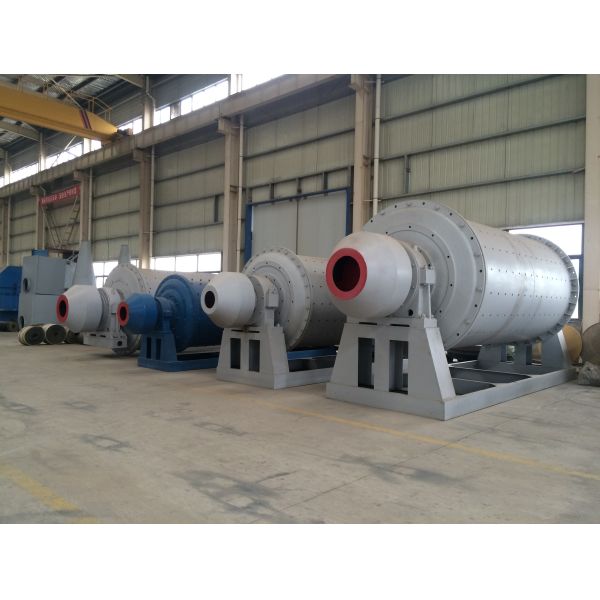
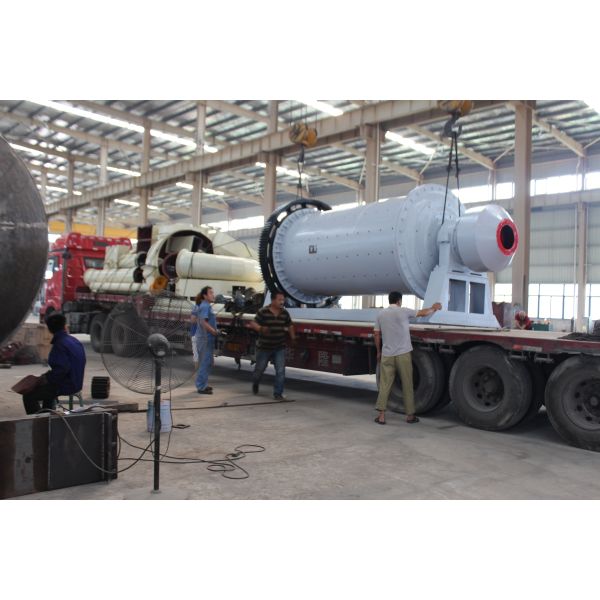
The Dry Ball Mill is a highly efficient grinding equipment widely used in various industries such as mining, cement, metallurgy, and chemical engineering. Designed for dry grinding applications, this Dry Ball Mill offers exceptional performance in size reduction and material processing. Its robust construction and advanced technology ensure reliable operation and long service life, making it an ideal choice for industrial grinding processes.
One of the key features of this Dry Ball Mill is its feeding size capability, which can accommodate materials with a maximum size of ≤25mm. This allows the mill to process relatively coarse materials directly, reducing the need for preliminary crushing or grinding. The mill operates with a horizontal installation type, which is common for ball mills, providing stability and ease of integration into existing production lines.
The length of the Dry Ball Mill varies from 1.2 meters to 13 meters, allowing for customization based on specific production requirements and capacity demands. This range of lengths ensures that the mill can be tailored to suit various operational scales, from small laboratory setups to large industrial plants. The model 2.4*10m Dry Ball Mill represents a mid-sized option within this range, balancing capacity and footprint effectively.
Another important attribute of the Dry Ball Mill is its discharge size, which ranges from 0.074 mm to 0.4 mm. This fine output particle size is crucial for processes that require precise and uniform grinding, such as in the production of fine powders or preparation of raw materials for further processing. The ability to achieve such a fine discharge size enhances the versatility and application scope of the Dry Ball Mill.
The Dry Ball Mill operates using a rotating cylinder filled with grinding media, typically steel balls, which crush the material as the cylinder rotates. This dry grinding process differs from wet grinding in that it does not require water or other liquids, making it suitable for materials that are sensitive to moisture or where water use is restricted. The dry operation also simplifies subsequent handling and processing of the ground material.
Durability and ease of maintenance are additional advantages of the Dry Ball Mill. Constructed with high-quality materials and precision engineering, the mill resists wear and tear even under continuous and heavy-duty operation. Its horizontal installation facilitates straightforward access for inspection, maintenance, and replacement of components, minimizing downtime and operational costs.
In summary, the Dry Ball Mill is a versatile and reliable piece of equipment designed for efficient dry grinding of materials with a feeding size up to ≤25mm. Its horizontal installation type and customizable length ranging from 1.2m to 13m make it adaptable to various industrial settings. The model 2.4*10m exemplifies the mill’s balanced design for medium-scale operations. With a discharge size capability from 0.074 mm to 0.4 mm, the Dry Ball Mill ensures fine and uniform particle size output suitable for diverse applications. Whether in mining, cement production, or chemical processing, this Dry Ball Mill provides an effective solution for high-quality dry grinding needs.
| Type | Grinding Equipment |
| Grinding Media | Steel Balls Or Ceramic Balls |
| Grinding Media (Preferred) | Steel Balls |
| Feeding Size | ≤25mm |
| Output Size | 0.074-0.89mm |
| Discharge Size | 0.074-0.4 mm |
| Cylinder Length | 2-13 Meters |
| Cooling Method | Air Cooling |
| Warranty | 1 Year |
The Dry Ball Mill, a premier grinding equipment, is widely used in various industrial applications due to its efficient grinding capabilities and robust design. With its horizontal installation type, the Dry Ball Mill offers stable operation and easy maintenance, making it an ideal choice for continuous grinding processes. The model 2.4*10m is especially favored for medium to large-scale grinding tasks, providing an excellent balance between capacity and precision.
One of the key features of the Dry Ball Mill is its air cooling method, which ensures that the grinding process remains cool and efficient even during prolonged operations. This cooling technique prevents overheating of both the mill and the materials being processed, thereby preserving the integrity and quality of the final product. This makes the Dry Ball Mill particularly suitable for grinding heat-sensitive materials where temperature control is critical.
The grinding media used in the Dry Ball Mill can be either steel balls or ceramic balls, depending on the specific requirements of the material and the desired outcome. Steel balls are typically employed for their durability and high density, making them perfect for grinding hard and abrasive materials. On the other hand, ceramic balls are chosen for their non-contaminating properties and are ideal for applications requiring high purity levels.
The Dry Ball Mill finds extensive application in industries such as mining, cement, chemical engineering, and metallurgy. It is commonly used for grinding ores, minerals, clinker, and other raw materials into fine powders that are essential for further processing or product manufacturing. Additionally, the Dry Ball Mill is suitable for scenarios where dry grinding is preferred over wet grinding, such as in the production of certain ceramics and refractory materials.
In summary, the Dry Ball Mill stands out as a versatile and reliable grinding equipment, perfectly suited for a variety of industrial grinding occasions and scenarios. Its horizontal installation, air cooling system, and flexible grinding media options make it a valuable asset for any operation requiring efficient and controlled grinding. Whether it is for large-scale ore processing or precise powder production, the Dry Ball Mill delivers consistent performance and high-quality results.