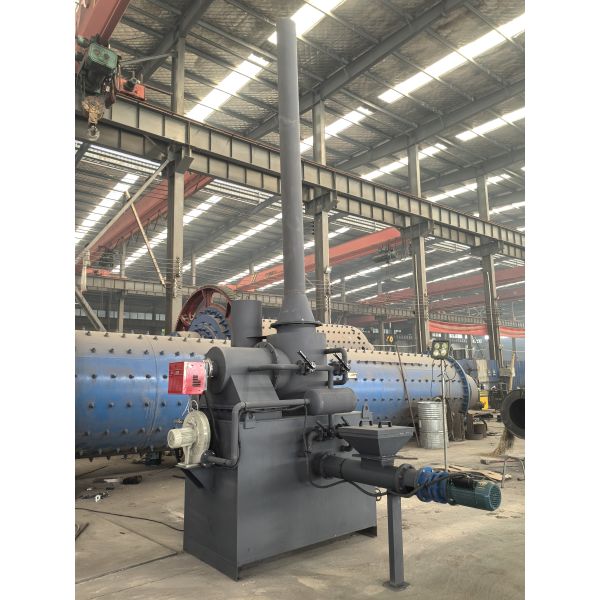
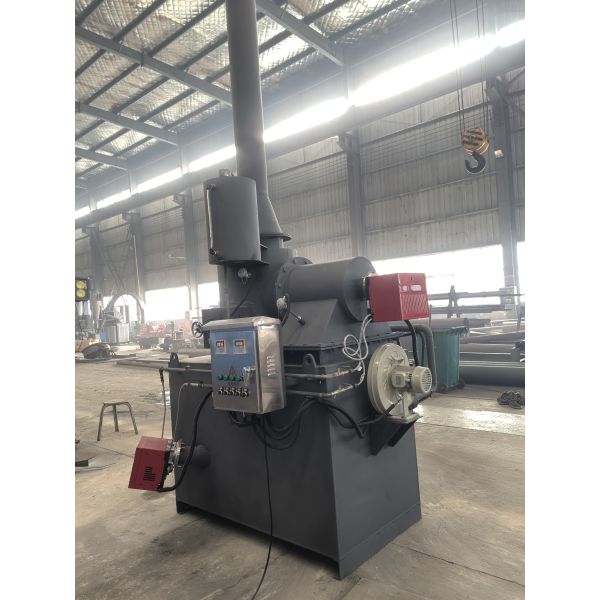
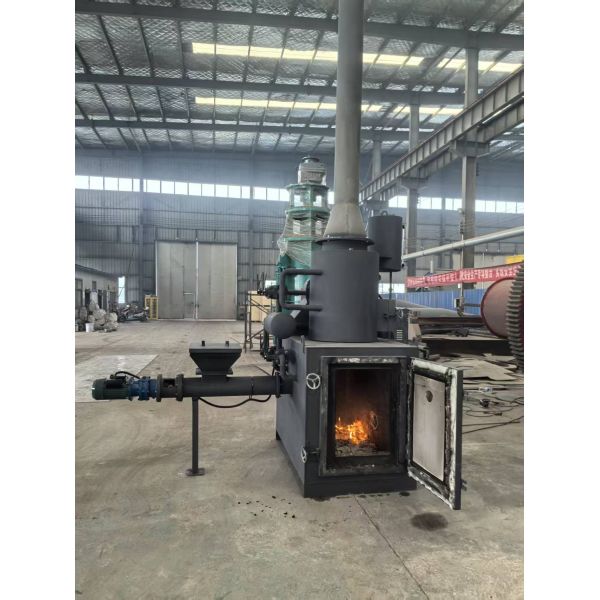
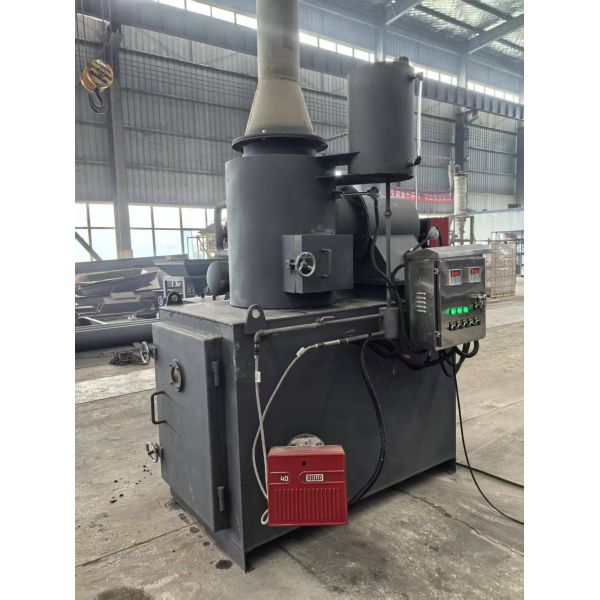
Waste Incinerators are advanced systems designed for efficient waste management and disposal, playing a crucial role in reducing landfill use and minimizing environmental impact. These Waste Incinerators operate by burning waste materials at high combustion temperatures ranging from 850°C to 1100°C, ensuring thorough destruction of harmful substances and reducing the volume of waste significantly. This high-temperature combustion process not only helps in effective waste disposal but also contributes to energy recovery, making these systems an environmentally responsible choice for modern waste management challenges.
One of the standout features of Waste Incinerators is their integrated Waste Heat Recovery system. This system captures the heat generated during the combustion process and utilizes it for energy recovery, enhancing the overall efficiency of the incineration process. The recovered heat can be converted into steam or electricity, depending on the configuration of the energy recovery system. This dual capability allows facilities to generate valuable energy, reducing reliance on conventional power sources and lowering operational costs. By turning waste into a resource, Waste Incinerators contribute significantly to sustainable energy solutions and help in reducing carbon footprints.
Safety is a paramount concern in the operation of Waste Incinerators, given the high temperatures and the nature of the waste being processed. To address these concerns, these incinerators come equipped with advanced fire detection and suppression systems. These safety features ensure early detection of any fire-related issues and automatically activate suppression mechanisms to prevent accidents, protecting both personnel and equipment. The robust safety protocols built into Waste Incinerators make them reliable and secure for continuous operation in various waste management facilities.
The application of Waste Incinerators extends across a wide range of sectors involved in waste management and disposal. They are particularly beneficial for municipal solid waste treatment, hazardous waste destruction, medical waste disposal, and industrial waste processing. By efficiently managing different types of waste, Waste Incinerators help municipalities and industries comply with environmental regulations and reduce the burden on landfill sites. Their versatility and efficiency make them an indispensable asset in modern waste management strategies aimed at environmental protection and resource conservation.
In addition to their technical capabilities, Waste Incinerators are designed for operational efficiency and environmental compliance. The combustion process at temperatures between 850°C and 1100°C ensures the complete breakdown of organic matter, minimizing the release of harmful emissions. Coupled with sophisticated emission control technologies, these incinerators help meet stringent environmental standards, safeguarding air quality and public health. The integration of waste heat recovery and energy generation further amplifies their contribution to sustainable waste management practices.
In summary, Waste Incinerators represent a comprehensive solution for effective waste disposal and energy recovery. Their high-temperature combustion, combined with waste heat recovery systems capable of generating steam or electricity, provides a sustainable approach to managing diverse waste streams. Enhanced by critical safety features such as fire detection and suppression systems, these incinerators ensure safe and reliable operation. Widely applicable in various waste management and disposal contexts, Waste Incinerators are essential tools in advancing environmental sustainability and resource efficiency in waste treatment processes.
| Waste Heat Recovery | Yes |
| Air Pollution Control | Baghouse Filter |
| Energy Recovery System | Steam Or Electricity Generation |
| Installation Type | On-site |
| Application | Waste Management And Disposal |
| Combustion Temperature | 850°C To 1100°C |
| Automation Level | Semi-automatic To Fully Automatic |
| Ash Disposal | Bottom Ash Conveyor |
| Temperature Range | 600-1000 Degrees Celsius |
| Fuel Type | Diesel |
Waste Incinerators are essential equipment designed for efficient waste management and disposal across various industries and environments. These advanced Waste Incinerators are engineered to handle a wide range of waste materials, converting them into safe, manageable byproducts through high-temperature combustion. Their application is particularly vital in urban waste management facilities, industrial complexes, hospitals, and remote locations where traditional waste disposal methods are impractical or environmentally unfriendly.
One of the primary occasions for utilizing Waste Incinerators is in municipal solid waste treatment plants, where large volumes of household and commercial waste need to be processed daily. These incinerators help reduce the volume of waste significantly, minimizing landfill use and mitigating environmental pollution. Additionally, Waste Incinerators are frequently employed in medical and hazardous waste disposal scenarios, ensuring that infectious and toxic materials are safely destroyed, preventing any risk of contamination or spread of disease.
Industrial plants generating substantial amounts of combustible waste also benefit from Waste Incinerators. By integrating these units, industries can achieve safer and more sustainable waste management practices. The incorporation of emission control technologies such as scrubbers, filters, and electrostatic precipitators in Waste Incinerators ensures that harmful pollutants and particulate matter are effectively captured before releasing exhaust gases into the atmosphere. This makes Waste Incinerators compliant with stringent environmental regulations and supports cleaner air quality.
Safety is a critical consideration in Waste Incinerators, and these units come equipped with advanced fire detection and suppression systems. These safety features provide real-time monitoring and rapid response to any fire hazards, protecting both the facility and personnel. Furthermore, Waste Incinerators utilize diesel as their fuel type, offering reliable and consistent energy for continuous operation.
Another significant advantage of Waste Incinerators is their waste heat recovery capability. This feature allows the capture and reuse of thermal energy generated during incineration, which can be converted into electricity or used for heating purposes, enhancing overall energy efficiency and reducing operational costs.
In summary, Waste Incinerators are indispensable in modern waste management and disposal scenarios, offering robust performance, environmental protection, and safety. Their versatile application across municipal, industrial, and medical fields makes them a critical asset for sustainable waste handling solutions.